Hemiplegic Migraine

Key Takeaways
- Hemiplegic migraine can cause temporary weakness, numbness, speech changes, or visual symptoms along with headache.
- It may be inherited or occur without a known family history.
- Diagnosis usually relies on a detailed history, neurological examination, and tests to rule out stroke or other causes.
- Treatment focuses on symptom relief, prevention of attacks, and avoiding known triggers when possible.
- New or one-sided weakness should always be assessed by a doctor, especially if symptoms are new or different from usual.
Hemiplegic migraine is a rare type of migraine that can cause temporary weakness on one side of the body along with other neurological symptoms. Because it can resemble more urgent conditions, careful medical evaluation is important the first time symptoms appear or if they change.
Overview
Hemiplegic migraine is a rare form of migraine that includes temporary motor weakness, usually on one side of the body. The weakness may appear with headache, before the headache, or sometimes even when head pain is mild or absent, which is one reason this condition often needs careful medical assessment.
For a person experiencing it, the episode can feel unsettling because it may affect arm or leg movement, speech, vision, or coordination. In an international-patient setting, that uncertainty can be especially difficult: families may be deciding whether to seek care abroad, how urgently to travel, and what tests will be needed once they arrive.
Hemiplegic migraine is not the same as a stroke, but the symptoms can overlap. That is why doctors usually treat the first episode or any change in pattern as a situation that deserves prompt evaluation rather than self-diagnosis.
Symptoms
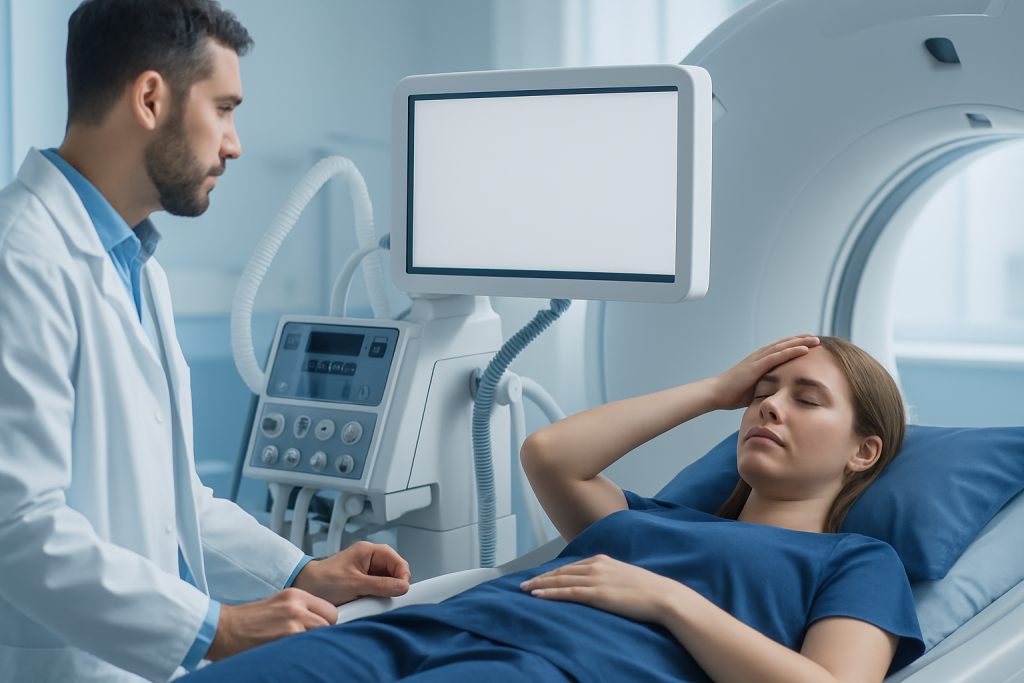
The defining feature is weakness on one side of the body, but the condition can involve more than strength changes alone. Some people also notice numbness, tingling, trouble speaking, blurred vision, dizziness, or confusion around the time of the attack.
Other migraine features may appear as well, including throbbing headache, sensitivity to light or sound, nausea, or vomiting. In some attacks, the neurological symptoms build gradually and then resolve; in others, they may be brief or may last longer than a typical migraine aura.
- One-sided weakness in the face, arm, or leg
- Difficulty speaking or finding words
- Visual changes such as flashing lights or blind spots
- Numbness or tingling
- Headache with nausea, light sensitivity, or sound sensitivity
Symptoms can vary widely from person to person and from one episode to the next. That variability is normal for hemiplegic migraine, but it also makes medical review important, because similar symptoms can arise from other neurological problems.
Causes & Risk Factors

Hemiplegic migraine is linked to changes in how nerve cells communicate and process signals in the brain. In some families, it is associated with inherited gene changes, which is why a family history of similar migraine attacks can be an important clue.
The condition can be familial, meaning it runs in families, or sporadic, meaning it occurs without a known affected relative. A person without a family history can still develop hemiplegic migraine, so the absence of relatives with similar symptoms does not rule it out.
Common triggers are not the same for everyone, but typical migraine triggers may contribute to attacks in some people. These may include sleep disruption, stress, dehydration, missed meals, hormonal shifts, bright light, certain foods, or sudden changes in routine.
Risk factors can include a personal history of migraine, a family history of hemiplegic migraine or migraine with aura, and, in some cases, specific genetic variants. Even so, having a risk factor does not mean attacks will definitely occur, and many people benefit from learning their own pattern over time.
Diagnosis
Because hemiplegic migraine can look like a stroke, diagnosis begins with careful history-taking and a neurological examination. Doctors ask when the symptoms started, how they evolved, whether previous episodes have occurred, and whether speech, vision, or consciousness changed during the attack.
Tests are often used to rule out other conditions rather than to “prove” hemiplegic migraine directly. Depending on the presentation, a clinician may recommend brain imaging, blood tests, or sometimes additional studies such as EEG or genetic testing if the pattern suggests an inherited form.
The diagnostic process can feel especially detailed for people traveling from another country, but that thoroughness is reassuring rather than concerning. It helps the care team separate a migraine syndrome from conditions that need different treatment, and it informs whether preventive medication or follow-up is appropriate.
Sharing prior medical records, medication lists, and descriptions of past attacks can make diagnosis more efficient. If possible, bringing notes about episode duration, triggers, and how quickly symptoms resolve can help the neurologist build a clearer picture.
Treatment Options
Treatment depends on the severity and frequency of attacks, the age and general health of the person, and whether the diagnosis is familial or sporadic. The main goals are to relieve symptoms, reduce future attacks when needed, and avoid treatments that may not be suitable for this migraine type.
During an attack, care may focus on comfort, rest in a dark and quiet room, hydration, and medications selected by the clinician for pain or nausea. Because weakness and speech symptoms can resemble stroke, urgent medical assessment is still important when the episode is new, severe, or different from usual.
Preventive treatment may be considered when attacks are frequent, prolonged, or disruptive. A neurologist may discuss migraine-prevention strategies, but the choice is individualized, especially in hemiplegic migraine where medication selection should be tailored carefully.
- Acute symptom relief guided by a doctor
- Preventive therapy when attacks recur
- Trigger management and routine stabilization
- Follow-up to reassess symptom pattern and medication response
Some people need rehabilitation support after an attack if weakness or coordination problems linger for a time. When care is coordinated across specialties, recovery can be smoother, especially for international patients who need a clear plan before returning home.
Prevention & Self-care
There is no single way to prevent every attack, but many people do better when they notice patterns and keep daily routines steady. Regular sleep, meals, hydration, and stress reduction can be useful foundations, even when they do not eliminate migraine entirely.
Keeping a symptom diary can help identify triggers and describe the sequence of events before an attack. Recording what the person was doing, eating, or experiencing emotionally may reveal patterns that are easy to miss in memory alone.
Practical self-care also includes planning for travel or work disruptions. For someone receiving care away from home, this may mean carrying a medication list, knowing where to seek urgent help, and arranging follow-up before departure.
- Maintain consistent sleep and meal timing
- Stay hydrated, especially during travel
- Limit exposure to personal triggers when known
- Track symptoms, duration, and recovery time
- Follow the treatment plan recommended by the neurologist
Self-care should support, not replace, medical evaluation. Because hemiplegic migraine involves neurological symptoms, a trusted doctor should confirm the diagnosis and review any new or changing pattern.
When to See a Doctor
Medical attention is important for any first episode of one-sided weakness, facial droop, speech difficulty, or sudden visual change. Even if a person has migraine history, new neurological symptoms should not be assumed to be “just migraine” without assessment.
A doctor should also be contacted if attacks become more frequent, last longer, feel more severe, or differ from the person’s usual pattern. The same applies if recovery is incomplete, if weakness persists, or if there are new symptoms such as fainting, seizure-like activity, or major confusion.
For patients considering treatment abroad, it is wise to seek a center with neurology expertise that can evaluate the condition promptly and coordinate imaging, consultation, and follow-up. Acibadem Health Point’s multidisciplinary specialists and JCI-accredited hospitals diagnose and treat hemiplegic migraine for international patients, with attention to continuity of care after travel.
Seek urgent emergency care immediately if stroke is possible or if symptoms are sudden, severe, or unusual. It is always safer to have a specialist confirm the cause than to delay evaluation of weakness or speech changes.
Living With Hemiplegic Migraine
Living with hemiplegic migraine often means learning to recognize an individual pattern and planning around it. Many people find that a clear action plan reduces anxiety, especially if symptoms come on quickly or while traveling.
That plan may include knowing which symptoms call for emergency care, which doctor to contact for follow-up, and how to communicate the condition to family, employers, or schools. Simple written instructions can be especially helpful when an episode affects speech or thinking.
Over time, a neurologist can help adjust treatment based on how often attacks happen and how disruptive they are. With proper evaluation and ongoing care, many people are able to manage the condition and return to their usual activities between attacks.
Follow-Up After Diagnosis
Follow-up matters because hemiplegic migraine can evolve over time, and treatment may need to be refined. A clinician may review whether preventive therapy is helping, whether trigger control is realistic, and whether any new symptoms suggest a different diagnosis.
For people receiving care internationally, follow-up planning should be part of the first consultation. That may include written summaries, medication instructions, and guidance on what to do if symptoms recur after returning home.
Ongoing communication with a qualified doctor is the safest way to manage this condition. The goal is not just to reduce attacks, but to make sure the person understands the diagnosis, the warning signs, and the next steps if symptoms change.
Frequently asked questions
Is hemiplegic migraine a type of stroke?
No. Hemiplegic migraine is a migraine disorder that can cause temporary neurological symptoms, including weakness, but it is not a stroke. Because the symptoms can look similar, doctors usually evaluate the first episode urgently to rule out more serious causes.
Can hemiplegic migraine happen without a family history?
Yes. Some people have familial hemiplegic migraine, while others have sporadic hemiplegic migraine without an affected relative. A lack of family history does not exclude the diagnosis.
How is hemiplegic migraine diagnosed?
Doctors diagnose it through the symptom history, neurological examination, and tests that help rule out stroke or other conditions. Imaging or other studies may be used depending on the situation, especially for a first or unusual episode.
What triggers hemiplegic migraine attacks?
Triggers vary, but common ones include stress, sleep changes, dehydration, skipped meals, hormonal shifts, and bright light. Not everyone has a clear trigger, so keeping a symptom diary can be helpful.
Is there a cure for hemiplegic migraine?
There is no single cure, but many people can reduce attacks with prevention strategies and individualized treatment. A neurologist can help choose the safest options and monitor how well they work.
When should emergency care be sought?
Emergency care is recommended for any new one-sided weakness, sudden speech difficulty, facial droop, or a major change from the person’s usual migraine pattern. If stroke is possible, it is safest to seek immediate medical help.
References
- American Headache Society
- International Classification of Headache Disorders, International Headache Society
- National Institute of Neurological Disorders and Stroke
- Mayo Clinic
- National Health Service
This article is for general information only and is not a substitute for professional medical advice. Please consult a qualified doctor about your individual situation.
More from the Health Library



Related Specialists

Dr. Nevin Sarıgüzel
Infectious Diseases & Clinical Microbiology
Prof. Dr. Nurzen Sezgin
Clinical Laboratory
Prof. Dr. Saime Paydaş
Internal Medicine
Dr. Fahrî Güven
General Surgery