Somatic Nervous System

Key Takeaways
- The somatic nervous system connects the brain and spinal cord with the body’s voluntary muscles and sensory pathways.
- It helps people move, feel touch, pain, temperature, and position, and respond in a coordinated way.
- Symptoms such as numbness, weakness, tingling, muscle wasting, or trouble walking can point to a somatic nerve problem.
- Diagnosis often includes a neurological exam and may use blood tests, imaging, or nerve studies to find the cause.
- Treatment depends on the underlying condition and may include medication, rehabilitation, or procedures aimed at protecting nerve function.
The somatic nervous system is the part of the nervous system that carries sensory information to the brain and spinal cord and helps control voluntary movement. When it is affected, a person may notice weakness, numbness, pain, or changes in coordination that deserve medical evaluation.
Overview
The somatic nervous system is the part of the nervous system that links the brain and spinal cord with the muscles used for deliberate movement and with the body’s sensory receptors. It is what allows a person to decide to lift a cup, feel the texture of a surface, or notice that a foot has gone numb after sitting too long.
In practical terms, it serves two main roles: carrying sensory signals from the skin, joints, and muscles toward the central nervous system, and sending motor signals outward to skeletal muscles. Because of this two-way communication, the somatic nervous system is central to everyday tasks such as walking, writing, speaking, balancing, and reacting to pain or temperature.
For people seeking care from another country, symptoms involving movement or sensation can be unsettling because they may interfere with travel, work, or independence. A careful neurological evaluation helps distinguish a temporary irritation from a problem that needs more targeted treatment and follow-up.
Symptoms
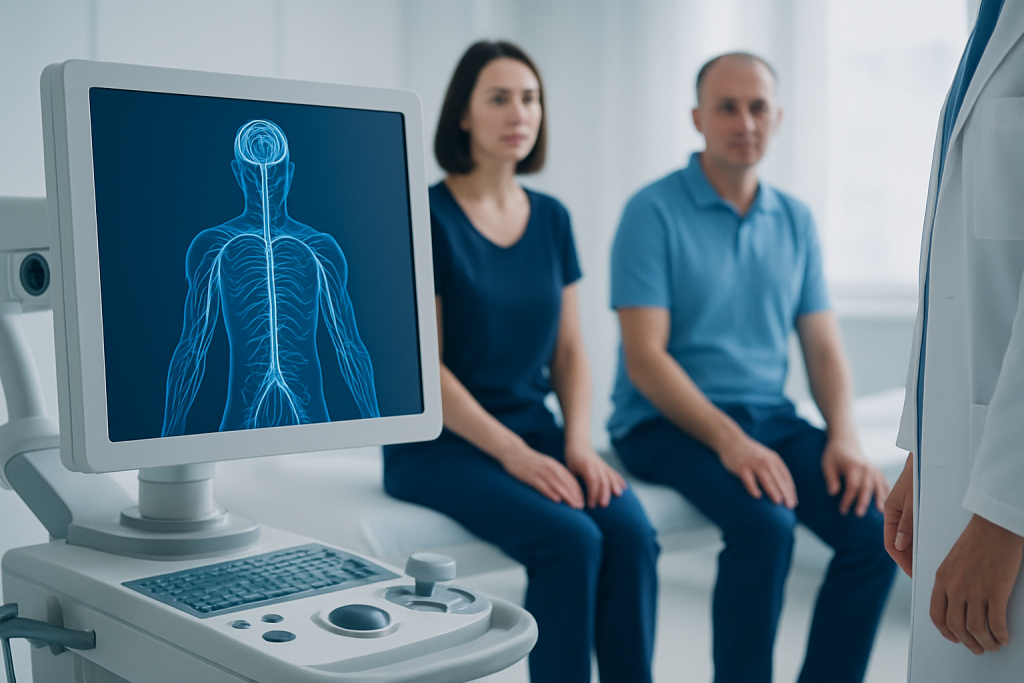
Somatic nervous system problems can show up in different ways depending on whether sensory fibers, motor fibers, or both are involved. Some people first notice a change in feeling, while others become aware of weakness or clumsiness. Symptoms may be mild at first and then become more obvious during daily activities.
Common signs include numbness, tingling, burning pain, weakness, reduced reflexes, muscle cramps, or difficulty controlling fine movements. A person may also notice that a hand feels awkward when buttoning clothes, that the leg seems to drag, or that balance is less reliable than usual.
- Loss of sensation or “pins and needles”
- Muscle weakness or fatigue
- Pain that follows a nerve-like pattern
- Reduced coordination or balance
- Muscle shrinking over time in more advanced cases
Because these symptoms can come from several different conditions, they should not be assumed to be “just stress” or “just aging.” A clear pattern of symptoms can help a clinician identify whether the issue lies in a peripheral nerve, nerve root, muscle, or another part of the nervous system.
Causes & Risk Factors

The somatic nervous system can be affected by conditions that damage nerves, compress them, interrupt blood supply, or disrupt the spinal cord and brain pathways that control movement and sensation. Diabetes is a common cause of peripheral nerve injury, but it is only one of many possibilities. Injuries, autoimmune diseases, infections, vitamin deficiencies, and inherited disorders can also play a role.
Some problems begin with direct pressure on a nerve, such as from a herniated disc, repetitive strain, or trauma. Others develop more gradually, as in peripheral neuropathy, which may affect both feet or hands and often creates a “stocking and glove” pattern of symptoms.
Risk can be higher in people with poorly controlled blood sugar, alcohol misuse, certain chemotherapy treatments, prolonged pressure on a limb, or conditions that inflame or damage nerves. Age can also influence risk, but new weakness or numbness should still be evaluated rather than attributed to age alone.
In international patients, the cause is not always clear from symptoms alone. A traveler may arrive with prior imaging, medication lists, or diagnoses from home, but the full picture often requires combining that history with a fresh exam and, when needed, targeted testing.
Diagnosis
Diagnosis usually begins with a detailed history and a neurological examination. A clinician may ask when symptoms started, which areas are affected, whether the problem is constant or intermittent, and whether there has been any injury, infection, surgery, or change in medications. The exam helps assess strength, reflexes, sensation, coordination, gait, and muscle tone.
Depending on the findings, additional tests may be used to narrow the cause. Blood tests can look for diabetes, vitamin deficiencies, inflammation, thyroid problems, or other metabolic issues. Nerve conduction studies and electromyography may help determine whether the problem is in the nerve, nerve root, or muscle. Imaging such as MRI may be appropriate if spinal cord compression, structural injury, or another central cause is suspected.
When someone is receiving care away from home, organization matters. Bringing previous reports, scan images, a current medication list, and a timeline of symptoms can shorten the path to an accurate diagnosis. After the evaluation, the care team can explain which findings are reversible, which need monitoring, and what follow-up is realistic once the patient returns home.
Treatment Options
Treatment depends on the underlying cause rather than on the symptom alone. If a pinched nerve is responsible, care may focus on reducing inflammation, relieving pressure, and restoring function. If diabetes or another metabolic problem is contributing, managing that condition becomes part of protecting the nerves.
Medication may be used to ease nerve pain or to treat inflammation, infection, or autoimmune activity when relevant. Physical therapy and occupational therapy are often important because they help preserve strength, support balance, improve movement patterns, and reduce the risk of falls or overuse. In some cases, surgery or other procedures are needed to address a structural cause such as compression.
Recovery can take time, especially when nerve healing is involved. A treatment plan may therefore include staged goals: controlling symptoms, preventing further damage, rebuilding function, and reassessing progress. For international patients, this often means planning care that can continue safely after discharge, with clear written instructions for medications, exercises, and follow-up appointments.
Prevention & Self-care
Not every somatic nervous system problem can be prevented, but several habits support nerve health. Keeping chronic conditions such as diabetes under control, avoiding repetitive pressure on the limbs, limiting excessive alcohol intake, and maintaining balanced nutrition can all help reduce risk. Safe movement practices also matter, particularly for people with back or neck issues.
Self-care is most effective when it complements medical treatment. Resting an irritated limb, following therapy exercises, using supportive footwear, and pacing activities can reduce strain. People with numbness in the feet should check for blisters or pressure areas, since reduced sensation can make small injuries easy to miss.
- Follow the care plan exactly as prescribed by the clinician
- Keep blood sugar and other chronic conditions under control
- Protect numb areas from heat, pressure, and injury
- Stay active within safe limits to preserve mobility
- Ask for clarification before traveling if symptoms are still changing
For those recovering abroad, planning is part of self-care. It helps to know who will review results, what warning signs should prompt earlier contact, and which exercises or precautions should continue after the trip ends.
When to See a Doctor
Medical advice should be sought when numbness, weakness, or pain is persistent, worsening, or affecting daily life. New problems with walking, repeated falls, loss of hand function, or visible muscle wasting deserve assessment because they may signal a more significant nerve issue.
Prompt evaluation is especially important if symptoms begin after injury, appear suddenly, spread quickly, or are accompanied by severe back pain, fever, or changes in bladder or bowel control. These signs do not always mean a serious disease, but they do call for timely medical review so the cause can be identified safely.
If symptoms are interfering with travel or recovery plans, it is reasonable to seek a specialist opinion before waiting them out. Acibadem Health Point’s multidisciplinary specialists and JCI-accredited hospitals diagnose and treat somatic nervous system conditions for international patients, with attention to both treatment and follow-up planning.
Living With Somatic Nerve Problems
Many people with somatic nerve conditions do best when treatment is combined with practical routines that fit real life. This may include keeping a symptom diary, using mobility aids temporarily, adjusting work tasks, or breaking long activities into shorter parts. Small adaptations can make recovery feel more manageable while the underlying problem is addressed.
Follow-up is important because nerve symptoms may improve slowly, and the response to treatment can clarify the diagnosis over time. If a person is traveling for care, the plan should include how to share results with the local doctor at home, when to repeat testing, and what changes should prompt another review.
With the right evaluation and support, many somatic nervous system problems can be managed effectively. The key is to match the treatment to the cause, protect function early, and avoid ignoring symptoms that are changing or interfering with daily activities.
Frequently asked questions
What does the somatic nervous system do?
It carries sensory information from the body to the brain and spinal cord and controls voluntary movement of skeletal muscles. This allows a person to feel touch, pain, and temperature, and to move on purpose.
Is the somatic nervous system the same as the peripheral nervous system?
No. The somatic nervous system is one part of the larger peripheral nervous system. The peripheral nervous system also includes the autonomic nervous system, which controls functions such as heart rate and digestion.
What are common symptoms of somatic nerve damage?
Common symptoms include numbness, tingling, pain, weakness, and trouble with coordination or balance. In some cases, reflexes may be reduced or muscles may become smaller over time.
Can somatic nerve problems heal?
Some do improve, especially when the cause is treated early or the nerve irritation is temporary. Recovery can be slow, and the timeline depends on the type and severity of the problem.
How are somatic nerve problems diagnosed?
Diagnosis usually starts with a neurological exam and a detailed medical history. Doctors may also use blood tests, nerve conduction studies, electromyography, or imaging tests to find the cause.
When should weakness or numbness be checked urgently?
Sudden weakness, rapidly spreading numbness, trouble walking, or changes in bladder or bowel control should be evaluated promptly. These symptoms can point to a more serious nerve or spinal problem that needs quick assessment.
References
- National Institute of Neurological Disorders and Stroke
- Mayo Clinic
- Merck Manual Professional Edition
- World Health Organization
- Cleveland Clinic
This article is for general information only and is not a substitute for professional medical advice. Please consult a qualified doctor about your individual situation.