Neurologist

Key Takeaways
- Neurologists diagnose and manage disorders involving the brain, spinal cord, peripheral nerves, and muscles.
- Persistent headaches, numbness, weakness, dizziness, memory changes, seizures, and balance problems may need specialist evaluation.
- Diagnosis often combines a detailed history, neurological examination, and tests such as MRI, CT, EEG, EMG, or blood work.
- Treatment depends on the condition and may include medication, rehabilitation, lifestyle changes, and follow-up monitoring.
- Seeking timely care can help clarify symptoms, rule out serious causes, and support better long-term management.
A neurologist is a specialist who evaluates conditions affecting the brain, spinal cord, nerves, and muscles. This article explains what they do, which symptoms may warrant a visit, and how diagnosis and treatment typically work, including for international patients planning care abroad.
Overview
A neurologist is a doctor who focuses on the nervous system, the body’s communication network for movement, sensation, thinking, balance, and many automatic functions such as breathing and swallowing. When something interrupts that network, symptoms can appear in many different forms, from a tingling hand to a severe headache or a seizure.
Because nervous system symptoms can overlap with other health problems, a neurologist often helps sort out what is happening and which tests are most useful. For people traveling from another country, this can be especially valuable when symptoms are persistent, unexplained, or have not improved with routine care.
Neurology covers a wide range of conditions. Some are common and long-term, such as migraine, epilepsy, neuropathy, Parkinson’s disease, or stroke recovery. Others are less frequent but important to recognize early, including inflammatory, autoimmune, or inherited disorders.
Symptoms
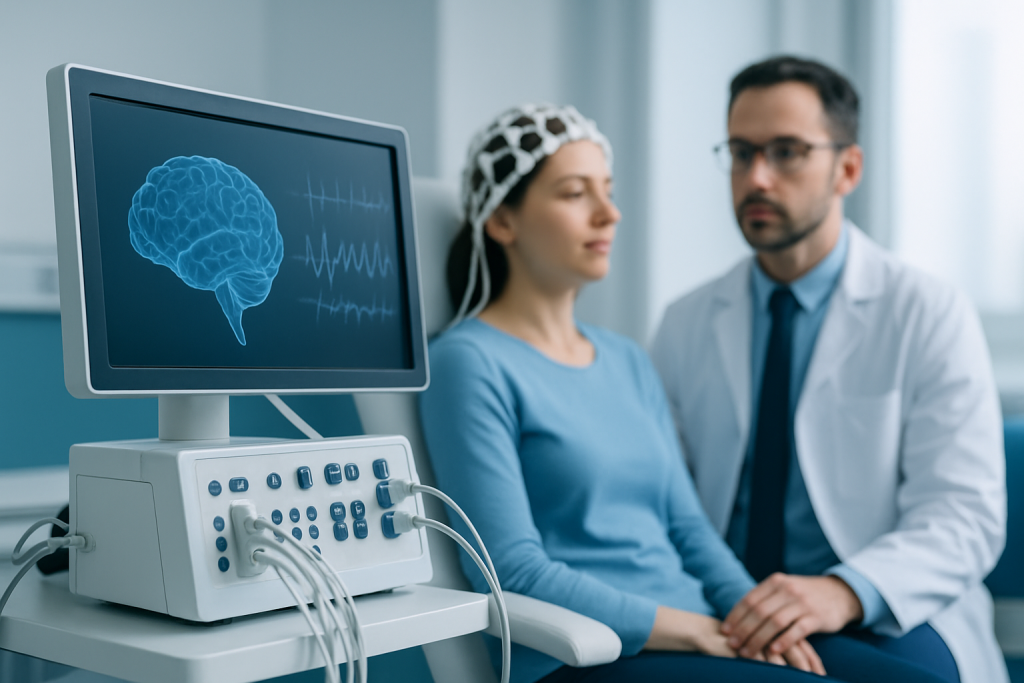
Many people are referred to a neurologist after noticing changes that do not fit neatly into one body system. A headache may be part of migraine, for example, but the same complaint can also occur with infections, vision problems, blood pressure changes, or other conditions. A neurologist helps determine whether the nervous system is involved.
Symptoms that often lead to a neurology consultation include ongoing headaches, sudden or recurrent dizziness, numbness or tingling, muscle weakness, tremors, memory or concentration problems, fainting, trouble with speech, vision changes, or balance difficulties. Some people are seen after a seizure, while others are evaluated because family members notice unusual forgetfulness or behavior changes.
- New or worsening headaches, especially if they differ from a usual pattern
- Weakness, numbness, or loss of coordination
- Seizures or episodes of confusion
- Memory loss, slowed thinking, or personality changes
- Walking problems, tremor, or persistent imbalance
In some situations, symptoms are subtle and gradual. For instance, a person may first notice dropping objects more often, needing extra time to find words, or feeling unstable on stairs. These changes do not always mean a serious disease is present, but they do deserve thoughtful evaluation.
Causes & Risk Factors

Neurological symptoms can arise from many causes, and not all of them are diseases of the brain or nerves themselves. Migraine, sleep disruption, vitamin deficiencies, medication effects, autoimmune illness, infections, vascular problems, metabolic disorders, and injuries can all affect the nervous system in different ways.
Risk factors vary by condition. A family history may matter for some inherited disorders, while high blood pressure, diabetes, smoking, and high cholesterol increase the likelihood of stroke and nerve problems. Repeated head injury, certain infections, some autoimmune diseases, and long-term alcohol use may also raise risk for neurological issues.
It is also important to remember that age can change the picture. In children, developmental or seizure concerns may be more prominent. In adults and older adults, headaches, memory changes, gait instability, and stroke-related symptoms often bring people to specialist care.
Diagnosis
A neurology visit usually begins with a detailed conversation about symptoms, when they started, how they have changed, and what seems to make them better or worse. The neurologist may ask about sleep, medications, medical history, family history, recent infections, injuries, and lifestyle factors that can influence the nervous system.
The physical examination typically includes a neurological exam, which checks strength, reflexes, sensation, coordination, eye movements, speech, and balance. This exam often provides important clues about where a problem may be located and which tests should follow.
Depending on the concern, the workup may include imaging such as MRI or CT scans, electrical tests like EEG for seizure evaluation or EMG and nerve conduction studies for weakness and numbness, as well as blood tests for inflammation, vitamin levels, thyroid function, infection, or other metabolic causes. In some cases, additional testing may be recommended to clarify whether symptoms are temporary, progressive, or part of a broader condition.
Treatment Options
Neurologists treat many conditions, but the plan depends entirely on the diagnosis. Some problems respond well to medication, such as migraine prevention or seizure control, while others require rehabilitation, immune-based treatment, movement therapy, or careful monitoring over time.
For stroke-related conditions, treatment may involve urgent hospital care followed by medication, risk-factor management, and structured rehabilitation. For nerve disorders, the focus may be on symptom control, improving function, and addressing the underlying cause when possible. In degenerative conditions, the goal may be to slow progression, preserve independence, and support quality of life.
Supportive care is often just as important as medication. Physical therapy, occupational therapy, speech therapy, sleep optimization, and lifestyle adjustments can help reduce symptoms and improve daily function. For international patients, treatment planning should also include follow-up arrangements, medication access after returning home, and a clear understanding of warning signs that require local medical attention.
Prevention & Self-care
Not every neurological condition can be prevented, but some habits support brain and nerve health. Managing blood pressure, blood sugar, and cholesterol; not smoking; limiting alcohol; staying physically active; and maintaining good sleep can all lower risk for several nervous system problems.
People with headaches, seizures, neuropathy, or balance concerns often benefit from keeping a simple symptom diary. Recording the timing, duration, triggers, and associated symptoms can help a neurologist identify patterns that are easy to miss during a short visit. It can also make telemedicine or follow-up care after travel much more efficient.
Safe self-care also includes taking medications exactly as prescribed, staying hydrated, protecting the head from injury, and seeking advice before starting supplements or over-the-counter products. If a person is traveling for care, it helps to bring prior test results, imaging discs, medication lists, and a concise timeline of symptoms to the first appointment.
When to See a Doctor
Anyone with persistent or recurring neurological symptoms should consider seeing a doctor, especially if the issue is affecting work, sleep, driving, balance, memory, or daily activities. A neurologist is often the right specialist when symptoms are unexplained, complex, or not improving as expected.
Some situations need more urgent evaluation, such as sudden weakness on one side of the body, trouble speaking, facial drooping, a first seizure, severe headache with fever or neck stiffness, new confusion, or abrupt vision loss. These symptoms may indicate an emergency and should be assessed promptly.
For patients coming from abroad, planning ahead can make specialist care smoother. Coordinating records, travel timing, and follow-up before the trip helps the neurologist interpret symptoms in context and build a practical plan that continues after the patient returns home. Acibadem Health Point’s multidisciplinary specialists and JCI-accredited hospitals diagnose and treat neurological conditions for international patients with an organized, patient-centered approach.
Frequently asked questions
What does a neurologist treat?
A neurologist evaluates and manages conditions involving the brain, spinal cord, nerves, and muscles. This includes headaches, seizures, stroke-related problems, neuropathy, movement disorders, memory concerns, and balance issues.
Do I need a referral to see a neurologist?
That depends on the healthcare system and insurance rules where the person lives. Some patients are referred by a primary care doctor, while others may arrange a specialist appointment directly.
What happens during the first neurology visit?
The visit usually includes a detailed symptom history, review of medical records, and a neurological examination. The neurologist may then order tests such as MRI, CT, EEG, EMG, or blood work if needed.
Can a neurologist help with headaches?
Yes. Neurologists often evaluate headaches to determine whether they are migraine, tension-type, cluster headache, or related to another cause. They also help when headaches are frequent, severe, or changing in pattern.
Is numbness always a nerve problem?
No. Numbness can come from many causes, including nerve compression, vitamin deficiencies, circulation issues, or metabolic conditions. A neurologist helps identify the likely source and next steps.
When should neurological symptoms be treated as urgent?
Sudden weakness, facial drooping, trouble speaking, a first seizure, severe confusion, or abrupt vision loss should be assessed urgently. These symptoms may signal a condition that needs prompt medical attention.
References
- World Health Organization
- National Institute of Neurological Disorders and Stroke
- Mayo Clinic
- Cleveland Clinic
- American Academy of Neurology
This article is for general information only and is not a substitute for professional medical advice. Please consult a qualified doctor about your individual situation.