Neurosurgeon

Key Takeaways
- Neurosurgeons care for conditions affecting the brain, spine, and peripheral nerves, often when surgery may be part of treatment.
- A neurosurgeon does not automatically mean surgery; many patients are first assessed to confirm whether surgery is truly needed.
- Common reasons for referral include severe back or neck pain, nerve compression, brain tumors, trauma, hydrocephalus, and certain vascular problems.
- Diagnosis often combines a neurologic exam, imaging studies, and a careful review of symptoms, medications, and prior treatments.
- Recovery planning, rehabilitation, and follow-up are important parts of neurosurgical care, especially for patients traveling from another country.
A neurosurgeon is a doctor who evaluates and treats conditions of the brain, spine, and nerves that may require surgical care. Many people are referred after symptoms, scans, or specialist exams suggest that a precise surgical opinion could help clarify the safest next step.
Overview
A neurosurgeon is a physician trained to diagnose and treat disorders of the nervous system that may require an operation or another procedure. That system includes the brain, spinal cord, spinal nerves, and the peripheral nerves that carry signals throughout the body.
For many patients, the first question is not whether surgery will happen, but whether a surgical opinion is the right next step. A neurosurgeon often becomes involved after a neurologist, emergency doctor, orthopedic specialist, or primary care physician identifies a problem that may benefit from a more detailed look.
In international care settings, this visit can feel like a turning point. People may arrive with outside scans, a recent injury, unexplained weakness, or long-standing pain that has not improved. A good neurosurgical consultation focuses on clarity: what the problem is, what can be treated without surgery, and what the realistic role of an operation would be if one is needed.
Symptoms and Conditions a Neurosurgeon Evaluates
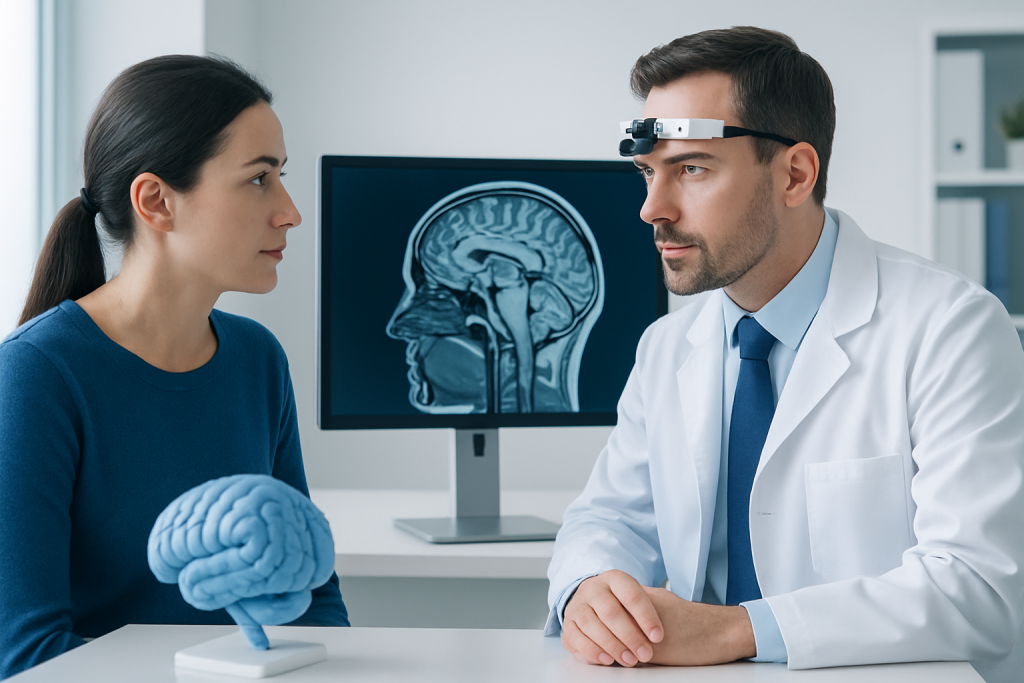
Neurosurgeons see a wide range of conditions, and the symptoms can vary depending on whether the brain, spine, or nerves are involved. Some people develop sudden symptoms after an accident or stroke-like event, while others notice a gradual change such as persistent pain, numbness, or difficulty walking.
Common reasons for referral include:
- Neck or back pain that is associated with arm or leg weakness, numbness, or nerve pain
- Herniated discs, spinal stenosis, or compression of spinal nerves
- Brain tumors, whether benign or cancer-related
- Head injury or skull fractures
- Aneurysms or other blood vessel conditions in the brain
- Hydrocephalus, or abnormal fluid buildup in the brain
- Trigeminal neuralgia and other painful nerve disorders
- Peripheral nerve injuries, entrapment, or tumors
Symptoms that may prompt urgent assessment can include sudden weakness on one side, seizure, confusion, severe headache unlike usual headaches, loss of bladder or bowel control with back pain, or rapidly worsening numbness. Not every symptom points to a surgical condition, but these changes deserve timely medical review.
Causes and Risk Factors

There is no single cause behind neurosurgical disease. Some problems are related to aging and wear in the spine, while others follow injury, inherited conditions, abnormal growths, infection, or problems with blood vessels in the brain. In some cases, the cause is clear; in others, doctors focus more on how the condition behaves and whether it is threatening function.
Risk factors depend on the diagnosis. For spinal nerve compression, risks may include heavy lifting over time, prior disc disease, degenerative changes, or previous injury. For brain and vascular conditions, risk can be influenced by family history, high blood pressure, smoking, trauma, or certain connective tissue disorders. Tumors may appear without a known risk factor at all.
Because the nervous system is complex, the same symptom can have different explanations. Back pain, for example, may come from muscles, joints, discs, nerves, or something outside the spine. A neurosurgeon helps determine whether the problem is structural, whether it explains the symptoms, and whether surgery would likely improve function or comfort.
Diagnosis and Preoperative Evaluation
A neurosurgical evaluation usually begins with a detailed conversation and a neurologic examination. The doctor looks at strength, sensation, reflexes, balance, walking pattern, pain distribution, and changes in bowel, bladder, speech, vision, or cognition if relevant. The pattern of symptoms often helps narrow the possible cause before any procedure is considered.
Imaging is central to diagnosis. Depending on the condition, the work-up may include MRI, CT, angiography, X-rays, or nerve studies. The goal is not simply to find an abnormal image, but to match the finding with the patient’s actual symptoms and physical exam.
Preoperative planning also includes a review of medicines, blood thinners, allergies, other illnesses, and previous surgeries. For patients traveling for care, this stage may also involve checking outside reports, digital scans, and pathology results. Clear communication is especially important so that the care team and the patient understand the diagnosis, the proposed procedure, the expected recovery path, and the follow-up plan before travel decisions are made.
Treatment Options
Not every problem seen by a neurosurgeon is treated with an operation. In many cases, the first step is careful observation, medication, rehabilitation, injections, or lifestyle changes. Surgery becomes part of the plan when symptoms are severe, the condition is progressing, or non-surgical treatment is unlikely to protect function.
When surgery is recommended, the approach depends on the problem. Some operations are minimally invasive and use small openings, specialized instruments, or image guidance. Others require open surgery for safe access and full repair. Common neurosurgical procedures include removing a disc that is compressing a nerve, relieving pressure around the spinal cord, removing a brain tumor, placing a shunt for fluid buildup, or repairing a blood vessel abnormality.
Patients are usually encouraged to ask what the surgery is intended to improve, what risks are most relevant to their situation, and what recovery will involve. A thoughtful plan includes pain control, mobilization, wound care, rehabilitation if needed, and a realistic timeline for returning to work, travel, or daily routines. In experienced centers, multidisciplinary specialists and JCI-accredited hospitals can support international patients through diagnosis, treatment, and follow-up with coordinated care.
Recovery, Rehabilitation, and Self-care
Recovery after neurosurgical treatment varies widely. Some people return home quickly after a straightforward procedure, while others need a longer hospital stay, physical therapy, speech therapy, or occupational therapy. The pace of recovery depends on the original condition, the type of surgery, and the person’s overall health.
Self-care after treatment usually centers on protecting the healing area, taking medicines as directed, and following activity restrictions. Patients may be advised to avoid heavy lifting, twisting, prolonged sitting, or strenuous exercise for a period of time. After brain or spine surgery, it can also be important to monitor sleep, hydration, bowel function, and pain levels, since these can affect comfort and rehabilitation.
For patients recovering away from home, discharge planning deserves extra attention. Before travel, it is helpful to confirm wound care instructions, medication schedules, red-flag symptoms, and the date of the first follow-up visit. Keeping copies of operative notes, imaging reports, and rehabilitation recommendations can make it easier for local doctors to continue care after return home.
Prevention and Reducing Future Risk
Not all neurosurgical conditions can be prevented, but some risks can be lowered. Good control of blood pressure, diabetes, and smoking cessation may reduce the chance of certain vascular or healing-related complications. Safe driving, helmet use, fall prevention, and attention to workplace ergonomics can also reduce the likelihood of injury.
For spine health, regular movement, core strengthening when appropriate, and careful lifting habits may help reduce flare-ups in people with degenerative disc or joint problems. For those with known brain or nerve conditions, the most useful “prevention” is often close follow-up, because early changes can be managed before they become more difficult to treat.
Patients should avoid self-diagnosing severe neurologic symptoms or relying on repeated pain treatment alone when weakness, gait change, or sensory loss is developing. A specialist review can help separate temporary discomfort from a condition that needs faster action.
When to See a Doctor
Medical review is appropriate when pain, numbness, balance problems, or weakness lasts longer than expected or begins to interfere with daily life. A neurosurgeon is especially relevant when symptoms suggest nerve compression, spinal cord pressure, a brain lesion, or another structural problem that may need more than conservative care.
Urgent assessment is important if symptoms are sudden or severe, such as new paralysis, speech difficulty, seizure, fainting, a rapidly worsening headache, loss of bladder or bowel control, or major changes after a head or spine injury. These symptoms do not always mean surgery is needed, but they should be evaluated without delay.
For someone considering treatment abroad, the best time to seek a neurosurgical opinion is often before travel, if possible. That allows the patient to review records, ask focused questions, and arrive with a clear understanding of whether intervention, observation, or rehabilitation is the most appropriate path.
Living With a Neurosurgical Condition
Many people live well with neurosurgical diagnoses when care is matched to the problem and follow-up is reliable. The key is not only treating the scan result, but also treating the person’s pain, mobility, independence, and peace of mind. Some patients need one operation and then routine monitoring; others benefit from longer-term management with several specialties working together.
Family support, written instructions, and steady communication with the care team can make recovery easier, especially when language, travel, or distance add complexity. If questions remain after surgery or while deciding about it, patients should feel comfortable asking for another explanation until the plan makes sense.
Acibadem Health Point supports international patients through multidisciplinary neurosurgical evaluation, treatment planning, and recovery guidance in JCI-accredited hospitals, helping make complex care more coordinated from consultation to follow-up.
Frequently asked questions
Is a neurosurgeon the same as a neurologist?
No. A neurologist diagnoses and treats many nervous system conditions without surgery, while a neurosurgeon specializes in operations and procedures on the brain, spine, and nerves. The two often work together, because many patients need both medical and surgical opinions before a decision is made.
Does seeing a neurosurgeon mean surgery is definitely needed?
Not at all. Many patients are referred simply to confirm whether surgery would help or whether non-surgical treatment is safer and more appropriate. A consultation is often about understanding options, not committing to an operation.
What should a patient bring to a neurosurgery appointment?
It helps to bring imaging scans, written reports, a list of medications, previous operation notes, and a brief timeline of symptoms. A clear summary of what has already been tried, such as physical therapy or pain treatment, can also make the visit more useful.
How long is recovery after neurosurgery?
Recovery time varies widely depending on the condition and the procedure. Some people resume light activities within days or weeks, while others need longer rehabilitation and gradual return to normal routines.
When should a person seek urgent help for neurologic symptoms?
Sudden weakness, speech trouble, seizure, severe headache, loss of bladder or bowel control, or rapidly worsening numbness should be assessed promptly. If symptoms follow a head or spine injury, urgent evaluation is especially important.
Can patients travel after neurosurgery?
Often yes, but the timing depends on the operation, wound healing, and whether follow-up can be arranged safely. The treating team should confirm when travel is appropriate and what documents, medicines, and precautions are needed before the journey.
References
- World Health Organization
- American Association of Neurological Surgeons
- Mayo Clinic
- National Institute of Neurological Disorders and Stroke
- Johns Hopkins Medicine
This article is for general information only and is not a substitute for professional medical advice. Please consult a qualified doctor about your individual situation.