Cerebral Cortex

Key Takeaways
- The cerebral cortex coordinates many of the brain’s highest-level functions, including language, movement, sensation, and decision-making.
- Symptoms of cortical problems depend on the area involved and may include confusion, weakness, vision changes, speech difficulty, or seizures.
- Causes can include stroke, traumatic brain injury, infection, tumors, epilepsy, and degenerative neurological conditions.
- Diagnosis often uses a neurological exam plus brain imaging and other tests to identify the underlying cause.
- Treatment focuses on the cause and may include medicines, rehabilitation, procedures, and long-term follow-up.
The cerebral cortex is the brain’s outer layer and plays a central role in thinking, sensing, moving, language, and awareness. When it is affected by injury or disease, symptoms can range from subtle changes in memory or attention to weakness, speech difficulty, or seizures.
Overview
The cerebral cortex is the brain’s thin outer layer, but it carries a heavy workload. It helps people interpret what they see and hear, plan actions, speak, remember, and make sense of the world around them. In everyday life, it is the part of the brain most closely linked with conscious thought and purposeful movement.
The cortex is divided into regions with different specialties. Some areas process touch and pain, others support language or visual understanding, and others help with voluntary movement. Because these regions work together, a problem in one part of the cortex may affect a very specific skill, while a larger injury may change multiple functions at once.
For international patients, understanding the cerebral cortex can make specialist care feel less abstract. A neurologist may explain not only where the problem is located, but also how that location matches the person’s symptoms, test results, and recovery needs. That clarity often helps families prepare for treatment and follow-up across countries.
Symptoms
Symptoms linked to the cerebral cortex depend on which area is affected. Some changes are obvious right away, such as weakness on one side of the body, trouble speaking, or new seizures. Others are more subtle, like difficulty concentrating, slower thinking, or a change in personality or judgment.
Common signs may include:
- Weakness, numbness, or loss of coordination
- Speech or language difficulty, including trouble finding words
- Vision changes or trouble recognizing objects
- Memory problems, confusion, or reduced attention
- Seizures
- Changes in behavior, mood, or decision-making
Because these symptoms can come from many neurological conditions, they should not be self-diagnosed. A careful evaluation is especially important when symptoms begin suddenly, worsen over time, or follow a head injury, infection, or known medical illness.
Causes & Risk Factors

The cerebral cortex can be affected by several conditions, and the cause often shapes the pattern of symptoms. Stroke is one of the most important causes because it can interrupt blood flow to a cortical region, leading to sudden weakness, speech difficulty, or visual changes. Traumatic brain injury can also damage cortical tissue and alter thinking or behavior.
Other causes include brain tumors, infections such as encephalitis, epilepsy, and neurodegenerative diseases that gradually affect cortical function. Autoimmune or inflammatory disorders may also play a role in some patients. In children, developmental or genetic conditions can influence how the cortex matures and functions.
Risk factors vary by cause, but may include high blood pressure, diabetes, smoking, cardiovascular disease, prior head injury, certain infections, a history of seizures, and age. A personal or family history of neurological illness may also matter. In a cross-border care setting, specialists often review medical records, prior scans, and medication lists carefully to understand the full history before recommending treatment.
Diagnosis
Diagnosis usually begins with a detailed medical history and neurological examination. The clinician looks at strength, reflexes, coordination, speech, vision, memory, and behavior to learn which brain functions may be affected. The pattern of symptoms often gives an early clue about which cortical region is involved.
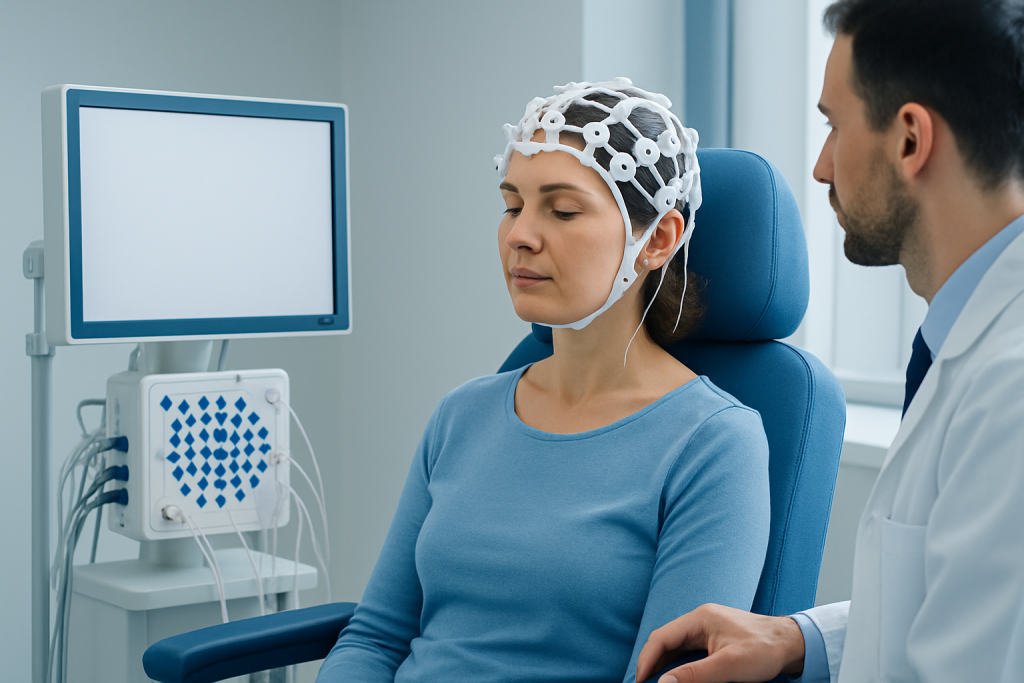
Brain imaging is commonly needed. MRI provides detailed pictures of brain tissue and can show many structural causes, while CT scans may be used more quickly in urgent situations. Depending on the concern, a doctor may also recommend electroencephalography (EEG) for seizures, blood tests for infection or inflammation, or specialized cognitive testing.
When patients travel for evaluation, it helps to bring previous scan reports, discharge summaries, pathology results, and a list of medications. This reduces duplication and allows the neurology team to compare current findings with earlier records. A coordinated review can be especially valuable when the diagnosis is complex or when treatment decisions need to be made during a short stay.
Treatment Options
Treatment depends entirely on the underlying cause. A stroke may require urgent hospital care, medicines to protect brain function, and later rehabilitation. Seizures may be managed with anti-seizure medication and follow-up EEG monitoring. If a tumor is involved, treatment may include surgery, radiation therapy, or systemic therapy depending on the type and location.
When infection or inflammation is the cause, doctors may use antibiotics, antivirals, corticosteroids, or immune-based therapies as appropriate. For traumatic brain injury, care often focuses on monitoring, symptom control, and rehabilitation. Many patients benefit from a multidisciplinary plan that includes neurology, neurosurgery, physiotherapy, occupational therapy, speech-language therapy, and neuropsychology.
Recovery can be gradual, and some symptoms improve faster than others. Rehabilitation is often as important as the initial treatment because it helps the brain adapt and regain function. For international patients, a clear discharge plan, medication instructions, and follow-up schedule are essential so care can continue smoothly after returning home.
Prevention & Self-care
Not every condition affecting the cerebral cortex can be prevented, but some steps can lower risk or support recovery. Managing blood pressure, diabetes, and cholesterol helps reduce stroke risk. Avoiding tobacco, limiting alcohol, wearing seatbelts, and using protective gear during sports or high-risk work can also reduce injury.
Self-care after a cortical illness is usually practical and steady rather than dramatic. Patients are often advised to take medicines as prescribed, keep follow-up appointments, sleep regularly, and watch for new or changing symptoms. Family members may help by supporting routines, noting memory or speech changes, and keeping a simple symptom diary.
- Take prescribed medicines consistently and do not stop them without medical advice.
- Follow rehabilitation exercises at home if they are recommended.
- Use written reminders, calendars, or phone alerts if memory or attention is affected.
- Rest enough, stay hydrated, and maintain regular meals.
- Ask the care team when it is safe to travel, drive, or return to work.
For patients returning to another country, it is wise to leave with a written treatment summary and contact details for the treating team. That makes it easier for local physicians to continue care without interruption.
When to See a Doctor
A person should seek medical evaluation if new neurological symptoms appear, even if they seem mild at first. Ongoing headache with weakness, confusion, speech difficulty, repeated seizures, or unexplained behavior change deserves prompt assessment. Sudden symptoms are especially important because some causes, such as stroke, need urgent treatment.
It is also sensible to schedule a specialist visit when symptoms are gradually changing, affecting work or daily life, or following a head injury. People with known neurological conditions should contact their doctor if seizures change pattern, memory declines, or side effects from medication become troublesome.
If treatment is being planned abroad, patients may choose a center that can offer coordinated imaging, neurology review, and rehabilitation planning in one pathway. Acibadem Health Point’s multidisciplinary specialists and JCI-accredited hospitals diagnose and treat neurological conditions for international patients, with attention to continuity of care before departure and after return.
Living With Cortical Disorders
Living with a cerebral cortex disorder often means adjusting to changes in thinking, speech, movement, or energy. Many people improve with the right combination of treatment, rehabilitation, and time, but the pace of recovery can vary. Small gains, such as reading more easily or walking more steadily, can be meaningful markers of progress.
Support from family, therapists, and the medical team can make everyday life easier. Simple routines, consistent sleep, and realistic activity goals often help patients feel more in control. Emotional support matters too, because neurological symptoms can be frustrating and may affect confidence or independence.
Questions about prognosis are best answered by the treating neurologist, who can interpret the person’s scans, exam findings, and response to therapy. Each case is different, and the most useful plan is one that is tailored, reviewed regularly, and adjusted as recovery unfolds.
Frequently Asked Questions
The cerebral cortex is a broad topic, and patients often have practical questions about what it means in real life. The answers below focus on the concerns people most often raise when they are learning about symptoms, testing, and treatment.
Understanding the basics can make specialist visits less stressful, especially when decisions need to be made quickly or across countries. Clear information also helps families know what to watch for after discharge.
Frequently asked questions
What does the cerebral cortex do?
The cerebral cortex helps with thought, language, memory, sensation, vision, and voluntary movement. It is the part of the brain that supports many of the actions people use to interact with the world each day. Different areas have different roles, so symptoms depend on where the problem is located.
Can problems in the cerebral cortex cause seizures?
Yes. Abnormal activity in the cortex is a common source of seizures. A neurologist may use a history, brain imaging, and an EEG to help find the cause and guide treatment.
Are cortical symptoms always permanent?
Not necessarily. Some symptoms improve after treatment, rehabilitation, or recovery from an acute problem such as infection or stroke. The outlook depends on the cause, the size and location of the affected area, and how quickly care begins.
What tests are used to check the cerebral cortex?
Doctors often start with a neurological exam and brain imaging, usually MRI or CT. Depending on the symptoms, they may also order EEG, blood tests, or cognitive testing. The goal is to identify the underlying cause rather than just the symptom itself.
Can someone travel for treatment if they have a cortical disorder?
Many patients can, but timing and safety depend on the diagnosis and current symptoms. A doctor should confirm whether travel is appropriate and what precautions are needed, especially after stroke, surgery, or seizure activity.
What is the difference between the cerebral cortex and the brain overall?
The brain includes many structures that work together, while the cerebral cortex is the outer layer responsible for higher-level functions. Other brain regions help control balance, movement, sleep, and vital body processes, so a full neurological assessment looks beyond the cortex alone.
References
- World Health Organization
- National Institute of Neurological Disorders and Stroke
- Mayo Clinic
- American Stroke Association
- Merck Manual Professional Edition
This article is for general information only and is not a substitute for professional medical advice. Please consult a qualified doctor about your individual situation.