Parts Of The Brain

Key Takeaways
- The brain is organized into major regions, each with distinct but overlapping functions.
- Symptoms such as weakness, speech changes, severe headaches, or balance problems can point to different brain areas.
- Brain problems are diagnosed with a history, neurological exam, and often imaging or other tests.
- Treatment depends on the cause and may include medication, rehabilitation, surgery, or observation.
- Prompt medical evaluation is important when symptoms begin suddenly or change quickly.
The brain is the body’s control center, made up of several connected parts that manage movement, memory, speech, sensation, and vital functions. Understanding these regions can help patients make sense of symptoms, testing, and treatment discussions with a neurologist.
Overview
The brain is often described as one organ, but it is really a collection of specialized parts working together. Each region helps with different tasks, from breathing and balance to memory, language, judgment, and emotion. When people ask about the parts of the brain, they are usually trying to understand why a symptom affects one ability and not another.
The largest part of the brain, the cerebrum, handles thought, voluntary movement, speech, and many senses. Beneath and behind it sit the cerebellum and brain stem, which are essential for coordination and basic life functions. Smaller structures deep inside the brain help with learning, hormones, alertness, and memory.
For patients, this map can be useful in everyday medical conversations. If a doctor explains that weakness, vision changes, or trouble with balance may involve a certain area, it becomes easier to understand why specific tests or treatments are recommended. That understanding can be especially reassuring when care is being arranged from another country and follow-up plans need to be clear.
Main Parts of the Brain and What They Do
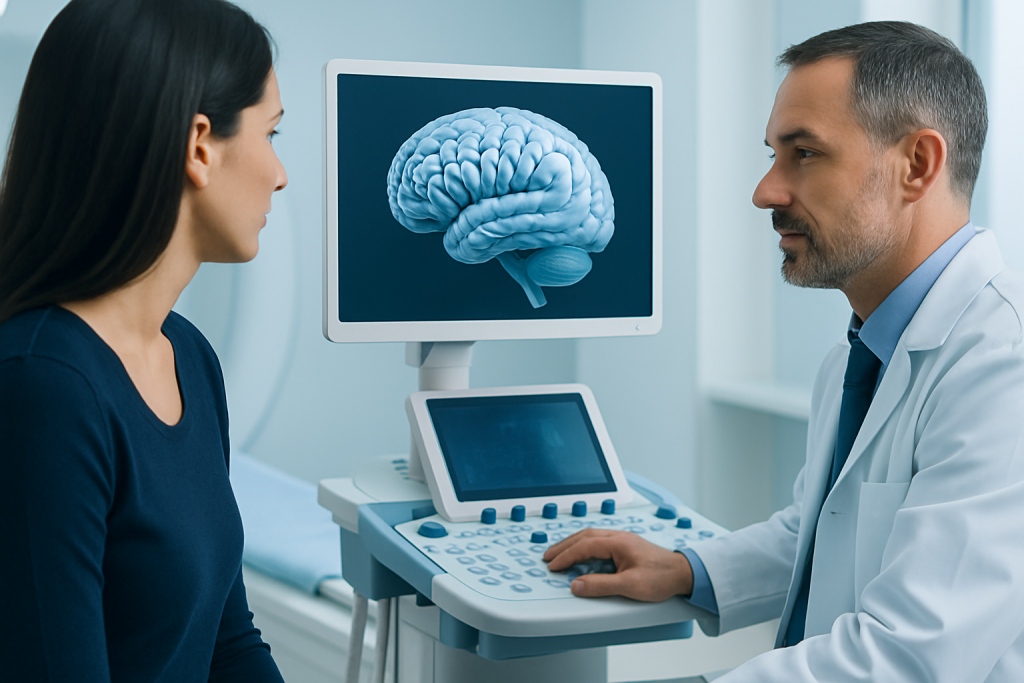
The brain is commonly divided into three major parts: the cerebrum, cerebellum, and brain stem. Each has a primary role, although they constantly communicate with one another through nerve pathways. This teamwork allows a person to move, speak, remember, and respond to the world around them.
The cerebrum is the largest section and is divided into the right and left hemispheres. Its outer layer, the cerebral cortex, is involved in thinking, planning, interpreting senses, and controlling voluntary movements. Different lobes within the cerebrum have different jobs: the frontal lobe helps with decision-making and behavior, the parietal lobe processes touch and spatial awareness, the temporal lobe supports hearing and memory, and the occipital lobe handles vision.
The cerebellum, located at the back of the head under the cerebrum, coordinates movement, posture, and balance. It helps movements feel smooth and accurate rather than jerky or unsteady. The brain stem connects the brain to the spinal cord and regulates vital functions such as breathing, heart rate, swallowing, and alertness. Deep brain structures such as the thalamus, hypothalamus, hippocampus, and basal ganglia support sensory relay, temperature control, memory, and movement control.
- Frontal lobe: planning, personality, speech production, and voluntary movement
- Parietal lobe: touch, pressure, and body position
- Temporal lobe: hearing, language understanding, and memory
- Occipital lobe: vision
- Cerebellum: balance and coordination
- Brain stem: breathing, heart rate, swallowing, and consciousness
Symptoms That Can Point to Different Brain Areas
Brain-related symptoms do not always point to one exact location, but patterns can offer clues. For example, weakness on one side of the body may suggest involvement of motor pathways in the cerebrum or brain stem, while clumsiness and poor balance may suggest the cerebellum. Problems with speech, memory, or visual processing may point to specific lobes of the cerebrum.
Some symptoms are subtle at first. A person may notice difficulty finding words, reading, concentrating, or judging distance. Others are more obvious, such as sudden severe headache, vision loss, confusion, numbness, seizures, dizziness, or a change in personality or behavior. Because the brain controls so many functions, symptoms can vary widely from one condition to another.
It is also important to remember that symptoms can come from several causes, not only a structural brain problem. Migraine, infection, inflammation, stroke, head injury, or a medication effect may all produce similar complaints. A medical evaluation helps separate routine concerns from those that need urgent attention.
Causes and Risk Factors
Many different conditions can affect the brain. Some are temporary, such as concussion or certain infections, while others are chronic, such as epilepsy, multiple sclerosis, dementia, or brain tumors. Stroke is another major cause of sudden brain symptoms, and it happens when blood flow to part of the brain is interrupted or when a blood vessel bleeds.
Risk factors depend on the condition. High blood pressure, diabetes, smoking, abnormal cholesterol, and heart rhythm problems can raise stroke risk. A history of head trauma may increase the chance of concussion-related issues. Some brain conditions are linked to genetics, immune activity, aging, or long-term exposure to certain substances.
Because the brain is protected by the skull and surrounded by delicate tissues, even a small change can affect function. That is why doctors often ask detailed questions about when symptoms started, whether they are constant or intermittent, and whether they change with movement, rest, fever, or medication use. This history helps narrow the list of possible causes before testing begins.
How Doctors Diagnose Brain Problems
Diagnosis usually begins with a careful discussion of symptoms and a neurological examination. During this exam, the clinician checks strength, reflexes, coordination, sensation, speech, eye movements, and mental status. These findings help show whether the issue likely involves the cerebrum, cerebellum, brain stem, or another part of the nervous system.
Imaging is often the next step when a structural problem is suspected. CT scans can be helpful in urgent situations, especially after injury or when bleeding is a concern. MRI scans provide more detailed pictures of soft tissue and are often used to look for stroke, inflammation, tumors, or degenerative changes. In some cases, doctors may recommend EEG, blood tests, spinal fluid testing, or specialized nerve studies.
For international patients, diagnosis may also involve organizing prior records, language support, and a clear schedule for tests over a short stay. That planning can make evaluation more efficient, especially when multiple specialties need to review the same symptoms. A good diagnostic plan explains not only what is being tested, but also what each result could mean for daily life and follow-up care.
Treatment Options
Treatment depends entirely on the cause. Some brain conditions improve with rest, medication, or close monitoring, while others need targeted therapy or surgery. For example, infections may be treated with antimicrobial medicines, seizures with anti-seizure therapy, and inflammation with medicines that calm the immune response. Stroke treatment may focus on restoring blood flow, preventing complications, and reducing the chance of another event.
Rehabilitation is often a key part of recovery. Physical therapy can support strength and balance, occupational therapy can help with daily tasks, and speech therapy can address language or swallowing difficulties. Cognitive rehabilitation may be useful when memory, attention, or problem-solving has been affected. For many patients, recovery is gradual and benefits from repeated assessment rather than a one-time intervention.
In certain cases, surgery is recommended, such as for some tumors, bleeding, hydrocephalus, or pressure on brain tissue. When surgery is not needed, doctors may still recommend lifestyle measures, symptom management, and regular follow-up imaging or visits. The treatment goal is not only to address the diagnosis, but also to protect independence, comfort, and long-term function.
Prevention and Self-care
Not every brain condition can be prevented, but some risks can be lowered. Managing blood pressure, blood sugar, and cholesterol supports healthy blood vessels in the brain. Regular physical activity, not smoking, balanced eating, and following treatment plans for heart or metabolic conditions can also reduce risk for some neurological problems.
Self-care after a brain-related diagnosis should be practical and realistic. Adequate sleep, hydration, medication adherence, and avoiding alcohol or other substances that worsen symptoms may help. If a person has balance issues, home safety measures such as better lighting, clear walkways, and supportive footwear can reduce fall risk. Family members or caregivers can also help by keeping notes about symptom changes, which is especially valuable when care is being coordinated across different countries.
Travel for treatment or recovery should be planned with the medical team. Patients may need to know when it is safe to fly, what medications to continue, and which warning signs should prompt an earlier review. In some cases, Acibadem Health Point’s multidisciplinary specialists and JCI-accredited hospitals support international patients through diagnosis and treatment planning for neurological conditions.
When to See a Doctor
Medical attention is important when brain-related symptoms are new, persistent, or gradually worsening. A person should also be evaluated if headaches are changing in pattern, memory problems are interfering with daily life, or balance and coordination are becoming less reliable. Even symptoms that seem mild can be helpful clues when they are discussed early.
Emergency care is needed for sudden weakness, facial drooping, severe confusion, seizure, fainting, sudden vision loss, or a headache that begins abruptly and intensely. These can be signs of a time-sensitive condition such as stroke, bleeding, or infection. When in doubt, it is safer to seek urgent evaluation rather than wait for symptoms to settle on their own.
For non-urgent concerns, a primary care doctor or neurologist can help decide whether imaging, specialist referral, or monitoring is the best next step. Clear symptom notes, medication lists, and any previous scans or reports can make the visit more productive, especially for patients arriving from abroad with limited time for assessment.
Living With a Brain Condition
Living with a neurological diagnosis often means adjusting routines, not giving up them. Many patients do best when care is organized into manageable steps: treatment, rehabilitation, symptom tracking, and scheduled follow-up. Understanding the affected brain region can help patients and families set realistic expectations for recovery and support.
Emotional health matters too. Changes in speech, movement, or thinking can be frustrating, and some people feel uncertain about how much they can safely do. A supportive care team can help with practical advice, rehabilitation goals, and education for family members. When care is coordinated well, patients are more likely to feel informed and confident about what comes next.
Understanding the parts of the brain does not replace medical evaluation, but it does give structure to the conversation. It helps explain why one symptom may affect walking while another changes memory, and why treatment plans are often personalized rather than one-size-fits-all.
Frequently asked questions
What are the main parts of the brain?
The main parts are the cerebrum, cerebellum, and brain stem. Doctors also often discuss deeper structures such as the thalamus, hypothalamus, hippocampus, and basal ganglia because they support important functions like memory, hormone control, and movement.
Which part of the brain controls memory?
Memory involves several areas, especially the temporal lobes and the hippocampus. Memory is a network function, so problems with recall may reflect more than one brain region.
Which part of the brain controls balance?
The cerebellum is the main center for balance and coordination. The brain stem and sensory pathways also contribute, which is why balance problems can have several possible causes.
Can brain symptoms be caused by something minor?
Yes, some symptoms come from conditions such as migraine, dehydration, medication effects, or minor head injury. However, because serious conditions can look similar, new or sudden symptoms should be assessed by a doctor.
How do doctors know which part of the brain is affected?
They combine the symptom history with a neurological exam and, when needed, imaging such as CT or MRI. The pattern of weakness, speech difficulty, balance changes, or vision loss can help point to a likely area.
When should someone seek urgent help for a brain symptom?
Urgent help is needed for sudden weakness, facial drooping, speech trouble, severe confusion, seizure, fainting, or a sudden intense headache. These symptoms can signal a medical emergency and should not be watched at home.
References
- National Institute of Neurological Disorders and Stroke
- World Health Organization
- Mayo Clinic
- Merck Manual Professional Edition
- Cleveland Clinic
This article is for general information only and is not a substitute for professional medical advice. Please consult a qualified doctor about your individual situation.