Should You Book a Second Opinion Before a Biopsy? Key Questions to Ask

Key Takeaways
- A second opinion can help clarify whether a biopsy is truly needed and what it may show.
- Different biopsy techniques carry different levels of invasiveness, accuracy, and recovery time.
- Patients should ask how results will change treatment decisions before agreeing to the procedure.
- Bringing imaging, pathology, and prior reports to the consultation makes the second opinion more useful.
- A second opinion is especially reasonable when the diagnosis is uncertain, the site is hard to reach, or treatment choices would be significant.
Medically reviewed by the Acıbadem clinical team — June 13, 2026
A biopsy can be an important step in diagnosis, but it is also a decision that deserves clarity. A second opinion before proceeding may help confirm whether the biopsy is necessary, which type is best, and how to prepare safely.
Overview
A biopsy is often recommended when a clinician needs tissue, cells, or fluid to understand what is happening inside the body. For many people, the suggestion arrives after imaging, lab work, or an exam raises a question that cannot be answered with certainty any other way.
That uncertainty is exactly why a second opinion before a biopsy can be worthwhile. It is not a sign of doubt or delay for its own sake; rather, it is a chance to confirm that the right test is being chosen for the right reason, at the right time. In some situations, another specialist may agree with the plan. In others, the second review may suggest a different biopsy approach, a different target area, or a period of observation before proceeding.
For international patients, this conversation can be especially important because the biopsy decision may affect travel plans, timing of treatment, and where follow-up care will happen. A clear second opinion can help a person understand not only what the biopsy is meant to answer, but also how the result will shape the next step in care.
When a second opinion may be especially helpful
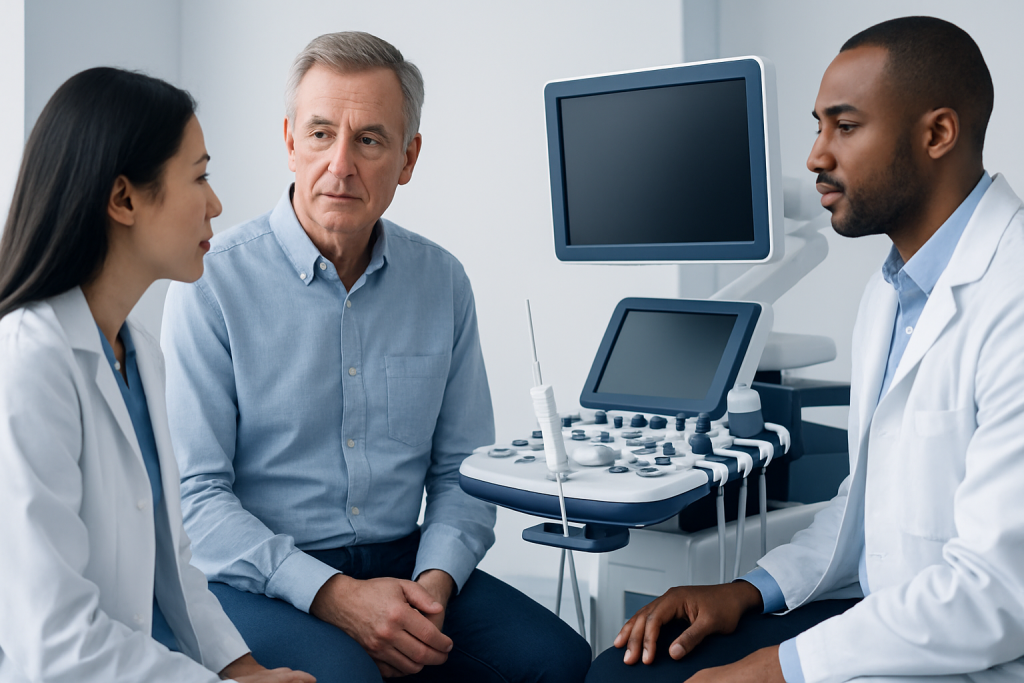
Not every biopsy requires extra consultation, but certain situations deserve a careful pause. If the finding is small, borderline, or difficult to interpret on imaging, a second opinion may help determine whether tissue sampling is necessary right away or whether repeat imaging or close follow-up would be more appropriate.
It can also be helpful when the biopsy will involve a sensitive organ or a hard-to-reach area, such as the lung, liver, breast, thyroid, prostate, bone, or a deep abdominal mass. In those cases, the choice of method matters because different techniques can affect comfort, safety, and the likelihood of getting a clear answer on the first attempt.
Patients often seek a second opinion when they are also being asked to make treatment decisions quickly. If a biopsy result could lead to surgery, chemotherapy, radiation, or another major intervention, understanding whether the biopsy is necessary—and how it should be done—can provide valuable confidence.
- When the diagnosis is still unclear after initial tests
- When the proposed biopsy site is difficult to access
- When the result may lead to major treatment decisions
- When the recommendation feels rushed or not fully explained
- When the patient wants confirmation before traveling for care
Questions to ask before agreeing to a biopsy

The most useful second opinion is built around specific questions. Patients do not need to know medical terminology in advance; they only need a clear sense of what the team is trying to learn and what alternatives exist. A good consultation should leave the person understanding the purpose of the biopsy in practical terms.
Useful questions include: What is the main reason for the biopsy? What conditions are being considered? Is there another test that could provide the same information? If tissue is needed, which method is least invasive while still being reliable? What are the risks, and how often do they happen in this setting? Will results arrive quickly enough to guide treatment in time?
It is also reasonable to ask what happens after the biopsy. Will the sample be reviewed by a pathologist experienced in this type of condition? If the result is inconclusive, what is the next step? For people traveling from another country, it can help to ask how quickly records can be shared and whether follow-up can be arranged remotely if needed.
- Why is a biopsy preferred over watchful waiting or another test?
- What type of biopsy is being recommended, and why?
- How likely is it that the sample will be adequate for diagnosis?
- What discomfort, recovery time, or activity limits should be expected?
- How will the biopsy result change the treatment plan?
How to prepare for a second opinion consultation
A second opinion works best when the doctor can review the whole story, not just a single scan or note. Bringing prior imaging reports, blood test results, pathology documents if available, medication lists, and any discharge summaries helps the consultant see the full timeline. If images are stored digitally, sharing the actual files can be especially useful because details may not appear in a written report alone.
Patients should also prepare a short written history of symptoms: when they started, whether they have changed, and what has already been tried. If the concern is related to a lump, mass, abnormal mammogram, nodule, or lesion, noting whether it has grown or caused symptoms can guide the discussion.
For people arranging care across borders, practical questions matter too. It helps to know whether the biopsy could be done during the same trip, how long pathology may take, whether a companion is needed, and what kind of follow-up will be required after returning home. These details can make the plan feel more manageable and reduce last-minute stress.
What a second opinion may change
A second opinion does not always overturn the first recommendation. Often, it simply confirms that a biopsy is appropriate and helps the patient understand why. Even that confirmation can be valuable, because it turns an uncertain choice into an informed one.
In some cases, however, the second opinion may affect the plan. The consultant may recommend a different biopsy type, such as a needle biopsy instead of a surgical one, or may suggest targeting a different area that is more likely to give a useful result. Occasionally, the specialist may advise short-interval imaging or laboratory follow-up instead of immediate tissue sampling, depending on the clinical picture.
The opinion may also matter after the procedure. If pathology results are ambiguous, another review of the sample can be requested. This is common in complex cases and can be especially useful when the result will guide major treatment decisions or when the patient is receiving care far from home.
Diagnosis: how biopsy fits into the larger workup
Biopsies are only one piece of the diagnostic process. They are usually considered alongside physical examination, imaging studies such as ultrasound, CT, MRI, mammography, PET scans, or endoscopy, and laboratory tests. The purpose is not simply to “find something,” but to identify the nature of a finding accurately enough to guide safe treatment.
Because the biopsy is part of a broader workup, a second opinion may come from a specialist in radiology, surgery, oncology, pathology, or the organ system involved. In some centers, multidisciplinary review is standard, meaning different experts look at the same case together before the procedure is scheduled. This can be especially reassuring when the diagnosis is complex or time-sensitive.
If the patient has already had imaging elsewhere, the second-opinion team may compare scans over time rather than relying on a single report. That comparison can sometimes show stability, growth, or a pattern that changes the urgency of biopsy. For international patients, having prior films and reports organized in advance can make this review smoother and more accurate.
Prevention & self-care while deciding
There is no way to prevent every biopsy recommendation, because many are prompted by findings that need clarification. Still, patients can take steps that support a safer and calmer decision-making process. The most important is to avoid letting the conversation stay abstract; a person should leave with a clear explanation of what the biopsy is expected to answer and why it matters now.
Keeping a simple folder of records, medications, allergies, and prior procedures can save time and reduce confusion. It can also help to write down questions before the appointment, especially if anxiety makes it easy to forget them in the moment. A trusted family member or companion may help listen, take notes, and compare explanations between different doctors.
If the biopsy is likely to happen, self-care may include confirming whether fasting is required, whether blood-thinning medicines need to be reviewed by the treating team, and what transportation or support will be needed afterward. People who are traveling should also plan for rest time and possible delays in receiving final pathology results.
When to see a doctor
A doctor should be consulted promptly when a new lump, suspicious imaging finding, unexplained bleeding, persistent pain, or an abnormal test result has been identified. It is important not to ignore a recommendation simply because it feels uncomfortable; instead, patients should use the opportunity to ask better questions and confirm the plan.
A second opinion is reasonable if the explanation is unclear, if the recommended procedure feels more invasive than expected, or if the result will influence major treatment choices. It is also sensible when care is being coordinated across countries and the patient wants a plan that fits both the medical situation and the logistics of travel and recovery.
Acibadem Health Point’s multidisciplinary specialists and JCI-accredited hospitals diagnose and treat biopsy-related conditions for international patients, with coordination designed to support clear communication before and after the procedure. Whether the final decision is to proceed with biopsy or to monitor more closely, the goal should always be a well-understood plan made with qualified medical guidance.
Frequently asked questions
Is a second opinion before a biopsy normal?
Yes. Many patients ask for another review when a biopsy is being considered, especially if the diagnosis is uncertain or the procedure may affect major treatment decisions. A second opinion is a standard way to build confidence in the plan.
Can a second opinion mean I do not need a biopsy?
Sometimes it can, but not always. Another specialist may recommend a different test, a different biopsy method, or short-term monitoring if the findings are not urgent or are unlikely to change quickly.
What records should be brought to a second opinion visit?
Imaging reports, scan images if available, pathology reports, blood test results, medication lists, and prior clinic notes are all helpful. A brief symptom timeline can also make the consultation more efficient and useful.
What if the first doctor and the second opinion disagree?
Differences in opinion can happen when findings are complex or borderline. In that situation, it may help to ask both doctors to explain the reasoning, and a multidisciplinary review may provide the clearest path forward.
Does a biopsy always give a definite answer?
Not always. Some samples are inconclusive or do not contain enough tissue, which is why technique and targeting matter. If that happens, the team may suggest repeat sampling or another diagnostic step.
How can international patients prepare for biopsy-related travel?
They should confirm timing, expected recovery, pathology turnaround, and follow-up arrangements before booking travel. It is also wise to ask how records will be shared with doctors back home if ongoing care will continue there.
References
- National Cancer Institute
- Mayo Clinic
- American Cancer Society
- Cleveland Clinic
- World Health Organization
This article is for general information only and is not a substitute for professional medical advice. Please consult a qualified doctor about your individual situation.