Headache Workup Abroad: When Brain Imaging Is Needed and When It Is Not

Key Takeaways
- Most headaches are diagnosed by history and examination, not automatically by imaging.
- CT and MRI are usually reserved for warning signs, unusual patterns, or abnormal exam findings.
- The type of scan depends on the concern: CT is often used for urgent problems, while MRI gives more detail for many non-emergency causes.
- Keeping a headache diary can help doctors abroad understand symptoms quickly and choose the right tests.
- A clear plan for follow-up matters after imaging, especially when travel is involved.
Medically reviewed by the Acıbadem clinical team — June 13, 2026
Not every headache needs a scan. A careful headache workup focuses on the story behind the pain, the physical exam, and only then decides whether CT, MRI, or no imaging at all is the safest next step. For patients seeking care abroad, understanding that pathway can make evaluation more efficient and less stressful.
Overview
Headache is one of the most common reasons people seek medical advice, yet it does not always point to a brain problem. In many cases, the safest and most useful “test” is a careful conversation about how the headache feels, how often it happens, what brings it on, and what changes with time. That approach helps doctors separate primary headaches, such as migraine or tension-type headache, from secondary headaches caused by another condition.
For people arranging care abroad, it can be reassuring to know that brain imaging is not a routine step for every headache. A qualified doctor usually decides between observation, treatment, and imaging after considering age, medical history, symptoms, and the neurologic examination. This avoids unnecessary radiation, expense, delay, and anxiety while still catching the situations where a scan truly helps.
Headache workup abroad often follows the same principles used everywhere else, but international patients may need an especially organized plan. Past records, previous scans, medication lists, and a timeline of symptoms can make consultation more efficient and reduce repeat testing. When the history is clear, doctors can usually decide quickly whether brain imaging is needed now, later, or not at all.
Symptoms
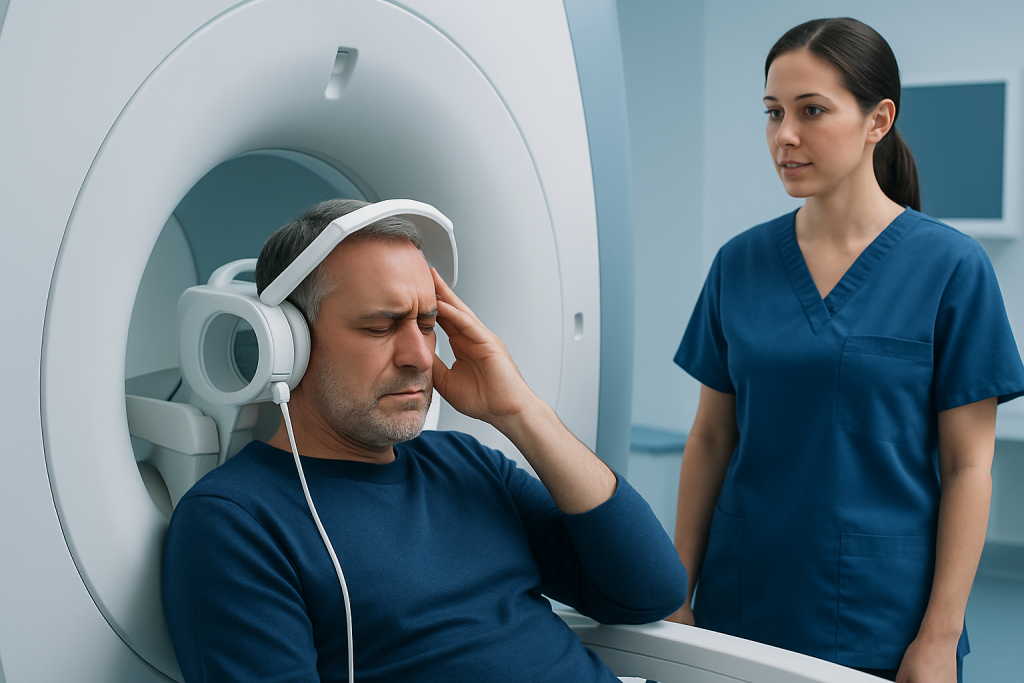
The symptoms that matter most are not just “a headache” but the pattern around it. Doctors ask whether the pain started suddenly or gradually, whether it is the first severe headache of a person’s life, and whether it has been changing over time. They also look for associated symptoms such as nausea, light sensitivity, fever, neck stiffness, weakness, numbness, confusion, fainting, or vision changes.
Some headache features are more reassuring and fit familiar primary headache types. These may include a long history of similar attacks, predictable triggers, relief with usual measures, and a normal neurologic examination. In contrast, a new pattern, a rapidly worsening headache, or headache that behaves differently from past episodes deserves closer attention.
Doctors also pay attention to the setting in which the headache appears. Headache after head injury, during pregnancy, with cancer history, after age 50, or with immune suppression can call for a different level of evaluation. The goal is not to alarm the patient; it is to match the workup to the real risk.
Causes & Risk Factors

Most headaches come from primary headache disorders rather than dangerous structural disease. Migraine, tension-type headache, and cluster headache are common examples. These conditions can be disabling, but they are usually diagnosed clinically, meaning the doctor relies on history and examination rather than brain imaging.
Imaging becomes more relevant when the doctor suspects a secondary headache. Possible causes include bleeding, infection, inflammation, tumor, fluid pressure problems, blood vessel disorders, or complications after trauma. Some of these conditions are uncommon, but they are the reason clinicians look carefully for warning signs before deciding on a scan.
Certain factors increase the chance that imaging may be useful. These include a sudden thunderclap onset, abnormal neurologic findings, fever, cancer history, HIV or another cause of immune suppression, new headache after age 50, headaches that wake the patient from sleep in a concerning pattern, or headaches that are steadily worsening. Travel does not create these risks, but it can make it more important to bring medical documentation and seek timely assessment.
- New or unusual headache pattern
- Headache with weakness, speech trouble, or seizure
- Headache after injury or in the setting of pregnancy
- Fever, neck stiffness, or confusion
- History of cancer, clotting disorders, or immune suppression
Diagnosis
The diagnostic process usually begins with a detailed interview. Doctors ask when the headaches started, how often they occur, where the pain is located, how intense it feels, how long it lasts, and what makes it better or worse. They also ask about sleep, hydration, stress, hormones, medications, caffeine, recent illness, and family history, because these clues often explain the headache without any need for imaging.
A neurologic examination is a key part of the evaluation. It checks eye movements, facial symmetry, strength, coordination, sensation, speech, and reflexes. If the exam is normal and the history fits a well-known primary headache, many patients do not need a scan. That is often the most evidence-based path.
When imaging is considered, the doctor chooses the test based on the question being asked. CT is often preferred in urgent settings, especially when bleeding or acute injury is a concern, because it is fast and widely available. MRI provides more detailed views of brain tissue and may be preferred for persistent, unusual, or non-emergency headaches. Sometimes doctors also order blood tests, eye examination, or lumbar puncture if the story suggests infection, inflammation, or pressure-related disease.
For patients traveling internationally, it helps to ask what the scan is meant to rule in or rule out. That question can clarify whether imaging is necessary now, whether it can wait, or whether another test would be more informative. If prior images exist, bringing the actual files and reports often prevents duplication.
Treatment Options
Treatment depends on the cause found during the workup. If the headache is a primary headache disorder, care may include lifestyle adjustments, trigger management, acute medicines, and preventive medicines chosen by a doctor. If the headache is secondary, treatment focuses on the underlying cause, which may require urgent care, procedures, or specialist follow-up.
Imaging itself is not treatment, but it can guide treatment by showing whether the headache needs emergency management or can be handled more conservatively. For example, a normal scan in the right clinical context can be very reassuring and can help the doctor and patient focus on migraine or tension-type care. On the other hand, an abnormal scan can direct the next steps quickly and safely.
For international patients, treatment planning should include what happens after the scan. That may mean a same-day review, a short observation period, a specialist consultation, or a follow-up plan that can be continued at home. Clear written instructions are especially helpful when the patient is returning to another country.
Prevention & Self-care
Prevention starts with patterns. A headache diary can record timing, duration, location, intensity, possible triggers, menstrual cycle timing, sleep, meals, hydration, stress, and medication use. This information is often more valuable than people expect, because it helps doctors distinguish recurrent migraine from a newer process that needs imaging.
Basic self-care measures can reduce the burden of common headaches: steady sleep, regular meals, enough fluids, moderate caffeine use, physical activity, and stress management. It is also important to avoid overusing pain relievers, since frequent use can lead to medication-overuse headache. Patients should follow a doctor’s guidance on how often rescue medicines are appropriate.
Before traveling for a headache evaluation, patients can prepare by gathering previous records, scan reports, medication lists, and a short timeline of symptoms. If symptoms are ongoing, they should write down whether the headache is changing, what new symptoms are present, and what has already been tried. This makes the first appointment more productive and can reduce unnecessary repeat testing.
When to See a Doctor
Medical review is advisable when headaches are new, progressively worse, clearly different from a person’s usual headaches, or not responding to familiar measures. A doctor should also be consulted if headaches interfere with daily life, begin after head trauma, or occur alongside other symptoms such as fever, persistent vomiting, vision changes, weakness, numbness, or confusion.
Emergency assessment is important for a sudden, severe “worst headache,” headache with seizure, trouble speaking, loss of consciousness, chest pain, or new neurologic symptoms. These situations may require urgent imaging and rapid treatment. Even then, the aim is not to assume the worst; it is to rule out dangerous causes as efficiently as possible.
Patients planning care abroad should seek a clinic that can coordinate consultation, imaging, interpretation, and follow-up in one pathway when possible. Acibadem Health Point’s multidisciplinary specialists and JCI-accredited hospitals diagnose and treat headache-related conditions for international patients, with attention to continuity of care after travel. The most helpful next step is usually a structured evaluation, not a rushed scan.
What the Different Brain Scans Do
Not all imaging answers the same question. A CT scan is fast and useful when doctors are worried about bleeding, major trauma, or other urgent problems. MRI takes longer but provides more detailed information about brain structures and is often better for non-emergency evaluation of persistent or atypical headaches.
In some cases, doctors may not need brain imaging at all but may instead recommend imaging of the blood vessels, eyes, sinuses, or neck depending on the symptoms. The right test is the one that matches the suspected cause. Ordering a scan “just to be safe” can sometimes create false alarms or incidental findings that do not explain the headache.
Patients abroad may want to ask how long results will take and who will explain them. A clear discussion of the findings matters as much as the images themselves, because the value of testing depends on how the results change the plan. Good headache workup is as much about interpretation as it is about technology.
Frequently asked questions
Do all headaches need a brain scan?
No. Many headaches are diagnosed based on the history and neurologic examination alone. Imaging is usually reserved for headaches with warning signs, unusual features, or abnormal exam findings.
What warning signs suggest imaging may be needed?
Sudden severe headache, new neurologic symptoms, fever, neck stiffness, head injury, cancer history, immune suppression, or a new headache after age 50 are common reasons doctors consider imaging. A changing pattern or a headache that is very different from past headaches also deserves evaluation.
Is CT better than MRI for headaches?
Neither is always better; each answers a different question. CT is often used in urgent situations because it is quick, while MRI gives more detail and is often preferred for non-emergency evaluation.
Can a normal scan rule out every headache cause?
No single test rules out everything. A normal scan can be reassuring for many dangerous structural causes, but the doctor still uses symptoms, examination, and follow-up to decide the next steps.
Should a patient bring old scans when seeking care abroad?
Previous images and reports can help doctors compare changes over time and avoid repeating tests that have already been done.
What should a patient ask before agreeing to imaging?
It is reasonable to ask what the scan is intended to find, whether it is urgent, and how the result would change treatment. Those questions help ensure the test is appropriate and useful.
References
- World Health Organization
- National Institute of Neurological Disorders and Stroke
- American Academy of Neurology
- American College of Radiology
- Mayo Clinic
This article is for general information only and is not a substitute for professional medical advice. Please consult a qualified doctor about your individual situation.