Can You Fly After a Biopsy or Scan? What Imaging Teams Consider First

Key Takeaways
- A scan alone often does not restrict flying, but a biopsy may require a waiting period or specific precautions.
- Sedation, contrast agents, and the biopsy site itself can affect when travel is safe.
- Red-flag symptoms such as heavy bleeding, shortness of breath, or worsening pain should be assessed before boarding.
- Long flights add dehydration, immobility, and access-to-care issues that matter after some procedures.
- The safest answer comes from the team that performed the test, since advice depends on the exact procedure and recovery.
- International patients should plan follow-up care before leaving, especially if the procedure was done abroad.
Medically reviewed by the Acıbadem clinical team — June 13, 2026
Whether it is safe to fly after a biopsy or scan depends on the type of procedure, whether sedation or contrast was used, and how the person feels afterward. Imaging teams look first at bleeding risk, pain, swelling, and any special aftercare instructions before giving travel advice.
Overview
“Can you fly after a biopsy or scan?” is one of those practical questions that matters most when the procedure is done away from home. The answer is not the same for everyone, because a CT scan, an MRI, an ultrasound-guided biopsy, and a bone biopsy do not carry the same aftercare needs.
In many cases, a routine scan does not prevent air travel at all. A biopsy is different: even when the procedure is minimally invasive, the body may need time to settle, and the team may want to confirm there is no bleeding, severe pain, or reaction to medication before the person leaves for a flight.
Imaging teams usually think in a very practical order: Was sedation used? Was contrast given? Is there any risk of bleeding, air leak, or swelling at the biopsy site? Does the person need to keep a bandage in place or avoid lifting? These details often matter more than the name of the test itself.
What Symptoms Usually Mean Flying Is Fine — and What Does Not
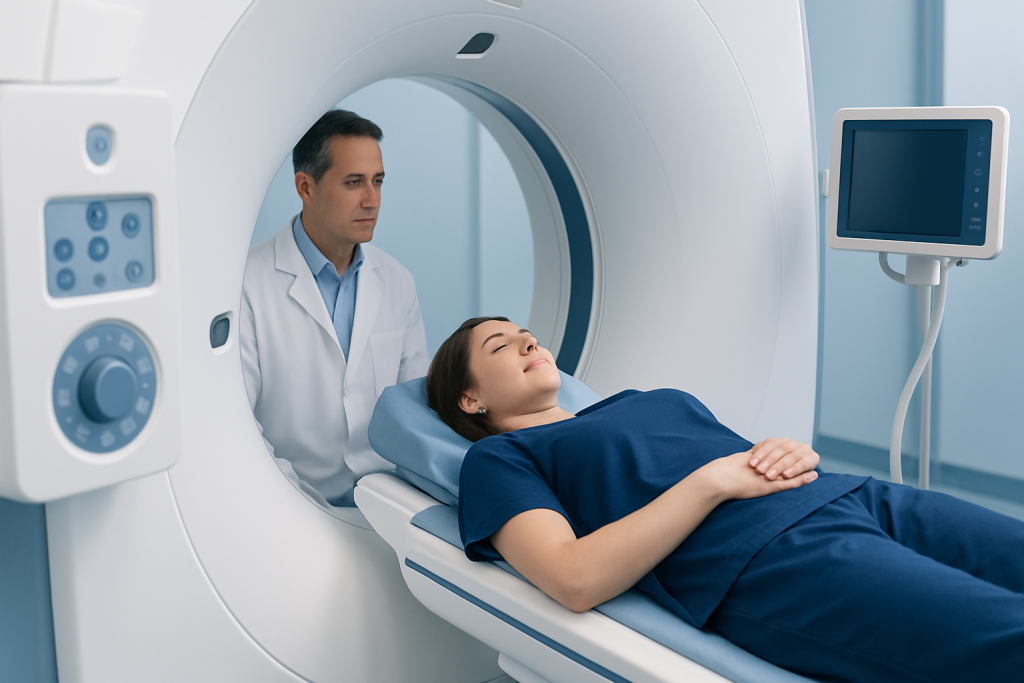
After a straightforward scan, many people feel completely normal. If the only experience was lying still during an MRI, CT, or ultrasound, and there was no sedative medication, flying is often possible unless the doctor has given a different instruction.
After a biopsy, “feeling fine” usually means the person has mild or improving soreness only, no active bleeding, no expanding bruising, and no dizziness or weakness. The biopsy site should be stable enough that walking through an airport, sitting for a period of time, and handling luggage will not worsen recovery.
It is a good idea to pause travel plans if there is:
- Bleeding that soaks through the dressing
- Increasing swelling, tightness, or redness at the site
- Shortness of breath, chest discomfort, or coughing blood
- Faintness, nausea, or unusual drowsiness after sedation
- Fever or chills after the procedure
These symptoms do not always signal a serious problem, but they do deserve medical review before a flight, especially if the person is traveling internationally and would be far from the imaging center.
Why the Procedure Type Matters

Not all biopsies and scans place the same demands on the body. A skin biopsy, for example, may need only a small dressing and a brief period of observation. A liver, lung, kidney, or deep tissue biopsy can call for more caution because of the location, the chance of bleeding, and the possibility that pain may increase with movement or pressure changes.
Scans can also vary. A plain X-ray usually has no recovery period. A CT or MRI may involve contrast material, which is usually well tolerated, but the team may still ask about kidney function, allergies, hydration, or a prior reaction. If sedation or anesthesia was used for the scan, the person should not fly until alertness has fully returned and a clinician confirms it is safe.
Some procedures involve special considerations that are easy to overlook when arranging a trip home. Lung biopsies may require a chest X-ray before discharge to check for complications such as a small pneumothorax. Certain abdominal biopsies may come with lifting limits or instructions to avoid long periods of sitting without movement. These are not routine obstacles, but they are the reasons the aftercare sheet matters so much.
How Imaging Teams Decide Whether Travel Is Safe
Before giving the go-ahead, the imaging or procedure team usually reviews the same core points. This is especially true for international patients, where the next available flight may be the one that matters most.
- Was a sedative used? If so, the person may need to wait until fully awake, steady, and able to make decisions.
- Was contrast used? Some people are monitored for a short time afterward for allergy-like symptoms or to ensure they are drinking enough fluids.
- Is the biopsy site stable? The team checks for bleeding, swelling, or signs that the area is not healing as expected.
- Could cabin pressure matter? This is especially relevant after some chest, eye, or gas-related procedures.
- Is follow-up needed soon? A trip may be reasonable only if the person can still reach a doctor quickly if problems appear.
The safest travel decision is rarely based on a generic timeline alone. It is based on what was done, how the person responded, and what the clinician saw during the immediate recovery period.
For patients traveling back to another country, the team may also think about access to medications, keeping dressings clean, and whether a local doctor will be available if results or pathology follow-up are pending.
Common Tests and Procedures: General Travel Guidance
Although individual instructions always come first, some broad patterns are helpful. After a routine diagnostic scan without sedation, flying is often not restricted. After a simple superficial biopsy, short travel may be fine once the site is dry and comfortable, but the person should still follow the clinician’s specific instructions.
After deeper biopsies, the advice may be more cautious. A person may be asked to rest for a period, avoid strenuous activity, and wait until the team is satisfied that bleeding risk is low. For lung-related procedures, the concern is not only the puncture site but also the possibility of chest complications that need to be ruled out before departure.
When a biopsy is done as part of a cancer workup, travel planning may also include whether results will be reviewed soon, whether additional imaging is expected, and whether a treatment plan needs to be started without delay. In those situations, flying can be possible, but it should be coordinated carefully so that diagnostic momentum is not lost.
Prevention & Self-care Before a Flight
Good self-care after a biopsy or scan often looks simple, but it makes a meaningful difference during travel. The first step is to keep the discharge instructions accessible, whether on paper or on a phone, since those notes usually give the most accurate guidance for the exact procedure.
Hydration is helpful after many scans, especially if contrast was used and the care team recommended drinking fluids. Light meals, rest, and slow position changes can reduce dizziness and make the airport experience easier. If pain medicine or sedation was used, it is wise to avoid carrying heavy bags and to have another person assist with navigation and luggage.
Before boarding, the person should also think about practical recovery needs:
- Keep the dressing clean and dry as instructed
- Pack any prescribed medicines in carry-on luggage
- Avoid vigorous stretching or lifting if the area is sore
- Arrange a seat that allows standing and walking when appropriate
- Know where to seek help at the destination if symptoms change
For long-haul flights, moving the legs regularly and staying hydrated can support comfort and circulation. If a clinician has advised movement restrictions for a specific biopsy, those instructions should take priority over standard travel tips.
When to See a Doctor Before Boarding
It is sensible to contact the procedure team or a doctor before flying if there is any uncertainty about the recovery course. A quick check is especially important when a person has had sedation, a chest procedure, or a biopsy near a major organ, or if the trip is long and there will be limited access to care on arrival.
Urgent medical advice is needed if there is heavy bleeding, severe or worsening pain, trouble breathing, new chest symptoms, confusion, fainting, or a rapidly enlarging bruise or swelling. Fever after a biopsy also deserves attention, because it may indicate infection or another complication that should be assessed before travel.
People who have had imaging or biopsy care abroad should make sure they leave with written instructions, a summary of the procedure, and a plan for reviewing results. Acibadem Health Point’s multidisciplinary specialists and JCI-accredited hospitals diagnose and treat these conditions for international patients, helping coordinate care before departure and during follow-up when needed.
Recovery Travel: A Few Questions to Ask Before Leaving
It helps to ask a few specific questions rather than relying on a general “yes” or “no.” The most useful question is often: “What would make travel unsafe in my case?” That invites the clinician to explain what to watch for in the first hours or days after the procedure.
Another practical question is whether the person should delay flying until pathology results or a post-procedure check are complete. In some cases, a short delay can prevent a much larger disruption later if an unexpected finding or complication appears.
When patients are already planning an international trip, the conversation should also include who to contact after landing, whether records will be shared electronically, and what symptoms mean they should seek urgent help. Clear planning can make recovery feel calmer and more manageable, even when the procedure itself was small.
Conclusion
Flying after a biopsy or scan is often possible, but the right answer depends on the exact procedure and the person’s immediate recovery. The key considerations are usually sedation, bleeding risk, discomfort, contrast use, and whether any special monitoring is needed before departure.
Patients do best when they use the instructions from the team that performed the test, rather than assuming all scans or all biopsies are the same. That is especially important for international travelers, because once the plane takes off, access to the original care team may be limited.
With a little planning and the right medical guidance, many people can travel safely and continue recovery without unnecessary delay.
Frequently asked questions
Can a person fly right after a CT or MRI scan?
Often yes, if the scan was routine and no sedation was used. If contrast or sedating medicine was involved, the care team may recommend a short wait and simple precautions before travel. The safest answer depends on the exact scan and how the person feels afterward.
Is flying after a biopsy always restricted?
No. Some biopsies need only a brief recovery period, while others require more caution because of bleeding risk, pain, or the possibility of a complication. The type and location of the biopsy matter a great deal.
Why do doctors worry about flying after sedation?
Sedation can cause sleepiness, slower reaction time, and imbalance even after the procedure is over. A person should be fully alert and able to move safely before going through the airport or boarding a plane.
What if the biopsy site starts bleeding before the flight?
The person should contact the procedure team promptly and not ignore ongoing bleeding. Heavy bleeding, increasing swelling, or severe pain should be checked before traveling, since these can mean the site needs medical review.
Does cabin pressure affect every biopsy or scan recovery?
No, but it can matter after certain chest, eye, or gas-related procedures. That is why the team asks about the exact procedure instead of giving a one-size-fits-all answer.
What should international patients bring when traveling after a procedure?
They should carry discharge instructions, procedure notes, medication details, and contact information for the treating clinic. These documents can be very helpful if symptoms change during the trip or if follow-up care is needed after arrival.
References
- RadiologyInfo.org
- American College of Radiology
- Mayo Clinic
- National Health Service
This article is for general information only and is not a substitute for professional medical advice. Please consult a qualified doctor about your individual situation.