What to Expect During an Endoscopy Pathway: Booking, Sedation, and Recovery Timing

Key Takeaways
- Endoscopy is commonly used to look inside the digestive tract and help explain symptoms such as reflux, pain, bleeding, or swallowing problems.
- Booking usually includes a clinical review, pre-procedure instructions, and a discussion of medicines, allergies, and whether sedation is appropriate.
- Sedation can make the procedure more comfortable, but it may also affect alertness for several hours afterward.
- Recovery is often quick, yet patients may need someone to escort them home and should follow aftercare instructions carefully.
- Most people return to normal activities within a day, though timing depends on the type of endoscopy and whether a biopsy or treatment was done.
Medically reviewed by the Acıbadem clinical team — June 13, 2026
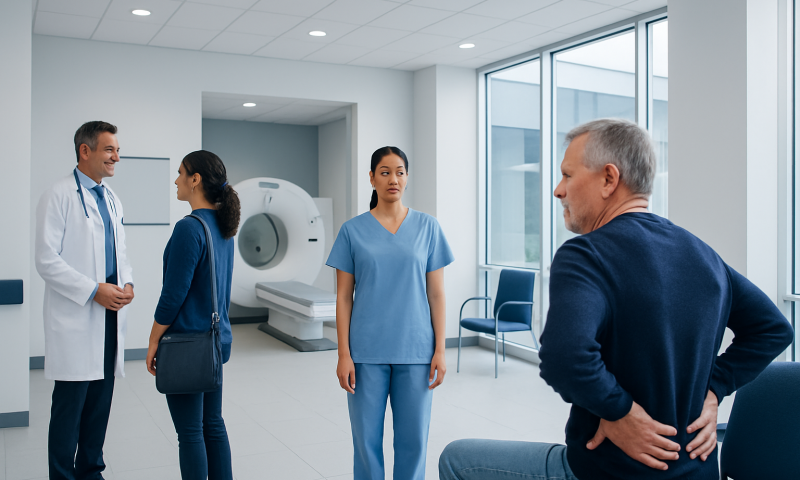
An endoscopy pathway usually involves a referral or booking step, preparation instructions, a short procedure with or without sedation, and a period of recovery before going home. Understanding each stage can make the process feel more predictable, especially for patients traveling for care.
Overview
An endoscopy is a procedure that allows a doctor to view the inside of the digestive tract using a thin, flexible tube with a light and camera. It is commonly used to investigate symptoms, check for inflammation or ulcers, take tissue samples, and sometimes perform small treatments during the same visit.
For many people, the procedure itself is only one part of the journey. The full endoscopy pathway also includes booking, preparation, transport arrangements, sedation planning, the procedure day, and a short recovery period afterward. Knowing how these steps fit together can make the experience feel more manageable and less rushed.
International patients often want a clear picture of timing, especially if they are arranging travel, hotel stays, or a return flight. The details can vary depending on the type of endoscopy, the reason for the test, and the doctor’s recommendations, but the overall pathway is usually straightforward and well organized.
Symptoms and Reasons an Endoscopy May Be Recommended
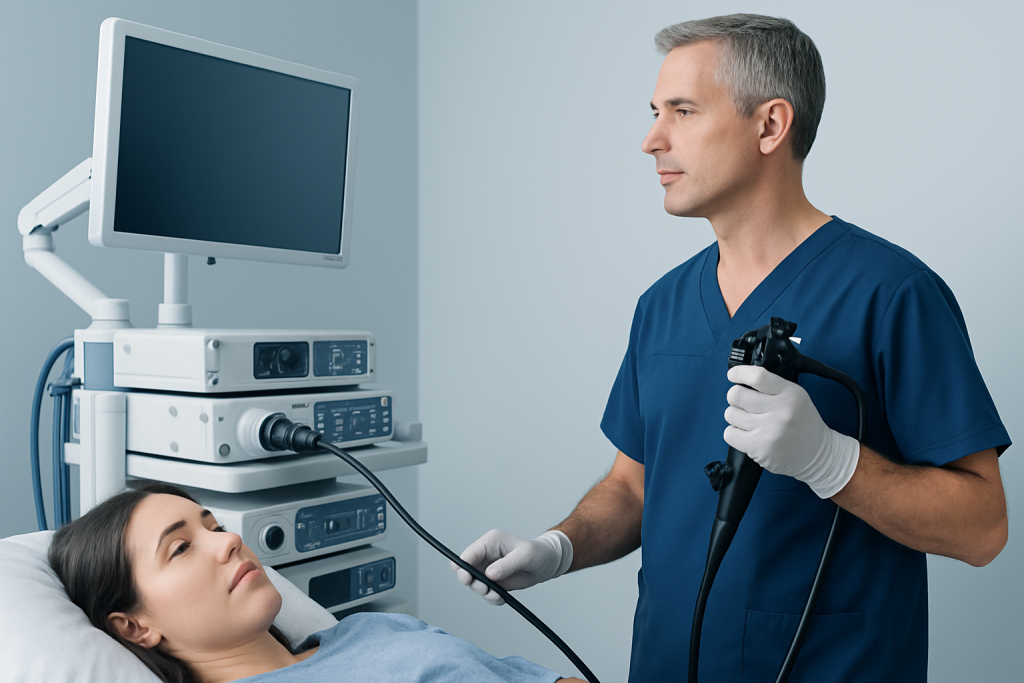
An endoscopy is often recommended when symptoms suggest that the upper digestive tract needs closer inspection. Common reasons include ongoing heartburn or reflux, trouble swallowing, persistent upper abdominal discomfort, nausea, vomiting, unexplained anemia, or signs of bleeding such as black stools or vomiting blood.
Doctors may also suggest endoscopy when scans or blood tests do not fully explain a patient’s symptoms. In some situations, it is used to confirm conditions such as gastritis, peptic ulcers, celiac disease, Barrett’s esophagus, or infections, and it may be combined with biopsy sampling to study tissue under a microscope.
Some people have few symptoms but still need the test because of family history, follow-up of a known condition, or a need to monitor healing. The procedure is not only a diagnostic tool; it can also help guide treatment decisions by showing how severe a problem is and whether it is changing over time.
Causes and Risk Factors
An endoscopy is not performed because of one single cause; it is usually recommended when certain symptoms or medical findings raise concern about the digestive tract. Risk factors that often lead to a referral include chronic reflux, frequent use of anti-inflammatory medicines, a history of ulcers, unexplained weight loss, persistent vomiting, or anemia without a clear source.
Other factors may include age, family history of upper digestive conditions, known liver disease, previous stomach or esophageal problems, or abnormal results from earlier tests. In patients with swallowing difficulty or suspected narrowing of the esophagus, endoscopy may be important to understand whether inflammation, scarring, or another issue is present.
Doctors also consider overall safety before scheduling the procedure. Conditions such as heart or lung disease, sleep apnea, bleeding disorders, or medication use can influence the plan, especially if sedation or a biopsy is expected.
Diagnosis and Booking Process
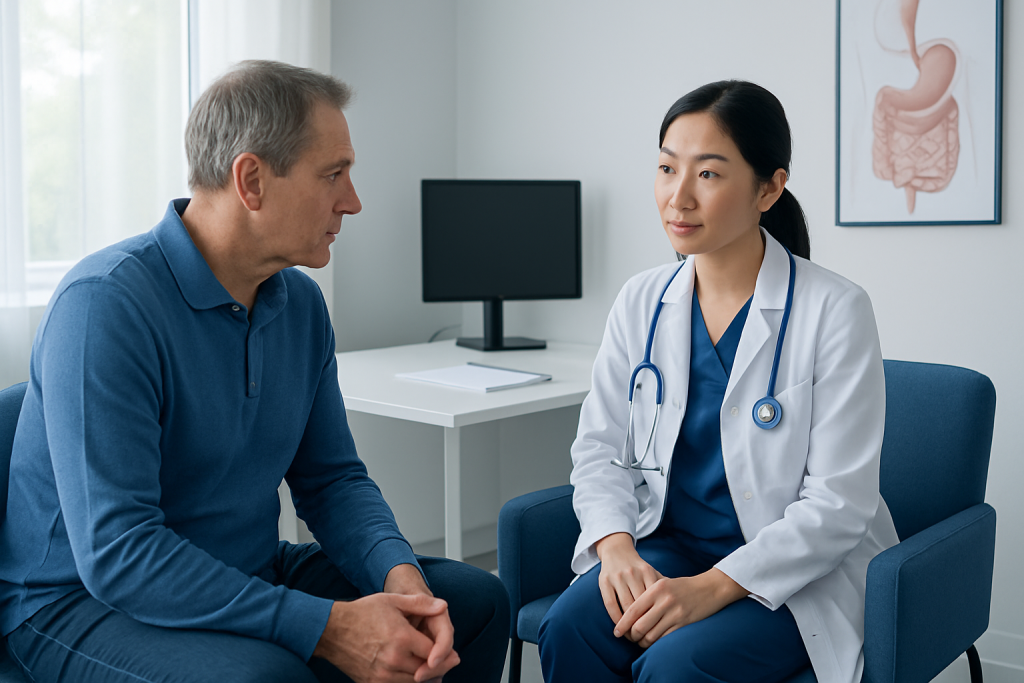
The booking stage is where the pathway becomes more specific. A doctor or specialist usually reviews the patient’s symptoms, previous test results, medications, allergies, and medical history to decide what type of endoscopy is appropriate and how soon it should be done.
Patients are commonly given written instructions about fasting, medication adjustments, and arrival time. They may also be asked about blood thinners, diabetes medicines, prior reactions to sedation, and whether they have any implants or major health conditions that could affect the procedure.
For international patients, this stage may include sharing reports or images from their home country, coordinating language support, and confirming how much time should be set aside for pre-assessment and recovery. If a biopsy is planned, the team may explain that the final pathology result will usually take longer than the procedure itself.
- Clinical review to confirm the reason for the test
- Instructions about fasting and medicines
- Discussion of sedation, transportation, and escort needs
- Planning for biopsy results or follow-up appointments
Treatment Options and What Happens During the Procedure
Although endoscopy is mainly a diagnostic procedure, doctors can sometimes treat a problem at the same time. Depending on findings, they may remove a small polyp, stretch a narrowed area, stop minor bleeding, or take biopsies for laboratory analysis.
On the day of the procedure, patients typically change into a gown and have their identity and medical details checked. If sedation is planned, an intravenous line may be placed so medication can be given to help the patient relax and stay comfortable. The exact level of sedation varies; some patients are drowsy but responsive, while others may remember very little afterward.
During the procedure, monitoring equipment tracks breathing, oxygen levels, blood pressure, and heart rate. The doctor then passes the endoscope gently through the mouth and into the digestive tract. The process is usually brief, and the team works to keep it calm, efficient, and as comfortable as possible.
Sedation and Comfort: What Patients Usually Notice
Sedation is not the same as general anesthesia, and many endoscopies do not require deep sleep. The choice depends on the procedure, the patient’s anxiety level, past experiences, and medical background. Some patients have the test with local throat spray alone, while others prefer light or moderate sedation to reduce discomfort.
Patients who receive sedation often feel relaxed and may not recall much of the procedure. That can be reassuring, but it also means they should not drive, sign important papers, or make major decisions for the rest of the day unless the team gives different instructions.
If sedation is not used, the patient may be awake and able to follow simple instructions during the test. Mild pressure, fullness, or a gagging sensation can occur, especially during upper endoscopy, but the medical team can usually help by adjusting positioning, pace, and breathing guidance.
Recovery Timing and Aftercare
Recovery after endoscopy is often quick. Most patients spend a short time in a recovery area while staff monitor them until the effects of sedation begin to wear off and swallowing, alertness, or comfort return to a safe level.
If sedation was used, grogginess, slowed reflexes, and mild bloating are common for several hours. Once the patient is awake and stable, discharge instructions are usually reviewed, including when to eat, drink, restart medicines, and watch for symptoms that should be reported.
The timing of return to normal activity depends on what was done during the procedure. A simple diagnostic endoscopy may allow a same-day return to light activity, while a biopsy or therapeutic step may require extra caution. International patients should plan recovery time before travel, especially if a long flight or transfer is scheduled soon after the procedure.
- Have a responsible adult escort the patient home if sedation was used
- Follow eating and drinking instructions carefully
- Expect mild throat discomfort or bloating to settle gradually
- Wait for the care team’s guidance before resuming driving or work
Prevention, Self-care, and When to See a Doctor
Endoscopy itself is not usually something patients can prevent, but they can support a smoother pathway by preparing well. Following fasting instructions exactly, bringing a complete medication list, arranging transport, and asking questions before the appointment all help reduce delays and confusion.
After the procedure, self-care is usually simple: rest, drink as advised, and resume meals only when permitted. If a biopsy was taken, patients should wait for instructions about result review and any next steps rather than assuming normal findings.
Medical review is important if symptoms that prompted the test continue, worsen, or return after recovery. It is also wise to contact a doctor promptly if there is severe abdominal pain, repeated vomiting, fever, black stools, chest discomfort, heavy bleeding, trouble breathing, or confusion after sedation. For patients who are arranging care from abroad, a coordinated follow-up plan can make results and next steps much easier to manage. At centers such as Acibadem Health Point, multidisciplinary specialists and JCI-accredited hospitals can diagnose and treat endoscopy-related conditions for international patients in a structured care pathway.
A Practical View for International Patients
When endoscopy is planned across borders, the experience is shaped not only by the medical test but also by timing, language, and logistics. Patients often want to know how many days to allow for consultation, procedure, recovery, and any follow-up discussion of results.
A good pathway usually includes clear pre-arrival communication, help understanding fasting and medication rules, and a realistic plan for when it is safe to travel onward. If biopsies are taken, the team may suggest keeping a flexible schedule until pathology results are available.
That preparation can make the process feel orderly rather than overwhelming. With the right instructions and a responsive care team, most patients move through booking, sedation, and recovery with confidence and very little disruption to their usual routine.
Frequently asked questions
How long does an endoscopy appointment usually take?
The procedure itself is often brief, but the full appointment takes longer because of check-in, preparation, monitoring, and recovery. Patients should usually plan for several hours at the facility, especially if sedation is used.
Will sedation make the procedure painless?
Sedation is intended to improve comfort and reduce anxiety, but the exact experience depends on the type and depth of sedation. Most patients feel relaxed, and many remember little afterward, though some mild pressure or throat discomfort can still occur.
Can a patient go home alone after endoscopy?
If sedation was given, a responsible adult is usually needed to escort the patient home. Even if the patient feels well, reflexes and judgment may still be affected for several hours.
When can normal eating resume after endoscopy?
That depends on the type of procedure and whether sedation was used, so patients should follow the recovery instructions given by the care team. Many people can drink and eat again later the same day, starting with light food if advised.
Why might biopsies be taken during endoscopy?
Biopsies help doctors examine tissue more closely when they need to confirm a diagnosis or understand a finding better. Taking a biopsy does not necessarily mean something serious is suspected; it is often part of careful evaluation.
What symptoms after endoscopy need medical attention?
Severe pain, fever, chest discomfort, persistent vomiting, heavy bleeding, breathing difficulty, or black stools should be reported promptly. These symptoms are not expected after a routine recovery and should be assessed by a doctor.
References
- Mayo Clinic
- Cleveland Clinic
- National Institute of Diabetes and Digestive and Kidney Diseases
- American Society for Gastrointestinal Endoscopy
- World Gastroenterology Organisation
This article is for general information only and is not a substitute for professional medical advice. Please consult a qualified doctor about your individual situation.