

Scolipain
Key Takeaways
- Scolipain may come from muscle strain, joint stress, nerve irritation, or changes in posture linked to spinal curvature.
- Not every person with scoliosis has pain, and not every back pain is caused by scoliosis.
- Diagnosis usually includes a medical history, physical examination, and imaging when needed.
- Treatment may involve observation, physical therapy, pain relief strategies, bracing in selected cases, or surgery for more significant curves.
- Good posture, guided exercise, and follow-up care can help many people manage symptoms more comfortably.
Scolipain is a general term often used to describe pain related to scoliosis or spinal curvature. Understanding what is driving the discomfort can help patients choose the right evaluation, treatment, and self-care approach.
Overview
The word scolipain is not a formal medical diagnosis, but many people use it to describe pain linked to scoliosis or a curved spine. For some, the discomfort feels like a dull ache in the back. For others, it may be tighter muscles, fatigue after standing, or pain that appears after certain activities.
Scoliosis-related pain can be confusing because the spine is only part of the story. Muscles, ligaments, joints, and nearby nerves can all respond to a spinal curve. The result is a very personal pattern of symptoms, which is why a careful evaluation matters more than guessing from the pain alone.
For international patients, the practical question is often not just “What is causing the pain?” but also “What level of care is needed, and how can it be organized safely across borders?” That answer depends on the age of the patient, the size and type of the curve, and whether the pain is mild, persistent, or changing over time.
Symptoms
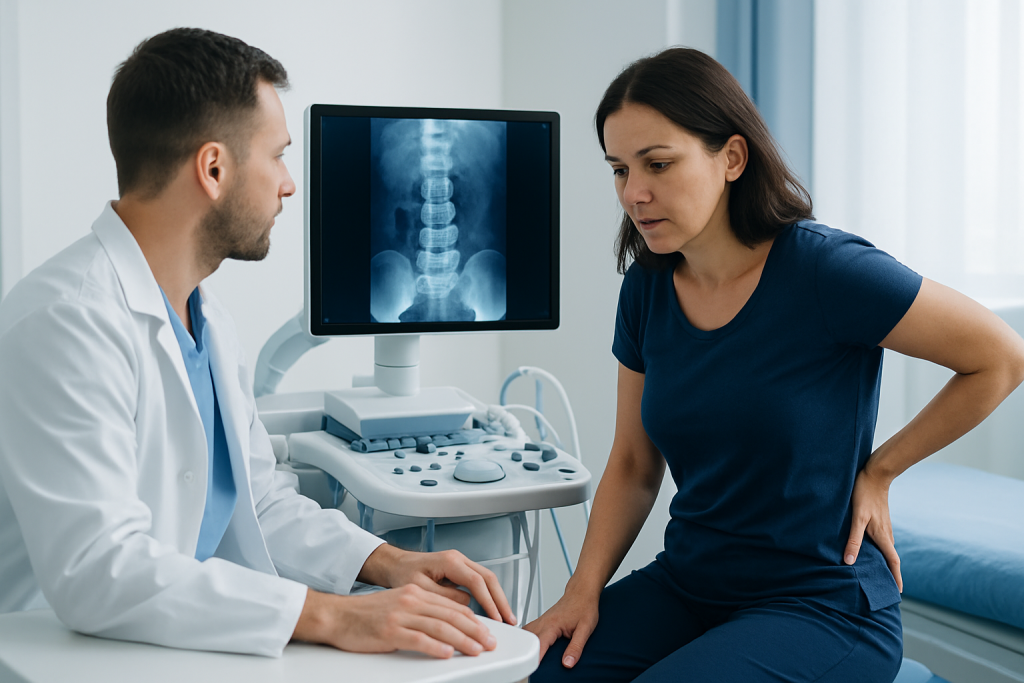
Scolipain may show up in different ways depending on the person’s age and spinal alignment. Some people notice aching along one side of the back, while others feel stiffness after sitting or standing for long periods. In children and teenagers, the pain may be subtle; in adults, it may be more noticeable during work, travel, or exercise.
Common features can include:
- Localized back pain or muscle tightness
- Uneven shoulder or hip discomfort
- Fatigue in the back after activity
- Pain that increases with prolonged sitting, lifting, or twisting
- Occasional tingling or numbness if a nerve is irritated
Pain severity does not always match the size of the spinal curve. A mild curve can still feel bothersome, and a larger curve may cause little discomfort. That is one reason doctors look at both the spine structure and the symptom pattern before recommending treatment.
Causes & Risk Factors
There are several reasons scoliosis-related pain can develop. In some people, the curvature changes how the body carries weight, creating extra strain on back muscles and small spinal joints. Over time, that can lead to soreness, stiffness, or a feeling of imbalance.
Possible contributing factors include:
- Muscle fatigue: muscles work harder to keep the trunk stable
- Postural strain: prolonged sitting, uneven loading, or poor ergonomics
- Degenerative changes: wear and tear in adults can add to pain
- Nerve irritation: less common, but possible when spinal structures crowd nearby nerves
- Curve progression: pain may increase if the curve changes over time
Risk is influenced by age, curve type, previous spinal injury, overall fitness, and whether there is an underlying condition affecting the bones or muscles. In adults, scoliosis pain is often a combination of old curvature and newer degenerative changes rather than a single cause.
Diagnosis
Diagnosis begins with a conversation about when the pain started, where it is felt, and what makes it better or worse. The doctor will also ask about walking, sleeping, sitting tolerance, prior injuries, and any symptoms such as numbness, weakness, or balance problems. This history helps distinguish scoliosis-related pain from other common causes of back pain.
A physical examination usually follows. The clinician may check posture, shoulder height, pelvic alignment, flexibility, muscle strength, and reflexes. If scoliosis is suspected or already known, imaging such as X-rays may be used to measure the curve and observe the spine’s shape more clearly. In some situations, MRI or other tests may be recommended if there are nerve symptoms or another spinal problem is suspected.
For patients planning care from abroad, bringing previous imaging reports, operation notes, and medication lists can make the appointment more efficient. A clear record of symptoms over time also helps the treating team decide whether the pain is stable, mechanical, inflammatory, or nerve-related.
Treatment Options
Treatment depends on the cause of the pain, the degree of curvature, the patient’s age, and how much daily function is affected. Many people improve with non-surgical care, especially when the pain is linked to muscle strain or posture. The goal is not only to reduce pain, but also to protect mobility and make everyday movement easier.
Common treatment approaches include:
- Activity modification: adjusting movement, sitting habits, or lifting patterns
- Physical therapy: strengthening core and back muscles, improving flexibility, and teaching safer movement patterns
- Knee Pain Relief: Causes and Treatment" class="ahp-ilk">Pain relief medicines: general over-the-counter or prescribed options may be used under medical guidance
- Bracing: sometimes used in growing children or adolescents to help limit curve progression
- Injection-based treatments: considered in selected patients when inflammation or nerve irritation plays a role
- Surgery: reserved for specific cases with significant curvature, progression, nerve compression, or severe functional limitation
Patients sometimes expect one treatment to “fix” everything, but scoliosis care is often layered. A doctor may combine several strategies and adjust the plan over time, especially if the person is traveling internationally and needs both an in-person treatment phase and a follow-up plan for home.
Prevention & Self-care
Not every case of scolipain can be prevented, but many symptoms can be made easier to manage. Simple, consistent habits often matter more than short bursts of effort. The focus is usually on reducing strain, supporting spinal alignment, and keeping the body as active as possible without aggravating pain.
Helpful self-care steps may include:
- Maintaining a neutral sitting and standing posture when possible
- Taking movement breaks during long periods of desk work or travel
- Using a chair, pillow, or backpack setup that supports even weight distribution
- Following a home exercise plan recommended by a physiotherapist
- Keeping a healthy body weight, if advised by a doctor
- Staying consistent with follow-up visits, especially for children and teens still growing
International patients should also think ahead about recovery logistics. If treatment involves therapy sessions or post-procedure monitoring, arranging realistic travel dates, mobility support, and local follow-up before returning home can make recovery smoother and less stressful.
When to See a Doctor
Medical evaluation is appropriate when back pain is persistent, getting worse, or interfering with normal activities. It is especially important to see a doctor if the pain is new, the spinal curve appears to be changing, or self-care steps are no longer enough to manage daily comfort.
Prompt assessment is also wise if scolipain comes with warning signs such as weakness, numbness, leg pain, walking difficulty, fever, unexplained weight loss, or changes in bladder or bowel control. These symptoms do not always mean something serious, but they should be checked without delay.
For patients considering Herniated Disc Treatment Abroad: Injection, Rehab, or Surgery?" class="ahp-ilk">treatment abroad, an orthopedic consultation can help clarify whether conservative care is enough or whether a more advanced plan is worth coordinating internationally. Acibadem Health Point notes that its multidisciplinary specialists and JCI-accredited hospitals diagnose and treat scoliosis-related conditions for international patients, with care plans tailored to individual needs and follow-up requirements.
Frequently asked questions
Is scolipain the same as scoliosis pain?
People often use scolipain to mean pain related to scoliosis, but it is not a formal medical term. The underlying cause may be muscle strain, posture changes, joint stress, or nerve irritation associated with a curved spine.
Does scoliosis always cause pain?
No, many people with scoliosis have little or no pain. When pain is present, doctors look for the specific source rather than assuming the curve itself is the only reason.
Can physical therapy help scolipain?
Yes, physical therapy is often a useful part of care. It can improve strength, flexibility, posture control, and movement habits that reduce strain on the back.
When is surgery considered?
Surgery is usually considered only in selected cases, such as significant or progressing curves, nerve compression, or pain and disability that do not improve with other treatments. A spine specialist can explain whether it is appropriate.
What can make scolipain worse during travel?
Long periods of sitting, poor luggage handling, and limited movement breaks can increase stiffness and discomfort. Planning regular stretching, using supportive seating, and pacing activity can help.
Should a child with scoliosis-related pain be seen sooner?
Yes, children and adolescents should be assessed if pain is persistent, increasing, or affecting posture and activity. Early review can help determine whether the curve is changing and whether treatment should be adjusted.
References
- Mayo Clinic
- National Institute of Arthritis and Musculoskeletal and Skin Diseases
- American Association of Neurological Surgeons
- Scoliosis Research Society
- NHS
This article is for general information only and is not a substitute for professional medical advice. Please consult a qualified doctor about your individual situation.
More from the Health Library

Related Specialists
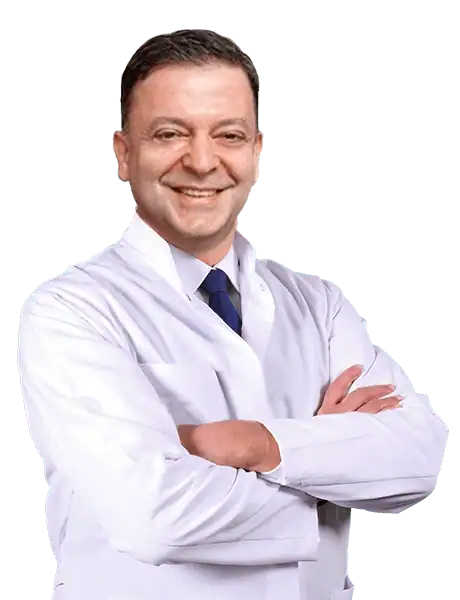
Prof. Dr. Ahmet Alanay
Orthopedic Surgery & Traumatology
Dr. Sinan Aksu
Orthopedic Surgery & Traumatology
Dr. Sirri Baştürk
Orthopedic Surgery & Traumatology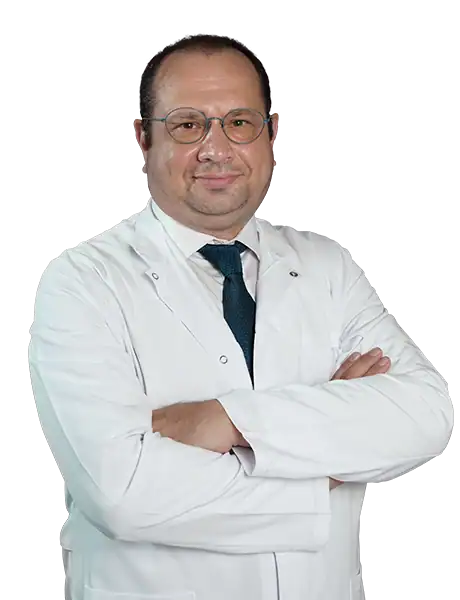
Prof. Dr. Korhan Özkan
Orthopedic Surgery & Traumatology