What Causes Elbow Pain

Key Takeaways
- Elbow pain is often linked to overuse, strain, tendon irritation, injury, or arthritis.
- Pain on the outside or inside of the elbow can suggest different tendon problems.
- Numbness, swelling, stiffness, or weakness may point to a nerve issue or joint inflammation.
- A doctor may use a physical exam, movement tests, and imaging when needed to find the cause.
- Many cases improve with rest, activity changes, targeted exercises, and other conservative treatments.
Elbow pain can come from overuse, injury, nerve irritation, arthritis, or problems in nearby structures such as the shoulder or neck. Understanding the pattern of pain, triggers, and associated symptoms helps guide the right evaluation and care.
Overview
Elbow pain is common because the joint is used in so many everyday actions, from lifting a suitcase to typing, cooking, and turning a doorknob. The discomfort may begin suddenly after a fall or develop gradually after repeated movements that place stress on the tendons, muscles, or joint itself.
When people ask what causes elbow pain, the answer is often not one single problem but a group of possibilities. The source may be local, such as tendon irritation or bursitis, or it may be referred from elsewhere, including the neck, shoulder, or a nerve that runs through the arm.
Most causes are manageable, and many improve with simple measures when identified early. The key is to notice the pattern: where the pain is felt, what makes it worse, whether there is swelling or tingling, and whether the arm is still strong enough for daily use.
Symptoms and the Clues They Offer
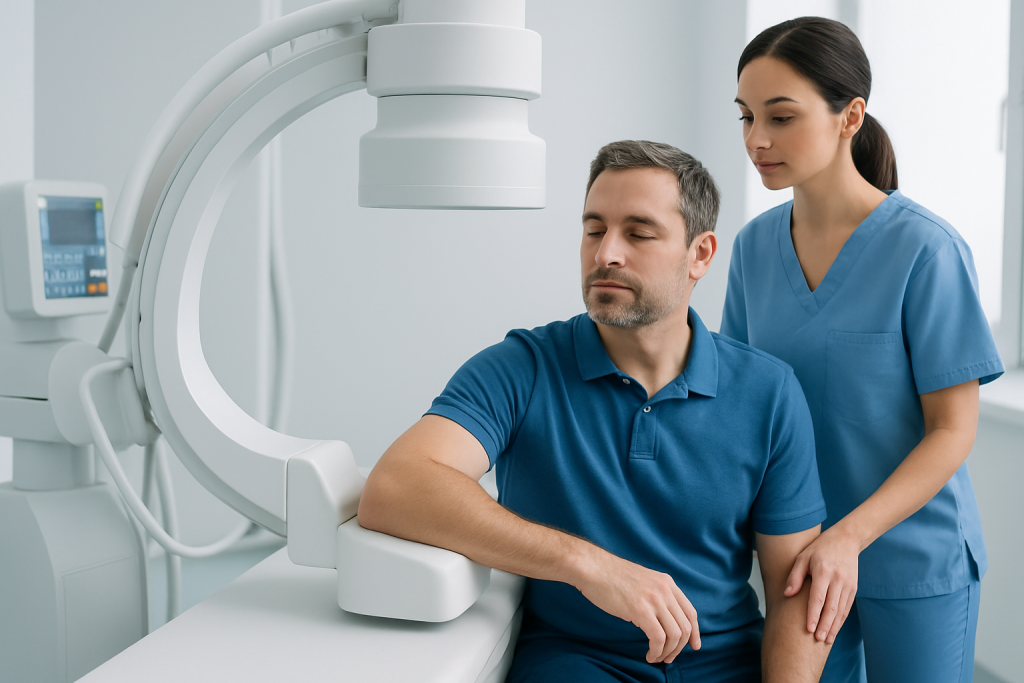
Elbow pain is usually described by location and by the activity that brings it on. Pain on the outside of the elbow often becomes noticeable when gripping, lifting, or twisting. Pain on the inside may be felt during throwing, pulling, or repetitive wrist flexion. Pain at the back of the elbow can appear with leaning on the joint or fully straightening the arm.
Other symptoms can help narrow the cause. Swelling may suggest inflammation, fluid collection, or injury. Stiffness can make it harder to bend or straighten the arm. Tingling or numbness in the ring and little fingers can point toward ulnar nerve irritation, while weakness may reflect pain inhibition, tendon injury, or a nerve problem.
Because elbow pain can overlap with pain from the forearm, shoulder, or neck, the details matter. A symptom diary is often useful, especially for people traveling for care, since it helps a doctor review when the pain started, what activities trigger it, and how far it has progressed over time.
Common Causes and Risk Factors

Overuse is one of the most frequent reasons for elbow pain. Repeated gripping, lifting, racket sports, manual work, gardening, and long hours of computer or tool use can strain the tendons that attach to the elbow. Tennis elbow affects the outer side of the joint, while golfer’s elbow affects the inner side. Despite the names, both can occur in many people who do not play sports.
Injuries are another major cause. A direct blow, fall, or sudden twist may lead to sprains, fractures, dislocations, tendon tears, or irritation of the joint lining. In some cases, the pain begins after a minor event but then lingers because the tissue needs time and proper support to heal.
Arthritis, bursitis, and nerve entrapment can also cause pain. Inflammatory arthritis may produce warmth, swelling, and stiffness, while osteoarthritis can limit motion and create aching with use. The ulnar nerve can become compressed at the elbow, especially when the arm stays bent for long periods. Risk increases with repetitive motion, poor ergonomics, previous elbow injury, and certain jobs or sports that place sustained load on the joint.
- Repetitive lifting or gripping
- Throwing or racket sports
- Direct trauma or falls
- Prior elbow injury
- Inflammatory or degenerative arthritis
- Prolonged pressure on the bent elbow
How Doctors Diagnose the Cause
Diagnosis starts with a careful history and a physical examination. A doctor will usually ask where the pain is, what movements worsen it, whether symptoms began after an injury, and whether there is numbness, swelling, or loss of motion. The exam often includes checking the shoulder, wrist, and neck as well, since pain can be referred from nearby areas.
Simple movement and resistance tests may help distinguish tendon irritation from joint or nerve problems. For example, pain during gripping or wrist extension can point toward lateral tendinopathy, while symptoms triggered by wrist flexion or forearm rotation may suggest a different structure is involved.
Imaging is not always needed, but it can be helpful when symptoms are persistent, severe, or linked to injury. X-rays can show fractures, arthritis, or bone spurs. Ultrasound or MRI may be used to examine tendons, bursae, ligaments, and soft tissues in more detail. If nerve involvement is suspected, nerve conduction studies or electromyography may be considered.
Treatment Options
Treatment depends on the underlying cause, but many cases begin with conservative care. Resting the elbow from aggravating activities, changing technique or ergonomics, and using ice or heat may ease symptoms. A brace, strap, or splint can sometimes reduce strain on irritated tissues, especially during activity.
Medication may be suggested to reduce pain and inflammation, but the choice depends on the person’s medical history and the cause of the pain. Physical therapy is often important because it can restore motion, improve strength, and retrain the muscles and tendons around the elbow. For overuse conditions, gradual loading exercises are usually more helpful than complete inactivity for long periods.
If pain is caused by a fracture, a significant tendon injury, nerve compression, or advanced arthritis, more specific treatment may be needed. This can include immobilization, injections in selected cases, or surgery when conservative measures are not enough. A doctor will weigh the expected benefit against recovery time, especially for international patients who may need a plan that fits travel, rehabilitation, and follow-up at home.
Prevention and Self-care
Many elbow problems improve when the joint is allowed to recover from repeated strain. Adjusting workstations, using supportive tools, alternating tasks, and learning safe lifting technique can lower stress on the tendons and joint. In sports, warm-ups, proper equipment, and coaching on technique can make a meaningful difference.
At home, people are often advised to avoid sudden increases in activity. Returning to exercise or manual work too quickly can restart the irritation cycle. Instead, it is usually better to reintroduce movement gradually and pay attention to the body’s response the next day, not just during the activity itself.
Helpful self-care habits may include:
- Taking breaks from repetitive gripping or twisting
- Using both hands for heavier objects when possible
- Keeping the wrist and elbow in a neutral, relaxed position during work
- Doing prescribed stretches or strengthening exercises consistently
- Avoiding prolonged pressure on the elbow when sitting or sleeping
For people recovering after treatment abroad, a clear home plan matters. Written exercise instructions, follow-up scheduling, and knowing which symptoms should prompt medical review can help recovery stay on track after travel.
When to See a Doctor
Medical evaluation is sensible when elbow pain lasts more than a short period, keeps returning, or begins to interfere with daily activities. It is especially important if the pain follows an injury, there is visible swelling or bruising, or the arm cannot be moved normally.
Prompt assessment is also recommended if there is numbness, tingling, weakness, fever, redness, warmth, or a feeling that the elbow is unstable or locking. These features may suggest a nerve problem, infection, fracture, or another condition that benefits from timely care.
A qualified doctor can identify the source of the pain and recommend the right next step, whether that means rest, therapy, imaging, or specialist care. For international patients, Acibadem Health Point’s multidisciplinary specialists and JCI-accredited hospitals can diagnose and treat elbow pain with coordinated care and follow-up support.
Living With Elbow Pain: What Helps Recovery Stay on Course
Recovery is often a process of noticing patterns and making small, steady adjustments. The elbow usually responds better to a plan that is specific to the cause rather than to generic rest alone. That is why a clear diagnosis matters: a tendon problem, a joint problem, and a nerve problem may all require different pacing and exercises.
People often do best when they combine medical advice with realistic activity changes. This may mean temporarily avoiding a particular sport or tool, then rebuilding strength with guided exercises once pain settles. If care is being coordinated across countries, keeping copies of imaging reports, therapy plans, and medication lists can make follow-up smoother and safer.
Elbow pain is rarely something to ignore forever, but it is also not usually a reason for panic. With the right assessment and a measured treatment plan, most people can return to normal routines with less pain and better confidence in the arm.
Frequently asked questions
What causes elbow pain most often?
The most common causes are overuse injuries, especially tendon irritation from repeated gripping, lifting, or sports. Elbow pain can also come from injury, arthritis, bursitis, or nerve compression.
How can someone tell if elbow pain is from tennis elbow or golfer's elbow?
Tennis elbow usually causes pain on the outside of the elbow, while golfer’s elbow is felt on the inside. The pain often worsens with specific wrist or gripping movements, but a doctor may need to confirm the diagnosis.
Can elbow pain come from the neck or shoulder?
Yes, pain can sometimes be referred from the neck or shoulder, or it may be related to a nerve that runs through the arm. That is why a full exam is important when the symptoms are not clearly local to the elbow.
When is imaging needed for elbow pain?
Imaging may be helpful if there was an injury, if pain is severe, or if symptoms do not improve as expected. X-rays, ultrasound, MRI, or nerve tests may be used depending on the suspected cause.
Is rest enough to treat elbow pain?
Rest can help in the short term, but it is not always the whole answer. Many elbow conditions also improve with targeted exercises, activity changes, and treatment of the underlying cause.
What should someone do before traveling for elbow treatment?
It helps to gather previous imaging, a list of medicines, and notes about symptoms and triggers. Planning for follow-up care after returning home is also important so recovery can continue smoothly.
References
- American Academy of Orthopaedic Surgeons
- Mayo Clinic
- National Institute of Arthritis and Musculoskeletal and Skin Diseases
- American Society for Surgery of the Hand
- NHS
This article is for general information only and is not a substitute for professional medical advice. Please consult a qualified doctor about your individual situation.
More from the Health Library



Related Specialists

Dr. Mustafa Hurmuzlı
Radiology
Prof. Dr. Nazan Bengüdeniz Erda
Ophthalmology
Prof. Dr. Serdar Beken
Neonatal Intensive Care Unit
Prof. Dr. Güralp Onur Ceyhan
General Surgery