

Knee Brace For Arthritis In The Knee
Key Takeaways
- A knee brace may reduce pain and improve stability for some people with knee arthritis.
- Different brace designs serve different needs, including support, alignment, and offloading pressure.
- A brace works best as part of a broader plan that may include exercise, weight management, and medical treatment.
- Proper fit matters; a brace that is too loose, too tight, or poorly positioned may be unhelpful.
- Persistent swelling, locking, or worsening pain should be discussed with a qualified doctor.
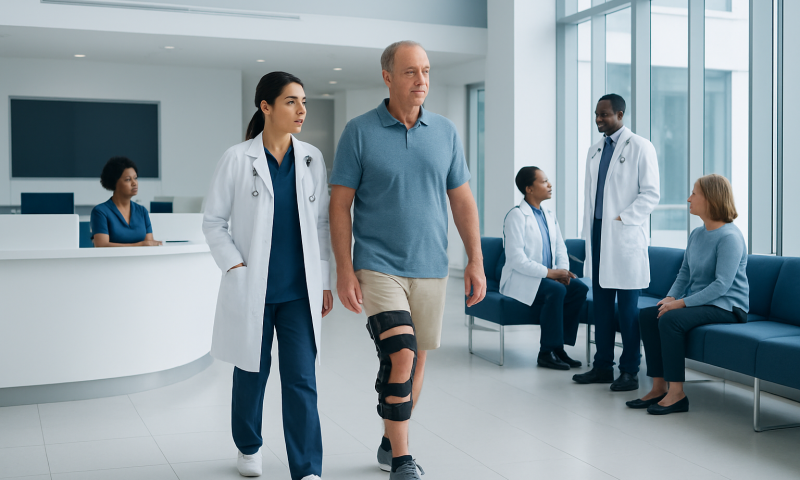
A knee brace can be a practical part of managing arthritis in the knee, especially when pain, stiffness, or instability makes walking and daily tasks harder. The right brace does not cure arthritis, but it may improve comfort, confidence, and mobility when chosen to match the person’s symptoms and treatment plan.
Overview
Arthritis in the knee can make ordinary movement feel heavier than it should. A person may notice discomfort when standing up from a chair, climbing stairs, walking longer distances, or getting through a workday without repeated pauses. In that setting, a knee brace is sometimes used as a simple, non-surgical tool to make the joint feel more secure and less painful.
A brace does not rebuild cartilage or reverse arthritis. Its role is more practical: to support the joint, guide motion, or shift pressure away from the most irritated part of the knee. For some people, that extra support makes it easier to keep moving, which matters because gentle activity is often part of long-term knee health.
For international patients deciding whether to travel for care, a brace can also be part of a staged plan. A doctor may recommend trying conservative treatment first, then reviewing imaging, alignment, symptoms, and lifestyle demands before deciding whether therapy, injections, or surgery should be considered.
Symptoms
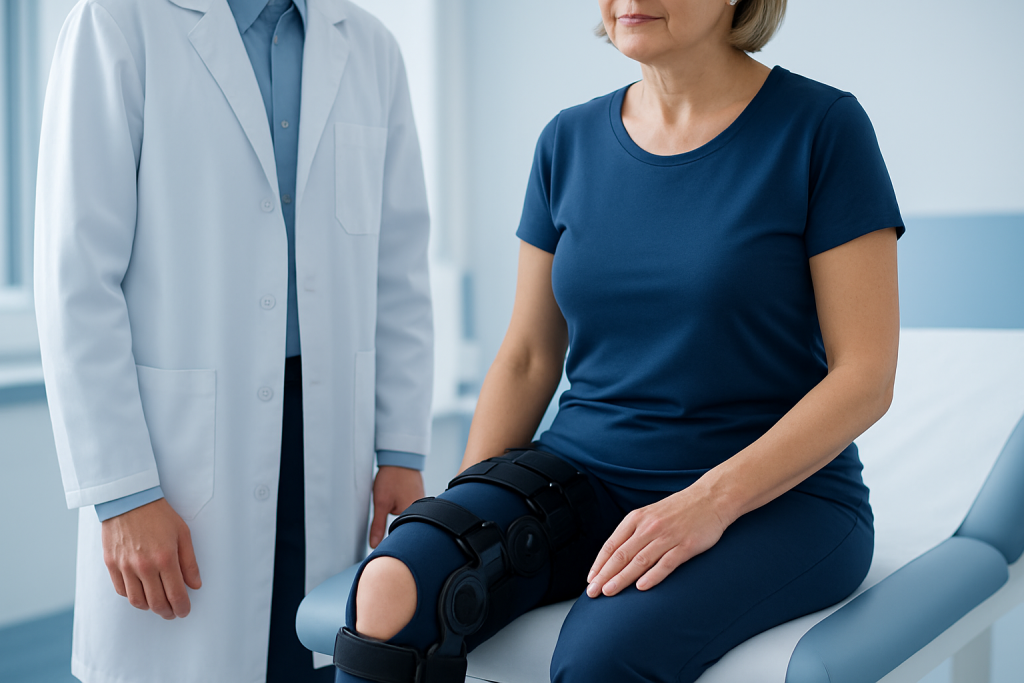
Knee arthritis often announces itself through pain that builds with activity and improves with rest. Some people describe a deep ache, while others feel stiffness after sitting for a while or first thing in the morning. Swelling, warmth, and a sense that the knee is less steady than it used to be are also common.
A brace may be most useful when symptoms affect function rather than only causing occasional discomfort. People may seek support if the knee feels like it shifts inward or outward, if downhill walking is difficult, or if the joint seems to tire quickly during travel, sightseeing, or daily errands. In those situations, a brace can provide a helpful sense of structure.
Not every symptom means a brace is the answer. Sudden major swelling, a knee that locks, or severe pain after an injury needs medical review. Arthritis can coexist with meniscus problems, ligament issues, or gout, and those conditions may change what kind of support is appropriate.
Causes & Risk Factors
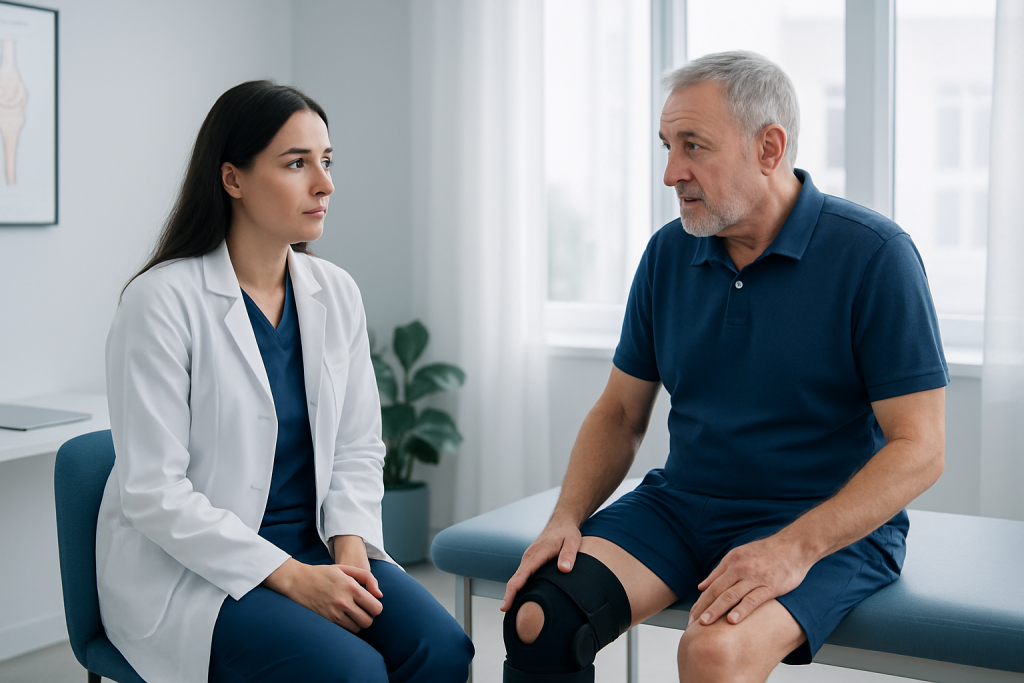
Most knee arthritis is osteoarthritis, a gradual wear-and-tear condition in which the smooth cartilage that cushions the joint becomes thinner over time. When that surface changes, the bones and soft tissues may be exposed to more stress, leading to pain and stiffness. A brace can sometimes help by redistributing load and improving alignment during movement.
Certain factors make knee arthritis more likely or more bothersome. These include previous knee injuries, repetitive joint stress from work or sport, higher body weight, age-related changes, and abnormal leg alignment such as bow legs or knock knees. A history of meniscus surgery or fractures around the knee can also influence how the joint behaves later in life.
Some people experience inflammatory arthritis rather than osteoarthritis. In those cases, the treatment plan may be different because swelling, immune activity, and multi-joint involvement can play a larger role. A clinician should decide whether a brace is likely to help and which design fits the underlying problem.
Diagnosis
Before recommending a knee brace, a doctor usually starts with a clinical assessment. That includes asking where the pain is located, what movements aggravate it, whether the knee feels unstable, and how the problem affects work, travel, exercise, and sleep. A physical examination helps check range of motion, swelling, tenderness, and alignment.
X-rays are often used to look at joint-space narrowing, bone spurs, and alignment changes. In some situations, an MRI or other imaging test may be needed if symptoms suggest a meniscus tear, ligament injury, or another condition that could change treatment. The goal is not simply to name arthritis, but to understand what type of support would be sensible.
For patients who seek care abroad, diagnosis may also include reviewing prior images, medication history, and previous therapies. This helps a specialist avoid repeating tests unnecessarily and build a treatment plan that fits both the knee and the patient’s practical needs for follow-up after returning home.
Treatment Options
Knee braces come in several forms, and the best one depends on the symptom pattern. A soft sleeve may provide mild compression and warmth, which can make the knee feel more comfortable during activity. A hinged brace offers more side-to-side stability. An unloader brace is designed to shift pressure away from the most affected side of the knee, which may be useful when arthritis is worse on one side of the joint.
Bracing is usually one piece of a broader treatment plan. Exercise-based physical therapy can strengthen the muscles that support the knee, reduce strain, and improve balance. Weight management, if relevant, may lower joint load. Pain-relief medicines, topical treatments, injections, and activity modification are also commonly discussed, depending on the person’s health profile and symptom severity.
When arthritis is advanced, non-surgical measures may no longer be enough. In those cases, a specialist may discuss more definitive options such as partial or Knee Replacement" class="ahp-ilk">total knee replacement. A brace can still be helpful while waiting for surgery, during recovery, or when a person is not ready for an operation and needs day-to-day support.
Choosing the right brace is often a trial-and-refinement process. Fit, comfort, skin tolerance, and the type of shoes worn can all affect whether the brace is practical enough for real life. A brace that is theoretically correct but impossible to wear for long periods will not help much.
Prevention & Self-care
While arthritis itself cannot always be prevented, several habits can reduce stress on the knee and help a brace work better. Low-impact movement such as walking on level ground, cycling, swimming, or guided strengthening exercises can keep the joint more mobile without unnecessary strain. Rest is useful, but too much inactivity can make stiffness worse.
Some people benefit from learning how to pace activity. Longer tasks may be easier when divided into smaller parts with brief breaks in between. Supportive footwear, using handrails on stairs, and avoiding sudden twisting motions can also lower the chance of flare-ups. If a brace is prescribed, wearing it as instructed matters more than using it only when pain becomes severe.
- Check the skin after wearing a brace, especially during the first few days.
- Make sure the brace does not slip, pinch, or leave deep marks.
- Keep muscles active with a clinician-approved exercise plan.
- Use ice or heat only if advised and in a safe, time-limited way.
- Seek guidance before combining a brace with new medications or devices.
Traveling with knee arthritis requires a little planning. Comfortable shoes, movement breaks during long flights, and carrying any prescribed brace in hand luggage can make journeys smoother. For international patients, arranging follow-up before departure can also help ensure the brace remains part of a coordinated recovery plan.
When to See a Doctor
Medical advice is worthwhile when knee pain lasts more than a short period, recurs often, or begins to limit walking, sleeping, or work. It is especially important if the knee feels unstable, buckles unexpectedly, or the person is unsure whether the pain is truly from arthritis. A qualified doctor can confirm the cause and suggest the most suitable brace, if one is needed.
Prompt assessment is also sensible if swelling appears suddenly, the knee becomes red or hot, fever develops, or the joint cannot bear weight. Those features may suggest a problem beyond routine arthritis and need timely evaluation. Similarly, a brace should not be relied upon to “push through” a condition that is rapidly worsening.
Patients who are considering Herniated Disc Treatment Abroad: Injection, Rehab, or Surgery?" class="ahp-ilk">treatment abroad may want to bring prior X-rays, MRI reports, medication lists, and a brief symptom history. That preparation helps the specialist team make efficient decisions. At Acibadem Health Point, multidisciplinary specialists and JCI-accredited hospitals diagnose and treat knee arthritis for international patients, with care plans tailored to symptoms, function, and follow-up needs.
Living Well With a Knee Brace
The most useful knee brace is usually the one that fits the diagnosis, the body, and the person’s routine. Some people wear one mainly during longer walks or travel days, while others use it for work shifts, exercise, or periods of flare-up. Over time, the brace should feel like a support tool rather than a burden.
It is also important to remember that arthritis care is rarely about a single product. Progress usually comes from combining the right support with movement, symptom control, and ongoing review. A brace may make it easier to stay active, and staying active often helps protect knee function.
When symptoms change, the treatment plan should change with them. A follow-up visit can clarify whether the brace still fits, whether a different model would work better, or whether another treatment should be added. That kind of adjustment is often what keeps conservative care useful over the long term.
Frequently asked questions
Can a knee brace help arthritis pain?
Yes, for some people a knee brace can reduce pain by improving stability or shifting pressure across the joint. It is most helpful when symptoms are tied to movement, alignment, or mild instability. It does not cure arthritis, but it can make daily activity more manageable.
Which type of knee brace is best for arthritis?
The best type depends on where the arthritis is located and how the knee behaves. A sleeve may help with mild discomfort, while a hinged or unloader brace may be better when there is more instability or one side of the joint is more affected. A clinician can help match the brace to the problem.
Should a knee brace be worn all day?
Not always. Many people use a brace during activities that trigger pain, such as walking, standing for long periods, or travel, and remove it during rest. The ideal schedule depends on the brace type, skin tolerance, and the doctor’s advice.
Can a brace replace exercise or physical therapy?
No, a brace is usually a support measure rather than a complete treatment. Strengthening the muscles around the knee often improves long-term function and can make the brace more effective. The best results often come from combining both approaches.
What if the brace feels uncomfortable or slips?
That usually means the fit or style needs adjustment. A brace that slides, pinches, or leaves marked skin may not be providing the intended support. A doctor, physiotherapist, or orthotist can help check sizing and positioning.
When should knee pain be checked by a doctor?
A doctor should evaluate pain that persists, worsens, or starts limiting normal activities. Sudden swelling, locking, redness, fever, or inability to bear weight deserves prompt attention. Those signs may point to a condition that needs more than routine arthritis care.
References
- American Academy of Orthopaedic Surgeons
- Arthritis Foundation
- National Institute of Arthritis and Musculoskeletal and Skin Diseases
- NHS
- Mayo Clinic
This article is for general information only and is not a substitute for professional medical advice. Please consult a qualified doctor about your individual situation.
More from the Health Library



Related Specialists

Prof. Dr. Ahmet Alanay
Orthopedic Surgery & Traumatology
Dr. Sinan Aksu
Orthopedic Surgery & Traumatology
Dr. Sirri Baştürk
Orthopedic Surgery & Traumatology
Prof. Dr. Korhan Özkan
Orthopedic Surgery & Traumatology