

Psoas

Key Takeaways
- The psoas is a deep muscle that helps bend the hip and support posture and walking.
- Psoas-related pain often shows up in the lower back, groin, front of the hip, or upper thigh.
- Overuse, prolonged sitting, injury, and nearby joint or spine problems can contribute to symptoms.
- Diagnosis usually relies on history, physical examination, and sometimes imaging to rule out other causes.
- Most people improve with activity modification, physical therapy, and targeted rehabilitation.
The psoas is a deep core and hip flexor muscle that can cause pain, stiffness, and movement limitations when strained or inflamed. Understanding the symptoms, common triggers, and available treatment options can help patients seek the right care and recover more comfortably.
Overview
The psoas is a deep muscle that runs from the lower spine through the pelvis to the upper thigh bone. Because it sits so far inside the body, people rarely think about it until it starts to feel tight, painful, or hard to use. Yet it plays an important role in everyday movement, helping the hip bend, the trunk stay stable, and the body transition smoothly from sitting to standing.
When people search for “psoas,” they are often trying to understand a specific pain pattern rather than the muscle itself. That pain may feel like a deep ache in the groin, the front of the hip, or the lower back. It can also be linked to posture, repetitive sports, long periods of sitting, or another condition affecting the spine, hip, or abdomen.
In most cases, psoas-related discomfort is not an emergency, but it deserves proper evaluation if it lingers or affects walking and daily life. A careful assessment helps distinguish a true muscle problem from a different source of pain that may feel similar.
Symptoms
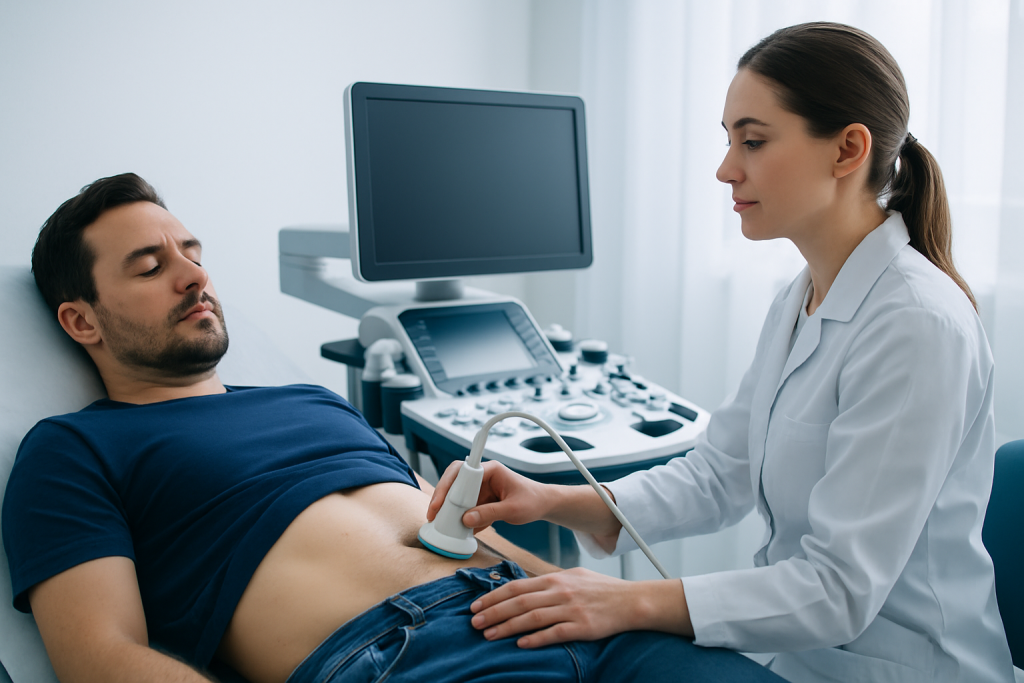
Psoas symptoms are often subtle at first. A person may notice stiffness after sitting for a long time, discomfort when climbing stairs, or a pulling sensation while lifting the knee. Some people describe pain when getting in and out of a car, rising from a chair, or stretching the front of the hip.
The pain location can vary. It may be felt in the low back, deep in the abdomen, in the groin, or along the front of the thigh. Because the psoas sits near several important structures, symptoms sometimes overlap with hip joint problems, lumbar spine issues, muscle strains, or digestive conditions.
Common signs may include:
- Deep ache in the lower back, groin, or front of the hip
- Tightness or pulling when extending the hip
- Pain with walking, running, or climbing stairs
- Discomfort after prolonged sitting
- Reduced range of motion in the hip
Some people notice an uneven gait or a tendency to keep the hip slightly bent because straightening it feels uncomfortable. When the symptoms are persistent, the body may begin to compensate, creating additional tension in surrounding muscles.
Causes & Risk Factors
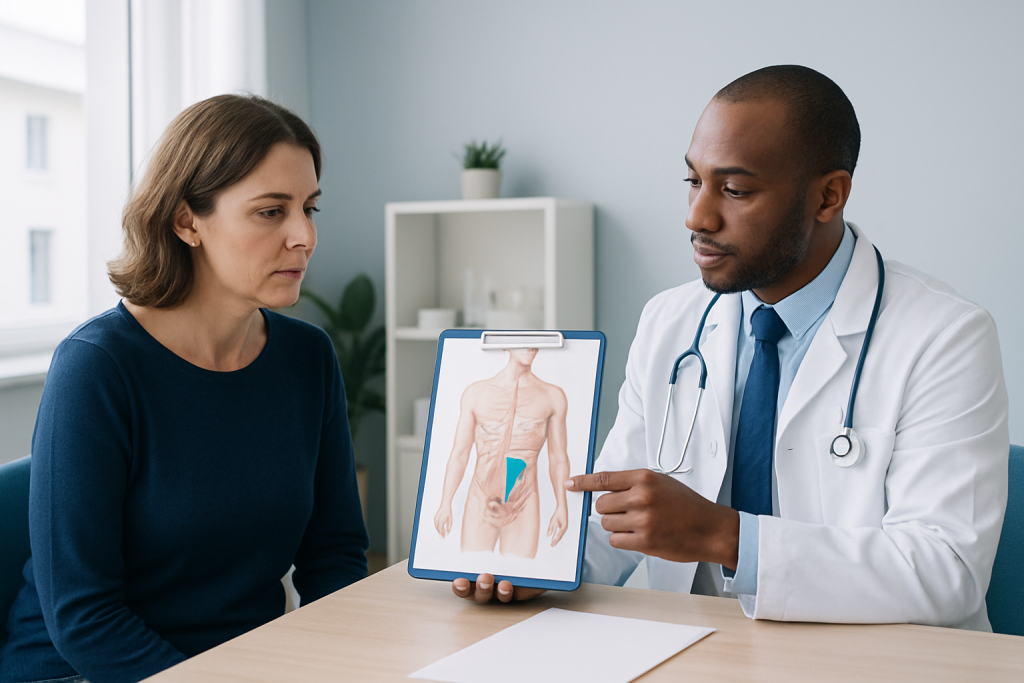
Psoas pain can develop for several reasons, and not all of them are purely muscular. A simple strain can happen after sudden movement, heavy lifting, or an activity that demands repeated hip flexion, such as sprinting, kicking, or stair training. In other cases, the muscle becomes irritated from overuse or chronic shortening.
Long hours of sitting are a common contributor. When the hips stay bent for much of the day, the psoas may adapt to that position and feel tight when the person stands or moves. Athletes, dancers, runners, cyclists, and people returning to exercise after a break may be more likely to notice symptoms because the muscle is being asked to work hard and repeatedly.
There are also broader health factors that can affect the psoas or mimic its pain. These include hip arthritis, lumbar disc problems, sacroiliac joint dysfunction, abdominal or pelvic conditions, and inflammation around the hip. In rare situations, infection, bleeding, or other internal problems can involve the psoas region, which is why persistent or unusual pain should be evaluated rather than assumed to be a simple strain.
Risk is often higher when several factors overlap, such as tight hip flexors, weak core muscles, poor movement mechanics, prior injury, or a sudden increase in training intensity. For international patients planning care abroad, it is especially helpful to bring previous imaging, therapy notes, and a clear timeline of symptoms so the new team can understand the full picture quickly.
Diagnosis
Diagnosis begins with a detailed discussion of the symptoms, including where the pain is felt, what makes it worse, how long it has been present, and whether there was a trigger such as exercise, travel, a fall, or a long period of sitting. Because psoas pain can resemble hip or spine conditions, the clinician will usually ask about walking, posture, sports, and any nerve-like symptoms such as numbness or tingling.
A physical examination is often the most important part of the evaluation. The doctor may check hip motion, test strength, look for pain with specific movements, and examine the lower back and abdomen. Certain maneuvers can suggest psoas involvement, but they are interpreted alongside the full exam rather than used alone.
Imaging is sometimes needed when symptoms are unclear, severe, or lasting longer than expected. Ultrasound, X-rays, CT, or MRI may be used depending on what the clinician is trying to rule out. These tests can help distinguish muscle irritation from hip joint disease, spine-related pain, or other internal causes. In some cases, additional blood tests or specialty evaluation may be appropriate if infection or inflammation is suspected.
For patients traveling from another country, diagnosis may happen in stages so the specialist can first confirm what is causing the pain and then decide which tests are actually useful. This approach helps avoid unnecessary procedures while keeping the workup focused and practical.
Treatment Options
Treatment depends on the cause of the symptoms, but many psoas problems improve with conservative care. The first step is often reducing activities that trigger pain, especially movements that repeatedly load the hip flexors. Short-term rest does not mean complete inactivity; gentle movement is usually preferred so the muscle and surrounding tissues do not become even tighter.
Physical therapy is commonly central to recovery. A therapist may work on hip flexor length, core stability, glute strength, posture, and movement control. Treatment is usually individualized, because the psoas rarely acts alone. If a person also has weakness in the hips or poor pelvic mechanics, those issues need attention too.
Depending on the diagnosis, a clinician may recommend anti-inflammatory strategies, guided exercise, manual therapy, or other supportive measures. In some cases, injections or more advanced interventions are considered when pain is coming from a related structure rather than the muscle itself. If a separate condition is found — such as a hip joint disorder, spine problem, or abdominal issue — treatment is directed toward that underlying cause.
Recovery is often gradual. The goal is not simply to “loosen” the psoas, but to restore comfortable movement, improve strength and endurance, and reduce the chance of the pain returning. Patients visiting for treatment from abroad should ask for a clear follow-up plan that can continue after they return home, including exercise guidance and signs that should prompt reassessment.
Prevention & Self-care
Daily habits can make a meaningful difference, especially for people whose symptoms are linked to sitting or repetitive movement. Regular standing breaks, gentle walking, and balanced exercise can help the hip flexors avoid staying in one position for too long. A well-rounded program that includes core and glute strengthening often supports the psoas indirectly.
Warm-up and recovery matter for active people. Gradually increasing training load, avoiding abrupt changes in intensity, and paying attention to technique can reduce strain on the hip flexors. Cross-training may also help if one sport places repeated stress on the same movement pattern.
At home, self-care may include:
- Changing positions frequently during the day
- Using gentle hip mobility exercises recommended by a clinician
- Applying heat or cold if advised for comfort
- Maintaining posture that allows the hips and trunk to move freely
- Returning to sport or heavy activity in stages, not all at once
It is important to be cautious with self-diagnosis. Stretching may feel helpful, but aggressive stretching or deep self-massage is not always the right answer, especially if pain is sharp, worsening, or coming from another structure. A clinician can help match the exercise plan to the actual source of symptoms.
When to See a Doctor
Medical evaluation is a good idea if pain lasts more than a short period, keeps returning, or interferes with normal walking, sleep, or exercise. This is especially true when home measures do not help or when the pain is not clearly improving over time. A professional assessment can clarify whether the psoas is the main issue or whether something else is responsible.
Prompt care is also important if the symptoms are accompanied by fever, unexplained weight loss, severe abdominal pain, a recent injury, difficulty bearing weight, numbness, weakness, or pain that is getting noticeably worse. These features do not always mean something serious, but they do deserve evaluation so the right cause is not missed.
If a person is seeking care internationally, it is helpful to choose a team that can coordinate orthopedic, rehabilitation, imaging, and, when needed, other specialties. Acibadem Health Point’s multidisciplinary specialists and JCI-accredited hospitals diagnose and treat this condition for international patients, with care planning that can support recovery beyond the hospital stay.
Frequently asked questions
What is the psoas muscle responsible for?
The psoas helps flex the hip, meaning it lifts the thigh toward the body. It also contributes to spinal stability and helps with posture and walking. Because it connects the spine to the leg, it has an important role in many everyday movements.
What does psoas pain usually feel like?
Psoas pain is often described as a deep ache or tightness in the lower back, groin, front of the hip, or upper thigh. It may be worse when standing from a chair, climbing stairs, or extending the hip. Some people notice it after long sitting or exercise.
Is psoas pain the same as a hip flexor strain?
Not always. The psoas is one of the main hip flexor muscles, but pain in that area can also come from nearby muscles, the hip joint, the spine, or other structures. A medical evaluation helps identify the true source of the problem.
How is psoas pain diagnosed?
Diagnosis usually starts with a history and physical examination. Imaging or other tests may be ordered if the symptoms are unclear, severe, or not improving, or if the clinician needs to rule out another condition. The goal is to find the cause, not just the pain location.
Can psoas problems improve without surgery?
Yes, many people improve with conservative treatment such as activity modification and physical therapy. Surgery is not common for simple psoas-related pain. Treatment depends on the underlying cause, so the first step is confirming the diagnosis.
What can a patient do while waiting for an appointment?
It is usually reasonable to avoid activities that trigger pain, move gently, and limit long periods of sitting. If the pain is severe, rapidly worsening, or linked to other concerning symptoms, the person should seek prompt medical advice rather than waiting.
References
- American Academy of Orthopaedic Surgeons
- Mayo Clinic
- Cleveland Clinic
- Merck Manual Professional Edition
This article is for general information only and is not a substitute for professional medical advice. Please consult a qualified doctor about your individual situation.
More from the Health Library



Related Specialists

Prof. Dr. Ahmet Alanay
Orthopedic Surgery & Traumatology
Dr. Sinan Aksu
Orthopedic Surgery & Traumatology
Dr. Sirri Baştürk
Orthopedic Surgery & Traumatology
Prof. Dr. Korhan Özkan
Orthopedic Surgery & Traumatology