

Acromioclavicular Joint

Key Takeaways
- The acromioclavicular joint connects the collarbone to the highest point of the shoulder blade.
- AC joint injuries often cause pain on the top of the shoulder, especially with lifting or reaching across the body.
- Diagnosis usually involves a physical exam and imaging tests such as X-rays when needed.
- Many AC joint injuries improve with rest, pain relief, rehabilitation, and activity changes.
- More severe separations or persistent symptoms may require orthopedic evaluation and, in some cases, surgery.
The acromioclavicular joint, often called the AC joint, is a small but important part of the shoulder that can be injured after a fall, collision, or overuse. Understanding its symptoms, diagnosis, and treatment can help patients choose the right care and recover with confidence.
Overview
The acromioclavicular joint sits at the top of the shoulder, where the collarbone meets the shoulder blade. It is a small joint, but it helps the shoulder move smoothly and keeps the shoulder girdle stable during lifting, pushing, and overhead activity.
When people speak about an “AC joint injury” or “shoulder separation,” they are usually referring to damage to the ligaments that hold this joint together. The injury may be mild and settle with conservative care, or it may be more significant and affect shoulder function for a longer period.
For patients deciding on care from another country, AC joint problems can be especially frustrating because simple daily tasks may become difficult quickly. Even so, most cases can be evaluated clearly and managed in a stepwise way, which helps patients plan treatment and recovery more confidently.
Symptoms
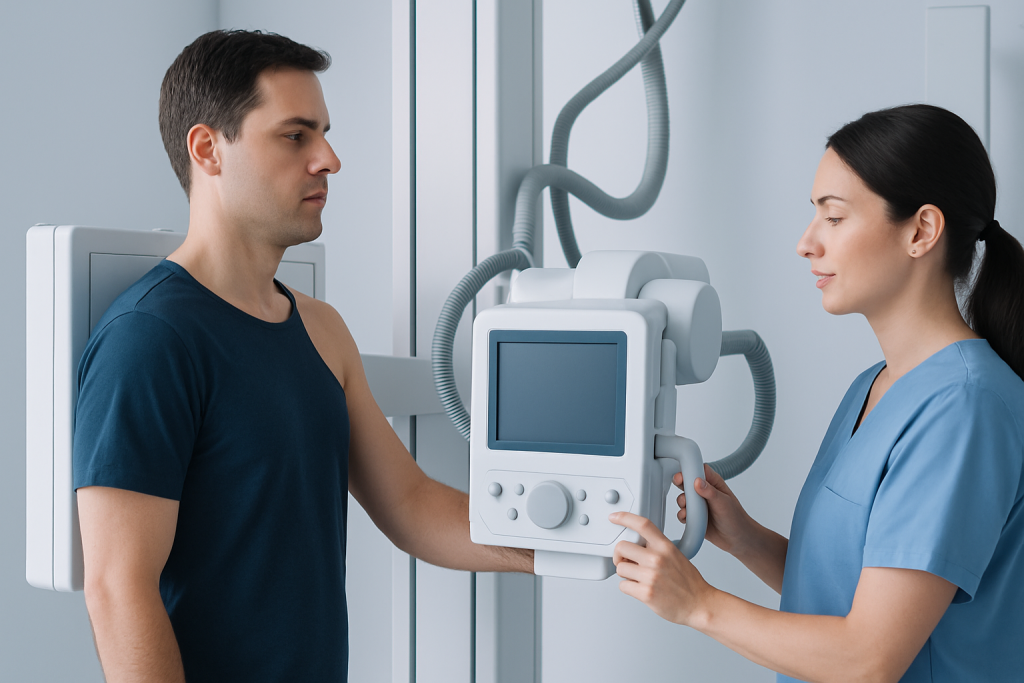
The most common symptom is pain at the top of the shoulder. The discomfort is often sharper when the person lifts the arm, carries weight, lies on the affected side, or reaches across the chest.
Swelling, tenderness, and a visible bump over the joint can appear after an injury. In more noticeable separations, the end of the collarbone may seem raised, which can be worrying but does not always mean surgery is needed.
Other symptoms may include:
- Pain with overhead movement
- Reduced range of motion
- Weakness when pushing or lifting
- Clicking or popping in the shoulder
- Bruising after trauma
Symptoms can overlap with rotator cuff or collarbone injuries, which is one reason proper evaluation matters.
Causes & Risk Factors
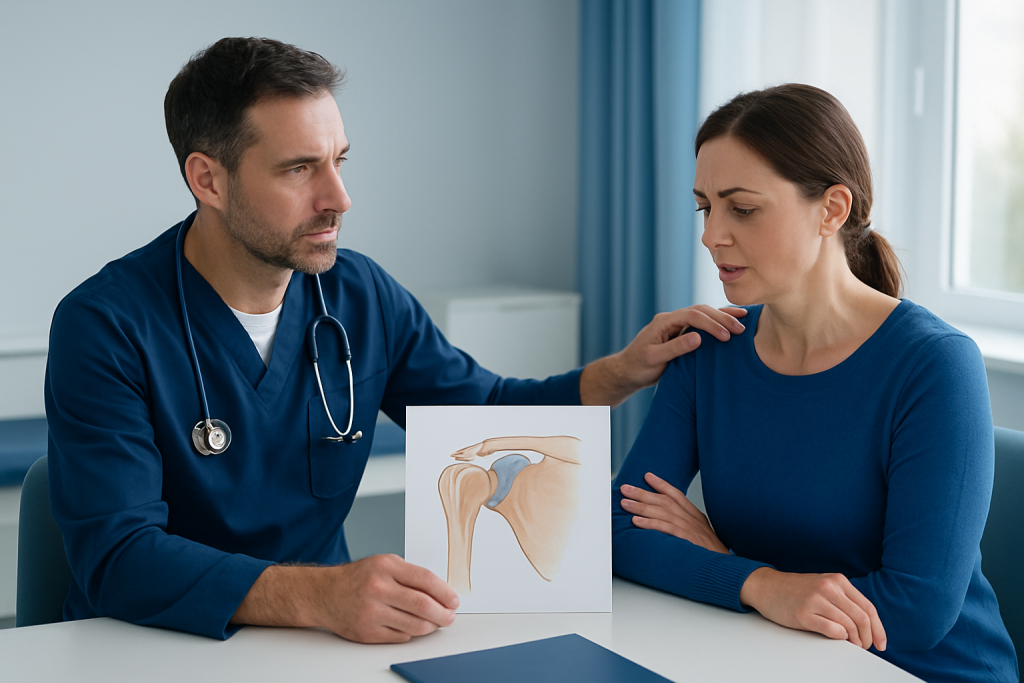
The AC joint is commonly injured when force travels through the shoulder from a fall or direct impact. A cyclist who lands on the side of the shoulder, an athlete hit during contact play, or a person who slips and braces with the arm may all strain the ligaments around the joint.
Repetitive stress can also irritate the AC joint over time. Overhead sports, heavy weight training, and occupations that involve repeated lifting may contribute to wear, inflammation, or pain in the area.
Factors that may increase risk include:
- Contact sports such as football, hockey, or rugby
- Cycling or motorbike accidents
- Repeated overhead lifting
- Previous shoulder injury
- Age-related joint wear
In some people, the issue is not a major traumatic separation but gradual AC joint irritation related to arthritis or repeated use. That is why a doctor usually looks at both the injury pattern and the patient’s activity history.
Diagnosis
Diagnosis begins with a careful history and physical examination. A clinician will usually ask how the injury happened, where the pain is located, and which movements make it worse.
During the exam, the doctor may gently press on the AC joint, compare shoulder shape from both sides, and check range of motion and strength. Specific movement tests can help distinguish AC joint pain from other causes of shoulder discomfort.
Imaging may be used when the diagnosis is uncertain or when the injury seems more severe. X-rays are commonly ordered to assess joint alignment and rule out fractures. In some cases, ultrasound or MRI may be recommended to look more closely at soft tissues, ligaments, or associated injuries.
For international patients, this stage is often where a clear treatment plan becomes possible. A good orthopedic workup can show whether the injury is expected to heal with conservative care or whether more structured treatment is needed before returning home or resuming work and sport.
Treatment Options
Treatment depends on the degree of injury and the patient’s overall shoulder function. Mild AC joint sprains often improve with rest, activity modification, ice, and Knee Pain Relief: Causes and Treatment" class="ahp-ilk">pain relief measures advised by a clinician.
Short-term use of a sling may help reduce discomfort in the early phase, especially when movement is painful. As pain settles, guided rehabilitation is often introduced to restore motion, strength, and shoulder control. Physical therapy is an important part of recovery because it helps the shoulder work well again without overloading the joint.
More significant separations or persistent pain may require orthopedic follow-up. Surgery is not needed for every AC joint injury, but it may be considered when the joint is badly displaced, pain remains despite non-surgical care, or shoulder function is seriously affected. The decision is usually individualized, taking into account activity level, job demands, and the patient’s goals.
Common treatment approaches include:
- Rest and avoiding painful movements
- Ice and simple pain-relief strategies recommended by a doctor
- Temporary sling support
- Physical therapy and supervised exercise
- Surgical repair or reconstruction in selected cases
Recovery timelines vary. Some people regain comfort fairly quickly, while others need several weeks of rehabilitation or longer if the injury is complex. A patient who is traveling for care should ask about follow-up planning before leaving, especially if surgery has been performed.
Prevention & Self-care
Not every AC joint injury can be prevented, especially accidents and sports collisions. Still, shoulder-friendly habits can reduce strain and may lower the chance of repeat injury.
Strengthening the muscles around the shoulder blade and rotator cuff can improve stability. Proper technique in sports and weight training also matters, particularly for overhead lifts and contact activities.
Self-care measures that are often helpful include:
- Allowing painful activities to rest temporarily
- Using ice in the early days after injury if advised
- Following rehabilitation exercises consistently
- Returning to sport or heavy work gradually
- Using protective equipment when appropriate
For patients recovering abroad, it is wise to keep copies of imaging reports, operative notes if surgery was done, and therapy instructions. These records make it easier for a local doctor at home to continue care smoothly.
When to See a Doctor
Medical evaluation is a good idea if shoulder pain follows a fall, collision, or sudden injury, especially when there is visible swelling, deformity, or difficulty moving the arm. Early assessment can distinguish a simple sprain from a more significant separation or a related fracture.
It is also important to seek care if pain does not improve after several days of rest, if the shoulder feels unstable, or if daily tasks remain difficult. Persistent pain at the top of the shoulder can sometimes signal arthritis or another condition that benefits from targeted treatment.
Urgent assessment is appropriate if the arm is numb, cold, very weak, or if the injury was severe enough to raise concern for fracture or dislocation. A clinician can decide whether imaging, immobilization, rehabilitation, or referral to an orthopedic specialist is needed.
Acibadem Health Point can support international patients with multidisciplinary specialists and JCI-accredited hospitals that diagnose and treat AC joint conditions in a coordinated way, with follow-up planning designed around travel and recovery needs.
Recovery and Outlook
Most AC joint injuries have a good outlook when the diagnosis is correct and treatment matches the severity of the injury. Mild sprains often settle with time and conservative care, while more significant injuries may need longer rehabilitation before normal activities feel comfortable again.
Recovery is not only about pain relief. The shoulder also needs strength, control, and confidence to return to reaching, lifting, or sports. That is why rehabilitation and gradual return to activity are usually more important than rushing back too soon.
Patients should remember that lingering discomfort does not always mean something has gone wrong. However, pain that keeps limiting function deserves reassessment so the care plan can be adjusted.
Living With AC Joint Problems
Ongoing AC joint pain can affect sleep, work, exercise, and even simple movements like putting on a jacket. Practical adjustments, such as avoiding heavy loads on the shoulder or modifying gym routines, can make daily life easier while the joint settles.
If symptoms continue after the initial recovery period, a clinician may review whether arthritis, incomplete healing, or another shoulder condition is contributing. At that stage, treatment may be refined with therapy, injections in selected cases, or further orthopedic review.
Clear communication with the care team is especially helpful for patients who are managing recovery across borders. Knowing when to resume activity, when to repeat imaging, and how to access follow-up care helps reduce uncertainty and supports safer healing.
Frequently asked questions
What is the acromioclavicular joint?
The acromioclavicular joint, or AC joint, is where the collarbone meets the highest part of the shoulder blade. It helps stabilize the shoulder and allows smooth movement during lifting and reaching.
What does an AC joint injury feel like?
It often causes pain on the top of the shoulder, especially when lifting the arm or reaching across the body. Swelling, tenderness, and difficulty sleeping on that side are also common.
Is a shoulder separation the same as an AC joint injury?
Yes, in everyday language, shoulder separation usually refers to an injury of the AC joint. The term describes damage to the ligaments that hold the collarbone and shoulder blade together.
Do all AC joint injuries need surgery?
No. Many AC joint injuries improve with rest, temporary support, pain control, and physical therapy. Surgery is usually reserved for more severe cases or persistent symptoms that do not improve with non-surgical treatment.
How long does recovery take?
Recovery depends on how severe the injury is and what treatment is needed. Mild sprains may improve in a few weeks, while more serious injuries can take longer and may require a structured rehabilitation plan.
Can AC joint pain come back?
Yes, it can recur if the joint is stressed too soon or if there is underlying arthritis or incomplete healing. Gradual return to activity and proper strengthening can lower the chance of repeat problems.
References
- American Academy of Orthopaedic Surgeons
- Mayo Clinic
- NHS
- Cleveland Clinic
- MedlinePlus
This article is for general information only and is not a substitute for professional medical advice. Please consult a qualified doctor about your individual situation.
More from the Health Library



Related Specialists

Prof. Dr. Ahmet Alanay
Orthopedic Surgery & Traumatology
Dr. Sinan Aksu
Orthopedic Surgery & Traumatology
Dr. Sirri Baştürk
Orthopedic Surgery & Traumatology
Prof. Dr. Korhan Özkan
Orthopedic Surgery & Traumatology