Parkinson’s Disease: Which Symptoms Respond to Medicines and Which Need More Support

Key Takeaways
- Medicines are often most helpful for tremor, stiffness, and slowness, but the response varies from person to person.
- Balance problems, speech changes, swallowing difficulties, mood symptoms, and some non-motor symptoms often need more than medication.
- A care plan usually works best when medication is combined with physiotherapy, occupational therapy, speech therapy, exercise, and sleep or mental health support.
- Symptoms can change over time, so regular follow-up helps adjust treatment as needs evolve.
- People traveling for care should plan for mobility, medication timing, and follow-up after returning home.
Medically reviewed by the Acıbadem clinical team — June 13, 2026
Parkinson’s disease affects movement, daily routines, and sometimes sleep, mood, and thinking. Medicines can help many symptoms, but some problems respond better to rehabilitation, practical adaptations, and ongoing specialist support.
Overview
Parkinson’s disease is a long-term neurological condition that changes how the brain controls movement. It often begins quietly, with one side of the body affected first, and then gradually shapes a person’s pace, balance, facial expression, and everyday tasks.
Many people first ask a practical question: which symptoms can medicines actually improve? The answer is encouraging but not simple. Medicines are very useful for several core motor symptoms, yet Parkinson’s is broader than tremor alone. A thoughtful treatment plan usually combines medication with rehabilitation, exercise, and support for speech, mood, sleep, and daily living.
For international patients, that broader view matters even more. Treatment decisions may involve travel, coordination across time zones, and planning for follow-up after returning home. Understanding which symptoms are likely to respond to medicine helps families set realistic expectations and choose the right mix of care.
Symptoms People Commonly Notice First
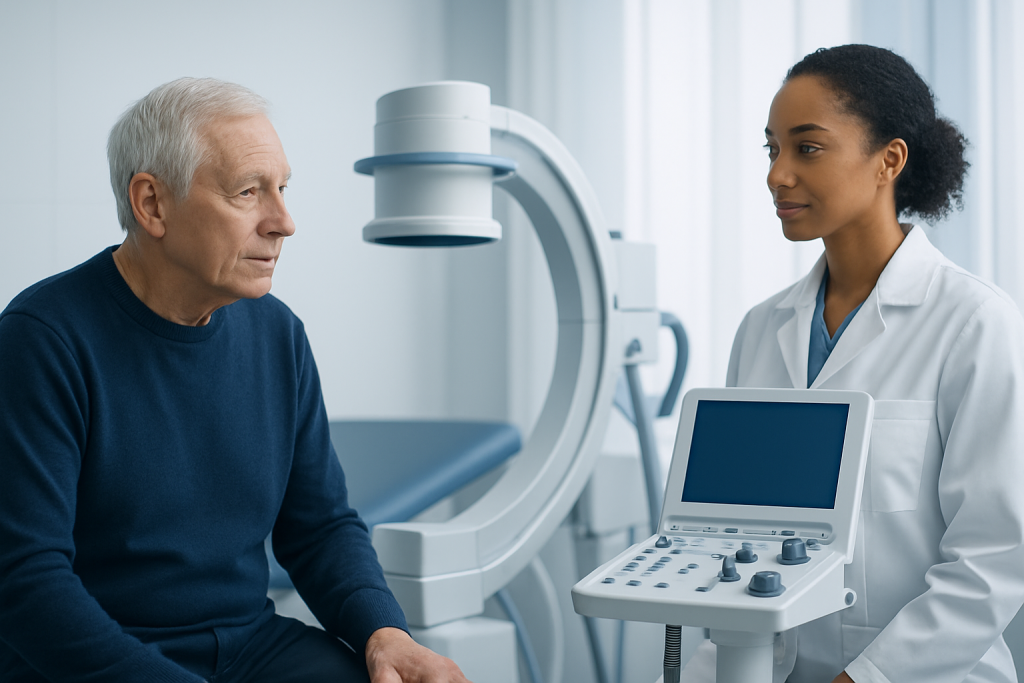
Parkinson’s disease is often recognized by movement changes, but the earliest signs are not always dramatic. A hand may shake at rest, writing may become smaller, steps may shorten, or a person may feel slower getting dressed, turning in bed, or rising from a chair.
Typical motor symptoms include:
- Resting tremor, often starting in one hand
- Slowness of movement, also called bradykinesia
- Muscle stiffness or rigidity
- Shuffling or reduced arm swing while walking
- Postural instability or a feeling of being off balance
Non-motor symptoms are just as important. Some people notice constipation, reduced sense of smell, sleep disruption, anxiety, low mood, fatigue, or trouble concentrating before movement changes become obvious. These symptoms can strongly affect quality of life, even when the motor signs seem mild.
Causes & Risk Factors

Parkinson’s disease develops when nerve cells in a brain region involved in movement gradually stop working well. A key chemical messenger, dopamine, becomes less available, and that shortage affects the body’s ability to move smoothly and automatically. The exact reason this happens is not fully understood.
Risk is shaped by a mix of age, genetics, and environmental factors, though many people with Parkinson’s have no single clear cause. Most cases are not inherited in a simple way, and having a family history does not mean the condition will definitely occur. Age remains one of the strongest known risk factors, but younger adults can also be diagnosed.
Because the causes are complex, prevention is limited. What can be influenced is overall brain and body health: regular exercise, attention to sleep, management of blood pressure, and prompt review of unusual movement changes. For patients planning treatment abroad, sharing prior diagnoses, medication lists, and family history helps specialists interpret symptoms more accurately.
Diagnosis
There is no single blood test that confirms Parkinson’s disease. Diagnosis is usually based on a detailed history and neurological examination, with attention to movement patterns, symptom timing, and how the body responds to dopamine-based medicine.
A specialist may ask when tremor or stiffness began, whether symptoms affect one side more than the other, and whether there are non-motor issues such as constipation, sleep disturbance, or changes in smell. They also look for signs that point to other movement disorders, because several conditions can look similar at first.
In some cases, imaging or additional tests may be used to rule out other causes, especially if the picture is not typical. For patients arriving from another country, bringing prior scans, medication bottles, and clinic notes can shorten the diagnostic process and reduce repeated testing.
Treatment Options
Medicines are most reliable for the classic motor symptoms of Parkinson’s disease, especially slowness, stiffness, and tremor. The treatment plan often aims to restore enough dopamine activity in the brain to make movement easier and daily tasks more manageable.
Levodopa is the best-known medication for Parkinson’s disease and is often very effective for movement symptoms. Other medicines may support dopamine signaling, help medications last longer, or smooth symptom control across the day. The best option depends on age, symptom pattern, side effects, and how the disease is affecting function.
Not every symptom improves equally with medicine. Balance problems, falls, speech changes, swallowing issues, and some types of fatigue or cognitive change often need additional approaches. That may include physiotherapy, occupational therapy, speech and language therapy, exercise programs, nutritional guidance, mental health support, and in selected cases advanced treatments such as Brain Stimulation" class="ahp-ilk">deep brain stimulation.
In many patients, the most useful plan is not “medicine versus support,” but both together. Medication can open the door to movement, while therapy helps a person use that movement safely and confidently.
Which Symptoms Usually Respond Better to Medicines
The most medication-responsive symptoms are the core movement features that come from dopamine shortage. Tremor often improves, although the response can be uneven. Slowness and stiffness frequently show clearer benefit, and that improvement may make dressing, walking, eating, and handwriting easier.
Some motor fluctuations can also respond well to medication adjustments. For example, a person may feel good after a dose and then notice symptoms returning before the next one. In that situation, a neurologist may review timing, formulation, or combination therapy to create steadier control across the day.
Medication may also help some non-motor symptoms indirectly when better movement reduces stress and improves daily function. However, not all fatigue, sleep disturbance, or mood changes are caused only by dopamine changes, so response is often partial rather than complete.
Which Symptoms Often Need More Support Than Medicines Alone
Some Parkinson’s problems are less predictable with medication because they involve balance, automatic movements, or systems beyond dopamine alone. Postural instability, freezing of gait, and falls may improve only a little with drugs, especially as the condition advances.
Speech and swallowing changes often need targeted therapy. A softer voice, rapid speech, or reduced facial expression may be helped by speech therapy, structured exercises, and communication strategies more than by medication changes. Swallowing concerns deserve particular attention, because they can affect nutrition, hydration, and safety during meals.
Mood symptoms, anxiety, apathy, sleep disorders, constipation, and cognitive changes may also require specific care plans. These problems can be treated, but the approach is usually broader than medication alone. That broader plan may include sleep hygiene, counseling, caregiver education, bowel routines, medication review, and tailored rehabilitation.
Common symptoms that often need extra support include:
- Balance loss and falls
- Freezing when starting to walk or turning
- Speech volume or clarity changes
- Swallowing difficulty
- Depression, anxiety, or apathy
- Constipation and sleep disruption
Prevention & Self-care
Parkinson’s disease itself cannot currently be prevented with certainty, but people can take practical steps to support day-to-day well-being and reduce complications. Regular physical activity is one of the most consistently helpful habits, because it supports flexibility, strength, balance, and mood.
Self-care often works best when it is structured. Simple routines for medication timing, hydration, bowel health, and sleep can make symptoms easier to manage. Some people benefit from using reminders, pill organizers, and written schedules, especially if doses need to fit around meals or travel plans.
Helpful self-care measures may include:
- Staying physically active with a plan approved by the care team
- Practicing balance and flexibility exercises
- Eating enough fiber and fluids, if appropriate
- Creating a consistent sleep routine
- Reviewing home safety to reduce fall risks
- Keeping a symptom diary to track medication effects
For patients receiving care away from home, it is wise to carry an updated medication list, know the generic names of prescriptions, and plan for enough supply during travel and recovery. A clear follow-up arrangement with the treating neurologist can make long-distance care feel more secure.
When to See a Doctor
Medical review is important when tremor, slowness, stiffness, or balance issues begin to interfere with work, driving, travel, or daily activities. Early assessment can clarify whether Parkinson’s disease is the cause and can start symptom management sooner.
Prompt attention is also needed if walking becomes unstable, falls occur, swallowing becomes difficult, or confusion develops. These changes do not always mean emergency care, but they do deserve timely evaluation so the treatment plan can be adjusted safely.
It is sensible to seek specialist review if medicines stop working as expected, side effects become troublesome, or symptoms change in a way that feels different from the usual pattern. Acibadem Health Point’s multidisciplinary specialists and JCI-accredited hospitals can help diagnose and treat Parkinson’s disease for international patients who need coordinated care across neurology and rehabilitation.
Follow-up is especially valuable because Parkinson’s disease is not a one-time diagnosis. It is a condition that benefits from regular adjustment, honest symptom tracking, and support that evolves along with the person’s needs.
Living With Parkinson’s Over Time
Living with Parkinson’s disease often means learning to adapt as symptoms shift. A treatment plan that worked well at the start may need to be refined later, especially if medication timing, mobility, sleep, or cognition begin to change.
That is why many neurologists encourage a team-based approach. Neurology, rehabilitation, speech therapy, occupational therapy, nutrition, and mental health support can each address a different layer of the condition. For international patients, this team approach can be especially reassuring because it helps create a plan that can continue after they return home.
The goal is not only to reduce symptoms, but to preserve independence, communication, safety, and confidence. With the right combination of medicines and supportive therapies, many people continue to lead active, meaningful lives for years after diagnosis.
Frequently asked questions
Which Parkinson’s symptoms improve most with medicine?
Medicines often help tremor, stiffness, and slowness of movement the most. These are the core motor symptoms linked to reduced dopamine activity in the brain. The response can vary, so treatment is usually adjusted over time.
Why do some symptoms not improve much with Parkinson’s medicines?
Balance problems, falls, speech changes, swallowing issues, and some non-motor symptoms involve more than dopamine shortage alone. Because of that, they may need rehabilitation, therapy, or other supportive care. Medicines can still be part of the plan, but they are not always the full answer.
Does everyone with Parkinson’s need levodopa?
Not everyone starts with the same medication, and the choice depends on age, symptoms, and daily needs. Levodopa is highly effective for many people, especially for movement symptoms. A neurologist decides when it is the right time to use it and how to tailor it safely.
Can exercise really help Parkinson’s disease?
Yes, exercise is a major part of Parkinson’s care. It can support balance, mobility, flexibility, and confidence, and it often works best alongside medication. A doctor or therapist can suggest activities that match the person’s abilities and fall risk.
When should swallowing problems be taken seriously?
Swallowing changes should be discussed with a doctor as soon as they appear. They can affect nutrition, hydration, and safety during meals, and they are often best managed early. Speech and swallowing therapy may be recommended.
Is it possible to travel for Parkinson’s treatment?
Yes, many patients travel for specialist assessment or advanced treatment. It helps to bring a medication list, prior records, and enough medicines for the trip, and to plan follow-up after returning home. Coordination with the care team makes the process smoother.
References
- National Institute of Neurological Disorders and Stroke
- Parkinson's Foundation
- Mayo Clinic
- World Health Organization
- American Academy of Neurology
This article is for general information only and is not a substitute for professional medical advice. Please consult a qualified doctor about your individual situation.