Deep Brain Stimulation: Who Is a Candidate and What the Workup Takes

Key Takeaways
- DBS is not a first-step treatment; it is considered after a detailed neurologic review and medication optimization.
- The best candidates usually have symptoms that are hard to control, but still have a diagnosis and goals that fit the procedure.
- A DBS workup often includes movement-disorder assessment, brain imaging, neuropsychological testing, and medication review.
- DBS can reduce certain symptoms, but it does not cure the underlying condition and it requires long-term follow-up.
- Traveling patients should plan for multiple appointments, programming visits, and coordinated post-operative care after returning home.
Medically reviewed by the Acıbadem clinical team — June 13, 2026
Deep brain stimulation (DBS) is a specialized treatment that may help some people with movement disorders when symptoms remain difficult to control with medication. The decision begins with a careful workup to confirm the diagnosis, review goals, and make sure the expected benefits outweigh the risks.
Overview
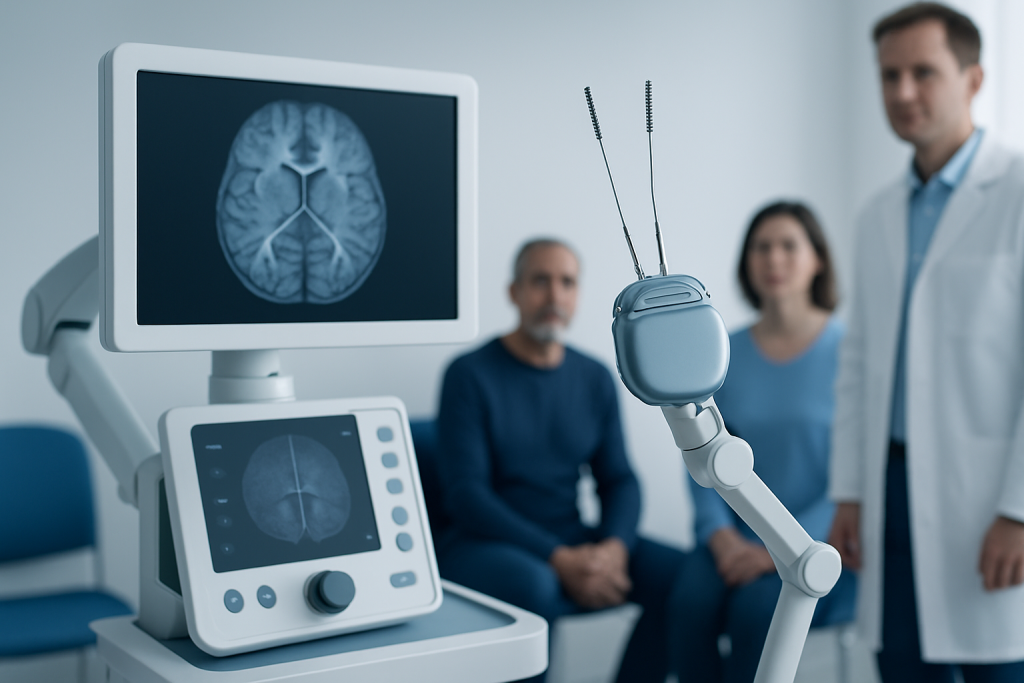
Deep brain stimulation, often called DBS, is a surgical treatment used for select neurological conditions, most commonly movement disorders such as Parkinson’s disease, essential tremor, and dystonia. It works by delivering carefully controlled electrical impulses to specific brain circuits through thin implanted leads connected to a pulse generator placed under the skin.
For many people, the key question is not simply whether DBS exists, but whether it fits their situation. That decision depends on the diagnosis, symptom pattern, response to medication, overall health, and the person’s ability to participate in the follow-up that DBS always requires. In other words, DBS is as much a process as it is an operation.
Because DBS is usually reserved for people whose symptoms remain disruptive despite good medical treatment, the evaluation is deliberate and multidisciplinary. The aim is to identify those most likely to benefit, while also recognizing when another path may be safer or more useful.
Symptoms and conditions DBS may help
DBS is most often discussed when a movement disorder interferes with daily life despite appropriate therapy. A person may be seeking help for tremor that makes eating or writing difficult, stiffness and slowness that limit independence, or involuntary movements that are linked to long-term medication use in Parkinson’s disease.
Some of the conditions commonly considered for DBS include:
- Parkinson’s disease with motor fluctuations, tremor, or medication-related dyskinesias
- Essential tremor that remains disabling despite medication
- Dystonia, especially when it causes persistent twisting or abnormal postures
- Selected other movement disorders in specialized centers
DBS is not intended for every symptom in these conditions. It tends to help movement-related features more than non-motor issues such as memory changes, balance problems unrelated to medication timing, or sleep and mood symptoms. A thorough conversation about expectations is therefore an important part of the workup.
Who is a candidate?

There is no single checklist that makes someone a DBS candidate, but several themes appear again and again. A person is more likely to be considered if the diagnosis is clear, symptoms are still difficult to manage, and standard medications or other therapies have not provided enough relief or have caused limiting side effects.
Clinicians also look for the kind of symptom pattern DBS is known to improve. In Parkinson’s disease, that may mean good benefit from levodopa during “on” periods, but troublesome fluctuations, tremor, or dyskinesias that break through. In essential tremor, the issue is usually a tremor that affects practical tasks even after medication trials. In dystonia, the question is whether the pattern of muscle overactivity is likely to respond to stimulation over time.
Equally important is what DBS should not be expected to fix. Advanced dementia, uncontrolled psychiatric illness, severe frailty, or major medical problems may make the procedure less suitable. The team also considers whether the person can attend follow-up visits, understand the programming process, and work with the care plan after surgery.
What the workup takes
The DBS evaluation is typically broader than a single clinic visit. A movement-disorder neurologist usually leads the assessment, and the person may also meet a functional neurosurgeon, neuropsychologist, and other specialists depending on the case. For international patients, this phase often starts before travel with records review, medication lists, and prior imaging sent ahead of time so appointments can be used efficiently.
Common parts of the workup include a detailed neurologic examination, review of medication response, and careful discussion of which symptoms matter most in daily life. Many centers ask the person to describe “good days,” “bad days,” side effects, falls, speech changes, and the time of day when symptoms are strongest. This helps the team judge whether the problem is truly one DBS can address.
Brain imaging, usually MRI or sometimes CT, helps map anatomy and rule out other concerns. Neuropsychological testing checks thinking, memory, attention, and mood because DBS planning depends not only on motor symptoms but also on brain health as a whole. Some patients also have physical therapy, speech or swallowing assessment, or medical clearance to make sure surgery and recovery are as safe as possible.
How doctors decide whether DBS makes sense
The decision is rarely about one test result. Instead, the team weighs the full picture: diagnosis, symptom burden, medication response, brain imaging, cognitive testing, emotional health, and overall ability to engage with follow-up care. The goal is to choose people whose symptoms are likely to improve in meaningful ways, not simply to confirm that surgery is technically possible.
In Parkinson’s disease, one helpful clue is whether levodopa clearly improves symptoms, even if the benefit does not last long enough or side effects later become troublesome. For essential tremor, the question is often whether the tremor is the main obstacle and whether medications have already been tried or are not tolerated. In dystonia, the team considers the type of dystonia, how long it has been present, and whether the pattern is one that generally responds to DBS.
Just as important is shared decision-making. A person may technically qualify for DBS but still prefer to continue medical treatment if symptoms are manageable. Others may choose surgery because the daily trade-offs of medication timing, wear-off periods, or involuntary movements have become too limiting. The best decision is the one that matches both clinical facts and personal priorities.
Treatment options and what happens after surgery
DBS treatment is usually staged carefully. During surgery, electrodes are placed in the targeted brain area and connected to a pulse generator, often called a battery or stimulator. After recovery, the device is programmed in clinic over several visits, because the settings need to be adjusted gradually to balance symptom control with side effects.
DBS is not a one-time fix. It works best when paired with ongoing neurologic follow-up, medication adjustments, and monitoring of speech, balance, mood, and battery life. Some people can reduce certain medications after programming, while others continue them at lower doses. The exact plan depends on the condition and how the person responds.
Potential risks include infection, bleeding, device discomfort, mood or speech changes, and the need for future hardware maintenance. These risks are discussed before surgery so that the choice is informed. For someone traveling from another country, planning should include enough time for surgery, initial programming, wound checks, and a realistic handoff to a local physician for longer-term follow-up if needed.
Prevention and self-care before and after DBS
DBS is not something a person can prevent or manage alone, but preparation makes a meaningful difference. Before surgery, patients are usually asked to keep medication routines stable unless their doctor advises otherwise, bring prior records, and describe symptoms honestly rather than only the “best” days. Clear information helps the team decide whether DBS is appropriate and how it should be targeted.
After surgery, self-care focuses on healing, safety, and communication. Incision care, activity restrictions, and device follow-up should be followed exactly as instructed by the surgical team. People are often advised to report fever, drainage, worsening headache, new neurologic symptoms, or concerns about the device promptly, even if the issue seems minor.
For longer-term success, it helps to keep a symptom diary, note medication changes, and attend programming visits consistently. Family members or caregivers can be valuable partners during recovery, especially if travel, language, or mobility challenges make coordination more complex.
When to see a doctor
A doctor’s evaluation is appropriate when a movement disorder begins to interfere with daily tasks, when medication benefit becomes unreliable, or when side effects from treatment become difficult to tolerate. It is especially important to seek a specialist opinion if tremor, slowness, stiffness, or involuntary movements are no longer responding in a predictable way.
Anyone considering DBS should meet a neurologist experienced in movement disorders before assuming surgery is the next step. The workup can clarify whether DBS is likely to help, whether another treatment would be better, and whether any medical or cognitive concerns need attention first.
After DBS surgery, urgent medical review is needed for signs of infection, sudden neurologic change, severe headache, wound problems, or unexpected worsening of symptoms. People traveling for care should make sure they know exactly whom to contact after returning home and how device programming will continue.
Acibadem Health Point’s multidisciplinary specialists and JCI-accredited hospitals diagnose and treat DBS candidates for international patients with coordinated, individualized care.
Living with the decision to pursue DBS
Choosing DBS often means deciding between two imperfect realities: ongoing symptoms managed with medication alone, or surgery with the promise of better control but also the commitment of follow-up care. That is why the strongest DBS decisions are never rushed. They are built from careful testing, realistic expectations, and a clear understanding of what matters most to the person and family.
For some patients, the process brings relief even before surgery, because the evaluation itself clarifies the diagnosis and opens a more structured treatment plan. For others, it confirms that DBS is not the right fit, which can be equally useful. Either way, the workup is designed to lead to a thoughtful, informed next step.
Frequently asked questions
What is the main purpose of a DBS workup?
The workup is meant to confirm the diagnosis, measure how symptoms affect daily life, and see whether DBS is likely to help. It also checks for medical, cognitive, or emotional issues that could change the plan or make surgery less suitable.
Is DBS only for Parkinson’s disease?
No. DBS is most commonly used for Parkinson’s disease, essential tremor, and dystonia, but it may be considered for selected other conditions in specialized centers. The exact use depends on the diagnosis and the expected response to stimulation.
How long does the DBS evaluation take?
It varies by center and by patient complexity. Some people complete most testing in a few visits, while others need additional imaging, cognitive testing, or medical clearance before a decision can be made.
Can someone have DBS if medication still helps a little?
Yes, sometimes. Many candidates still benefit from medication, but the medication may not control symptoms well enough or may cause side effects that limit daily life. The team looks at whether DBS can improve those specific problems.
Does DBS cure the underlying disease?
No, DBS does not cure the condition. It is designed to improve certain symptoms and reduce the burden of treatment, while the underlying neurologic disease still needs ongoing care.
What should international patients prepare for before traveling for DBS?
They should send prior records early, expect multiple appointments, and plan enough time for surgery, recovery, and initial programming. It also helps to arrange follow-up with a local neurologist for longer-term device management after returning home.
References
- National Institute of Neurological Disorders and Stroke
- Parkinson's Foundation
- American Association of Neurological Surgeons
- Mayo Clinic
- International Parkinson and Movement Disorder Society
This article is for general information only and is not a substitute for professional medical advice. Please consult a qualified doctor about your individual situation.