Neurology Second Opinions: Which Cases Benefit Most Before You Commit

Key Takeaways
- Second opinions are most useful when neurological symptoms are complex, evolving, or not responding as expected.
- They can help confirm a diagnosis, identify missing tests, or refine a treatment plan before surgery or long-term medication.
- A second opinion is not a sign of disloyalty; it is a normal part of making careful medical decisions.
- Sharing prior imaging, test results, medication lists, and symptom timelines helps the second neurologist review the case efficiently.
- International patients should plan for travel, records transfer, and follow-up before committing to an in-person consultation or procedure.
Medically reviewed by the Acıbadem clinical team — June 13, 2026
A neurology second opinion can be especially helpful when symptoms are unclear, treatment is not working, or a major procedure is being considered. It gives patients a structured way to confirm the diagnosis, compare options, and move forward with more confidence.
Overview
Neurology often asks patients to make decisions with incomplete pieces of information: a seizure that happened once, a tremor that comes and goes, numbness that does not follow a simple pattern, or a headache that changes character over time. In those moments, a second opinion can be less about disagreement and more about clarity.
A neurology second opinion is a review of a diagnosis, test result, or treatment plan by another neurologist. It can be particularly valuable when the problem is new, unusual, progressive, or headed toward a major decision such as long-term medication, injections, advanced imaging, or surgery. For international patients, it can also help confirm whether travel for treatment is truly worthwhile before making arrangements across borders.
The best second opinions are not rushed verdicts. They are careful reassessments that place symptoms, exam findings, scans, and prior treatments into a broader clinical picture. That broader view can reveal whether the current plan is appropriate, whether another diagnosis should be considered, or whether the next step should be observation rather than escalation.
Symptoms and situations that raise questions
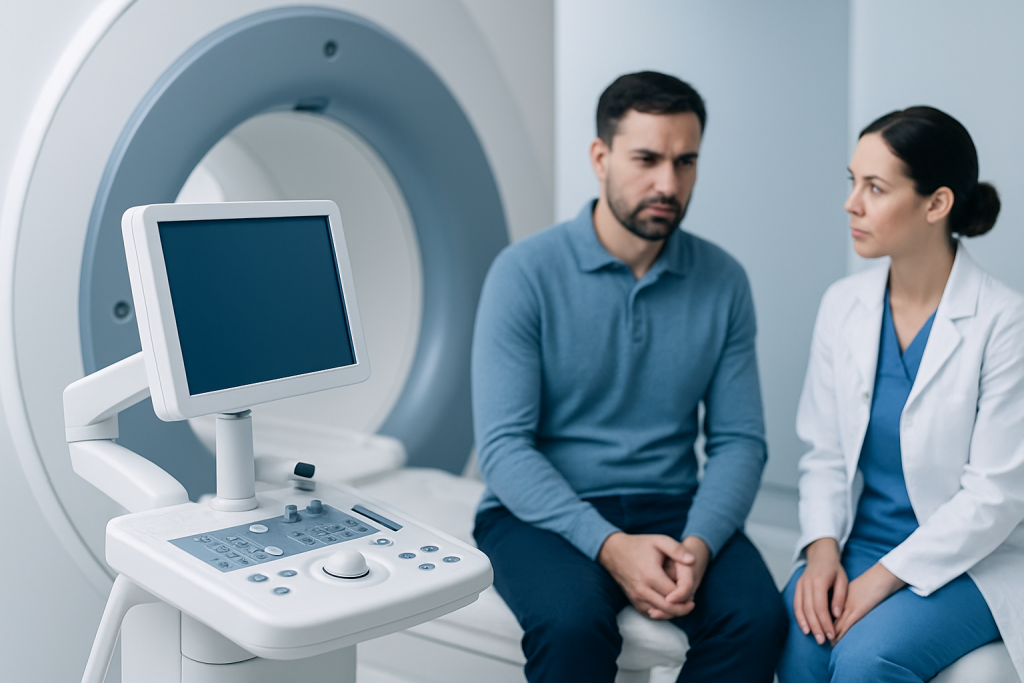
Some neurological complaints are straightforward, but many are not. A second opinion becomes especially useful when symptoms do not fit neatly into one diagnosis, when they overlap with other specialties, or when they change faster than expected. Patients often seek another review because the explanation they received does not fully match what they are experiencing.
Examples include repeated seizures despite treatment, persistent headaches with new features, dizziness that remains unexplained, movement changes such as tremor or stiffness, memory concerns that interfere with daily life, or numbness and weakness that move from one area to another. When symptoms are intermittent, hard to describe, or influenced by stress, sleep, medications, or other medical conditions, a fresh neurological assessment may add useful perspective.
- Seizures or episodes of loss of awareness that are not clearly classified
- Headaches that change pattern or remain difficult to control
- Balance problems, vertigo, or unexplained falls
- Tremor, stiffness, slowed movement, or other movement changes
- Memory loss, confusion, or cognitive decline
- Numbness, tingling, pain, or weakness with an uncertain cause
Patients may also benefit when one test result seems to contradict another, such as an MRI that does not match the exam or symptoms that do not look typical for a proposed condition. A second neurologist can help sort out whether the findings point to the same disease, a different disease, or a combination of issues.
Causes and risk factors for needing a second opinion

People do not usually seek a second opinion because one doctor has made a mistake. More often, they seek one because neurology is a field where the same symptom can have several possible explanations. Headache, weakness, dizziness, and numbness can arise from migraine, nerve disorders, spine problems, inflammation, medication effects, or even systemic illnesses. The challenge is not only finding a diagnosis, but finding the right one.
Certain circumstances make a second opinion more likely to add value. These include rare or complex disorders, symptoms that affect more than one part of the nervous system, an unexpected response to treatment, or a recommendation for a major intervention. International patients also face practical risk factors such as incomplete records, imaging performed in different countries, or follow-up that will need to continue after they return home.
Decision points that often justify another review include:
- Uncertainty about whether the diagnosis is correct
- Symptoms that worsen despite treatment
- A suggestion of surgery or another invasive procedure
- Conflicting interpretations of imaging or electrophysiology tests
- Need for a long-term medication plan with side effects to consider
- Concern that a rare disorder, autoimmune condition, or genetic issue may be missed
In these situations, a second opinion can reduce guesswork. It may confirm the original recommendation, but if it does not, that difference can be important before a patient commits time, money, or travel to the next step in care.
How neurologists evaluate the case
A high-quality neurology second opinion begins with the story. The neurologist will usually ask when symptoms started, what they look like, how long they last, what worsens or relieves them, and whether there are associated signs such as fever, weakness, vision changes, speech problems, fainting, or cognitive changes. The pattern over time often reveals more than any single test.
Most second-opinion visits also include a review of prior records. That may involve MRI or CT reports, EEGs, nerve conduction studies, blood tests, hospital summaries, medication lists, procedure notes, and previous specialist opinions. If the patient is traveling from abroad, sending these materials in advance can make the visit far more efficient and allow the neurologist to focus on the real decision point rather than repeating the entire workup from scratch.
Depending on the concern, the neurologist may recommend:
- A focused neurological examination
- Review or re-reading of scans and test results
- Additional imaging or laboratory testing
- Referral to another specialist such as neurosurgery, rehabilitation, or ophthalmology
- Observation with a clear follow-up plan if immediate treatment is not needed
The purpose is not to multiply tests unnecessarily. It is to determine whether the current evidence supports the diagnosis and whether the proposed treatment is the most sensible next step.
Treatment options and decision-making before you commit
A second opinion can affect treatment in several ways. Sometimes it confirms the current plan and gives the patient the reassurance needed to proceed. Sometimes it suggests a more conservative approach, such as medication adjustment, symptom tracking, or time for the condition to declare itself more clearly. In other cases, it may open the door to a different treatment class entirely.
Neurological treatment can involve medication, rehabilitation, procedures, or surgery, depending on the condition. A second opinion is especially helpful before committing to therapies that are long-term, complex, or hard to reverse. This is true for epilepsy medication plans, movement disorder therapies, migraine prevention strategies, autoimmune neurologic treatment, and operations for spine or brain-related conditions.
Patients may want a second opinion when the plan includes:
- Long-term antiseizure or symptom-control medication
- Botulinum toxin or infusion-based therapy
- Deeply invasive or irreversible procedures
- Neurosurgery for tumors, aneurysms, spinal compression, or select movement disorders
- Complex rehabilitation needs after stroke, injury, or nerve damage
For international patients, this stage matters even more. A second neurologist can help clarify whether treatment should happen during one trip, whether a procedure can wait, and what follow-up will be needed after returning home. That planning can prevent avoidable delays and make care feel much more manageable.
Prevention and self-care while arranging a second opinion
There is no way to prevent every neurological problem, but patients can make the second-opinion process smoother and more useful. Preparing a concise timeline of symptoms, bringing a complete medication list, and gathering all previous reports helps the neurologist see the full picture quickly. If symptoms come and go, notes about timing, triggers, sleep, stress, hydration, menstrual cycles, alcohol use, and recent infections may be surprisingly helpful.
Self-care during this period should stay practical and safe. It is usually wise to keep current medications unchanged unless a clinician advises otherwise, maintain regular sleep, stay hydrated, and avoid new supplements or over-the-counter products without checking for interactions. For headaches, seizures, dizziness, or balance problems, safety measures at home may include avoiding driving if advised, reducing fall risks, and having a plan for urgent evaluation if symptoms intensify.
A short checklist can help before the appointment:
- Compile MRI, CT, EEG, EMG, blood work, and discharge summaries
- Write down the exact symptom timeline in simple terms
- List current and past medications, including side effects
- Note any family history of neurological disease
- Prepare questions about diagnosis, alternatives, and follow-up
When the patient is traveling for care, it is also helpful to think ahead about follow-up access. If the plan depends on repeat scans or medication monitoring, those arrangements should be clear before leaving the consultation.
When to see a doctor
Patients should seek medical assessment promptly if neurological symptoms are new, worsening, or clearly affecting daily function. A second opinion is especially important when the first explanation does not fully account for the symptoms, when a major treatment is being proposed, or when the patient feels uncertain after a first consultation and needs more confidence before moving ahead.
Some situations should be reviewed urgently rather than scheduled casually. Sudden weakness, face drooping, trouble speaking, new confusion, a first seizure, severe headache unlike prior headaches, sudden vision loss, or loss of balance with other acute symptoms may need immediate medical attention. In those cases, the priority is prompt evaluation, not waiting for a second appointment.
For non-emergency concerns, a second opinion can be arranged in a measured way, especially if the patient has time to collect records and clarify what decision needs to be made. Acibadem Health Point’s multidisciplinary specialists and JCI-accredited hospitals can diagnose and treat neurological conditions for international patients, with an emphasis on coordinated review and follow-up planning.
Above all, a second opinion should help the patient feel informed rather than overwhelmed. When the diagnosis is nuanced, the treatment options are many, or the stakes are high, another expert perspective can turn uncertainty into a clearer next step.
Common conditions where second opinions are often helpful
Although any neurological concern can be reviewed, some conditions frequently benefit from a second opinion because the diagnosis or treatment path is especially nuanced. Epilepsy is one example, particularly when episodes continue despite medication or when it is unclear whether events are seizures, fainting, or something else. Headache disorders, especially chronic migraine and headaches with changing features, also often justify another look.
Movement disorders such as Parkinsonian syndromes, essential tremor, and atypical tremor patterns may benefit from a specialist review, as can memory and cognitive concerns where the cause is not yet certain. People with multiple sclerosis, neuropathy, spinal cord symptoms, brain tumors, aneurysms, or complex postoperative questions may also seek a second opinion to understand whether the recommended plan is the most appropriate one.
In each of these areas, the goal is not to delay care indefinitely. It is to make sure that the chosen path fits the diagnosis, the patient’s overall health, and the realities of treatment after returning home.
Frequently asked questions
When is a neurology second opinion most useful?
It is most useful when the diagnosis is uncertain, symptoms are complex, or treatment has not worked as expected. It is also valuable before surgery or another major, difficult-to-reverse intervention. Many patients seek one simply to feel more certain about the next step.
Should a patient wait until the first neurologist has ordered every test?
Not necessarily. In some cases, a second opinion early in the process can prevent unnecessary testing or help choose the right test first. In other cases, it is best to bring a completed workup so the second neurologist can review the full picture.
What records should be shared for a second opinion?
MRI or CT reports, EEG or nerve test results, blood work, hospital discharge papers, a medication list, and prior specialist notes are helpful. A brief symptom timeline is also valuable. The more complete the records, the more focused the consultation can be.
Can a second opinion change the diagnosis?
Yes, sometimes it can clarify or refine the diagnosis, especially when symptoms overlap with several possible conditions. In other cases, it confirms the original conclusion and gives the patient confidence to proceed. Either outcome can be useful.
Is asking for a second opinion a sign of mistrust?
No. In neurology, where symptoms can be subtle and test results do not always tell the whole story, second opinions are a normal part of careful care. Most clinicians understand and support them.
What if the patient is traveling from another country?
It is important to plan for record transfer, follow-up, and any repeat testing that may be needed after the visit. A second-opinion consultation can help determine whether travel for treatment is appropriate and what coordination will be needed once the patient returns home.
References
- American Academy of Neurology
- National Institute of Neurological Disorders and Stroke
- World Health Organization
- Mayo Clinic
- Cleveland Clinic
This article is for general information only and is not a substitute for professional medical advice. Please consult a qualified doctor about your individual situation.