Word Salad

Key Takeaways
- Word salad is not a diagnosis itself; it is a symptom of a brain or language problem.
- It can appear suddenly after a stroke, head injury, seizure, or other neurological event.
- A thorough medical evaluation is needed to identify the underlying cause and guide treatment.
- Speech therapy and rehabilitation may help when the cause affects language function.
- Sudden word salad, especially with weakness or facial droop, needs urgent medical attention.
Word salad is a language disturbance in which words are strung together in a way that makes speech difficult to understand. It is usually a sign of an underlying brain or neurological condition and should be evaluated by a qualified clinician.
Overview
Word salad is a descriptive term for speech that sounds jumbled, disconnected, or difficult to follow. A person may use real words, but the sentence structure, word choice, or links between ideas can become so disrupted that the message no longer makes sense to listeners.
In medical practice, this pattern is usually treated as a symptom rather than a condition on its own. It often points to a problem affecting language networks in the brain, such as aphasia after a stroke, or to other neurological or psychiatric causes that interfere with how words are organized and spoken.
For patients and families, the experience can be unsettling because communication suddenly feels unfamiliar. The good news is that identifying the cause early can open the door to targeted treatment, rehabilitation, and a clearer recovery plan.
What it can sound like
Word salad can range from mild to severe. In some cases, a person knows what they want to say but the words come out in the wrong order. In others, speech may include unrelated words, made-up words, or phrases that do not connect logically.
It is different from simply being tired, nervous, or having an accent. Listeners usually notice that the person’s speech no longer follows a normal path, even if the tone and effort sound otherwise ordinary. The speaker may not recognize that the message is difficult to understand.
Common speech features may include:
- Sentences that are grammatically broken or incomplete
- Words used in the wrong context
- Unrelated ideas mixed into one sentence
- Made-up or substituted words
- Difficulty finding the right word, followed by rapid, confusing speech
Causes & risk factors

Word salad can arise when the brain areas responsible for language, attention, memory, or executive function are disrupted. One of the most important causes is stroke, particularly when it affects the left side of the brain where language processing is often located.
Other neurological causes may include traumatic brain injury, brain tumors, infections, certain seizure disorders, dementia, or inflammatory conditions that affect the brain. In some situations, severe psychiatric illness can also be associated with disorganized speech, although a medical cause should always be considered and ruled out first when the change is new or sudden.
Risk depends on the underlying condition, but factors that increase the chance of language disturbance may include:
- History of stroke or transient ischemic attack
- High blood pressure, diabetes, high cholesterol, or smoking
- Head trauma
- Seizure disorders
- Progressive neurological disease
When planning care, international patients often benefit from a team that can assess both the language symptom and the broader medical history, especially if records are spread across different countries or health systems.
Diagnosis
Diagnosis begins with a clinical conversation and a neurological examination. A clinician will usually ask when the speech change began, whether it came on suddenly or gradually, and whether there are other symptoms such as weakness, confusion, vision changes, headache, or seizure activity.
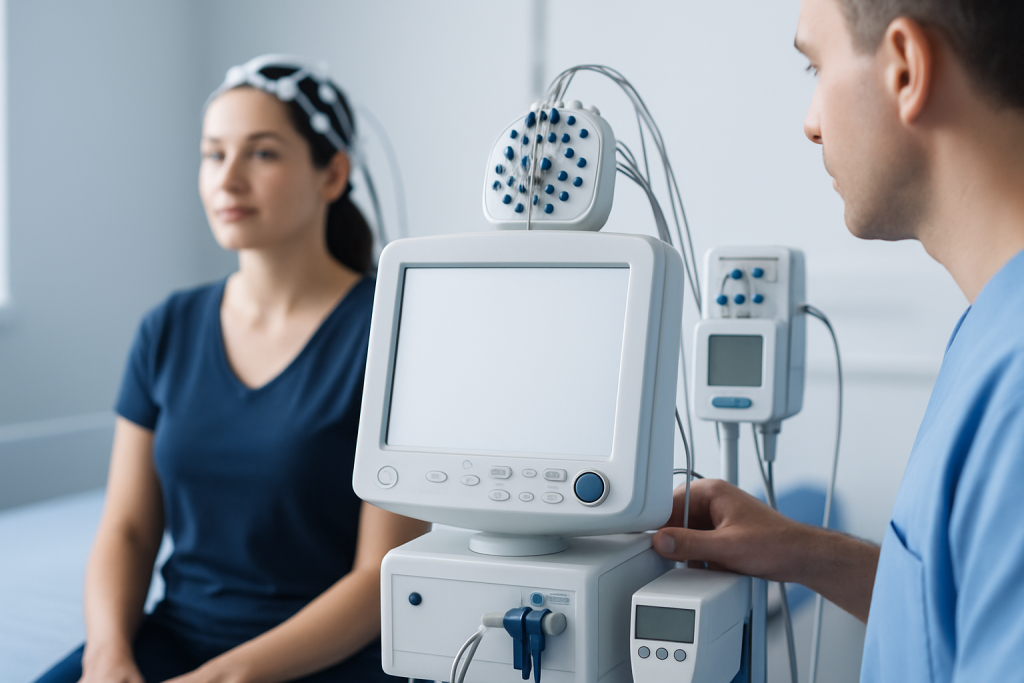
Because word salad may be linked to urgent conditions like stroke, imaging is often important. Brain scans such as CT or MRI can help identify bleeding, reduced blood flow, masses, or other structural problems. Depending on the situation, blood tests, an electroencephalogram, or additional neurological assessments may also be needed.
Speech-language evaluation can help clarify the type of language difficulty present and whether the issue is primarily with word retrieval, comprehension, speech production, or a combination of these. A careful diagnosis is especially useful for patients traveling for treatment, since it helps coordinate the next steps before they return home.
Treatment options
Treatment focuses on the underlying cause, not on the term word salad itself. If a stroke is responsible, urgent hospital treatment may be needed. If the cause is an infection, seizure disorder, brain injury, or another neurological problem, care is tailored to that condition.
When language function is affected, speech and language therapy is often a central part of recovery. Therapy may help improve naming, sentence structure, comprehension, and communication strategies. In some cases, occupational therapy, cognitive rehabilitation, or psychological support may also be useful, particularly when the symptom affects daily life, work, or confidence.
Because recovery can be gradual, especially after brain injury or stroke, follow-up matters. Patients may need a structured plan that includes medication management, therapy sessions, repeat imaging or examinations, and guidance for family members who are helping with communication at home.
Prevention & self-care
Not every cause of word salad can be prevented, but reducing risk for brain and vascular disease can lower the chance of some major triggers, especially stroke. Good control of blood pressure, blood sugar, and cholesterol, along with not smoking, are widely recommended protective steps.
If a person already has a neurological condition, it helps to stay engaged with routine care, take prescribed medicines as directed, and report any new speech change promptly. Family members can support communication by speaking slowly, using short sentences, allowing extra time for responses, and reducing background noise.
Practical self-care during recovery may include:
- Keeping a written list of symptoms and when they appear
- Bringing previous scans, reports, and medication lists to appointments
- Using simple yes/no questions when speech is difficult
- Resting when fatigue makes communication worse
- Following therapy exercises consistently, if prescribed
For patients receiving care away from home, planning ahead for follow-up visits and therapy access can make recovery more manageable after travel.
When to see a doctor
Any new or sudden change in speech deserves medical attention. If word salad appears suddenly, especially with facial drooping, arm weakness, confusion, severe headache, trouble walking, vision loss, or loss of consciousness, emergency care is needed right away because stroke must be ruled out quickly.
Even when symptoms are less dramatic, a clinician should evaluate persistent or unexplained language changes. Gradual changes can still reflect a neurological problem that benefits from timely diagnosis and treatment. Early assessment may also help separate language difficulty from hearing loss, medication effects, or other conditions that can mimic it.
Patients seeking a second opinion or coordinated neurological workup may benefit from a center that can combine imaging, specialist review, and rehabilitation planning in one pathway. Acibadem Health Point’s multidisciplinary specialists and JCI-accredited hospitals diagnose and treat neurological conditions for international patients, with attention to both medical needs and practical follow-up.
Living with language changes
Living with a language disturbance can affect work, family roles, and social confidence. Many patients feel frustrated when they cannot express familiar thoughts clearly, and family members may feel uncertain about how to respond. These reactions are understandable, and they often improve when a clear diagnosis and therapy plan are in place.
Support works best when it is realistic and specific. Short conversations, written reminders, patient communication boards, and patience from caregivers can make daily life less stressful while the brain heals or treatment takes effect. Small gains in clarity can be meaningful, especially when they help a person reconnect with everyday routines.
If the symptom is part of a longer-term neurological condition, ongoing rehabilitation and regular review can help preserve communication skills and adjust support as needs change. A qualified doctor or speech-language specialist can advise on the most useful next steps for the individual situation.
Frequently asked questions
Is word salad the same as aphasia?
Not exactly. Word salad is a way of describing disorganized speech, while aphasia is a broader language disorder that can affect speaking, understanding, reading, or writing. Word salad may occur as part of certain types of aphasia, especially after a stroke or other brain injury.
Can stress cause word salad?
Stress can affect concentration and fluency, but true word salad usually suggests more than everyday stress. If speech suddenly becomes jumbled or hard to understand, a medical evaluation is important to look for neurological or other causes.
Does word salad always mean stroke?
No, but stroke is one of the most important causes to rule out, especially if the change is sudden. Other possible causes include head injury, seizure disorders, brain infection, tumors, dementia, or some psychiatric conditions.
How is word salad treated?
Treatment depends on the underlying cause. If the issue is due to a stroke or another brain condition, care may include urgent medical treatment, medication, and rehabilitation such as speech therapy.
Can speech therapy help?
Yes, speech and language therapy can be very helpful when language networks are affected. It does not cure every cause, but it can improve communication skills, teach strategies, and support recovery.
When should emergency help be called?
Emergency help should be called if word salad appears suddenly or comes with weakness, facial droop, confusion, vision changes, severe headache, or trouble walking. These can be signs of a stroke or another urgent neurological problem.
References
- National Institute on Deafness and Other Communication Disorders
- American Stroke Association
- Mayo Clinic
- National Institute of Neurological Disorders and Stroke
- World Health Organization
This article is for general information only and is not a substitute for professional medical advice. Please consult a qualified doctor about your individual situation.