Neurodivergent

Key Takeaways
- Neurodivergent is an umbrella term, not a diagnosis.
- Neurodivergence may involve autism, ADHD, dyslexia, dyspraxia, and other differences.
- Traits can affect attention, communication, sensory processing, learning, and daily routines.
- Assessment is individualized and often involves medical, developmental, and psychological input.
- Support focuses on practical strategies, accommodations, therapy, and strengths-based care.
Neurodivergent is a broad term for people whose brains process, learn, communicate, or experience the world in ways that differ from what is considered typical. Understanding this term can help families and adults make sense of strengths, challenges, and the right kind of support.
Overview
The word neurodivergent is used to describe people whose brains develop or function in ways that differ from the most common pattern. It is an umbrella term, which means it is not a diagnosis on its own. Instead, it includes a wide range of neurological and developmental differences, such as autism, ADHD, dyslexia, and dyspraxia.
For many people, the term offers a more respectful and complete way to talk about differences that affect learning, communication, attention, movement, or sensory experience. It shifts the focus away from what a person “lacks” and toward how that person thinks, copes, and thrives. In everyday life, that perspective can make it easier for families, schools, and workplaces to choose the right support.
Neurodivergence can be recognized in childhood, but many people first understand it in adolescence or adulthood, sometimes after years of feeling misunderstood. That is especially relevant for international patients who are seeking answers across different countries, where diagnostic pathways and support systems may vary. A clear explanation can help people decide what kind of assessment is appropriate and what follow-up care may be useful after travel or relocation.
Signs and Common Experiences
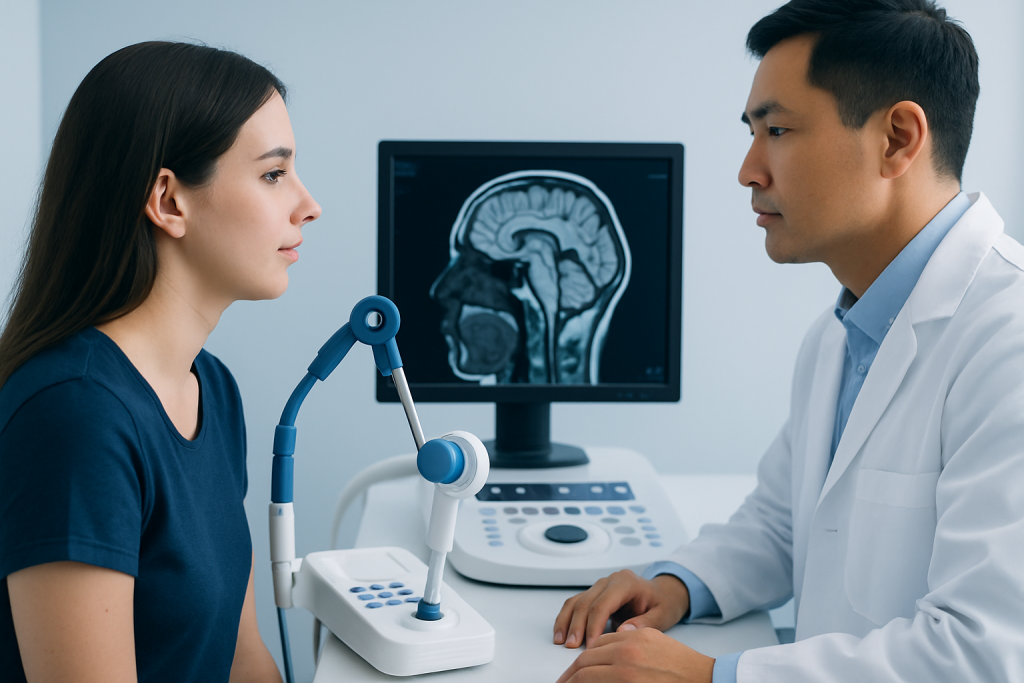
There is no single set of traits that defines all neurodivergent people. Some notice differences in focus, organization, or time management. Others experience strong sensory reactions, such as discomfort with noise, light, textures, or crowded spaces. Some people find social communication tiring or less intuitive, while others have no difficulty socially but struggle with learning or executive functioning.
Common experiences can include:
- Difficulty sustaining attention or shifting between tasks
- Intense interest in specific topics
- Needing predictable routines or clear transitions
- Sensitivity to sound, touch, taste, smell, or light
- Reading, spelling, writing, or motor coordination challenges
- Feeling overwhelmed by busy environments
- Differences in speech, language, or social interaction
These experiences can appear very differently from person to person. One adult may excel at pattern recognition but struggle with meetings and deadlines. Another may learn best through hands-on instruction but need extra time to process verbal information. The pattern matters more than any one trait, and the same person may have both strengths and difficulties.
Why Neurodivergence Happens

Neurodivergence usually reflects natural variation in brain development and function. In many cases, it has a strong genetic component, although the exact causes are often multifactorial and not fully understood. It is not caused by poor parenting, lack of effort, or a person’s character.
Some neurodivergent traits are linked to differences in how the brain manages attention, language, sensory input, planning, or social information. Environmental factors may influence how those traits show up in daily life, but they do not explain everything. A supportive environment can reduce stress, while an unsupportive one can make existing difficulties more visible.
It is also common for neurodivergent people to have more than one condition. For example, someone may have ADHD and anxiety, or autism and sleep difficulties. Looking at the whole person is important because overlapping concerns can change the kind of help that is most useful.
How Assessment Is Done
Because neurodivergent is not a formal diagnosis, the assessment process depends on the specific concerns. A clinician may evaluate for autism, ADHD, a learning disorder, developmental delay, or another condition. The evaluation often includes a detailed history, questionnaires, observation, and information from school, family, or previous healthcare providers.
For children, assessment may involve pediatric, neurological, psychological, and speech-language input. For adults, the process may focus on current symptoms and how they affect work, relationships, and daily routines. In some cases, doctors also review hearing, vision, sleep, mood, or medical issues that can influence concentration and behavior.
A helpful assessment does more than confirm a label. It explains how the person functions day to day, identifies strengths, and points to practical supports. For patients traveling from another country, it can be useful to gather previous reports, school records, therapy notes, and a list of questions before the appointment so the evaluation can be as efficient as possible.
Support and Treatment Options
There is no single treatment for being neurodivergent, because the goal is not to “fix” a person’s brain. Support is tailored to the specific condition and the difficulties it creates. For some people, the most important help is structured routines and accommodations. For others, therapy, educational support, or medical treatment may improve daily functioning.
Common supports may include:
- Behavioral or skills-based therapy
- Speech and language therapy
- Occupational therapy for sensory or motor needs
- Educational accommodations and individualized learning plans
- Coaching for organization, planning, and time management
- Treatment for related conditions such as anxiety, sleep issues, or mood concerns
Medication may be considered for certain diagnoses, such as ADHD, when symptoms are significantly affecting daily life. The decision is individualized and should be made with a qualified clinician after discussing benefits, risks, and alternatives. A strengths-based approach is usually most effective, because it builds on what the person already does well rather than focusing only on deficits.
Everyday Strategies and Self-Care
Practical adjustments often make a meaningful difference. Predictable routines, written instructions, quiet workspaces, noise reduction, and visual reminders can lower stress and improve follow-through. Breaking larger tasks into smaller steps can also make school, work, and household responsibilities feel more manageable.
Self-care should be realistic rather than idealized. Good sleep habits, regular meals, movement, and downtime matter, but the right rhythm will look different for each person. Some neurodivergent people benefit from sensory tools, calendar apps, task lists, or advance notice before changes in plans. Others need help identifying burnout early and building recovery time into the week.
Families and partners can support by being specific, calm, and consistent. Clear communication is often more useful than broad encouragement alone. When someone is traveling for care or returning home after an evaluation, it can help to leave with a written plan that summarizes the findings, next steps, and who to contact for follow-up.
Living With Neurodivergence Across School, Work, and Travel
Neurodivergence affects daily life in ways that may change across settings. A person may do well in one environment and struggle in another, depending on structure, sensory load, and expectations. School and work accommodations can make a major difference, especially when they are matched to the individual rather than based on assumptions.
For international patients, continuity of care is especially important. If an assessment or treatment plan begins in one country and continues in another, it helps to keep copies of reports, medication lists, therapy summaries, and school or workplace recommendations. That makes it easier for local clinicians to continue support without repeating the entire process.
Many people also find it useful to connect with clinicians who understand both the medical and practical sides of neurodivergence. At Acibadem Health Point, multidisciplinary specialists and JCI-accredited hospitals diagnose and treat these conditions for international patients, with attention to coordinated care and follow-up planning.
When to See a Doctor
Medical advice is appropriate when differences in attention, learning, behavior, language, or sensory processing are affecting school performance, work, safety, relationships, or daily independence. An evaluation is also helpful if a person has long suspected neurodivergence and wants a clearer explanation of their experiences.
It is especially important to seek assessment if symptoms are new, worsening, or accompanied by headaches, seizures, significant sleep changes, severe anxiety, low mood, or loss of skills. These concerns may point to an additional condition that deserves attention. Children who are not meeting developmental milestones, or adults whose functioning has changed abruptly, should be assessed promptly.
A doctor can help determine whether the concerns fit a neurodevelopmental pattern, another medical issue, or a combination of factors. The earlier the right support begins, the more likely it is that the person can build confidence and stability in daily life.
A More Helpful Way to Understand Difference
Neurodivergent is a simple word with a meaningful purpose: it gives people a way to describe real differences without reducing them to a problem list. For many families, it is the beginning of a better conversation about learning, work, communication, and support.
When the term is used well, it encourages curiosity, not judgment. It helps clinicians ask better questions, schools adapt more thoughtfully, and adults understand themselves with more clarity. The most useful care is not one-size-fits-all; it is personal, practical, and grounded in how the person actually lives.
Whether the next step is an initial assessment, a second opinion, or a plan for ongoing support, a clear evaluation can turn uncertainty into a workable path forward.
Frequently asked questions
Is neurodivergent a medical diagnosis?
No. Neurodivergent is an umbrella term used to describe people whose brains function differently from the typical pattern. Specific diagnoses may include autism, ADHD, dyslexia, or other neurodevelopmental conditions.
Can someone be neurodivergent without knowing it?
Yes. Many people are first identified in adulthood, especially if their traits were masked, misunderstood, or attributed to other causes. A careful assessment can help clarify whether a formal diagnosis applies.
Does being neurodivergent mean there is something wrong?
Not necessarily. Neurodivergence describes difference, not defect, although some people do need support for symptoms that affect daily life. The goal is to understand needs and reduce barriers.
What kind of doctor should a person see for assessment?
The right specialist depends on the concern and the person’s age. Neurologists, psychiatrists, developmental pediatricians, psychologists, and speech-language or occupational therapists may all be part of the evaluation process.
Can neurodivergent people succeed at school and work?
Yes, especially when the environment fits their needs and strengths. Accommodations, clear communication, and the right treatment or coaching can make a substantial difference.
How can families support a neurodivergent child or adult?
Families can help by offering predictable routines, clear expectations, and respectful communication. It also helps to seek an individualized assessment so support matches the person’s specific profile rather than a general label.
References
- World Health Organization
- National Institute of Mental Health
- Centers for Disease Control and Prevention
- National Autistic Society
- American Psychiatric Association
This article is for general information only and is not a substitute for professional medical advice. Please consult a qualified doctor about your individual situation.