Neuropsychological Testing

Key Takeaways
- Neuropsychological testing measures thinking and behavior in a detailed, standardized way.
- It can help identify changes related to injury, illness, stroke, dementia, ADHD, or other neurological conditions.
- The results are used to support diagnosis, guide therapy, and plan school, work, or home accommodations.
- Testing is usually noninvasive and often includes interviews, questionnaires, and paper- or computer-based tasks.
- A qualified clinician interprets the results in the context of medical history, symptoms, and daily functioning.
Neuropsychological testing is a structured way to understand how the brain is supporting memory, attention, language, problem-solving, and other thinking skills. It can help clarify symptoms, guide treatment, and create a more practical plan for recovery and daily life.
Overview
Neuropsychological testing is a detailed assessment of how a person’s brain is affecting everyday thinking and behavior. Rather than looking at a single score, it examines patterns across memory, attention, language, visual skills, speed of thinking, problem-solving, and emotional functioning.
This kind of evaluation is often recommended when symptoms are not fully explained by routine exams alone. It can help a doctor understand whether a person’s difficulties are more consistent with a neurological condition, a mood or stress-related concern, a learning difference, or another cause that may be influencing cognitive performance.
For patients traveling from another country, the process is often part of a broader care plan. A specialist may use the results to decide whether imaging, blood tests, rehabilitation, medication changes, or follow-up with a neurologist or psychologist is most appropriate.
Symptoms and situations that may lead to testing
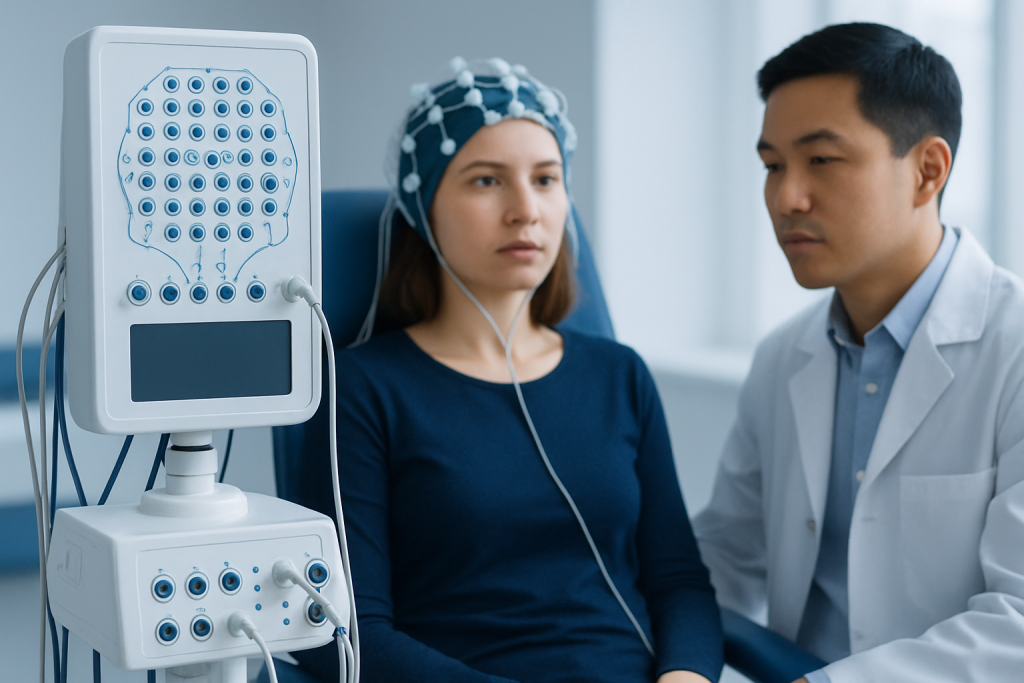
Neuropsychological testing is commonly ordered when someone reports memory lapses, trouble concentrating, slower thinking, word-finding problems, or difficulty organizing daily tasks. It may also be used after a concussion, stroke, seizure disorder, brain infection, or other condition that could affect cognition.
In some cases, family members notice changes before the patient does. Examples include repeating questions, getting lost in familiar places, struggling with work performance, or becoming unusually overwhelmed by tasks that were once manageable.
Testing may also be useful when a clinician wants to distinguish between similar-looking concerns. For example, anxiety, depression, sleep problems, medication effects, and early neurodegenerative disease can all affect thinking in different ways, and a structured assessment can help clarify the picture.
Causes and risk factors

There is no single reason someone is sent for neuropsychological testing. The assessment is a tool, not a diagnosis, and it becomes useful when a clinician needs to understand how several possible factors may be interacting. Age-related change, head injury, stroke, multiple sclerosis, Parkinson’s disease, epilepsy, and dementia are among the neurological conditions that can influence cognitive performance.
Non-neurological factors can matter too. Poor sleep, chronic pain, alcohol or substance use, thyroid disorders, vitamin deficiencies, medication side effects, and significant stress can all make thinking feel slower or less reliable.
Risk is also shaped by life context. A person who is under pressure to return to work, manage demanding caregiving responsibilities, or travel for care may notice subtle difficulties more clearly because everyday routines place more strain on attention and memory.
How the evaluation is performed
The appointment usually starts with an interview. The clinician asks about symptoms, medical history, medications, education, work history, sleep, mood, and how the person is functioning at home or in the workplace. This background is essential because test scores only make sense when matched with the person’s real-world situation.
After that, the patient completes a series of tasks. These may involve recalling words or stories, naming objects, solving puzzles, drawing shapes, answering questions, or using a computer. Some tasks are easy and some are intentionally challenging, because the pattern of strengths and weaknesses is more informative than any single result.
Testing can take several hours and may be completed in one visit or split across more than one session. Breaks are usually offered, and the environment is designed to reduce distractions so the clinician can measure brain-based performance as accurately as possible.
What the results can show
Results are interpreted by comparing performance across different skill areas and, when appropriate, by comparing the scores with age- and education-based expectations. A good report does more than label a weakness; it explains which abilities are affected, which remain intact, and how the pattern fits with the patient’s history.
The findings may help answer practical questions. Is memory truly impaired, or is attention the main issue? Is processing speed reduced after a stroke? Are language problems suggesting one type of neurological disorder more than another? These distinctions can shape treatment and follow-up.
Results can also guide daily-life planning. They may support workplace adjustments, school accommodations, rehabilitation goals, driving discussions, or family conversations about supervision and support needs.
Treatment options and how results are used
Neuropsychological testing does not treat a condition by itself, but it often becomes the foundation for treatment decisions. Depending on the findings, a doctor may recommend neurologic evaluation, cognitive rehabilitation, speech therapy, occupational therapy, psychotherapy, medication review, sleep treatment, or follow-up imaging and lab work.
If the evaluation suggests a progressive disorder, the results can help establish a baseline for later comparison. That makes it easier to monitor whether symptoms are stable, improving, or changing over time.
For international patients, the report is especially helpful when care continues after returning home. It can be shared with local doctors and therapists so follow-up is coordinated rather than restarted from the beginning.
Prevention and self-care
Not every cause of cognitive change can be prevented, but brain health is supported by habits that protect sleep, circulation, mood, and overall wellness. Regular physical activity, consistent sleep, balanced nutrition, and good management of blood pressure, diabetes, and cholesterol can all help reduce avoidable strain on cognition.
Practical self-care also matters during the evaluation process. Bringing a medication list, a family member’s observations, previous medical records, and a recent summary of symptoms can make the appointment more productive. Patients who are traveling should also plan for rest before testing, since fatigue can affect concentration.
- Keep a brief log of symptoms and when they occur.
- Ask a relative or caregiver to describe changes they have noticed.
- Try to sleep well before the appointment.
- Follow instructions about medications unless the clinician advises otherwise.
- Use the report to support realistic routines, not to define ability in a fixed way.
When to see a doctor
A doctor should be consulted if memory or thinking changes are new, worsening, affecting safety, or making daily tasks harder to manage. It is especially important to seek medical advice after a head injury, stroke symptoms, a seizure, or a sudden change in behavior or alertness.
Neuropsychological testing is also worth discussing when symptoms are subtle but persistent, or when several possible explanations exist and the next step is unclear. A primary care doctor, neurologist, psychiatrist, or rehabilitation specialist may recommend it as part of a broader assessment.
For patients seeking care abroad, it is reasonable to ask how the testing will fit into the rest of the journey: who will review the results, what will happen if additional imaging is needed, and how follow-up can continue once the patient is back home. At Acibadem Health Point, multidisciplinary specialists and JCI-accredited hospitals diagnose and treat this condition for international patients with coordinated care in mind.
Frequently asked questions
What is the purpose of neuropsychological testing?
The main purpose is to measure how different brain-based skills are working, such as memory, attention, language, and problem-solving. The results help clinicians understand the nature of symptoms and decide what type of treatment or follow-up may be needed.
Is neuropsychological testing the same as a memory test?
No. Memory is only one part of the evaluation. The assessment usually covers several thinking skills, which helps show whether memory is truly the main issue or whether attention, processing speed, language, or another area is contributing.
Do these tests diagnose dementia or ADHD?
They can provide important evidence that supports a diagnosis, but the results are usually interpreted together with medical history, symptoms, and other examinations. A diagnosis should come from a qualified clinician after considering the whole clinical picture.
How should a patient prepare for the appointment?
It is helpful to bring glasses, hearing aids, a medication list, and any prior brain scans or reports if available. Getting enough sleep and having a caregiver or family member share observations can also make the visit more useful.
Will the test show if symptoms are caused by stress or a neurological condition?
It can help clinicians see patterns that suggest one explanation over another, but it is not used in isolation. Stress, depression, sleep problems, and neurological disease can overlap, so the report is interpreted alongside the full medical assessment.
References
- American Academy of Clinical Neuropsychology
- American Psychological Association
- National Institute on Aging
- Mayo Clinic
- National Institute of Neurological Disorders and Stroke
This article is for general information only and is not a substitute for professional medical advice. Please consult a qualified doctor about your individual situation.