Stroke Symptoms In Women

Key Takeaways
- Stroke symptoms in women may include both classic signs and less typical symptoms such as sudden confusion, headache, or nausea.
- Time matters: any sudden change in speech, vision, balance, face, arm, or leg function should be treated as an emergency.
- Women may have stroke risk factors linked to pregnancy, hormonal changes, migraine with aura, atrial fibrillation, and high blood pressure.
- Diagnosis usually involves urgent neurological examination and imaging tests to identify the type of stroke.
- Prevention focuses on managing blood pressure, diabetes, cholesterol, smoking, and other personal risk factors with regular medical follow-up.
Stroke symptoms in women can be familiar, such as face drooping or arm weakness, but they may also appear in less expected ways like confusion, sudden fatigue, or nausea. Recognizing these signs quickly matters because a stroke is a medical emergency and earlier treatment may improve recovery.
Overview
A stroke happens when blood flow to part of the brain is interrupted or when a blood vessel in the brain breaks and bleeds. Without a steady blood supply, brain cells begin to lose oxygen and nutrients, which can affect speech, movement, vision, memory, and many other functions.
In women, stroke can look exactly like the warning signs many people have heard before, but it can also show up in less obvious ways. A woman may notice sudden weakness on one side, or she may simply feel unwell in a way that is clearly out of character for her, such as abrupt confusion or a severe headache that feels different from anything she has had before.
For international patients considering care away from home, it is especially important to understand that stroke requires immediate local emergency attention first. Once the urgent phase is over, specialist follow-up, rehabilitation, and secondary prevention can often be planned with a neurology team, whether treatment continues locally or through coordinated cross-border care.
Symptoms
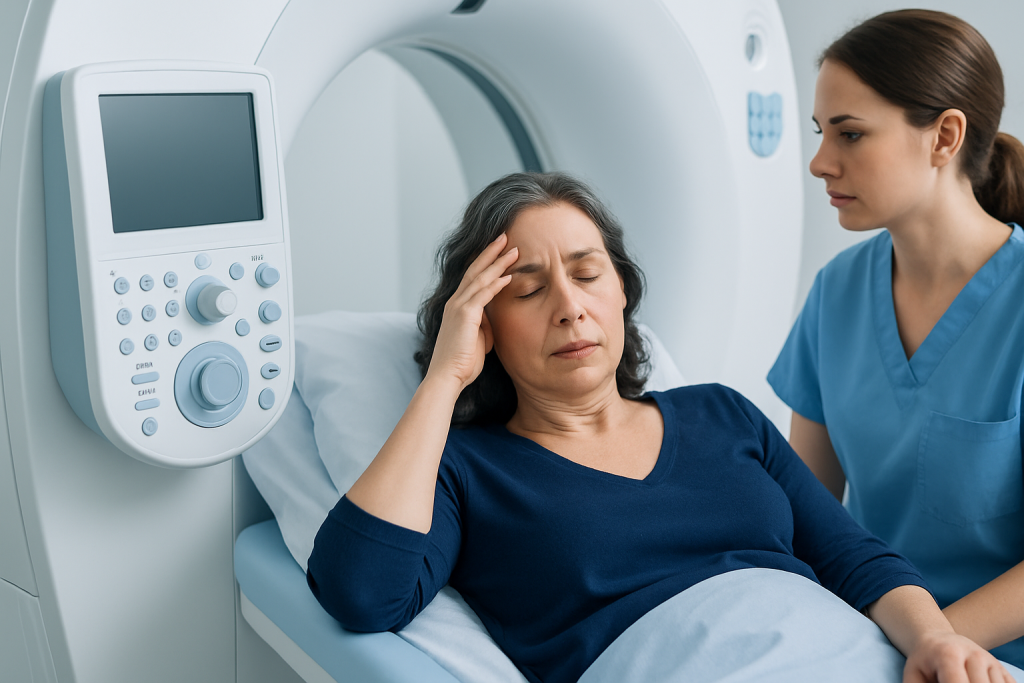
The most recognized stroke symptoms in women are sudden and unexpected changes in the face, arm, or speech. A person may develop a drooping mouth, weakness or numbness in one arm or leg, or slurred speech that appears within minutes rather than gradually over days.
Women may also experience symptoms that are less specific but still important. These can include sudden confusion, trouble understanding simple conversation, vision loss in one or both eyes, dizziness, loss of balance, severe headache, nausea, vomiting, or unusual fatigue. These symptoms are not exclusive to stroke, but when they begin abruptly, they deserve urgent assessment.
Common warning signs include:
- Face drooping or uneven smile
- Arm weakness or numbness on one side
- Speech that is slurred, unclear, or absent
- Sudden vision changes
- Sudden trouble walking, coordination problems, or vertigo
- Sudden severe headache, especially if it is unusual
Symptoms may be brief and then improve, which can be misleading. Even if the person seems better after a few minutes, the event may still be a transient ischemic attack, or TIA, which is a serious warning sign that needs prompt medical evaluation.
Causes & Risk Factors
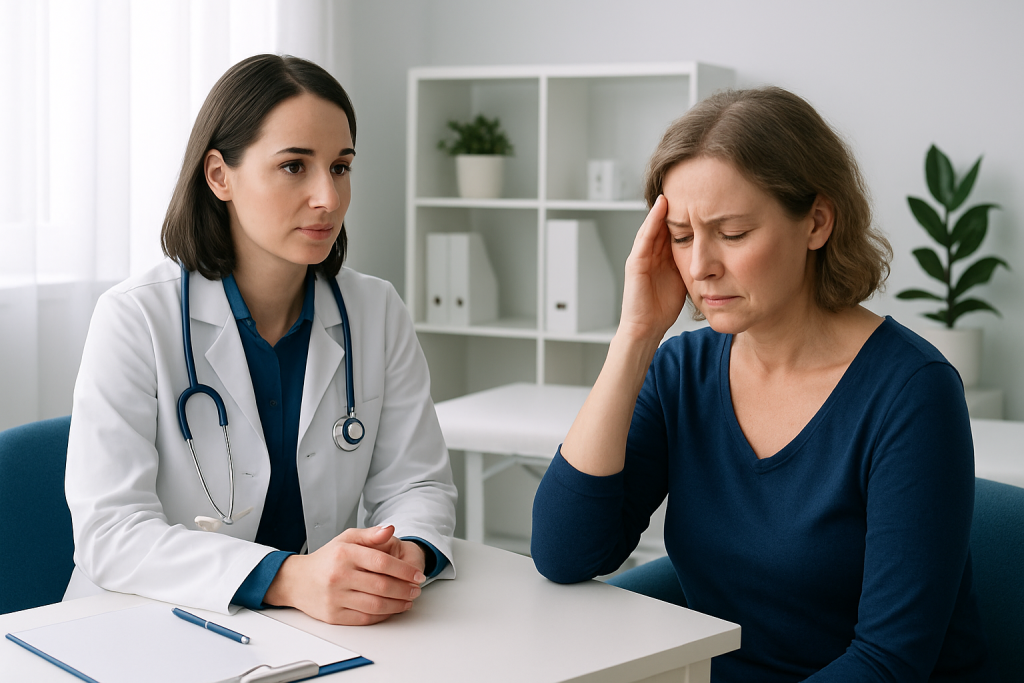
Stroke occurs for different reasons depending on whether a blood vessel is blocked or ruptured. An ischemic stroke, the more common type, is caused by a clot that stops blood from reaching the brain. A hemorrhagic stroke happens when a blood vessel tears and bleeds into or around the brain.
Women share many of the same risk factors as men, including high blood pressure, diabetes, high cholesterol, smoking, obesity, atrial fibrillation, and physical inactivity. Some risk factors are particularly relevant to women because of pregnancy, reproductive health, and longer life expectancy, which can affect overall stroke risk over time.
Factors that may raise stroke risk in women include:
- High blood pressure, especially if uncontrolled
- Pregnancy and the weeks after delivery
- Preeclampsia or gestational hypertension
- Use of estrogen-containing birth control or hormone therapy in some women, especially with other risk factors
- Migraine with aura
- Smoking
- Atrial fibrillation and other heart rhythm problems
- Diabetes, kidney disease, or vascular disease
Family history and age also matter. Risk rises with age, but stroke can occur at younger ages too, particularly when several risk factors are present or when a pregnancy-related condition, clotting disorder, or heart issue is involved.
Diagnosis
When stroke is suspected, doctors move quickly because the first hours can affect treatment choices. The evaluation usually begins with a neurological examination, blood pressure measurement, and questions about when the symptoms began. Knowing the exact time of onset helps the team decide which treatments may still be possible.
Imaging is central to diagnosis. A CT scan is often used first to check for bleeding in the brain, while an MRI may provide more detail about tissue injury or very early stroke changes. Blood tests, heart rhythm monitoring, and vascular studies may also be used to identify the cause and reduce the chance of another stroke.
For patients traveling from abroad, diagnosis may require coordination between emergency care, neurology, radiology, and sometimes cardiology. Bringing a list of current medications, known allergies, prior stroke or TIA history, and pregnancy or hormone-related information can help clinicians assess risk more accurately and efficiently.
Treatment Options
Treatment depends on the type of stroke. For ischemic stroke, doctors may use clot-busting medicine or a procedure to remove the clot in selected patients, provided they arrive in time and meet the medical criteria. For hemorrhagic stroke, treatment focuses on controlling bleeding, blood pressure, and brain pressure while monitoring for complications.
Supportive hospital care is often just as important as the procedure itself. This may include oxygen, fluid management, swallowing assessment, prevention of blood clots in the legs, and close observation for changes in neurological status. If speech, movement, or swallowing are affected, rehabilitation may begin early and continue after discharge.
After the emergency phase, treatment usually shifts toward preventing another stroke. Depending on the cause, a doctor may recommend medicines to reduce clotting risk, control blood pressure, manage cholesterol, or treat atrial fibrillation. Some patients also need carotid artery treatment, lifestyle support, or long-term rehabilitation for speech, balance, or strength recovery.
Prevention & Self-care
Many strokes can be prevented by identifying and treating the conditions that damage blood vessels over time. For women, prevention is often a combination of everyday habits, regular medical care, and careful attention to special situations such as pregnancy, menopause, or the use of hormonal medicines.
Helpful prevention steps include:
- Keeping blood pressure, blood sugar, and cholesterol under regular medical control
- Not smoking and avoiding secondhand smoke
- Staying physically active in a way that is safe and realistic
- Choosing heart-healthy meals and limiting excess salt and ultra-processed foods
- Discussing migraine with aura, clotting history, or hormone use with a doctor
- Following advice on atrial fibrillation or other heart conditions
Self-care after a stroke or TIA also matters. Recovery may involve therapy exercises, medication adherence, safe swallowing strategies, and follow-up visits to track progress. Women recovering while living abroad may benefit from a written care plan, translated medication list, and clear instructions for emergency contact if symptoms return.
When to See a Doctor
Emergency care is needed immediately if any stroke symptom appears suddenly, even if it improves within minutes. A person should not drive herself or wait to see whether the symptoms pass. Calling emergency services is the safest step, because stroke treatment depends on speed.
A doctor should also be contacted promptly after a TIA, because it is a warning that a larger stroke may follow. Any new neurological symptom after pregnancy, while using hormonal medication, or in the presence of atrial fibrillation, high blood pressure, or diabetes should be assessed without delay.
If a patient is looking for planned stroke evaluation, second opinion, rehabilitation, or long-term prevention support, a neurology team can help organize imaging, risk-factor review, and follow-up care. Acibadem Health Point’s multidisciplinary specialists and JCI-accredited hospitals also diagnose and treat stroke for international patients who need coordinated care.
Frequently asked questions
Are stroke symptoms in women different from men?
Many stroke symptoms are the same in women and men, including face drooping, arm weakness, and speech problems. Women may also have more nonspecific symptoms such as sudden confusion, fatigue, or nausea, which can make the event easier to miss. Any sudden neurological change should be treated as urgent.
Can a woman have a stroke without severe weakness?
Yes. Some strokes affect speech, vision, balance, or thinking more than strength. A sudden severe headache, confusion, dizziness, or trouble walking can still be a stroke warning sign and should not be ignored.
What is a TIA and why is it important?
A transient ischemic attack, or TIA, is a temporary blockage of blood flow to the brain. The symptoms may disappear, but it is a serious warning sign that a full stroke may happen later. Medical evaluation is important even if the person feels normal again.
Are younger women at risk for stroke?
Yes, stroke can occur at younger ages, especially if a woman has high blood pressure, smokes, has migraine with aura, uses certain hormonal medicines, or has pregnancy-related complications. Heart rhythm problems and clotting disorders can also increase risk. Age lowers risk in general, but it does not eliminate it.
What should someone do first if they suspect a stroke?
They should call emergency services immediately and note the time symptoms started, if known. It is safer not to eat, drink, or drive. Fast assessment gives doctors the best chance to choose the right treatment.
Can stroke be prevented?
Many strokes can be prevented or delayed by managing blood pressure, diabetes, cholesterol, smoking, and heart rhythm problems. Regular checkups and attention to pregnancy-related or hormone-related risk factors also help. Prevention works best when the underlying cause is identified early.
References
- American Stroke Association
- National Institute of Neurological Disorders and Stroke
- World Health Organization
- Centers for Disease Control and Prevention
- Mayo Clinic
This article is for general information only and is not a substitute for professional medical advice. Please consult a qualified doctor about your individual situation.