

Meniscus Repair or Meniscectomy: Which Choice Fits Your Tear Pattern?

Key Takeaways
- Meniscus repair aims to preserve tissue, while meniscectomy removes the damaged part.
- Tear location, shape, blood supply, age, and activity level all influence the surgical plan.
- Not every meniscus tear needs surgery; some improve with rest, rehabilitation, and activity changes.
- Recovery is usually longer after repair than after partial meniscectomy, because healing tissue must be protected.
- A knee specialist can help match the treatment to the tear pattern, symptoms, and long-term joint health goals.
Medically reviewed by the Acıbadem clinical team — June 13, 2026
A ACL Tear or Meniscus Tear: How Orthopedic Surgeons Tell Which One Matters More" class="ahp-ilk">meniscus tear does not automatically lead to one standard operation. The best choice often depends on where the tear is, how it behaves, and how much healthy tissue can be preserved.
Overview
The meniscus is a C-shaped piece of cartilage that helps cushion and stabilize the knee. When it tears, the question is often not simply whether surgery is needed, but which surgery preserves function best for that specific tear pattern.
Two common arthroscopic options are meniscus repair and meniscectomy. Repair attempts to stitch the torn tissue back together so it can heal, while meniscectomy removes only the damaged portion. The difference matters because preserving more of the meniscus may help protect the knee over time, but repair is only possible when the tear has a reasonable chance of healing.
For people seeking care from another country, this decision can feel even more important. Travel, rehabilitation planning, and follow-up visits all need to fit around the expected recovery timeline, so the procedure choice should be made with a clear understanding of the tear’s biology and the person’s day-to-day goals.
Symptoms
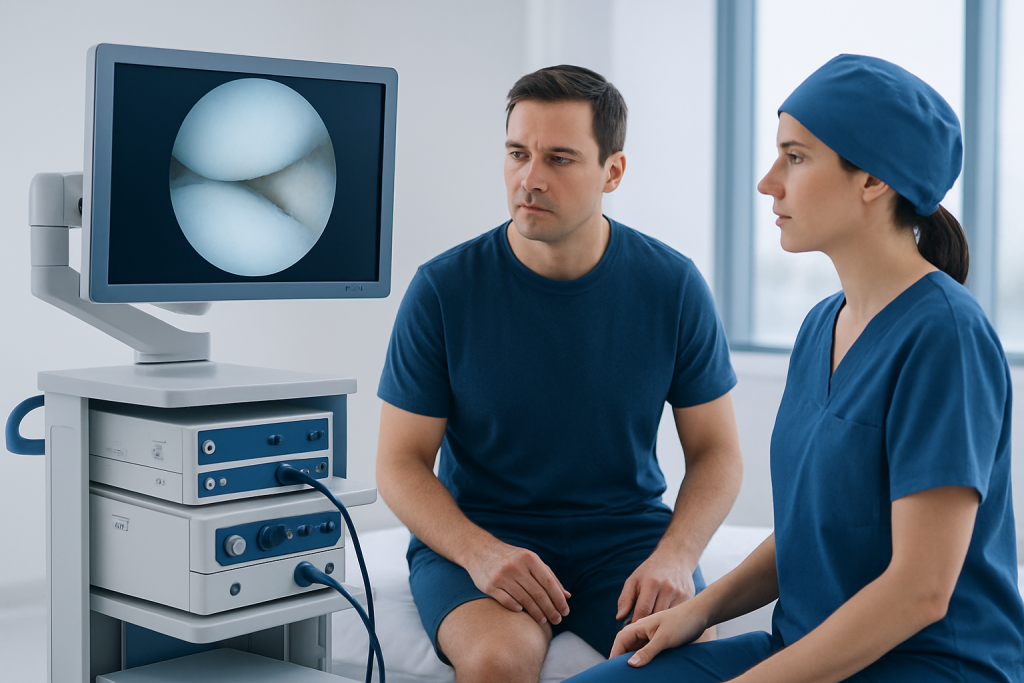
Meniscus tears do not always cause dramatic symptoms. Some people notice a twisting injury followed by pain, swelling, or difficulty bending the knee, while others develop symptoms more gradually with sports, kneeling, squatting, or everyday steps.
Common symptoms include pain along the joint line, swelling that may come and go, stiffness, a catching sensation, and sometimes the feeling that the knee is locking or giving way. A tear can also be silent on imaging while still being the source of discomfort, which is why symptoms and exam findings matter as much as the scan.
The exact symptom pattern can sometimes hint at the tear type. A flap or displaced tear may cause catching, while a degenerative tear may produce more aching and swelling after activity. Still, symptoms alone cannot determine whether repair or removal is the better option.
Causes & Risk Factors
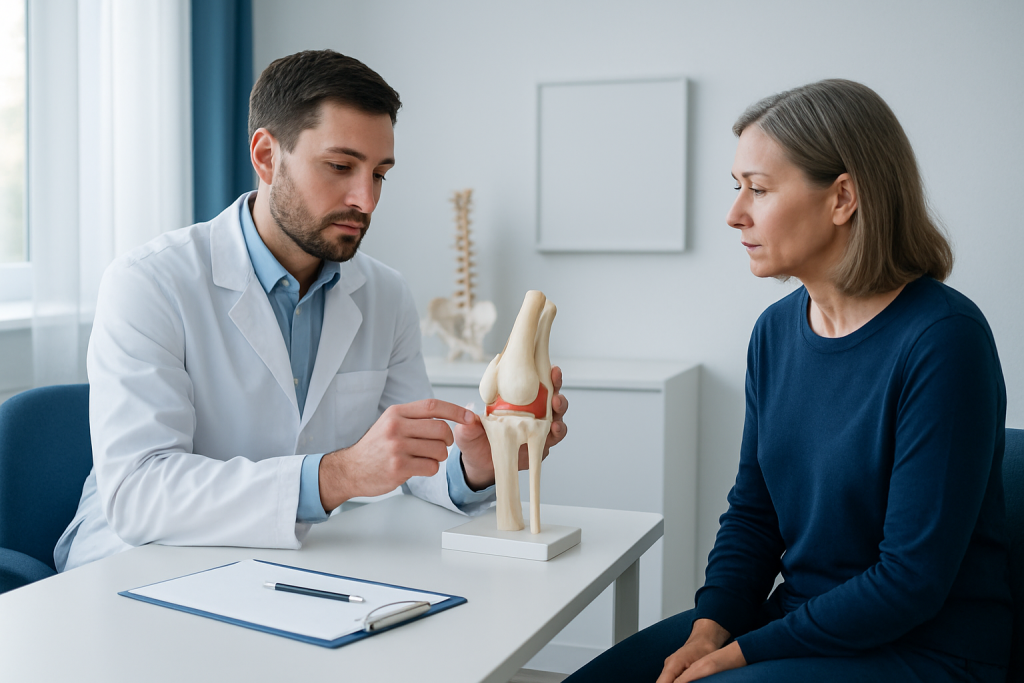
Meniscus tears can happen in two broad ways. In younger or more active people, a sudden twist, pivot, or deep squat may tear otherwise healthy tissue. In older adults, the meniscus may wear down gradually and tear with a lower-energy movement, sometimes as part of broader joint degeneration.
The tear pattern itself is important. Longitudinal, bucket-handle, radial, complex, flap, and root tears each behave differently. Tears in the outer, better-blood-supplied portion of the meniscus are more often repairable, while tears in the inner avascular zone are less likely to heal after stitching.
Risk factors for meniscus injury include sports that involve cutting and rotation, previous knee injury, ligament instability, muscle weakness, and age-related cartilage change. Body mechanics, alignment, and repetitive loading can also influence how a tear develops and whether it becomes symptomatic.
Diagnosis
Diagnosis usually begins with a detailed history and physical examination. A clinician will ask how the injury happened, where the pain is located, whether the knee swells, and whether the knee locks, catches, or feels unstable during specific movements.
Imaging often includes an MRI, which can show the shape, size, and location of the tear, as well as related ligament or cartilage injury. In some situations, X-rays are also useful to look for arthritis or alignment issues that may affect treatment planning.
It is important to know that the MRI report is only one part of the decision. A tear that looks significant on imaging may not need surgery if symptoms are mild, and a smaller tear may still require treatment if it causes repeated mechanical symptoms. The best surgical choice is made by combining imaging with the person’s age, activity level, knee stability, and goals for recovery.
Treatment Options
Meniscus repair is generally favored when the tear is in a region with blood supply, has a simple and repairable pattern, and the tissue quality is good enough to hold sutures. This approach aims to keep the meniscus in place, which may be especially valuable for younger or more active patients and for tears with a meaningful chance of healing.
Meniscectomy, more specifically partial meniscectomy, is considered when the torn portion is not repairable, is frayed or complex, or is located where healing is unlikely. In this procedure, the surgeon trims away the unstable fragment while preserving as much healthy meniscus as possible. Although recovery is often quicker than after repair, removal of more tissue can increase long-term stress on the joint.
Other treatments may also play a role. Some tears can first be managed with activity modification, anti-inflammatory measures when appropriate, physical therapy, and time. Surgery is typically considered when pain, swelling, or mechanical symptoms persist, or when the tear pattern makes nonoperative care less likely to succeed.
- Repair is more likely to be considered for: peripheral tears, acute tears, vertical longitudinal tears, and bucket-handle tears that can be reduced.
- Meniscectomy is more likely to be considered for: complex, degenerative, or central tears with poor healing potential.
- Conservative care may be reasonable for: small, stable tears with mild symptoms and no true locking.
The choice is not simply “better” or “worse”; it is about matching the procedure to the tear’s biology and the knee’s overall health. For international patients, this discussion should also include expected weight-bearing limits, physical therapy access after travel, and whether follow-up can be coordinated with a local clinician at home.
Prevention & Self-care
Not every tear can be prevented, but the knee often benefits from steady conditioning. Strong thigh, hip, and core muscles help absorb force during pivoting, climbing, and landing, while flexibility and balance training may reduce awkward joint loading.
For people already managing a tear, self-care is usually about calming irritation and avoiding repeated stress. That can mean temporarily reducing deep squats, twisting movements, heavy kneeling, or impact sports until symptoms settle and a clinician advises a safe return.
General self-care steps may include:
- Using activity modification instead of pushing through pain
- Following a supervised rehabilitation plan
- Maintaining healthy body weight when relevant
- Wearing appropriate footwear for the activity
- Building gradual return-to-sport or return-to-work milestones
After surgery, the recovery plan must be followed carefully. Repair usually requires more protection, and returning to sport too early can compromise healing. Partial meniscectomy often allows earlier motion and weight-bearing, but rehabilitation still matters for strength, swelling control, and smooth knee mechanics.
When to See a Doctor
Medical evaluation is a good idea when knee pain lasts more than a short period, swelling keeps returning, or the knee feels unreliable during walking, stairs, or sports. Prompt assessment is especially important after a twisting injury with a pop, immediate swelling, or difficulty fully straightening the knee.
A doctor should also be seen if the knee truly locks, if weight-bearing becomes difficult, or if symptoms are affecting work, travel plans, or daily movement. These are not reasons to panic, but they do suggest the knee deserves a closer look before the problem becomes harder to treat.
For people considering care abroad, it helps to ask early about the expected treatment pathway, rehabilitation schedule, and follow-up needs once home. Acibadem Health Point’s multidisciplinary specialists and JCI-accredited hospitals diagnose and treat meniscus injuries for international patients, with care planning that can be coordinated around travel and recovery.
How the Choice Is Made Between Repair and Meniscectomy
The decision is usually based on a few practical questions: Is the tear in a blood-rich area? Is the tissue strong enough to hold stitches? Is the knee stable, or is there another injury that needs treatment at the same time? These details help determine whether preserving the meniscus is realistic.
Age alone does not decide the answer, but it often influences the discussion. Younger patients with traumatic tears are more often candidates for repair, while degenerative tears in older adults are more frequently treated with partial meniscectomy or nonoperative care if symptoms are manageable.
Patient goals matter as well. Someone hoping to return to pivoting sports may prioritize tissue preservation, even if that means a longer recovery. Someone whose main goal is reliable daily walking and faster return to routine may find a different balance more appropriate, provided the knee findings support it.
Recovery and Long-Term Outlook
Recovery is generally different for the two procedures. After meniscus repair, the knee usually needs more protection so the stitched tissue can heal. That may mean restrictions on weight-bearing, brace use, and a slower return to running or cutting activities. After partial meniscectomy, symptoms often settle more quickly, and mobility may return sooner.
The long-term outlook depends on more than the operation itself. The size of the removed tissue, the condition of the cartilage, knee alignment, ligament stability, and the presence of arthritis all shape how the knee behaves over time. Preserving meniscus tissue when feasible can be helpful, but a well-selected meniscectomy can also relieve pain and restore function.
Rehabilitation is a central part of either path. Exercises that restore motion, rebuild quadriceps and hamstring strength, and improve balance can make a major difference in how confidently the knee functions after treatment.
Frequently asked questions
Can every meniscus tear be repaired?
No. Repair depends on the tear’s location, shape, tissue quality, and blood supply. Tears in the outer portion of the meniscus are more likely to heal after stitching than tears in the inner zone.
Is meniscectomy a minor procedure?
It is usually done arthroscopically and is less invasive than open surgery, but it is still a real operation with recovery needs. The amount of tissue removed and the condition of the knee influence both short-term recovery and long-term joint health.
Why would a doctor choose repair instead of removing the tear?
Repair is chosen when the tear has a reasonable chance of healing and preserving the meniscus is likely to benefit the knee. Keeping more meniscal tissue may help protect the joint from future wear.
How long does recovery take after each option?
Recovery after meniscus repair is usually longer because the tissue must heal under protection. Partial meniscectomy often allows a faster return to daily activity, but the exact timeline depends on symptoms, rehabilitation progress, and any other knee injuries.
Can physical therapy replace surgery?
In some cases, yes. Small or stable tears, especially those with mild symptoms, may improve with rehabilitation, activity changes, and time. A clinician can help decide when nonoperative care is appropriate.
What if someone is traveling for surgery?
Travel planning should include the recovery timeline, mobility needs, and follow-up arrangements. It is helpful to confirm how soon the patient can fly, when weight-bearing may resume, and whether local therapy can continue after returning home.
References
- American Academy of Orthopaedic Surgeons
- American Orthopaedic Society for Sports Medicine
- Mayo Clinic
- National Institute of Arthritis and Musculoskeletal and Skin Diseases
This article is for general information only and is not a substitute for professional medical advice. Please consult a qualified doctor about your individual situation.
More from the Health Library



Related Specialists

Prof. Dr. Ahmet Alanay
Orthopedic Surgery & Traumatology
Dr. Sinan Aksu
Orthopedic Surgery & Traumatology
Dr. Sirri Baştürk
Orthopedic Surgery & Traumatology
Prof. Dr. Korhan Özkan
Orthopedic Surgery & Traumatology