Sternum

Key Takeaways
- The sternum is the flat bone in the center of the chest and is part of the rib cage.
- Pain in the sternum area may come from the bone, cartilage, muscles, joints, or nearby organs.
- Injuries, inflammation, overuse, and some medical conditions can affect the sternum.
- Diagnosis often relies on a careful exam and, when needed, imaging or other tests.
- Most sternum-related problems can be managed well with appropriate medical care and self-care guidance.
The sternum, or breastbone, is a central part of the chest that helps protect vital organs and supports the rib cage. Understanding its structure, common causes of pain, and when to seek medical advice can make chest symptoms feel less confusing and easier to address safely.
Overview
The sternum is the long, flat bone located in the middle of the chest. It connects to the ribs through cartilage and helps form the front of the rib cage, which protects the heart and lungs. Because it sits at the center of so many structures, discomfort in this area can have several different explanations.
People often notice sternum-related pain during movement, deep breathing, coughing, or after a minor injury. In other cases, the pain may feel like pressure, soreness, or tenderness when the chest is touched. That variety can make it hard to tell whether the sternum itself is involved or whether the symptoms are coming from the surrounding muscles, joints, or cartilage.
For international patients, this can be especially frustrating when symptoms begin before travel or appear after long flights, lifting luggage, or a change in activity level. A clear evaluation helps sort out whether the issue is likely minor and self-limited or whether it needs more focused treatment.
Symptoms
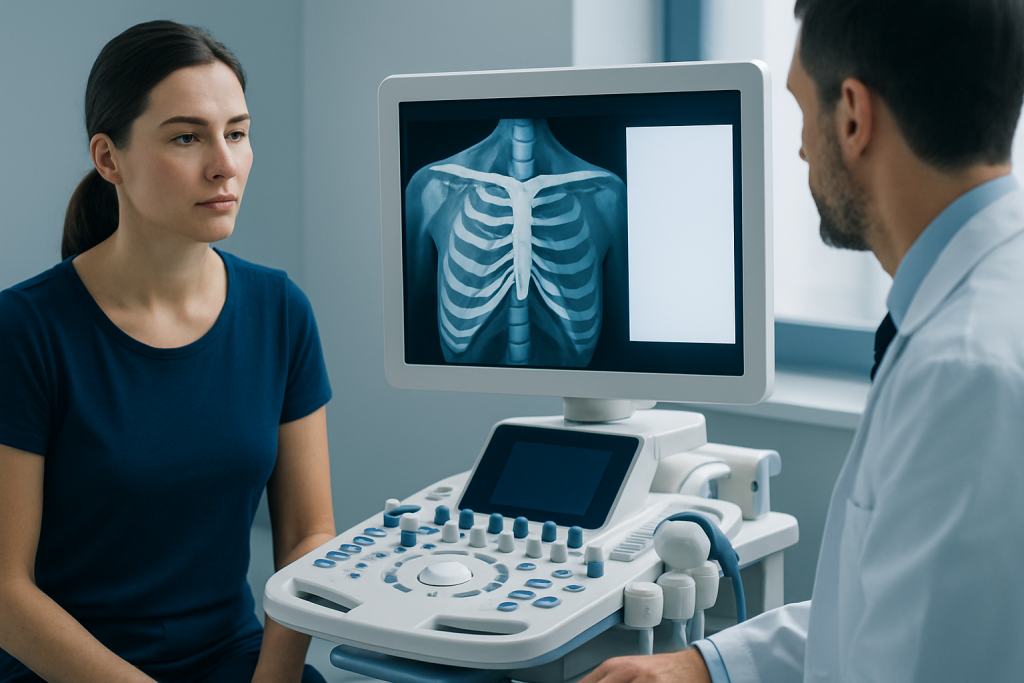
Sternum-related symptoms are often felt in the center of the chest, but they do not always come from the bone alone. Some people describe a sharp pain with certain movements, while others notice a dull ache, tenderness, or a burning sensation. The discomfort may stay in one spot or spread into the upper chest, shoulders, or back.
Common clues include pain that worsens with deep breathing, twisting, pushing, lifting, or lying in certain positions. Tenderness when pressing on the breastbone area can suggest a chest wall source, although this does not replace a medical assessment. Swelling, bruising, clicking, or a visible change in the shape of the chest may point to injury or inflammation.
- Pain after a fall, sports injury, or car accident
- Chest wall tenderness when touched
- Pain triggered by coughing or movement
- Symptoms after heavy lifting or repetitive activity
- Occasional stiffness around the rib joints
Because chest symptoms can sometimes overlap with heart, lung, or digestive problems, any new or unexplained chest discomfort deserves careful attention, especially if it feels different from previous aches.
Causes & Risk Factors

Several conditions can affect the sternum and nearby chest structures. One of the most common is injury, including bruising, sprain, or fracture after a direct blow. Repetitive strain from weight training, contact sports, coughing, or sudden twisting can also irritate the chest wall.
Inflammation around the cartilage where the ribs meet the sternum is another frequent reason for pain. This is often called costochondritis, and it can cause localized tenderness without any obvious injury. Less commonly, pain can come from joint irritation, infection, bone disorders, or referred discomfort from the spine or upper abdomen.
Risk may be higher in people who have recently increased physical activity, use poor lifting technique, have osteoporosis, or experience frequent coughing. A prior chest operation, arthritis, or a history of injury can also make the area more sensitive. For patients traveling for care, even practical details such as carrying heavy bags or sitting for long periods can add strain to an already irritated chest wall.
Diagnosis
Diagnosis usually starts with a detailed conversation about when the pain began, what it feels like, and which movements make it better or worse. A clinician will also ask about any injury, recent exercise, cough, fever, shortness of breath, or other symptoms that could point toward a different cause.
A physical examination helps locate tenderness and evaluate the ribs, muscles, and surrounding joints. If a fracture, infection, or another structural problem is suspected, imaging may be recommended. Depending on the situation, this may include an X-ray, CT scan, MRI, or ultrasound. If the symptoms could involve the heart or lungs, additional testing may be needed to rule out more serious causes of chest pain.
For international patients, diagnosis may be coordinated across several specialties so that the chest wall, heart, and lung causes are considered together rather than in isolation. That broader view can be reassuring when symptoms are vague or when prior evaluations were inconclusive.
Treatment Options
Treatment depends on the underlying cause. Minor bruises or muscle strain often improve with rest, activity modification, and measures that reduce pain and inflammation. Chest wall inflammation may also settle with conservative care over time, although the pace of recovery varies from person to person.
If a fracture is present, treatment may focus on pain control, protection from further injury, and close follow-up to ensure proper healing. In more complex situations, such as infection or instability after surgery, care may involve medication, targeted procedures, or specialist monitoring. The exact plan is shaped by the diagnosis rather than the symptom alone.
Typical approaches may include:
- Rest and temporary reduction of strenuous activity
- Cold or warm compresses, depending on comfort and timing of the injury
- Pain-relief medicines recommended by a doctor
- Physical therapy or guided exercises when stiffness or posture contributes to symptoms
- Treatment of an underlying condition such as infection, arthritis, or coughing illness
When patients are receiving care abroad, it helps to leave with a clear written plan for medicines, movement limits, and follow-up timing. That makes recovery easier to continue once they return home.
Prevention & Self-care
Not every sternum problem can be prevented, but some practical habits can reduce strain on the chest wall. Good posture, gradual training increases, and proper lifting technique all help protect the muscles and joints around the breastbone. Supportive treatment for persistent coughs or breathing irritation may also lower repeated stress on the area.
At home, self-care is usually focused on comfort and avoiding repeat irritation. Gentle movement is often better than complete inactivity, unless a clinician advises otherwise. People recovering from a chest injury may need to be cautious with heavy lifting, pushing, pulling, or upper-body workouts until symptoms improve.
- Use proper form during exercise and avoid sudden overexertion
- Take breaks from long periods of slouched sitting
- Protect the chest during sports or physical work
- Follow medical advice if you have osteoporosis or another bone condition
- Keep follow-up appointments if pain lingers or changes
Patients traveling for treatment can also plan ahead by packing light, asking for help with luggage, and allowing extra time between flights or appointments. Small adjustments like these can reduce chest wall stress during recovery.
When to See a Doctor
Medical evaluation is a good idea if sternum pain is severe, lasts more than a few days, keeps returning, or follows an injury. It is also important to seek care if the area is swollen, bruised, unstable, or painful enough to limit normal breathing or movement.
Chest pain should always be assessed promptly if it comes with shortness of breath, dizziness, fainting, sweating, nausea, or pain spreading to the arm, jaw, neck, or back. These symptoms do not necessarily mean a serious problem, but they need immediate attention to rule out heart or lung causes.
People who are recovering after surgery, living with osteoporosis, or managing cancer, infection, or inflammatory disease should mention sternum pain early to their doctor. When needed, Acibadem Health Point’s multidisciplinary specialists and JCI-accredited hospitals can help international patients diagnose and treat sternum-related conditions in a coordinated way.
Living With Sternum Pain
Most sternum discomfort is temporary and improves once the cause is identified and the chest wall has time to heal. The main challenge is often not the pain itself, but the uncertainty around what is causing it. A careful evaluation can bring that into focus and help patients return to normal routines more confidently.
Recovery is usually smoother when patients understand their diagnosis, know which movements to avoid, and have realistic expectations about healing time. If symptoms change, spread, or begin to interfere with daily life, the best next step is another medical review rather than guessing at the cause. That is especially true for patients coordinating care across countries, where a structured follow-up plan can make a real difference.
Frequently asked questions
What is the sternum for?
The sternum helps protect the heart and lungs by forming the front center of the rib cage. It also serves as an attachment point for ribs and muscles that support breathing and upper-body movement.
Is sternum pain always serious?
No, sternum pain is often caused by minor injury, muscle strain, or inflammation in the chest wall. Still, chest pain should be evaluated if it is severe, new, persistent, or accompanied by symptoms such as shortness of breath or dizziness.
Can costochondritis feel like sternum pain?
Yes. Costochondritis affects the cartilage where the ribs meet the sternum, so the discomfort is often felt in the breastbone area. It commonly causes localized tenderness and pain with movement or deep breathing.
How is a sternum fracture treated?
Treatment depends on the severity of the injury, but many fractures are managed with rest, pain control, and follow-up monitoring. More serious cases may need imaging, closer observation, or treatment for related injuries.
Can exercise make sternum pain worse?
Yes, certain movements such as pushing, lifting, twisting, or repetitive upper-body exercise can aggravate chest wall pain. A doctor or physiotherapist can advise which activities are safe during recovery.
When should someone seek emergency care for chest pain?
Emergency care is important if chest pain comes with trouble breathing, fainting, sweating, nausea, or pain that spreads to the arm, jaw, neck, or back. These symptoms need urgent assessment to rule out heart or lung causes.
References
- Mayo Clinic
- Cleveland Clinic
- Merck Manual Professional Edition
- National Health Service (NHS)
- American Academy of Orthopaedic Surgeons
This article is for general information only and is not a substitute for professional medical advice. Please consult a qualified doctor about your individual situation.