How To Stretch Hip Flexors
Key Takeaways
- Hip flexor tightness often develops from long periods of sitting, repetitive activity, or muscle imbalance.
- Gentle, controlled stretching is usually more useful than forcing a deep stretch.
- A proper warm-up and steady breathing can make hip flexor stretches safer and more effective.
- Pain, pinching, or numbness during a stretch is a sign to stop and reassess technique.
- Persistent hip or groin discomfort should be evaluated by a clinician or physiotherapist.
Hip flexor stretches can help ease stiffness, improve mobility, and support everyday movement when done with good form. This guide explains how to stretch hip flexors safely, what may cause tightness, and when symptoms need medical assessment.
Overview
The hip flexors are a group of muscles at the front of the hip that help lift the leg, bend the trunk, and control walking, running, and climbing stairs. When they feel tight, everyday movements can seem shorter, stiffer, or less comfortable than before.
For many people, learning how to stretch hip flexors is less about chasing an intense sensation and more about restoring easy movement. A well-chosen stretch should feel steady and controlled, not sharp or forced. When it is done regularly and with good technique, it may support mobility for office workers, athletes, new parents, travelers, and anyone spending long hours in one position.
Hip flexor stretching is also only one part of the picture. Strength, posture, and activity habits all affect how the hips behave. That is why a balanced routine often works better than stretching alone.
Symptoms of Tight Hip Flexors
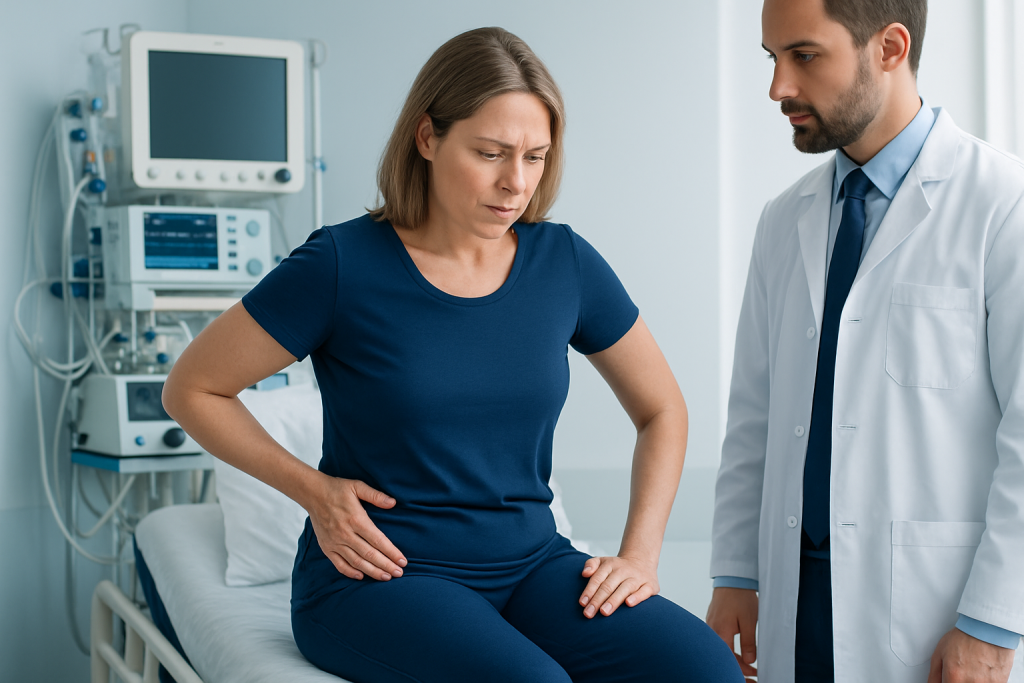
People describe tight hip flexors in different ways. Some notice a pulling sensation at the front of the hip or upper thigh, while others feel stiffness when standing up after sitting. The discomfort may appear during walking, lunging, running, or getting out of a car.
Common signs can include:
- A shortened or “locked” feeling at the front of the hips
- Discomfort when taking a long stride or rising from a chair
- Reduced ability to fully extend the hip behind the body
- Low back tightness that seems related to posture or sitting
- A pinching feeling with deep bending or certain stretches
These symptoms do not always mean a muscle is truly short. In some cases, the area simply feels guarded because of weak supporting muscles, overuse, or irritation around the joint. That is one reason a calm, gradual approach is preferable to aggressive stretching.
Causes & Risk Factors
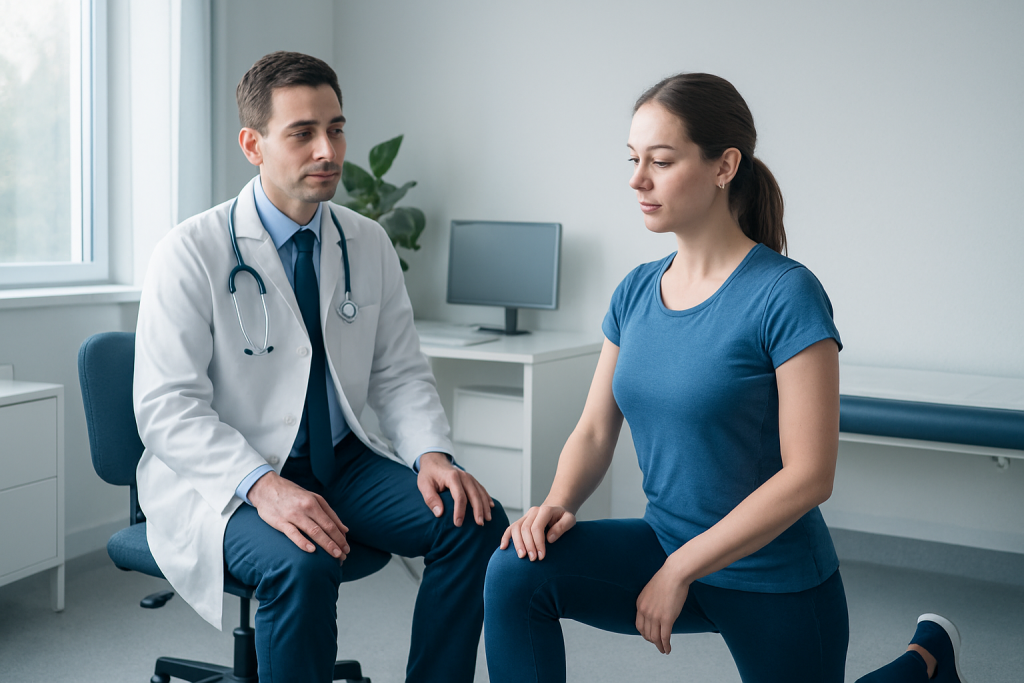
Hip flexor tightness often develops when the hips spend too much time in a flexed position. Long periods of sitting are a common cause, especially for people who work at a desk, drive frequently, or travel by plane and car. Over time, the front of the hips may become less tolerant of full extension.
Repetitive sports and activities can also contribute. Runners, cyclists, dancers, soccer players, and gym users who perform many lunges or kicks may notice the hip flexors becoming overworked. In some cases, the issue is not the muscle alone but a pattern of movement that asks the hip flexors to do too much.
Risk factors may include:
- Sedentary routines with little movement variation
- Sudden increases in training volume or intensity
- Weak gluteal and core muscles
- Previous hip, pelvic, or lower-back injury
- Poor recovery between workouts
Travel can add another layer. Long journeys often mean prolonged sitting, disrupted exercise habits, and less opportunity to move naturally. For international patients seeking care, clinicians may also look at posture, gait, and daily routines rather than focusing on the stretch itself alone.
Diagnosis
Most people do not need a complex test to begin addressing mild hip flexor tightness. A clinician usually starts with a medical history and a physical examination, asking when the symptoms began, what makes them better or worse, and whether the discomfort is related to sport, work, or an injury.
During the exam, the clinician may assess hip range of motion, posture, gait, muscle strength, and tenderness around the pelvis and lower back. The goal is to determine whether the issue is truly a flexibility problem or whether another condition is contributing to the symptoms.
Imaging is not always necessary, but it may be considered if there is significant pain, trauma, or concern for another problem such as a hip joint disorder, tendon injury, or spinal issue. A physiotherapist or rehabilitation specialist can also evaluate movement patterns and guide a more tailored plan.
Treatment Options
Treatment usually begins with a combination of gentle stretching, activity adjustment, and strengthening. The most effective plan depends on the reason the hips feel tight. If the area is irritated, it may need a brief reduction in loading before stretching becomes more comfortable.
Common options include:
- Kneeling hip flexor stretch: A controlled lunge position with the back knee lowered and the pelvis kept level
- Half-kneeling variation with overhead reach: Often used to create a longer line through the front of the hip and trunk
- Standing hip flexor stretch: Useful for people who cannot kneel comfortably
- Dynamic mobility drills: Gentle leg swings or marching movements used before activity
- Strength work: Glute bridges, core stabilization, and hip extension exercises to balance the front and back of the hip
Technique matters more than depth. The stretch should usually be held with relaxed breathing and a neutral spine, without arching the low back or pushing into pain. If stretching causes a pinching feeling in the front of the hip, the range may be too deep or the position may need to be changed.
In some cases, treatment also includes hands-on physiotherapy, movement retraining, or management of an underlying injury. International patients often benefit from a coordinated rehabilitation plan that continues after they return home, so follow-up instructions should be clear and realistic.
Prevention & Self-care
Prevention is often about interrupting long periods of stillness. Standing up regularly, walking for a few minutes, and gently opening the hips during the day can help the muscles avoid staying in one position for too long. Small breaks may be especially helpful during workdays, flights, or long car rides.
Self-care works best when it is simple and repeatable. A basic routine might include a short warm-up, one or two hip flexor stretches, and strengthening exercises for the glutes and core. Breathing steadily during the stretch can reduce unnecessary tension and make the movement easier to control.
Helpful habits include:
- Warming up before stretching, especially after waking or before exercise
- Keeping each stretch gentle and symmetrical on both sides
- Balancing stretching with strengthening and walking
- Avoiding sudden increases in training load
- Using supportive seating and posture changes during long work sessions
People recovering from surgery, a sports injury, or a long trip may need a slower approach. In those situations, the safest plan is usually the one that respects pain levels and progresses gradually.
How To Stretch Hip Flexors Safely
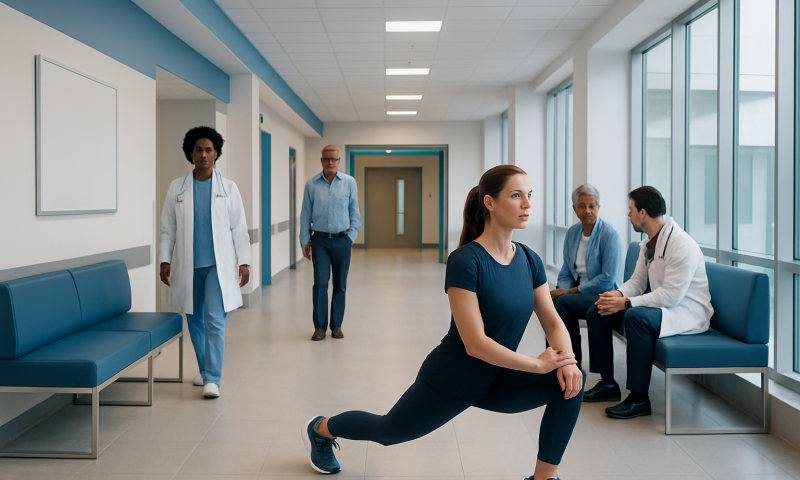
To stretch the hip flexors safely, the first step is to set up a stable position. A kneeling lunge is often the most familiar choice: one knee rests on the floor, the other foot is planted in front, and the torso stays upright. The person then gently shifts weight forward until a mild stretch is felt at the front of the hip of the kneeling leg.
Keeping the pelvis level is important. Many people unknowingly arch the lower back to increase the sensation, but that can shift the stretch away from the hip flexors and irritate the back instead. A better cue is to lightly tuck the pelvis, engage the lower abdomen, and breathe out slowly while holding the position.
Steps for a basic kneeling hip flexor stretch:
- Start in a half-kneeling position on a soft surface if needed.
- Place the front knee over the ankle and keep the back toes pointed forward if comfortable.
- Gently tighten the buttock on the kneeling side.
- Shift forward a small amount until a mild front-of-hip stretch is felt.
- Hold without bouncing, then come out of the stretch slowly.
If kneeling is uncomfortable, a standing version can work well. One foot steps back, the back heel lifts, and the body shifts forward slightly while the torso stays tall. For some people, a doorway, wall, or chair can provide balance. The key is always to stay in control and avoid forcing the joint.
When To See a Doctor
Occasional tightness that improves with movement and gentle stretching is common. Medical evaluation becomes more important when discomfort is persistent, worsening, or interfering with walking, sleep, work, or exercise.
A clinician should assess the area if there is groin pain, swelling, locking, a catching sensation, numbness, weakness, or pain after a fall or sudden movement. Pain that spreads into the back, thigh, or knee may also suggest that the source is more complex than a simple flexibility issue.
People who travel for treatment or rehabilitation should seek clear guidance before flying home, especially if they need a graded exercise plan, follow-up imaging, or continued physiotherapy. Acibadem Health Point’s multidisciplinary specialists and JCI-accredited hospitals diagnose and treat hip and movement-related conditions for international patients, with coordinated care that supports recovery beyond the initial visit.
Frequently asked questions
How often should hip flexor stretches be done?
For many people, daily gentle stretching is reasonable, especially if they sit for long periods. Others may do better with a few sessions per week combined with walking and strengthening. The best frequency depends on symptoms, activity level, and overall mobility.
Should hip flexor stretches hurt?
A stretch should feel mild to moderate, not sharp or painful. If there is pinching, numbness, or increasing pain, the position should be eased or stopped. Comfort and control matter more than how deep the stretch looks.
What is the best stretch for tight hip flexors?
A kneeling lunge stretch is commonly used because it is simple and easy to adjust. That said, the best option is the one a person can perform with good posture and no pain. A physiotherapist can help choose the right variation.
Can weak muscles make the hip flexors feel tight?
Yes. Weak glutes, abdominal muscles, or poor movement control can make the front of the hips work harder than they should. In those cases, strengthening is usually as important as stretching.
Is it safe to stretch hip flexors after exercise?
Often, yes, if the muscles are warm and the stretch is gentle. After exercise, many people find stretching more comfortable than doing it cold. If the hip is irritated or sore, it is better to reduce intensity and focus on recovery.
When is hip tightness more than a flexibility problem?
If the tightness comes with joint pain, clicking, weakness, or a limited range that does not improve, another issue may be involved. Hip joint conditions, tendon problems, or lower-back issues can sometimes mimic tight hip flexors. A clinical assessment can clarify the cause.
References
- Mayo Clinic
- Cleveland Clinic
- American Academy of Orthopaedic Surgeons
- National Health Service (NHS)
- American Physical Therapy Association
This article is for general information only and is not a substitute for professional medical advice. Please consult a qualified doctor about your individual situation.