Lower Left Abdominal Pain: Causes and Treatment

Key Takeaways
- Lower left abdominal pain has many possible causes, including digestive, urinary, muscle-related, and gynecologic conditions.
- The character of the pain, along with fever, bowel changes, urinary symptoms, or vaginal bleeding, helps guide diagnosis.
- Some causes improve with rest, fluids, and simple care, while others require prompt medical assessment.
- Imaging, urine tests, blood tests, and sometimes pelvic evaluation may be used to identify the source.
- Persistent, worsening, or severe pain should be reviewed by a doctor, especially when travel or international care planning is involved.
Medically reviewed by the Acıbadem clinical team — August 19, 2026
Lower left abdominal pain can come from the bowel, urinary tract, muscles, or reproductive organs, and the meaning often depends on the pattern of pain and accompanying symptoms. A careful evaluation helps distinguish temporary discomfort from conditions that need medical treatment.
Overview
Lower left abdominal pain is a symptom rather than a diagnosis. For some people, it begins as a dull ache after a meal or during constipation; for others, it arrives suddenly and sharply, making it difficult to stand upright or continue normal activities. The same location can point to very different organs, which is why the setting and the accompanying symptoms matter as much as the pain itself.
The left lower abdomen contains part of the large intestine, the end of the small intestine, the left ureter, and, in women, the left ovary and fallopian tube. Muscles of the abdominal wall and the hip region can also refer pain there. Because the area is shared by several systems, a doctor usually looks at the full pattern: when the pain started, whether it changes with eating or movement, and whether there are bowel, urinary, or menstrual symptoms.
Many causes are mild and short-lived, but some require timely treatment. Understanding the possibilities can help a patient decide when home care is reasonable and when it is wiser to speak with a qualified clinician, especially if symptoms are interfering with travel, work, or daily plans.
Symptoms
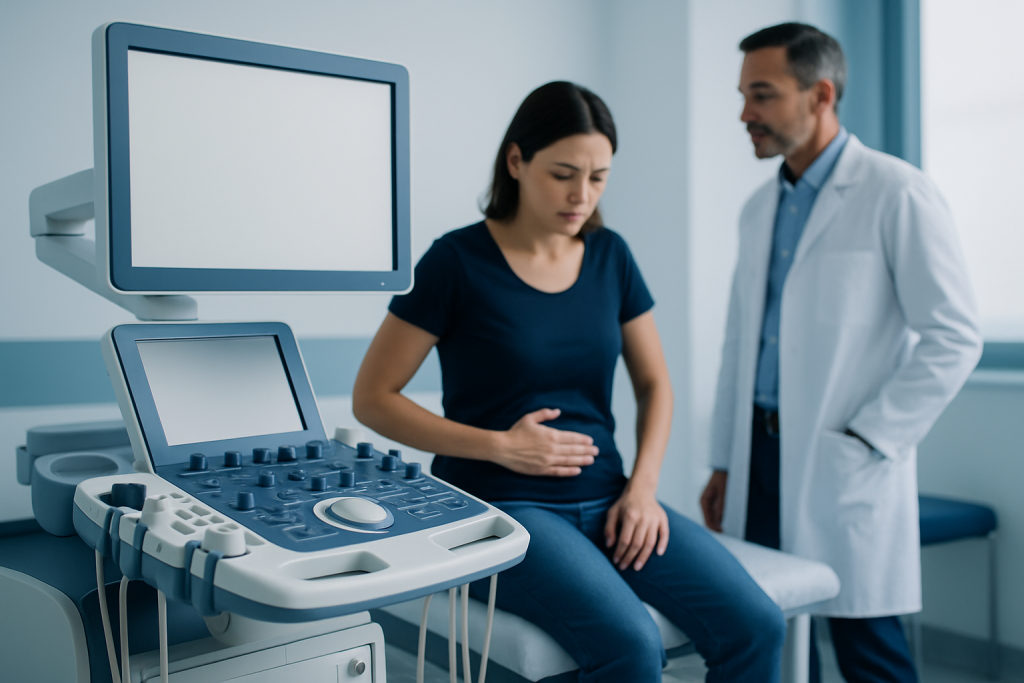
Lower left abdominal pain may feel crampy, sharp, burning, bloated, or pressure-like. It may stay in one spot or spread to the back, groin, or pelvis. Some people notice tenderness when pressing on the area, while others mainly feel discomfort during walking, coughing, or after eating.
Symptoms that travel with the pain often provide important clues. Bloating, constipation, diarrhea, or a change in bowel habits may suggest a digestive cause. Burning with urination, frequent urination, or pain that reaches the flank can point toward the urinary tract. In women, pelvic pain, irregular bleeding, pain during intercourse, or missed periods may suggest a gynecologic source.
-
Fever or chills
-
Nausea or vomiting
-
Blood in the stool or urine
-
Abdominal swelling or inability to pass gas or stool
-
Unexpected vaginal bleeding or discharge
Severe pain, fainting, rigid abdominal muscles, or a rapidly worsening pattern deserves prompt medical attention. These features do not always mean something serious, but they should not be ignored.
Causes & Risk Factors

One of the more common digestive causes is diverticulitis, which happens when small pouches in the colon become inflamed or infected. It often causes persistent pain on the lower left side, sometimes with fever, nausea, and bowel changes. Constipation, trapped gas, and irritable bowel syndrome can also create discomfort in the same region, though the pain patterns are usually less constant.
Other bowel-related causes include colitis, inflammatory bowel disease, and less commonly bowel obstruction or a hernia. A urinary tract infection or a kidney stone may produce pain that is felt lower in the abdomen, especially if the pain moves toward the groin or back. In women, ovarian cysts, ovulation pain, endometriosis, pelvic inflammatory disease, and, rarely, ectopic pregnancy may be responsible.
Muscle strain, ligament strain, and pain from the abdominal wall can mimic internal disease, especially after exercise, lifting, coughing, or a long period of physical exertion. Risk depends on the cause. Prior diverticular disease, chronic constipation, dehydration, recent infection, pregnancy, a history of pelvic disorders, and certain abdominal surgeries can all influence the likelihood of specific conditions.
Because lower left abdominal pain spans several systems, age, sex, medical history, and whether the person is pregnant or could be pregnant are especially important parts of the risk assessment. This is one reason clinicians often ask detailed questions before deciding which tests are needed.
Diagnosis
Diagnosis begins with a careful history and physical examination. A clinician will usually ask when the pain began, what it feels like, whether it has changed, and what makes it better or worse. They may also ask about bowel habits, urinary symptoms, menstrual history, recent travel, diet changes, prior abdominal surgery, and any chance of pregnancy.
Depending on the findings, testing may include blood work to look for infection or inflammation, urine testing to check for urinary infection or blood, and pregnancy testing when relevant. If a bowel condition is suspected, imaging such as an ultrasound or CT scan may help confirm the diagnosis and assess severity. In some situations, a pelvic examination or gynecologic imaging is appropriate.
For patients arranging care from another country, the diagnostic plan can be particularly important. A clear explanation of what has already been ruled out, what imaging has been done, and whether urgent treatment is needed helps avoid repeated testing and unnecessary delays. Bringing prior reports, medication lists, and scans if available can make the evaluation smoother.
The doctor’s goal is not only to name the cause but also to determine whether the problem is simple, self-limited, or time-sensitive. That distinction guides safe treatment and follow-up.
Treatment Options
Treatment depends on the cause. Mild discomfort from constipation, gas, or muscle strain may improve with rest, hydration, gentle movement, and a doctor-approved approach to diet or bowel regularity. If a bacterial infection is suspected, medication may be prescribed after evaluation, and symptoms should be monitored closely for improvement.
Diverticulitis, urinary tract infections, pelvic infections, ovarian cyst complications, kidney stones, and bowel obstruction each have different treatment paths. Some can be managed with medication and observation, while others may require urgent procedures or hospital care. For this reason, it is usually better not to self-diagnose based only on the pain location.
Pain control is often part of the plan, but the choice of medicine should be individualized. A clinician may also recommend temporary dietary adjustments, rest, or a short period of follow-up observation. If surgery is needed, it is generally reserved for specific situations such as complications, severe infection, or obstruction.
When symptoms arise while traveling, the practical goal is to confirm whether care can safely continue at the current destination or whether the person should be evaluated before flying or making long transfers. A stable plan, clear written instructions, and a known point of contact can be very helpful during recovery.
Prevention & Self-care
Not every cause of lower left abdominal pain can be prevented, but a few habits may reduce some common triggers. Regular fluid intake, fiber-rich eating when appropriate, and physical activity can support bowel regularity. Avoiding repeated strain during lifting and taking care with core exercises may also help when the abdominal wall is involved.
People with recurring digestive symptoms often benefit from keeping a symptom diary that notes meals, bowel movements, stress, menstrual timing, and pain severity. This record can help a clinician see patterns that are hard to notice day to day. It can also make a remote consultation more useful if the patient is seeking advice from abroad or after returning home.
Self-care should be gentle and realistic. Rest, light meals, and hydration are reasonable for minor discomfort if there are no warning signs. However, pain that persists, changes character, or starts to come with fever, vomiting, bleeding, or urinary symptoms should be assessed rather than managed indefinitely at home.
For those who need specialist care, coordinating records in advance can shorten the path to treatment. Acibadem Health Point’s multidisciplinary specialists and JCI-accredited hospitals evaluate and treat lower abdominal pain causes for international patients, helping align diagnostic steps and follow-up with the person’s travel schedule.
When to See a Doctor
A doctor should be contacted if lower left abdominal pain lasts more than a short time, keeps returning, or interferes with eating, sleeping, or walking. Even without severe symptoms, persistent pain deserves assessment because the cause is not always obvious from location alone.
Immediate medical care is appropriate if the pain is severe, sudden, or accompanied by fever, fainting, repeated vomiting, a swollen abdomen, blood in the stool or urine, or inability to pass stool or gas. Women who may be pregnant and develop one-sided lower abdominal pain should seek prompt evaluation, especially if there is bleeding or dizziness.
It is also sensible to seek help when the pain appears after surgery, follows an injury, or occurs alongside urinary symptoms or new pelvic symptoms. Timely assessment can prevent small problems from becoming larger ones and can provide reassurance when the cause is benign.
For international patients, it is reasonable to choose care where records, imaging, and specialist input can be coordinated efficiently. That approach reduces uncertainty and helps the patient focus on recovery rather than navigating fragmented appointments.
Living With the Symptom
When the cause is not dangerous, the experience can still be disruptive. Pain in the lower left abdomen often affects appetite, movement, and confidence about leaving home or traveling. A practical plan can make the situation feel more manageable: note symptom changes, follow the doctor’s instructions carefully, and avoid making major assumptions from internet searches alone.
If symptoms are recurrent, patients may need follow-up even after the initial episode settles. Recurrent pain can reflect a pattern that becomes clearer over time, especially when bowel habits, menstrual timing, and stress are tracked together. Clinicians may use that information to refine the diagnosis and adjust treatment.
Recovery also includes knowing what normal improvement looks like. Some conditions improve steadily over days, while others need a longer watchful period. A clear follow-up plan is reassuring, particularly for people who are away from home and want to know which changes are expected and which are not.
Frequently asked questions
Is lower left abdominal pain always a digestive problem?
No. Digestive causes are common, but the same area can also be affected by the urinary tract, abdominal muscles, or reproductive organs. The full symptom pattern is usually more informative than the location alone.
When is lower left abdominal pain urgent?
It is urgent when the pain is severe, sudden, or paired with fever, vomiting, fainting, blood in the stool or urine, a swollen abdomen, or inability to pass gas or stool. In women, possible pregnancy with one-sided pain or bleeding also needs prompt evaluation.
Can constipation cause pain in the lower left abdomen?
Yes, constipation can cause cramping, bloating, and pressure in that area, especially when stool builds up in the left side of the colon. If the pain is persistent or accompanied by fever, vomiting, or bleeding, it should be checked by a doctor.
How do doctors find the cause?
They usually start with questions about the pain, bowel habits, urinary symptoms, and menstrual history, followed by an examination. Depending on the case, urine tests, blood tests, pregnancy testing, ultrasound, or CT imaging may be used.
Can lower left abdominal pain go away on its own?
Some mild causes, such as gas or a temporary muscle strain, may improve with rest and hydration. Pain that continues, gets worse, or returns repeatedly should be medically reviewed rather than assumed to be harmless.
What should an international patient bring to an appointment?
Any prior scan reports, discharge summaries, medication lists, and a brief timeline of symptoms are very helpful. These records can speed up the evaluation and reduce duplicate testing, especially if care started in another country.
References
- Mayo Clinic
- Cleveland Clinic
- National Institute of Diabetes and Digestive and Kidney Diseases
- American College of Gastroenterology
- NHS
This article is for general information only and is not a substitute for professional medical advice. Please consult a qualified doctor about your individual situation.
Persistent digestive symptoms? Get evaluated in Turkey
JCI-accredited · board-certified surgeons · reply within 24h
Add us as a Preferred Source to see more of our trusted health content across Google Search, AI Overviews and Discover.