Lower Left Abdominal Pain: Causes and When to Seek Care

Key Takeaways
- The lower left abdomen contains several organs, so the same pain pattern can have different causes.
- Common reasons include gas, constipation, diverticulitis, urinary problems, muscle strain, and gynecologic conditions.
- The character of the pain, associated symptoms, and timing help guide diagnosis.
- Urgent assessment is needed if pain is severe, persistent, or comes with fever, vomiting, fainting, blood in stool or urine, or pregnancy.
- Treatment depends on the cause and may range from rest and diet changes to medication or procedures.
- Traveling for care is often manageable when symptoms are stable and follow-up plans are clearly arranged.
Pain in the lower left side of the belly can come from the bowel, urinary tract, reproductive organs, muscles, or the abdominal wall. Most causes are not dangerous, but a careful evaluation helps identify the source and the right next step.
Overview
Pain in the lower left side of the belly is a common complaint, but it is not a diagnosis on its own. That part of the abdomen can reflect problems in the colon, urinary system, abdominal muscles, skin, or, in people with reproductive organs, the ovaries and fallopian tubes.
The location helps narrow the possibilities, yet the story behind the pain matters just as much. A cramping discomfort after meals points in a different direction than a sharp pain that started suddenly, while pain with fever or bowel changes suggests a different pathway again.
For many people, the first question is whether the pain is safe to watch or needs medical attention. A clinician looks at the timing, severity, associated symptoms, age, medical history, and whether the pain is new, recurring, or linked to eating, movement, urination, or menstruation.
Symptoms
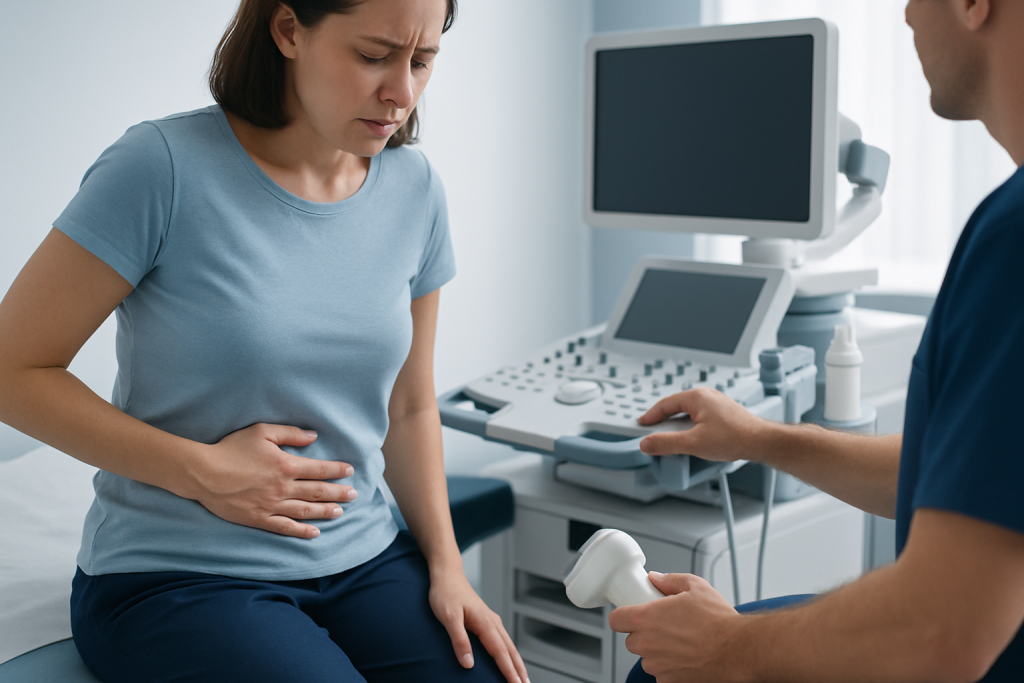
The sensation can vary widely. Some people describe a dull ache or pressure, while others notice cramping, stabbing, burning, or bloating. The pain may stay in one spot or move around, and it may come and go rather than remain constant.
Other symptoms often provide the strongest clues. Bowel-related causes may bring constipation, diarrhea, gas, or a change in stool shape. Urinary causes may produce burning, urgency, or cloudy urine. In women, pelvic pain may occur with menstrual changes, vaginal bleeding, or unusual discharge.
- Fever or chills
- Nausea or vomiting
- Loss of appetite
- Blood in the stool or urine
- Pain during urination or bowel movements
- Bloating or abdominal swelling
When the discomfort is linked to exercise, coughing, lifting, or twisting, a muscle or abdominal wall cause becomes more likely. If the pain is severe, abrupt, or accompanied by fainting or marked weakness, it deserves prompt assessment.
Causes & Risk Factors

Many of the most frequent causes are digestive. Gas and constipation can stretch the bowel and create one-sided discomfort. Diverticulosis, which is the presence of small pouches in the colon, can be painless, but inflammation of those pouches, called diverticulitis, may cause left-sided pain, fever, and tenderness.
Urinary tract issues can also appear in this area, including infection or a kidney stone that has moved lower in the urinary tract. In people with reproductive organs, ovarian cysts, ovulation pain, endometriosis, pelvic inflammatory disease, or ectopic pregnancy may produce lower left pelvic or abdominal pain.
Less commonly, the source may be a strained abdominal muscle, hernia, bowel obstruction, inflammatory bowel disease, shingles before the rash appears, or pain referred from the spine or hip. Age, prior abdominal surgery, pregnancy, a history of diverticular disease, chronic constipation, and certain medications may increase the likelihood of some causes.
Diagnosis
Diagnosis begins with a careful conversation. A clinician will usually ask when the pain started, what it feels like, whether it changes with meals or movement, and what other symptoms have appeared. Details about bowel habits, urination, periods, pregnancy possibility, and past abdominal conditions are often especially useful.
A physical examination may include gentle pressure on the abdomen, checking for guarding or tenderness, and sometimes a pelvic or rectal examination depending on the situation. From there, testing is chosen based on the most likely causes rather than ordered blindly.
Possible tests include blood work, urine testing, stool tests, pregnancy testing when relevant, and imaging such as ultrasound or CT scan. For some patients, especially those traveling internationally for care, it helps to bring previous records, medication lists, and any prior imaging so the team can compare findings efficiently and reduce repetition.
Treatment Options
Treatment depends entirely on the cause. Mild constipation or gas discomfort may improve with hydration, gentle activity, dietary adjustments, or clinician-guided over-the-counter remedies. A urinary tract infection usually needs medical treatment, while a kidney stone may be managed with pain control, fluids, or a procedure if it does not pass on its own.
If diverticulitis is suspected, care may include dietary changes, pain relief, and sometimes antibiotics or hospitalization if symptoms are more serious. Gynecologic causes are treated according to the diagnosis, which could involve observation, medication, hormonal therapy, or surgery in selected cases.
When surgery or a procedure is needed, modern imaging and a clear explanation of the plan help patients prepare. People arriving from another country often benefit from a coordinated timeline that covers diagnosis, treatment, recovery instructions, and the type of follow-up they should arrange after returning home.
Prevention & Self-care
Not every cause of lower left belly pain can be prevented, but a few habits may lower the chance of recurrent digestive discomfort. Regular hydration, gradual increases in dietary fiber, routine physical activity, and attention to constipation can make a meaningful difference for many people.
It also helps to notice patterns. Pain after certain foods, during the menstrual cycle, after heavy lifting, or during times of stress can point toward triggers that are worth discussing with a clinician. Keeping a simple symptom note on a phone can make the medical visit more productive, especially when care is being arranged across borders.
- Stay hydrated unless a doctor has advised otherwise
- Do not ignore ongoing constipation or bowel changes
- Use medicines only as directed and review side effects
- Seek earlier evaluation if pain is recurring or worsening
- Allow time for rest if the pain appears muscular
Self-care should not replace evaluation when red-flag symptoms appear. If the cause is uncertain, the safest step is to have it assessed rather than assuming it will resolve on its own.
When to See a Doctor
Medical assessment is important when the pain is severe, lasts more than a short period, or keeps returning. It is also wise to seek care if the discomfort is paired with fever, vomiting, fainting, abdominal swelling, inability to pass stool or gas, or blood in the stool or urine.
People who may be pregnant should not delay evaluation for one-sided lower abdominal pain, especially if there is bleeding, dizziness, or shoulder pain. These symptoms can signal a condition that needs urgent attention.
For international patients, the practical question is not only whether care is needed, but how quickly it can be organized safely. A multidisciplinary team can help clarify the cause, coordinate imaging or specialist review, and plan treatment with recovery in mind. Acibadem Health Point’s multidisciplinary specialists and JCI-accredited hospitals diagnose and treat conditions like this for international patients.
Living With The Symptoms While Waiting For Care
When the pain is mild and a clinician has not identified an emergency, comfort measures may help while waiting for an appointment. Rest, light meals, and avoiding heavy exertion can reduce irritation, especially if the pain seems related to strain or digestion.
It is generally best to avoid self-medicating heavily before a diagnosis, because some medicines can mask symptoms or complicate evaluation. If a person is traveling for care, keeping copies of test results, using a list of current medicines, and noting what makes the pain better or worse can save time once the consultation begins.
The most useful mindset is steady rather than fearful: observe the symptoms, seek care when warning signs appear, and let the clinical picture guide the next step. With the right assessment, most causes of lower left abdominal pain can be identified and treated appropriately.
Frequently asked questions
What is the most common cause of pain in the lower left side of the belly?
There is no single most common cause for every person, but gas, constipation, and other bowel-related problems are frequent explanations. In some adults, diverticular disease is also an important cause, especially when pain is accompanied by fever or bowel changes. A clinician uses the full symptom pattern to sort out the likely source.
When should lower left abdominal pain be treated as urgent?
Urgent evaluation is appropriate if the pain is severe, sudden, or associated with fever, vomiting, fainting, blood in the stool or urine, or abdominal swelling. Pregnancy with one-sided pain or bleeding also needs prompt attention. These symptoms do not always mean something dangerous, but they should be assessed quickly.
Can stress cause pain in the lower left belly?
Stress can worsen bowel sensitivity and make existing digestive symptoms feel stronger. It does not usually explain persistent focal pain on its own, so ongoing or localized discomfort should still be checked. Stress may be one part of the picture, not the whole answer.
Could this pain be from a muscle strain?
Yes, especially if the pain began after lifting, coughing, exercise, or twisting. Muscle-related pain often worsens with movement or pressing on the area. A clinician will still consider internal causes if the symptoms are new, severe, or unexplained.
How is diverticulitis different from ordinary constipation pain?
Constipation pain often improves after a bowel movement or passing gas and is usually linked to infrequent stools or hard stools. Diverticulitis more often causes steady left-sided pain, tenderness, and sometimes fever or nausea. The difference is not always obvious without an examination, and sometimes imaging is needed.
Should someone travel for treatment if the pain is not going away?
If symptoms are persistent, recurrent, or accompanied by warning signs, evaluation should not be delayed. Travel for care can be reasonable when the person is stable and a plan is in place for diagnosis, treatment, and follow-up. A coordinated medical team can help decide whether it is safe to travel and what records to bring.
References
- Mayo Clinic
- Cleveland Clinic
- National Institute of Diabetes and Digestive and Kidney Diseases
- American College of Gastroenterology
- ACOG
This article is for general information only and is not a substitute for professional medical advice. Please consult a qualified doctor about your individual situation.
Persistent digestive symptoms? Get evaluated in Turkey
JCI-accredited · board-certified surgeons · reply within 24h
Add us as a Preferred Source to see more of our trusted health content across Google Search, AI Overviews and Discover.