Bowel Obstruction Symptoms

Key Takeaways
- Bowel obstruction symptoms often include crampy abdominal pain, bloating, nausea, vomiting, and reduced or absent stool or gas passage.
- A blockage can be partial or complete, and both may need prompt medical assessment.
- Past abdominal surgery, hernias, inflammation, tumors, and scar tissue are common causes.
- Diagnosis usually involves a physical exam plus imaging tests such as X-rays or CT scans.
- Treatment depends on the cause and severity and may range from bowel rest and fluids to surgery.
- Sudden severe pain, persistent vomiting, or a swollen abdomen should be assessed urgently.
Bowel obstruction symptoms can begin with discomfort and progress to a complete stop in bowel movement or gas passage. Recognizing the pattern early helps patients seek timely evaluation and avoid complications.
Overview
Bowel obstruction happens when the normal movement of digested material through the intestines is slowed or blocked. The problem can involve the small bowel or the large bowel, and the symptoms often depend on where the blockage is and whether it is partial or complete.
For patients, the experience is usually not subtle. A person may notice worsening abdominal discomfort, a feeling of fullness that does not ease, or changes in bowel habits that seem out of proportion to a routine stomach upset. Because the intestines play a central role in hydration, digestion, and waste removal, a blockage can affect the whole body fairly quickly.
Understanding bowel obstruction symptoms matters because the condition is not something to watch casually for long periods. It needs medical assessment to find the cause, judge how urgent it is, and decide whether treatment can be non-surgical or should move quickly to an operation.
Symptoms
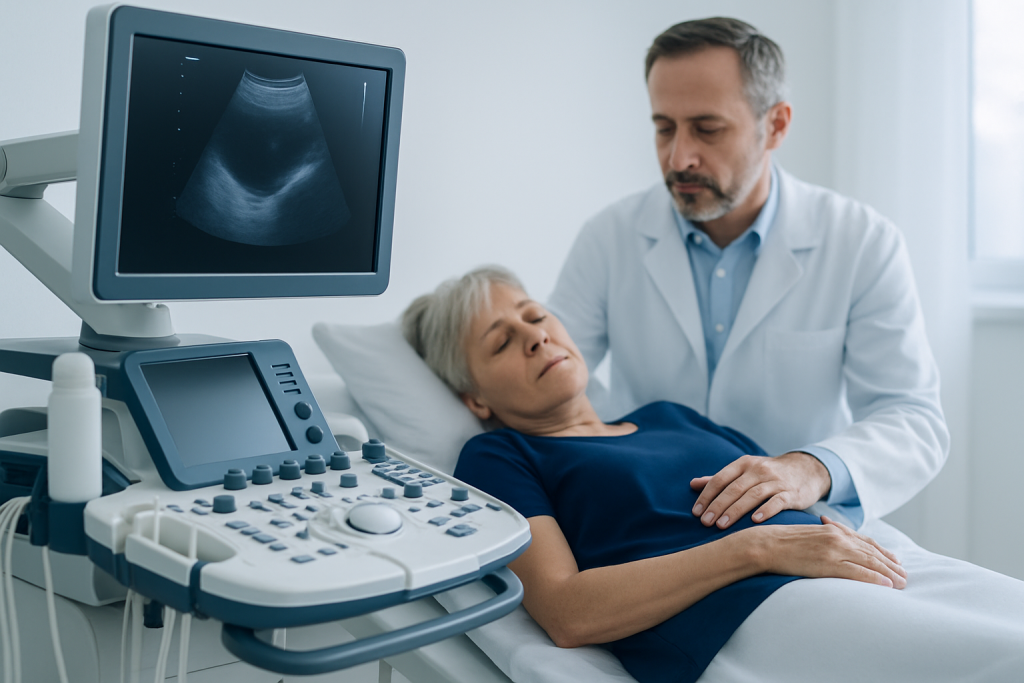
The symptom pattern often starts with cramping abdominal pain that comes and goes. As the bowel struggles against the blockage, the abdomen may become visibly bloated or feel tight and uncomfortable. Many people also notice nausea, reduced appetite, or vomiting, which can become more prominent if the obstruction is not relieved.
Another important clue is a change in bowel movements. Some patients pass very little stool, while others stop passing gas altogether. In a partial obstruction, a person may still have some bowel movements, which can make the problem harder to recognize at first.
Other possible symptoms include:
- Abdominal distension or visible swelling
- Constipation or inability to pass stool or gas
- Vomiting, sometimes repeatedly
- Loss of appetite or early fullness after eating
- Crampy waves of pain that may come and go
- Dehydration symptoms such as dry mouth, weakness, or dizziness
Symptoms can look different in older adults, in people with complex medical histories, or in those with a partial blockage. A patient may feel only “off” at first, which is one reason changing abdominal symptoms deserve attention rather than self-diagnosis.
Causes & Risk Factors

There are many reasons the bowel can become blocked. In the small intestine, scar tissue called adhesions is one of the most common causes, especially after prior abdominal surgery. Hernias, where a portion of bowel slips through a weak spot in the abdominal wall, can also trap the intestine and cause obstruction.
In the large intestine, causes may include colorectal cancer, twisting of the bowel, diverticular disease, inflammation, or narrowing from scar tissue. In some people, constipation, certain medications, or nerve and muscle disorders affecting bowel movement can contribute to symptoms that resemble or worsen a blockage.
Risk is higher in people who have:
- Had previous abdominal or pelvic surgery
- Known hernias
- Inflammatory bowel disease or diverticular disease
- Past abdominal radiation
- Colorectal tumors or a history of polyps
- Conditions that affect intestinal motility
The causes are not always obvious without imaging or further testing. That is why a careful medical history is so important, especially for patients traveling for care who may not have all prior records immediately available.
Diagnosis
Diagnosis begins with a focused history and physical examination. A clinician will ask when the pain began, whether stool or gas is still passing, whether vomiting is present, and what prior abdominal operations or illnesses the patient has had. The exam may reveal abdominal tenderness, distension, or bowel sounds that suggest the intestines are under stress.
Imaging is often needed to confirm the diagnosis and identify the level and cause of the blockage. Abdominal X-rays can sometimes show patterns consistent with obstruction, while CT scans are especially useful because they can show the transition point, inflammation, hernias, tumors, or signs that the bowel is not getting enough blood flow.
Blood tests may be used to check for dehydration, infection, electrolyte imbalance, or organ stress. In some cases, additional tests such as contrast studies or endoscopy are considered, depending on the suspected cause and the person’s overall condition.
Treatment Options
Treatment depends on the type of obstruction, how complete it is, and whether there are warning signs of bowel injury or infection. Some partial obstructions can improve with careful hospital treatment, while complete obstructions or those caused by a trapped hernia or tumor may need surgery.
Initial care often includes stopping food and drink temporarily to rest the bowel, giving intravenous fluids, and correcting dehydration or electrolyte problems. A tube passed through the nose into the stomach may be used in some cases to reduce pressure and vomiting. Pain relief and close monitoring are usually part of the plan.
If the cause is mechanical and unlikely to resolve on its own, surgery may be recommended to remove the blockage, release scar tissue, repair a hernia, or treat diseased bowel. The exact approach depends on the underlying problem, the person’s age and health, and how urgently the bowel needs to be opened again.
For international patients, treatment planning often includes coordination around imaging, surgical timing, and recovery support. Acibadem Health Point’s multidisciplinary specialists and JCI-accredited hospitals diagnose and treat bowel obstruction for international patients, with care organized across medical and follow-up needs.
Prevention & Self-care
Not every bowel obstruction can be prevented, especially when the cause is scar tissue or a condition that develops without warning. Even so, people with known risk factors can reduce avoidable strain on the intestines by taking constipation seriously, following treatment plans for hernias or inflammatory bowel disease, and attending recommended surveillance for colorectal disease.
After abdominal surgery, patients are often advised to watch for changes in bowel function and report persistent bloating, vomiting, or failure to pass gas. A gradual return to eating, good hydration, and adherence to post-operative instructions can support recovery, but new or worsening symptoms should not be dismissed as “normal healing” if they are severe or persistent.
Practical self-care also includes keeping a list of prior operations, medications, and bowel-related diagnoses. This is particularly helpful for patients who may seek care outside their home country, because it allows the treating team to move faster when evaluating the cause of symptoms.
When to See a Doctor
Medical evaluation should be sought promptly if abdominal pain is persistent or worsening, especially when it is accompanied by vomiting, swelling, or inability to pass stool or gas. These symptoms can indicate a bowel obstruction that needs urgent assessment rather than home treatment.
Emergency care is especially important if the person has fever, severe constant pain, a rigid abdomen, blood in vomit or stool, fainting, or signs of dehydration such as marked weakness or confusion. These features can suggest complications and should not wait for a routine appointment.
Because bowel obstruction can progress, a patient should not try to force laxatives, large meals, or repeated self-treatment without medical advice when a blockage is possible. A clinician can decide whether immediate imaging, hospital observation, or surgical review is the safest next step.
Living With the Recovery Process
Recovery after bowel obstruction depends on the cause and the treatment used. Some patients return to normal eating and activity fairly quickly after a partial obstruction resolves, while others need a longer period of healing after surgery or treatment for an underlying illness.
Follow-up is important because doctors may want to confirm that bowel function is returning steadily, that hydration and nutrition are adequate, and that the original cause has been addressed. Patients traveling for care often benefit from a clear discharge plan that explains warning signs, diet progression, medications, and how to coordinate follow-up once they return home.
With timely evaluation and appropriate treatment, many people recover well. The key is to treat bowel obstruction symptoms as a meaningful signal from the body rather than a simple digestive inconvenience.
Frequently asked questions
What are the most common bowel obstruction symptoms?
The most common symptoms are crampy abdominal pain, bloating, nausea, vomiting, and not passing stool or gas. Symptoms may build gradually or appear more suddenly, depending on the cause.
Can someone still have a bowel obstruction if they are passing some stool?
Yes. A partial obstruction may still allow some stool or gas to pass, which can make it harder to recognize. Ongoing pain, swelling, or vomiting still deserves medical assessment.
Is bowel obstruction always an emergency?
It should be treated as urgent because it can worsen and cause dehydration or bowel injury. Severe pain, repeated vomiting, or a swollen abdomen should be assessed without delay.
How do doctors confirm a bowel obstruction?
Doctors usually combine a physical exam with imaging, such as an abdominal X-ray or CT scan. Blood tests may also be ordered to look for dehydration, infection, or other complications.
Can bowel obstruction get better without surgery?
Sometimes a partial obstruction improves with hospital treatment such as bowel rest, fluids, and close monitoring. However, surgery is needed when the blockage is complete, caused by a trapped hernia or tumor, or shows signs of complications.
What should a patient do while waiting for evaluation?
The person should avoid eating or drinking if instructed by a clinician and should not take laxatives unless a doctor has advised them. If symptoms are severe or worsening, emergency care is the safest option.
References
- Mayo Clinic
- National Institute of Diabetes and Digestive and Kidney Diseases
- Cleveland Clinic
- Merck Manual Professional Edition
- American College of Gastroenterology
This article is for general information only and is not a substitute for professional medical advice. Please consult a qualified doctor about your individual situation.