Pain In Lower Left Abdomen

Key Takeaways
- The lower left abdomen contains several organs, so pain there can have more than one possible cause.
- Digestive problems such as constipation, gas, diverticulitis, or bowel inflammation are common explanations.
- Urinary and gynecologic conditions can also create pain in this area, especially when symptoms include fever, urinary changes, or pelvic discomfort.
- A medical history, examination, and sometimes imaging or laboratory tests help identify the cause.
- Urgent assessment is important if the pain is severe, persistent, or paired with fever, vomiting, blood in stool, fainting, or pregnancy-related concerns.
Pain in the lower left abdomen can come from the bowel, urinary tract, or, in some people, the reproductive organs. The cause is often treatable, but the best next step depends on the pattern of pain, accompanying symptoms, and how suddenly it began.
Overview
Pain in the lower left abdomen is a symptom, not a diagnosis. That matters because the same location can be affected by the bowel, urinary tract, abdominal wall, or, in women, the ovaries and fallopian tubes. A careful look at how the pain behaves often gives the strongest clue about what is happening inside.
Some people notice a dull, cramping discomfort that comes and goes after meals or with constipation. Others describe a sharp, localized pain that started suddenly and has not eased. Either pattern can be important. The cause may be minor and short-lived, but it can also signal a condition that deserves prompt medical attention.
For international patients, this symptom can be especially difficult to sort out when it begins during travel or away from their usual doctor. A structured evaluation can help separate a simple digestive upset from an issue that needs imaging, prescription treatment, or follow-up care after returning home.
Symptoms That May Appear With It
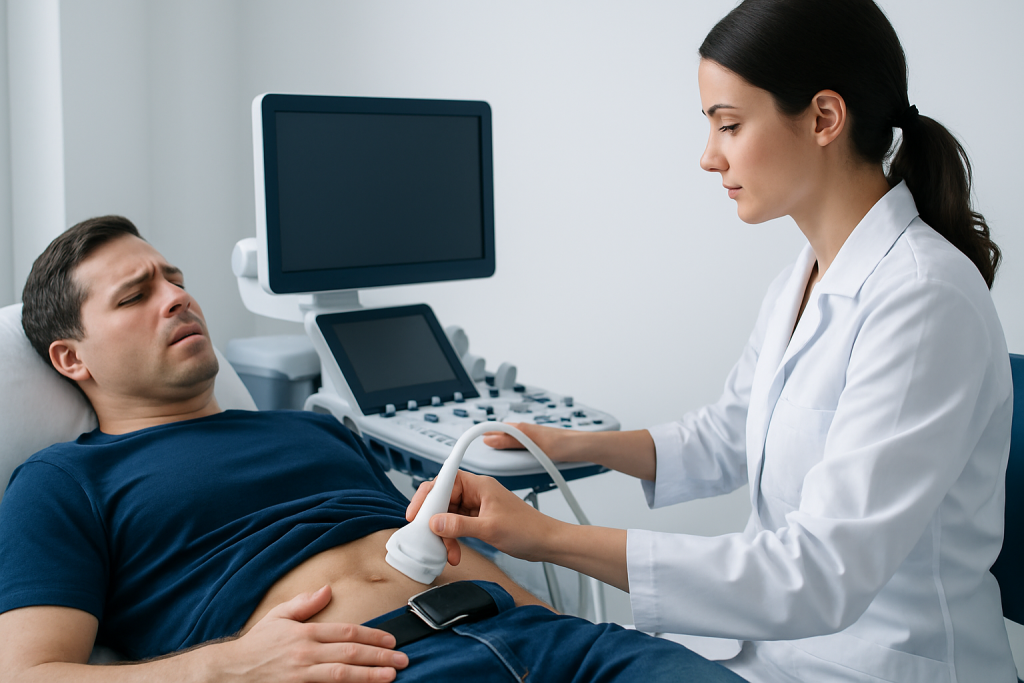
The pain itself may be steady, crampy, stabbing, or more of a pressure-like ache. Some people feel it only when moving, coughing, or pressing on the area, while others notice it after eating, during bowel movements, or when the bladder fills. The exact pattern can help narrow the list of causes.
Other symptoms are often just as revealing. Fever, nausea, vomiting, bloating, constipation, diarrhea, urinary burning, frequent urination, vaginal bleeding, or pelvic pain can point toward different organ systems. Blood in the stool, black stool, dizziness, or unexplained weakness should be taken seriously.
- Digestive clues: constipation, diarrhea, gas, bloating, pain relief after passing stool
- Urinary clues: burning, urgency, cloudy urine, pain radiating to the back or groin
- Gynecologic clues: cycle-related pain, unusual bleeding, pain during intercourse, pelvic fullness
- General warning signs: fever, vomiting, fainting, worsening tenderness, inability to keep fluids down
Symptoms can overlap, which is why a single home impression is often not enough. A person may assume the pain is “just gas” when it is actually diverticulitis, or think it is a muscle strain when a urinary problem is involved. When symptoms do not settle, medical assessment becomes the safer path.
Causes and Risk Factors
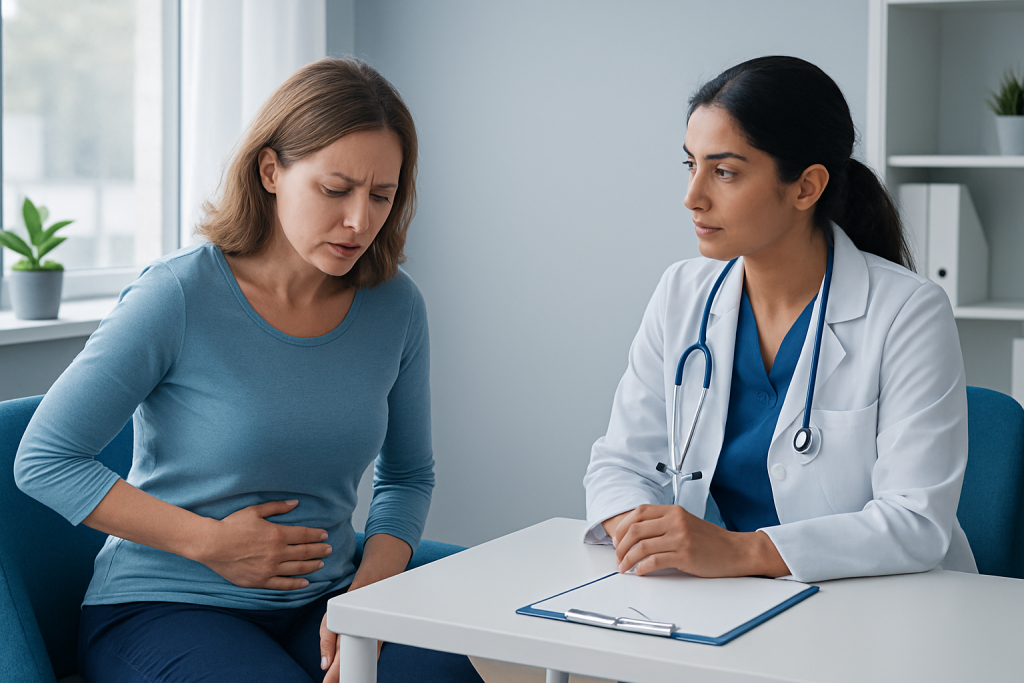
One of the most common digestive causes is constipation, especially when stool becomes hard and the colon is stretched. Gas buildup and irritable bowel syndrome can also lead to lower left abdominal discomfort that fluctuates with meals, stress, or bowel habits. These issues are usually not dangerous, but they can be persistent and frustrating.
Diverticulitis is another well-known cause, particularly in adults. It occurs when small pouches in the colon become inflamed or infected, often causing localized pain on the lower left side, sometimes with fever or bowel changes. Other bowel conditions, including inflammatory bowel disease, colitis, or less commonly intestinal obstruction, may also produce pain in this region.
Outside the bowel, the urinary tract can be involved. A kidney stone passing through the left side, or a urinary tract infection, may cause lower abdominal pain along with urinary symptoms. In women, ovarian cysts, ovulation pain, endometriosis, pelvic inflammatory disease, or ectopic pregnancy can all create pain that is felt in the lower left abdomen.
Risk factors vary by cause. A history of diverticular disease, chronic constipation, prior abdominal surgery, recurrent urinary infections, menstrual disorders, or recent pregnancy can all shape the likelihood of certain diagnoses. Age, medications, diet changes, travel, and hydration status may also influence symptoms.
How Doctors Diagnose the Cause
Evaluation usually begins with a detailed conversation about when the pain started, where it is located, how severe it feels, and what makes it better or worse. Doctors also ask about bowel habits, fever, urinary symptoms, menstrual timing, recent travel, and any prior abdominal conditions. These details are often the fastest way to separate urgent from non-urgent causes.
A physical examination helps identify tenderness, swelling, guarding, or pain that changes with movement or pressure. Depending on the findings, the clinician may order blood tests to look for infection or inflammation, urine tests to check for urinary causes, and pregnancy testing when relevant. Stool tests may be used if bleeding or infection is suspected.
Imaging is sometimes needed, especially when the pain is persistent, localized, or associated with fever. Ultrasound is commonly useful for pelvic causes, while CT scanning may help evaluate the bowel, diverticulitis, stones, or other abdominal problems. The goal is not to test everything, but to choose the right test for the likely cause and avoid delays in treatment.
Treatment Options
Treatment depends entirely on the diagnosis. Mild constipation may improve with fluids, dietary changes, movement, and a clinician-recommended bowel regimen. Gas-related discomfort may settle as bowel habits normalize and triggering foods are reduced. Functional bowel symptoms are often managed with a combination of diet guidance, stress reduction, and targeted medication when needed.
If diverticulitis is present, treatment may include rest, dietary modification, pain control, and, in selected cases, antibiotics or hospital-based care if symptoms are more significant. Urinary tract infections are treated with appropriate medication, while kidney stones may require hydration, pain control, and sometimes procedures if the stone does not pass. The choice of treatment depends on the size, severity, and location of the problem.
Gynecologic causes require their own approach. Ovarian cysts may simply be monitored, while endometriosis, pelvic inflammatory disease, or ectopic pregnancy may need medication, close follow-up, or urgent intervention. In emergency conditions such as bowel perforation, ovarian torsion, bowel obstruction, or ectopic pregnancy, treatment is time-sensitive and typically hospital-based.
For international patients, it can help to bring prior test results, medication lists, and a short symptom timeline to the consultation. That allows the care team to move efficiently from uncertainty to a practical plan, including treatment while abroad and follow-up instructions for the return journey home.
Prevention and Self-care
Not every cause can be prevented, but several habits can reduce the chance of recurring discomfort. Regular fluid intake, enough dietary fiber for the individual, and steady physical activity can support healthy bowel function. Avoiding prolonged constipation is especially helpful for people who notice recurring left-sided abdominal pain.
Keeping track of symptom patterns can also be useful. A short diary noting meals, bowel movements, menstrual timing, urinary changes, and pain severity can reveal triggers that are otherwise easy to miss. This record is particularly valuable when consulting a doctor in another country or during a brief medical visit, because it gives a clearer picture of what has been happening over time.
Self-care should remain gentle and cautious. Warm compresses, rest, hydration, and a light diet may help some people feel better, but self-treatment should not delay evaluation if the pain is worsening or unusual. It is also wise to avoid taking leftover antibiotics or strong pain medication without medical advice, since these can obscure symptoms or be unsuitable for the underlying cause.
When to See a Doctor
Medical review is recommended if lower left abdominal pain lasts more than a short time, keeps returning, or interferes with normal eating, sleeping, or movement. Even when the pain seems manageable, recurring episodes deserve attention because the cause may only become clear after examination and testing.
Urgent assessment is important if the pain is severe, comes on suddenly, or is accompanied by fever, vomiting, fainting, rigid abdomen, blood in the stool, black stool, or inability to pass urine or stool. Pregnancy-related pain, especially with bleeding or dizziness, should be treated as an emergency until a clinician says otherwise.
People who are older, immunocompromised, or recovering from recent surgery should seek advice sooner rather than later, since abdominal conditions can progress more quietly in these settings. Acibadem Health Point’s multidisciplinary specialists and JCI-accredited hospitals can help international patients diagnose and treat lower left abdominal pain with coordinated, patient-centered care.
When in doubt, it is better to have a qualified clinician assess the symptom than to wait for it to “declare itself.” A timely evaluation can confirm whether the issue is minor, explainable, and self-limited, or whether specific treatment is needed to prevent complications.
Living With the Symptom While It Is Being Evaluated
When the cause is not yet known, the safest approach is to observe carefully rather than guess. Keep meals simple, stay hydrated, and note whether the pain changes after eating, using the bathroom, or resting. If the symptom is tolerable but persistent, arranging medical care within a reasonable time is sensible.
People who are traveling may want to think ahead about access to records, pharmacy options, and follow-up care. A short written summary of the symptom onset, any tests already done, and any medicines taken can make later care smoother. That is especially useful if the next appointment will be in another country or after a long flight.
Most importantly, do not ignore a pattern simply because the pain is not dramatic. Abdominal conditions often begin quietly. A measured, organized assessment is usually the fastest way to find relief and avoid unnecessary worry.
Reassurance and Next Steps
Lower left abdominal pain is common, and many causes are treatable once identified. The location can be unsettling, but it does not automatically mean a serious illness. What matters most is the full clinical picture: the onset, the accompanying symptoms, the person’s age and medical history, and whether the pain is improving or progressing.
If the discomfort is mild and short-lived, watching it closely may be enough. If it is new, persistent, severe, or paired with fever, vomiting, bleeding, or urinary or pregnancy-related symptoms, a doctor should evaluate it promptly. With the right testing and a clear plan, most people can move from uncertainty to a more predictable recovery path.
Frequently asked questions
What is the most common cause of pain in the lower left abdomen?
Digestive causes are common, especially constipation, gas, and diverticular disease. In some people, urinary or gynecologic conditions are responsible instead. The most likely cause depends on the accompanying symptoms and how the pain started.
Can lower left abdominal pain go away on its own?
Yes, mild pain from gas, temporary constipation, or minor muscle strain may settle on its own. However, pain that is severe, persistent, or worsening should be checked by a clinician so that more important causes are not missed.
When should someone worry about diverticulitis?
Diverticulitis is more likely when lower left abdominal pain is paired with fever, tenderness, nausea, or bowel changes. It should be assessed by a doctor, especially if the pain is new or significant, because treatment may be needed to prevent complications.
Could lower left abdominal pain be related to the ovaries?
Yes, in women it can be related to ovarian cysts, ovulation, endometriosis, or less commonly ovarian torsion. Pain with unusual bleeding, pelvic pressure, or severe sudden onset should be evaluated promptly.
What tests are usually done first?
Doctors often start with a history, physical examination, urine testing, and sometimes blood tests. Depending on the findings, ultrasound or CT imaging may be recommended to look more closely at the bowel, pelvis, or urinary tract.
Is it safe to take pain relievers before seeing a doctor?
Some over-the-counter pain relievers may be appropriate for minor discomfort, but it is best not to mask severe or unexplained abdominal pain. If the pain is significant, new, or accompanied by fever or vomiting, medical advice should come first.
References
- Mayo Clinic
- Cleveland Clinic
- National Institute of Diabetes and Digestive and Kidney Diseases
- American College of Gastroenterology
- NHS
This article is for general information only and is not a substitute for professional medical advice. Please consult a qualified doctor about your individual situation.