What Do Kidney Stones Feel Like

Key Takeaways
- Kidney stone pain is often sharp, cramping, and hard to get comfortable with, especially in the back or side.
- Some stones cause no symptoms until they start moving or block urine flow.
- Blood in the urine, nausea, vomiting, and urinary urgency can accompany kidney stone pain.
- Imaging and urine tests help doctors confirm the cause and rule out other conditions.
- Treatment depends on stone size, location, symptoms, and whether there is infection or blockage.
Kidney stones often cause sudden, intense pain that can come in waves, but the experience is not the same for everyone. This article explains the typical sensations, how they are diagnosed, and what people can do to help prevent future stones.
Overview
When people ask what kidney stones feel like, the most helpful answer is that the sensation is often hard to ignore and difficult to settle. Many describe a sudden, deep pain in the side or back that may seem to shift as the stone moves through the urinary tract.
That said, kidney stones do not always announce themselves in the same way. A small stone may pass with only mild discomfort, while a larger stone can cause severe pain if it blocks urine flow. Some stones are found during imaging for another reason, before they ever cause symptoms.
The experience can also be confusing because kidney stone pain may resemble other problems such as muscle strain, stomach upset, appendicitis, or a urinary infection. Understanding the pattern of symptoms helps patients know when the discomfort is more likely to be a stone and when medical evaluation is needed.
Symptoms
The classic kidney stone pain is often described as colicky, meaning it comes in waves rather than staying constant. It usually begins in the flank, the area between the ribs and the hip, and may travel toward the lower abdomen, groin, or genital area as the stone moves.
People often find it difficult to sit still or find a comfortable position. The pain may be sharp, stabbing, or cramping, and it can fluctuate in intensity. Some patients also notice nausea, vomiting, sweating, or a feeling of pressure in the lower abdomen.
Other common signs can include:
- Blood in the urine, which may make urine look pink, red, or brown
- Frequent urination or a sudden urge to urinate
- Pain or burning during urination
- Cloudy or foul-smelling urine if infection is present
- Fever or chills, which suggest urgent medical attention is needed
Not every symptom means a stone is present, and not every stone causes every symptom. The combination of pain location, movement, and urinary changes often gives doctors the clearest clues.
Causes & Risk Factors

Kidney stones form when certain minerals and substances in urine become concentrated enough to crystallize. Over time, those crystals can grow into stones of different sizes and compositions, including calcium stones, uric acid stones, struvite stones, and cystine stones.
Several factors can raise the chance of developing stones. Dehydration is one of the most common, because less urine means minerals are more likely to concentrate. A diet high in sodium, certain metabolic conditions, recurrent urinary infections, family history, obesity, and some medications can also increase risk.
Risk is shaped by more than one factor, and in many patients the cause is not a single event. Travel, climate, work patterns, and limited access to fluids can matter too, which is why prevention advice often needs to fit a person’s everyday life rather than a generic checklist.
Diagnosis
Diagnosis usually starts with a medical history and physical examination. The doctor will ask where the pain is located, how it began, whether it comes and goes, and whether there are urinary symptoms, fever, nausea, or a personal history of stones.
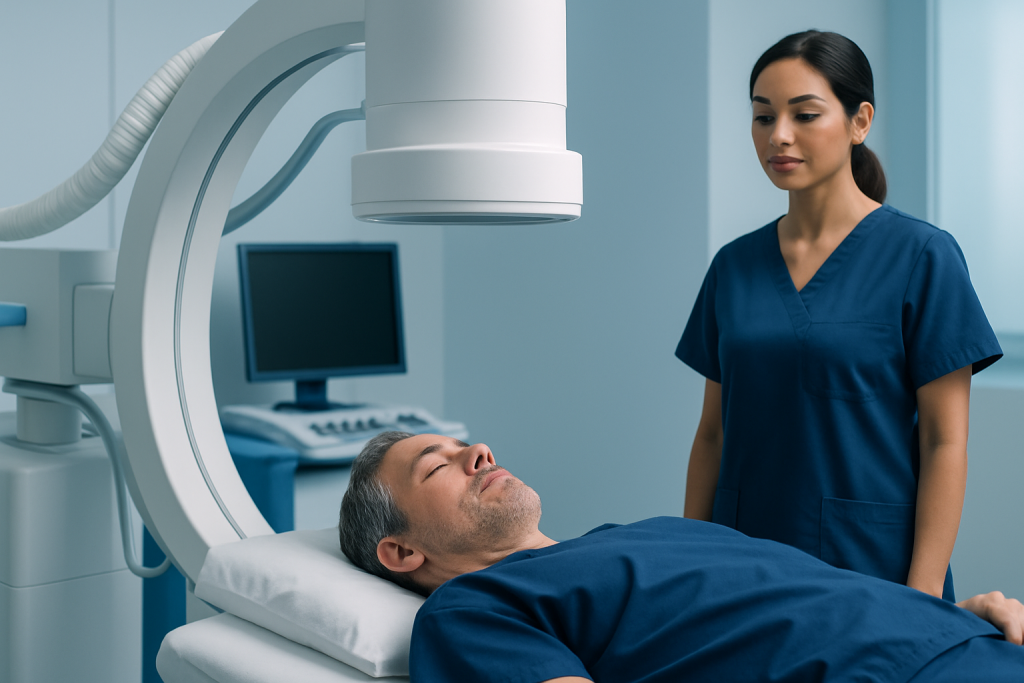
Urine tests can show blood, crystals, signs of infection, or other clues. Blood tests may help assess kidney function and look for inflammation or metabolic issues. Imaging is often needed to confirm the diagnosis and see whether a stone is causing blockage.
Depending on the situation, doctors may use ultrasound or computed tomography (CT), with CT often providing detailed information about stone size and location. For patients arranging care from another country, this part of the process is especially important because a clear diagnosis helps determine whether treatment can be simple and outpatient-based or whether closer monitoring is needed.
Treatment Options
Treatment depends on the size of the stone, where it is located, whether it is causing blockage, and whether infection is present. Small stones may pass on their own with supportive care, while larger stones or stones that do not move may need a procedure.
Supportive treatment often includes pain control, hydration guidance, and follow-up imaging. Doctors may also prescribe medicines that help relax the ureter, making it easier for the stone to pass. If there is infection with obstruction, urgent treatment is required because the combination can affect kidney health.
Procedures used to treat stones include:
- Shock wave lithotripsy, which breaks some stones into smaller pieces
- Ureteroscopy, where a thin instrument is used to reach and remove or break a stone
- Percutaneous nephrolithotomy, used for larger or more complex stones
- Temporary stent placement to help urine drain if the ureter is blocked
For international patients, treatment planning usually includes discussion of recovery time, imaging follow-up, and whether additional visits will be needed after returning home. A clear aftercare plan makes treatment more practical and safer across borders.
Prevention & Self-care
Prevention starts with understanding the type of stone, because the most effective advice depends on the stone’s composition. Even before that information is available, staying well hydrated is a practical first step for many people.
General self-care measures often include drinking enough fluids to keep urine pale yellow, moderating sodium intake, and following a balanced diet suited to the patient’s stone type and overall health. Some people may need to adjust animal protein, oxalate-rich foods, or calcium intake, but these changes should be individualized rather than self-prescribed.
It is also helpful to keep track of recurring symptoms, passed stones, and any family history. Patients who travel for care should ask for a written plan that covers hydration, pain management, follow-up testing, and what to do if symptoms return after the trip.
When to See a Doctor
Medical evaluation is recommended when pain is severe, persistent, or accompanied by blood in the urine, vomiting, or difficulty urinating. Even if the pain eases, a stone can still be present and may continue to affect urine flow.
Urgent care is needed if kidney stone symptoms occur with fever, chills, severe weakness, one-sided back pain with suspected infection, or inability to pass urine. These signs may indicate an infected obstruction, which requires prompt treatment.
Anyone with repeated stones should ask about a prevention plan, because recurrence is common enough to make follow-up worthwhile. Acibadem Health Point’s multidisciplinary specialists and JCI-accredited hospitals diagnose and treat kidney stones for international patients, with care organized around imaging, procedure planning, and recovery follow-up.
Frequently asked questions
What do kidney stones feel like at first?
At first, a kidney stone may cause a dull ache in the side or back, or it may cause no symptoms at all. Once it starts moving or blocks urine flow, the pain often becomes sharper and comes in waves.
Is kidney stone pain always severe?
No, pain can range from mild discomfort to very intense pain. The severity depends on the stone’s size, location, and whether it is causing blockage or irritation.
Can kidney stones cause pain in the lower abdomen or groin?
Yes, pain often shifts downward as the stone moves through the urinary tract. Many people notice pain in the lower abdomen, groin, or genital area, not just the back or side.
How can someone tell if it is a kidney stone or a urinary infection?
Both can cause urinary discomfort, but kidney stones more often cause wave-like flank pain and possible blood in the urine. Fever, chills, and cloudy urine raise concern for infection and should be assessed promptly.
Do all kidney stones need surgery?
No, many small stones pass without surgery if symptoms are manageable and there is no dangerous blockage or infection. Treatment is based on the stone’s size, location, and effect on the urinary tract.
What should a person do while waiting to see a doctor?
They should rest, drink fluids if they are able to keep them down, and monitor symptoms closely. If fever, worsening pain, vomiting, or trouble urinating develops, they should seek urgent care.
References
- National Institute of Diabetes and Digestive and Kidney Diseases
- Mayo Clinic
- National Kidney Foundation
- American Urological Association
- NHS
This article is for general information only and is not a substitute for professional medical advice. Please consult a qualified doctor about your individual situation.
Persistent digestive symptoms? Get evaluated in Turkey
JCI-accredited · board-certified surgeons · reply within 24h
Add us as a Preferred Source to see more of our trusted health content across Google Search, AI Overviews and Discover.