Locked-In Syndrome: Symptoms, Causes and Treatment
Key Takeaways
- Locked-in syndrome affects movement and speech while usually preserving consciousness and awareness.
- It most often results from stroke, but injury, bleeding, tumor, or severe nerve and brainstem disorders can also be involved.
- Diagnosis depends on neurological examination and brain imaging, with attention to eye movements and communication ability.
- Treatment focuses on the underlying cause, prevention of complications, rehabilitation, and assistive communication methods.
- Family education and coordinated long-term care are central to quality of life and ongoing recovery planning.
Medically reviewed by the Acıbadem clinical team — August 19, 2026
Locked-in syndrome is a rare neurological condition in which a person is aware and awake but has very limited ability to move or speak. It most often follows damage to the brainstem and requires urgent medical care, long-term rehabilitation, and careful communication support.
Overview
Locked-in syndrome is one of neurology’s most striking conditions: a person may be fully conscious, able to think and feel, yet unable to move most of the body or speak. The problem usually comes from damage in the brainstem, the area that carries signals between the brain and the rest of the body.
Because awareness is often preserved, the condition is not the same as coma or a persistent vegetative state. Many patients can still move their eyes vertically or blink, and those small movements may become the main way they communicate with the outside world.
For families, the diagnosis can be emotionally disorienting at first. In practice, care is often a step-by-step process: identifying the cause, protecting breathing and nutrition, preventing complications, and building reliable communication methods as early as possible.
Symptoms
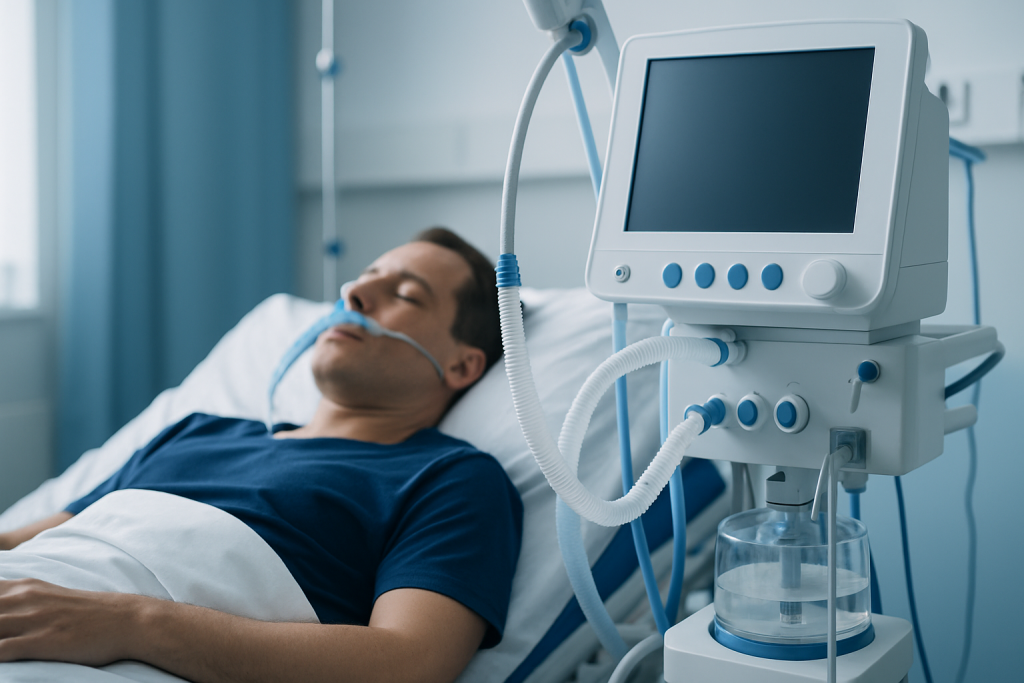
The hallmark of locked-in syndrome is severe paralysis with preserved consciousness. A person may be unable to speak, swallow, or move the limbs, face, and trunk, even though they remain awake and aware of what is happening around them.
Typical features can include:
- Loss of voluntary movement in all or nearly all muscles
- Inability to speak, despite preserved alertness
- Difficulty swallowing
- Preserved vertical eye movement and blinking in many cases
- Normal or near-normal sensation and awareness
The exact pattern depends on how much of the brainstem is affected. Some people have a more classic form with eye movement preserved, while others have an incomplete form with a little more movement or communication ability. A careful bedside assessment is important because the condition can be mistaken for reduced consciousness if eye responses are not checked closely.
Causes and Risk Factors

Locked-in syndrome most often develops when the pons, a part of the brainstem, is injured. The most common cause is a stroke that interrupts blood flow to this area, especially a blockage in the basilar artery. When that region is affected, the pathways that control movement can be disrupted while awareness remains intact.
Other causes may include brainstem bleeding, traumatic brain injury, tumors, infections, inflammation, demyelinating disease, or severe metabolic injury. In some people, the triggering event is sudden and dramatic; in others, the condition develops after a more complex neurological illness that gradually worsens.
Risk factors depend on the underlying cause. For stroke-related cases, factors such as high blood pressure, diabetes, smoking, heart disease, abnormal blood lipids, and certain clotting disorders may increase risk. The condition itself is rare, but any major brainstem event deserves urgent evaluation because recovery chances are strongly influenced by early treatment.
Diagnosis
Diagnosis begins at the bedside. A neurologist or emergency team looks for preserved awareness, follows eye movements carefully, and checks whether the patient can blink or look up and down on command. These simple observations can prevent the condition from being mistaken for coma or profound sedation.
Brain imaging is usually essential. Magnetic resonance imaging can show brainstem injury more clearly, while computed tomography and vascular imaging may help identify stroke, bleeding, or vessel blockage. If the person is critically ill, tests may be repeated over time because neurological findings can evolve.
Additional assessments may include electroencephalography, which can help confirm preserved brain activity, and swallowing or respiratory evaluations. For international patients, diagnosis often also includes planning around transfer safety, intensive care needs, and whether specialist neurorehabilitation is likely to be required after the acute phase.
Treatment Options
Treatment depends on the cause, but the immediate priorities are always medical stabilization and protection of vital functions. If the syndrome follows stroke, doctors may consider urgent stroke-specific treatment when appropriate. If it is related to bleeding, infection, inflammation, or another condition, management is directed at that underlying problem.
Supportive care is just as important. Patients may need help with breathing, nutrition, hydration, airway protection, skin care, and prevention of infections or blood clots. Because speaking may not be possible, teams often introduce low-tech or high-tech communication tools early, such as eye-code systems, letter boards, or speech-generating devices.
Rehabilitation is usually long term and highly individualized. It may involve physical therapy, occupational therapy, speech and language therapy, respiratory therapy, and psychological support. Progress can be slow, and goals often focus first on comfort, communication, and preserving as much function as possible rather than on rapid recovery.
Prevention and Self-care
Not all cases can be prevented, but stroke prevention reduces risk in people whose symptoms are related to vascular disease. Managing blood pressure, diabetes, cholesterol, and smoking cessation are central steps, along with taking prescribed medications consistently and following medical advice for heart or clotting conditions.
For patients already living with locked-in syndrome, self-care is usually team-based. Families and caregivers help with positioning, oral care, feeding plans, skin checks, and communication routines. Small changes in environment, such as reducing noise and using predictable yes/no questions, can make daily interactions much easier.
Emotional support matters as much as physical care. The person may remain aware of conversations and decisions, so speaking to them directly, explaining each step, and respecting their responses are important parts of dignified care. Mental health support for caregivers is also valuable because the demands of long-term care can be intense.
When to See a Doctor
Locked-in syndrome is a medical emergency when it appears suddenly, especially after stroke symptoms, head injury, severe headache, or loss of the ability to speak or move. Immediate emergency evaluation is needed if a person is awake but cannot respond normally, particularly if eye movement is the only visible sign of awareness.
After the acute phase, ongoing follow-up with neurology, rehabilitation medicine, and other specialists is important. Families should seek review if communication becomes less reliable, breathing changes, swallowing worsens, or new symptoms suggest a complication such as infection or seizure activity.
For patients traveling internationally, it helps to arrange specialist follow-up before discharge when possible, including clear plans for transport, equipment, medications, and rehabilitation. Acibadem Health Point can support international patients through multidisciplinary specialists and JCI-accredited hospitals that diagnose and treat neurological conditions such as locked-in syndrome.
Living With Locked-In Syndrome
Life with locked-in syndrome centers on communication, consistency, and patience. When the care team and family settle on a dependable signal for yes and no, daily decisions become less stressful and the patient can participate more fully in care planning.
Recovery experiences vary widely. Some patients improve enough to regain limited movement or clearer communication, while others remain profoundly disabled and need permanent support. Even when physical recovery is limited, thoughtful rehabilitation and communication access can meaningfully improve quality of life.
Planning for the future usually includes long-term care arrangements, follow-up imaging or neurological assessment, and practical discussions about home care, equipment, and caregiver support. A clear plan makes it easier for families to focus on what matters most: comfort, understanding, and stable day-to-day care.
Frequently asked questions
Is locked-in syndrome the same as coma?
No. In locked-in syndrome, the person is usually awake and aware, but unable to move or speak normally. In coma, awareness is absent or markedly reduced. Eye movements and blinking often help clinicians tell the difference.
What is the most common cause of locked-in syndrome?
A stroke affecting the brainstem, especially the pons, is the most common cause. Other causes include bleeding, traumatic injury, tumors, and some inflammatory or demyelinating conditions.
Can people with locked-in syndrome communicate?
Often yes, especially if eye movement is preserved. Yes/no systems, blinking codes, letter boards, and electronic communication devices can be helpful. The best method depends on the person’s remaining movement and alertness.
Is recovery possible?
Recovery varies from person to person and depends on the underlying cause, how quickly treatment begins, and the extent of brainstem injury. Some people regain limited movement or communication, while others need long-term support.
What kind of care is usually needed?
Care often includes breathing support, nutrition management, skin protection, rehabilitation, and prevention of complications such as infection or blood clots. Emotional support and a reliable communication plan are also essential.
When should emergency help be sought?
Emergency help is needed if someone suddenly cannot speak or move but appears awake, especially after stroke symptoms or head injury. Rapid assessment can be crucial because the underlying cause may require urgent treatment.
References
- National Institute of Neurological Disorders and Stroke
- Mayo Clinic
- National Health Service
- American Stroke Association
- World Health Organization
This article is for general information only and is not a substitute for professional medical advice. Please consult a qualified doctor about your individual situation.
Explore treatments in Turkey — costs, top hospitals & a free quote
JCI-accredited · board-certified surgeons · reply within 24h
Add us as a Preferred Source to see more of our trusted health content across Google Search, AI Overviews and Discover.