Apraxia: Symptoms, Causes and Treatment

Key Takeaways
- Apraxia affects planned, purposeful movement rather than muscle power alone.
- It can appear after stroke, brain injury, or other neurological conditions.
- Diagnosis usually involves a detailed neurological and speech-language or therapy assessment.
- Treatment often focuses on rehabilitation, repetition, cueing, and practical communication strategies.
- Families and caregivers play an important role in making everyday tasks easier and safer.
Medically reviewed by the Acıbadem clinical team — August 19, 2026
Apraxia is a neurological condition that affects the ability to carry out learned movements even when strength and understanding are intact. With the right evaluation, therapy, and support, many people can improve daily functioning and adapt more confidently at home and in rehabilitation.
Overview
Apraxia is a disorder of motor planning. In everyday terms, the brain knows what it wants to do, but it has trouble organizing the steps needed to do it. A person may understand a request, have enough strength to move, and still find it difficult to brush teeth, use a spoon, gesture on command, or speak certain sounds clearly.
Apraxia is not the same as weakness, poor motivation, or a memory problem. It usually points to a disturbance in the brain networks that coordinate learned actions. Because the difficulty is often invisible at first glance, people around the patient may misread the problem as confusion or lack of effort.
The condition can affect different areas of life depending on the type and severity. Some people struggle mainly with speech, while others have trouble with dressing, tool use, or coordinated hand movements. For international patients, the most useful starting point is a clear diagnosis that explains which abilities are affected and which therapies are most likely to help during recovery and after return home.
Symptoms
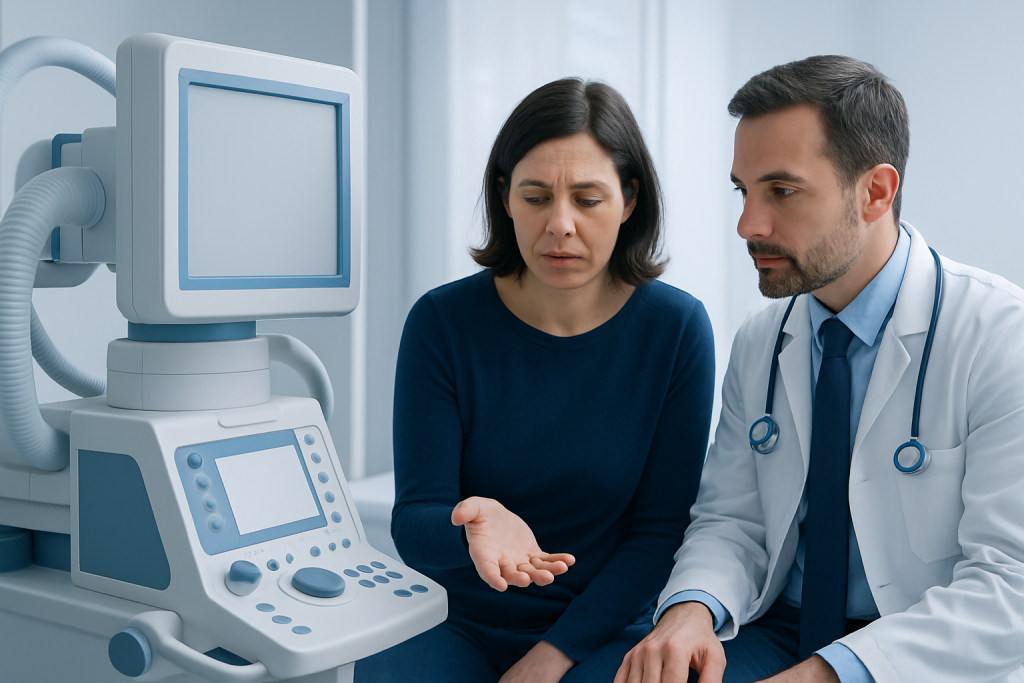
Apraxia does not usually look like a single, uniform problem. The signs depend on the type of apraxia and the part of the brain involved. One person may know exactly what they want to do but cannot carry out the sequence, while another may need extra time to start a movement or may use awkward, imprecise gestures.
Common signs can include difficulty performing familiar tasks on command, trouble copying movements, inconsistent errors, and a need for repeated attempts. A person may do better when a task happens automatically in a familiar setting, yet struggle when asked to do the same action deliberately.
- Difficulty using everyday objects correctly, even when they are familiar
- Problems with dressing, grooming, or sequencing multi-step tasks
- Speech that sounds effortful, distorted, or hard to start in some cases
- Improved performance with demonstration or visual cueing compared with verbal instruction alone
- Frustration, embarrassment, or fatigue from repeatedly trying to complete simple actions
Symptoms may become more noticeable when the person is tired, anxious, rushed, or in an unfamiliar environment. That is one reason a supportive, low-pressure setting matters so much during assessment and rehabilitation.
Causes & Risk Factors

Apraxia usually develops because of damage or disruption in the brain regions that coordinate learned movement patterns. It is often seen after stroke, traumatic brain injury, brain tumor, infection, or neurodegenerative disease. In some children, apraxia may be present without a clear structural brain injury, though the pattern and management can differ from adult cases.
Several neurological conditions can be associated with apraxia. These include stroke, Parkinsonian syndromes, dementia-related disorders, and other diseases affecting the frontal and parietal areas of the brain. Speech apraxia may occur on its own or alongside aphasia, dysarthria, or other language and motor speech difficulties.
Risk factors are tied to the underlying cause rather than apraxia itself. A history of cerebrovascular disease, head injury, progressive neurological illness, or brain surgery can increase the chance of developing symptoms. The exact risk profile depends on the location and extent of the brain involvement, as well as the person’s age and overall health.
Diagnosis
Diagnosing apraxia is a careful process because its signs can resemble weakness, language disorders, coordination problems, or cognitive changes. A clinician usually begins with a detailed history, including when the symptoms started, whether they appeared suddenly or gradually, and whether they followed a stroke or injury. Understanding the timeline often gives important clues about the cause.
The examination may include strength testing, observation of movements, speech assessment, and tasks that check how the patient follows commands or imitates actions. Speech-language pathologists, neurologists, rehabilitation physicians, and occupational or physical therapists may all contribute to the evaluation depending on the suspected type of apraxia.
Imaging such as MRI or CT may be used to look for stroke, bleeding, tumor, inflammation, or other structural changes in the brain. In some cases, additional testing helps separate apraxia from aphasia, weakness, ataxia, or cognitive impairment. For patients traveling for care, it is often helpful to bring prior scans, discharge summaries, medication lists, and therapy notes so the assessment can begin efficiently.
Treatment Options
Treatment for apraxia is usually centered on rehabilitation rather than medication alone. The approach is tailored to the specific type of apraxia, the underlying brain condition, and the patient’s daily goals. Many people benefit from a team approach that includes neurology, speech therapy, occupational therapy, physical therapy, and caregiver education.
Therapy often focuses on repetition, step-by-step practice, visual demonstration, and cueing strategies. For speech apraxia, treatment may emphasize slowed practice, sound sequencing, and structured exercises designed by a speech-language pathologist. For limb or dressing apraxia, occupational therapists may break tasks into smaller actions and train the person in the exact sequence needed for routine activities.
Useful supports can include written checklists, picture cues, simplified routines, adaptive devices, and environmental changes that reduce distractions. When apraxia follows stroke or another acute brain event, treatment may begin during inpatient rehabilitation and continue after discharge with outpatient sessions or home exercises. Progress is often gradual, so realistic goals and consistent practice matter more than quick fixes.
Prevention & Self-care
Apraxia itself cannot always be prevented, especially when it develops after stroke, trauma, or another neurological condition. Still, some causes can be reduced through broader brain-health habits such as managing blood pressure, diabetes, and cholesterol, avoiding head injury, and seeking prompt care for stroke warning signs.
Once apraxia is present, self-care is about making daily life more workable and less frustrating. A steady routine, enough rest, and a calm environment can make tasks easier to complete. Many people also do better when they practice during the time of day when they feel most alert.
- Use one-step instructions and simple visual cues
- Keep frequently used items in the same place
- Allow extra time for dressing, eating, and speaking
- Practice skills in short sessions rather than long, tiring ones
- Ask therapists to teach caregivers the same strategies used in clinic
Traveling for treatment can add stress, so planning ahead helps. Families may want to arrange mobility support, copies of records, and follow-up appointments before returning home. Clear written instructions in the patient’s preferred language can make continued therapy much smoother after international travel.
When to See a Doctor
A medical evaluation is important whenever a person develops new trouble performing familiar movements, especially if the change is sudden. Sudden symptoms may point to stroke or another urgent neurological problem and should be assessed promptly. Gradual changes also deserve attention, particularly if they affect speech, dressing, eating, or safe use of objects.
It is especially important to seek care if the person has repeated choking, a noticeable change in communication, new confusion, one-sided weakness, facial drooping, severe headache, or problems walking. Even when symptoms are mild, early assessment can help identify the cause and guide rehabilitation before frustration and inactivity become more entrenched.
For international patients, a neurologist’s review can also clarify what can be treated during a visit abroad and what should continue after returning home. Acibadem Health Point’s multidisciplinary specialists and JCI-accredited hospitals diagnose and treat apraxia for international patients, with coordinated evaluation and rehabilitation planning when appropriate.
Living With Apraxia
Apraxia can change how a person approaches ordinary routines, but it does not remove the possibility of progress. Many people learn alternative ways to complete tasks, communicate needs, and protect independence in the parts of life that matter most to them. Small improvements in planning, consistency, and confidence can make a meaningful difference.
Families often help best by focusing on structure rather than correction. Calm reminders, predictable routines, and encouragement usually work better than rushing or repeatedly pointing out mistakes. It can also help to celebrate what the person can do reliably and to build the day around those strengths.
Because apraxia often occurs alongside other neurological conditions, follow-up is important. Treatment plans may need to change as the brain heals, symptoms improve, or other issues emerge. A good rehabilitation plan is flexible, practical, and designed to support life at home, work, and community settings as much as clinic sessions.
Frequently asked questions
Is apraxia the same as weakness?
No. Apraxia is mainly a problem with planning and carrying out learned movements, not with muscle strength itself. A person may be physically strong but still have difficulty performing a familiar task in the right order.
Can apraxia improve with therapy?
Yes, many people improve with rehabilitation, especially when therapy is targeted to the specific type of apraxia. Progress is often gradual and depends on the underlying cause, the severity of symptoms, and how consistently practice continues.
What kind of doctor diagnoses apraxia?
A neurologist often leads the evaluation, and speech-language pathologists or rehabilitation therapists may also be involved. The exact team depends on whether speech, limb use, dressing, or another function is most affected.
Does apraxia always happen after a stroke?
No. Stroke is a common cause, but apraxia can also follow head injury, brain tumors, infections, or progressive neurological disease. In some children, it may appear in development rather than after a clear injury.
How is apraxia different from aphasia?
Aphasia is a language disorder that affects understanding or using words, while apraxia affects the planning of movement. They can occur together, especially when the brain areas involved in speech and language are affected by injury or stroke.
What can families do at home to help?
Families can use short instructions, visual cues, and familiar routines to lower frustration. It also helps to give the person enough time, avoid multitasking during important activities, and follow the therapist’s home practice plan.
References
- National Institute of Neurological Disorders and Stroke
- Mayo Clinic
- World Health Organization
- American Speech-Language-Hearing Association
- Alzheimer's Association
This article is for general information only and is not a substitute for professional medical advice. Please consult a qualified doctor about your individual situation.
Explore treatments in Turkey — costs, top hospitals & a free quote
JCI-accredited · board-certified surgeons · reply within 24h
Add us as a Preferred Source to see more of our trusted health content across Google Search, AI Overviews and Discover.