Brain Stem

Key Takeaways
- The brain stem connects the brain with the spinal cord and helps regulate vital body functions.
- Symptoms of brain stem problems can include double vision, dizziness, swallowing difficulty, weakness, balance problems, or sudden changes in speech.
- Common causes include stroke, injury, inflammation, infection, tumors, and certain neurological diseases.
- Diagnosis may require a neurological exam, MRI or CT imaging, and other tests to identify the underlying cause.
- Treatment depends on the cause and may include emergency care, medication, rehabilitation, or surgery.
- Prompt medical evaluation is important when symptoms appear suddenly or affect breathing, swallowing, vision, or consciousness.
The brain stem is a small but essential part of the nervous system that helps control breathing, heartbeat, alertness, swallowing, and movement. Understanding its role can make warning signs easier to recognize and help people seek timely neurological care when needed.
Overview
The brain stem is one of the body’s most important control centers, even though it is small compared with the larger regions of the brain. It sits at the base of the brain and links the brain to the spinal cord, carrying signals that help the body breathe, keep a steady heartbeat, stay awake, swallow, and coordinate movement.
Because so many essential pathways pass through this area, even a minor disturbance can create noticeable neurological symptoms. For people deciding whether to travel for care, the brain stem is often discussed in the context of time-sensitive conditions, where the right evaluation can clarify whether symptoms are due to a stroke, inflammation, infection, or another problem requiring targeted treatment.
The brain stem has three main parts: the midbrain, pons, and medulla oblongata. Each part contributes to different functions, but they work together as a single system. Understanding this anatomy helps explain why symptoms can affect several body systems at once, such as eye movements, balance, facial sensation, speech, and breathing.
Symptoms
Brain stem symptoms often appear in combinations rather than as a single isolated problem. A person may notice sudden dizziness, unsteady walking, double vision, drooping facial muscles, slurred speech, difficulty swallowing, or weakness and numbness on one side of the body. Some people also experience changes in alertness, confusion, or an unusual sleepiness that seems out of proportion to the situation.
Other signs depend on which pathways are affected. Problems with eye movement may cause blurred or double vision; swallowing pathway changes may lead to coughing during meals; and balance-related disruption may make standing or turning feel unstable. In more serious situations, breathing changes or reduced consciousness can develop, which is why any rapid change in neurological function should be taken seriously.
Symptoms can be temporary or persistent, mild or severe, but pattern matters. When several of these signs begin suddenly, especially with headache, vomiting, facial weakness, or difficulty speaking, urgent medical assessment is generally recommended. For international patients, it is helpful to describe exactly when the symptoms started and whether they changed during travel, since timing can affect both diagnosis and treatment planning.
Causes & Risk Factors

Many different conditions can affect the brain stem. A common cause is stroke, which may occur when blood flow is blocked or a blood vessel bleeds in this area. Because the brain stem controls so many vital functions, stroke here can present in a dramatic way, but it may also look subtle at first, with dizziness or balance trouble being early clues.
Other causes include traumatic head injury, brain infections, inflammation from autoimmune disease, tumors, and demyelinating disorders such as multiple sclerosis. Less commonly, congenital or structural problems can affect the region, and some degenerative neurological illnesses may involve brain stem pathways over time.
Risk factors vary by cause. For vascular problems, high blood pressure, diabetes, smoking, high cholesterol, heart rhythm disorders, and prior stroke increase risk. For infection or inflammation, the risk may be linked to immune suppression, recent illness, or underlying autoimmune disease. A doctor will usually look not only at symptoms, but also at a person’s full medical history, travel plans, medications, and any recent injuries or infections.
Diagnosis
Diagnosis usually begins with a careful neurological examination. A clinician may check eye movements, facial strength, speech, reflexes, balance, swallowing, coordination, and sensation to determine which brain pathways may be involved. Because the brain stem is small and deep within the head, examination findings are often combined with imaging rather than used alone.
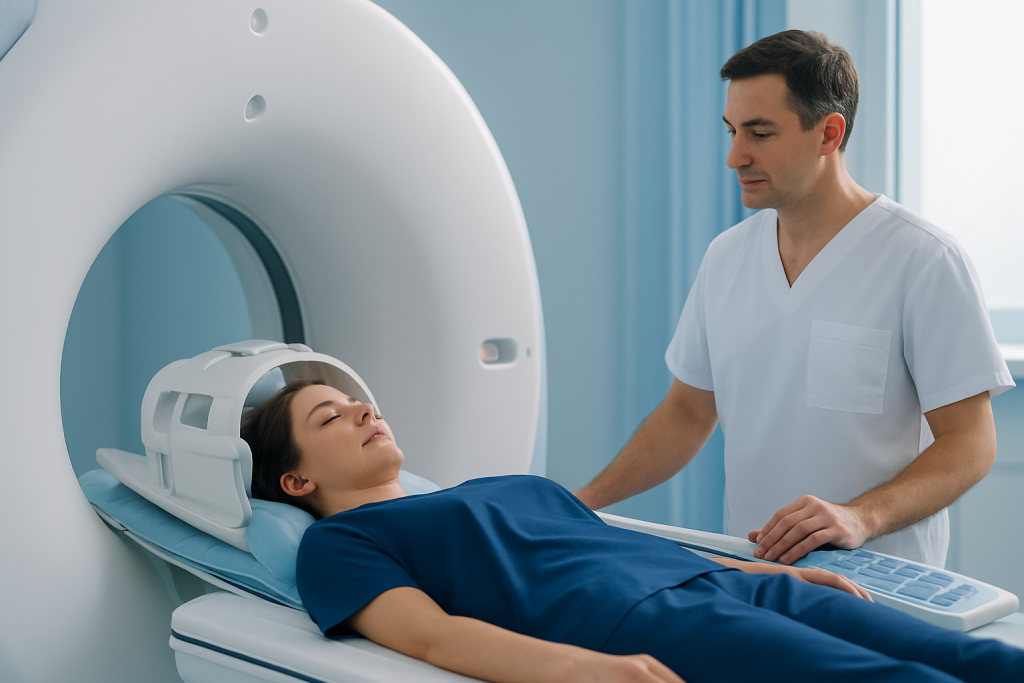
MRI is commonly the most informative test for brain stem conditions because it shows soft tissue detail well and can reveal stroke, inflammation, tumors, or demyelination. CT scanning may be used first in urgent situations, especially when bleeding or major injury needs to be ruled out quickly. Depending on the suspected cause, doctors may also order blood tests, lumbar puncture, vascular imaging, or heart rhythm monitoring.
For international patients, diagnostic planning may be staged so that urgent issues are addressed first and additional testing follows once the person is stable. Clear communication about symptom onset, prior imaging, medications, and previous medical records helps the care team choose the most appropriate tests without delay.
Treatment Options
Treatment depends entirely on the underlying cause. If the problem is a stroke, emergency treatment may focus on restoring blood flow, reducing complications, or controlling bleeding. When infection is involved, antimicrobial therapy may be started, while inflammatory conditions may be treated with medicines that calm the immune response. Tumors may be approached with surgery, radiation, medication, or a combination of methods, depending on location and type.
Supportive care is often just as important as the cause-specific treatment. A person with brain stem involvement may need help with breathing, nutrition, swallowing safety, mobility, or eye alignment. In some cases, intensive monitoring is needed early on, followed by rehabilitation once the condition stabilizes. Speech therapy, physical therapy, and occupational therapy can be central to recovery, especially when balance, swallowing, or coordination have been affected.
Not every brain stem problem requires the same level of intervention, and treatment choices are usually tailored to the person’s age, overall health, and neurological findings. For patients traveling from abroad, follow-up planning matters as much as the initial treatment plan, since rehabilitation and repeat imaging may need coordination after returning home.
Prevention & Self-care
Not every brain stem condition can be prevented, but some risks can be lowered through general brain and vascular health. Managing blood pressure, blood sugar, and cholesterol; avoiding tobacco; staying active within personal limits; and following a doctor’s guidance for heart or stroke prevention all support neurological health. Wearing a helmet and using seatbelts also reduces the chance of traumatic injury.
Self-care becomes important during recovery. People may need to eat slowly, follow a modified texture diet if swallowing is affected, use mobility aids safely, and rest enough to avoid overexertion. Keeping written notes about symptoms, medication changes, and therapy recommendations can make follow-up smoother, especially when care is being coordinated across countries.
It is also wise to prepare for repeat appointments before leaving the treating center. A practical discharge plan may include imaging reports, therapy instructions, and clear warning signs that should trigger medical review. When care is organized this way, recovery is easier to monitor and small setbacks can be addressed early.
When to See a Doctor
Medical evaluation should not wait if symptoms develop suddenly or worsen quickly. New weakness, double vision, trouble speaking, severe dizziness, difficulty swallowing, facial droop, confusion, or breathing changes deserve urgent attention because they can reflect a problem in the brain stem or another part of the nervous system.
Even if symptoms seem to improve, a doctor should still assess them if they are new, unexplained, or recurring. Brain stem conditions can sometimes evolve over hours or days, and early assessment can help identify a treatable cause before it becomes more serious. People with a history of stroke, multiple sclerosis, recent infection, cancer, or head trauma should be especially attentive to new neurological symptoms.
Acibadem Health Point’s multidisciplinary specialists and JCI-accredited hospitals diagnose and treat brain stem-related conditions for international patients, with care planning that can support both urgent treatment and follow-up after travel. If symptoms suggest an emergency, local emergency services should be contacted immediately.
Frequently asked questions
What does the brain stem do?
The brain stem connects the brain to the spinal cord and helps control essential functions such as breathing, heart rate, swallowing, eye movement, and alertness. It also carries many nerve signals that help the body move and sense the environment.
What are common signs of a brain stem problem?
Common signs include dizziness, double vision, trouble speaking, difficulty swallowing, facial weakness, unsteady walking, and changes in alertness. Symptoms may appear together, which can help doctors identify the brain stem as a possible source.
Can a brain stem condition be treated?
Yes, but treatment depends on the cause. A stroke, infection, tumor, inflammation, or injury each requires a different approach, so doctors usually focus first on identifying the underlying problem.
Is an MRI always needed for diagnosis?
MRI is often very useful because it shows the brain stem in detail, but it is not always the first test. In urgent situations, a CT scan may be done first, and other tests may follow based on the person’s symptoms and stability.
When should emergency help be sought?
Emergency help should be sought if symptoms start suddenly or involve breathing, swallowing, severe dizziness, weakness, confusion, or loss of consciousness. These can signal a serious neurological problem that needs prompt evaluation.
Can recovery happen after a brain stem injury or stroke?
Recovery is possible, but it varies widely depending on the cause, severity, and speed of treatment. Rehabilitation often plays an important role in helping people regain swallowing, speech, movement, and daily function.
References
- National Institute of Neurological Disorders and Stroke
- American Stroke Association
- Mayo Clinic
- World Health Organization
This article is for general information only and is not a substitute for professional medical advice. Please consult a qualified doctor about your individual situation.