

Legs

Key Takeaways
- Leg symptoms can come from muscles, joints, nerves, blood vessels, skin, or the spine.
- Pain, swelling, cramps, weakness, or numbness may have different causes and need different treatments.
- Many leg problems improve with rest, movement, hydration, and basic self-care, but some require prompt assessment.
- Sudden swelling, severe pain, weakness, redness, or shortness of breath should be medically evaluated without delay.
- A careful history, physical exam, and targeted tests often help identify the source of leg symptoms.
The legs support movement, balance, and daily independence, so even small changes can affect comfort and confidence. This guide explains common leg symptoms, likely causes, and practical ways to protect leg health while knowing when medical evaluation is needed.
Overview
When people say their “legs hurt,” the real problem can be anywhere from the hip to the toes. The legs contain bones, joints, muscles, tendons, nerves, arteries, veins, and skin, so discomfort in this area is not one single condition but a shared signal that something needs attention.
Some leg problems are simple and short-lived, such as a muscle strain after exercise or a cramp after dehydration. Others may reflect circulation issues, nerve irritation, arthritis, injury, or a medical condition elsewhere in the body. Looking at the pattern of symptoms often gives the first useful clue.
For international patients, leg symptoms are sometimes noticed during travel, after long flights, or while adjusting to new routines. That context matters, because prolonged sitting, changes in activity, and disrupted sleep can all influence how the legs feel and how they recover.
Symptoms
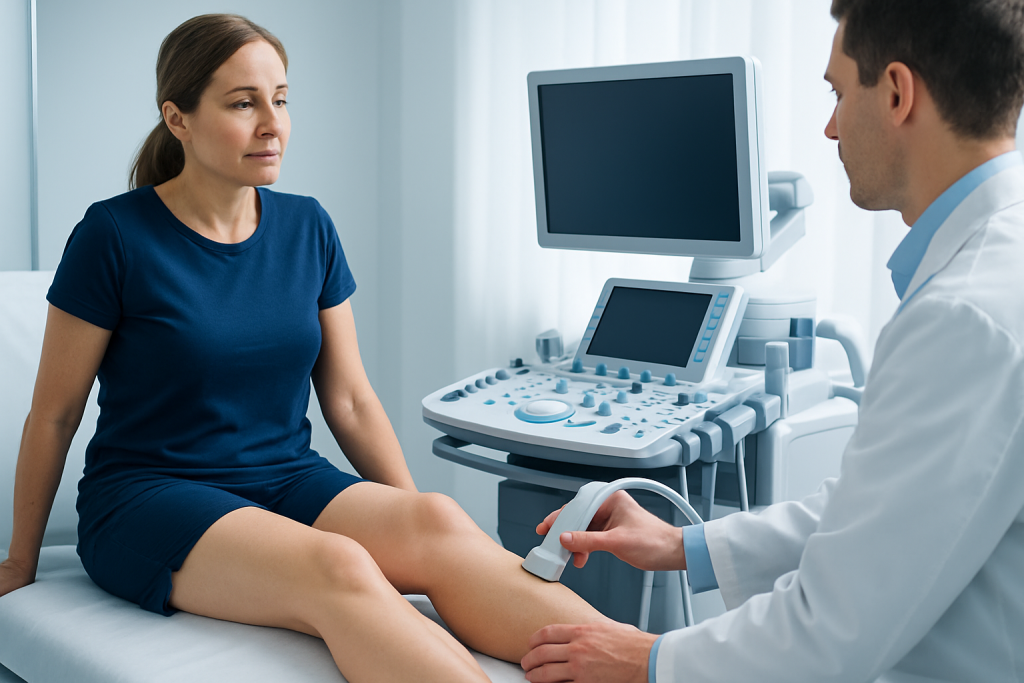
Leg symptoms can vary widely. Pain may be sharp, dull, burning, aching, or throbbing. It may appear in one spot, travel down the leg, or involve both legs. Some people notice heaviness or tightness rather than clear pain.
Other common symptoms include swelling, cramps, stiffness, weakness, numbness, tingling, redness, warmth, or trouble walking. Symptoms may worsen with standing, exercise, at night, or after sitting for long periods. The timing and location of the discomfort often help narrow the cause.
A few patterns deserve special attention because they may point to a more urgent issue. Sudden swelling in one leg, severe pain after an injury, unexplained weakness, or leg symptoms with chest discomfort or shortness of breath should not be ignored.
- Muscle-related symptoms often follow overuse or strain.
- Joint-related symptoms may feel worse with movement or weight-bearing.
- Nerve-related symptoms often include burning, tingling, or numbness.
- Circulation-related symptoms may cause heaviness, swelling, color change, or cramping.
Causes & Risk Factors
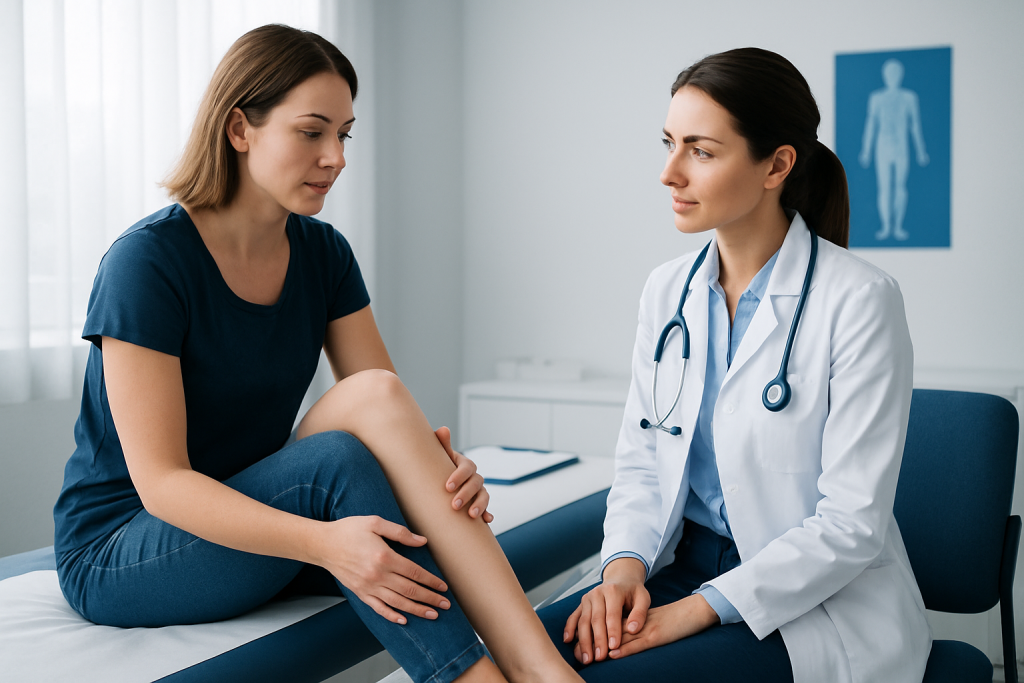
The cause of leg symptoms depends on the tissue involved. Muscle strain, tendon irritation, ligament sprain, and overuse injuries are common after sports, heavy lifting, or unusual physical activity. Arthritis in the hip, knee, or ankle can also make the leg feel painful or stiff.
Nerve irritation from the spine, diabetes-related nerve changes, or pressure on a nerve can lead to burning pain, tingling, or weakness. Blood flow problems may produce cramping with walking, swelling, or a feeling of heaviness. Skin infections, varicose veins, and certain medication side effects can also affect the legs.
Risk factors are often practical rather than dramatic. Long periods of sitting, recent travel, limited movement after surgery, older age, excess body weight, smoking, diabetes, pregnancy, and a previous history of leg injury or blood clot can all increase the chance of symptoms. A clinician will usually consider both the symptom pattern and the person’s overall health history.
Diagnosis
Evaluation usually begins with a careful conversation about when the symptoms started, what makes them better or worse, and whether there was an injury, travel, illness, or change in activity. The doctor will also ask about swelling, numbness, walking ability, and any history of circulation, nerve, or joint conditions.
A physical examination helps identify tenderness, range of motion, strength, sensation, skin changes, pulses, and swelling. Depending on the findings, the next step may be an X-ray, ultrasound, blood tests, nerve studies, or imaging of the spine or blood vessels. Not every patient needs every test; the goal is to match the workup to the likely cause.
For someone planning care from another country, it is helpful to bring prior imaging reports, medication lists, and any previous diagnoses. Clear records can shorten the process and help the treating team decide whether the issue is muscular, orthopedic, neurologic, vascular, or something broader.
Treatment Options
Treatment depends entirely on the cause. A mild muscle strain may improve with rest, gentle movement, ice or heat, and temporary modification of activity. Joint inflammation may be managed with physiotherapy, supportive devices, and doctor-guided Knee Pain Relief: Causes and Treatment" class="ahp-ilk">pain relief. Nerve-related symptoms may require treatment aimed at the underlying nerve source rather than the leg itself.
When circulation is involved, treatment may include compression, movement, elevation, medication, or procedures, depending on the diagnosis. If a blood clot, severe infection, fracture, or serious vascular problem is found, prompt specialist treatment is important. The right plan is usually specific rather than general, because “leg pain” can describe many different medical situations.
Rehabilitation can be just as important as the initial treatment. Restoring strength, flexibility, balance, and walking tolerance often reduces the chance of symptoms returning. For international patients, a coordinated plan with clear follow-up instructions is especially useful when part of recovery happens after returning home.
Depending on the condition, treatment may involve:
- Physical therapy or rehabilitation exercises
- Activity modification and gradual return to movement
- Medication recommended by a physician
- Supportive footwear, braces, or compression therapy
- Procedures or surgery for structural, vascular, or severe injury-related problems
Prevention & Self-care
Many leg problems respond well to simple habits. Regular movement, stretching, and strength-building can help protect muscles and joints. Staying hydrated and changing position frequently may also reduce cramping and stiffness, especially during long travel days or desk-based work.
Good footwear matters more than many people realize. Shoes that fit well and support the foot can reduce strain on the knees, calves, and hips. For people with diabetes, poor circulation, or reduced sensation, daily foot and leg checks can catch small changes before they become bigger problems.
Self-care should be steady rather than extreme. Gentle walking after a period of rest, elevating swollen legs when advised, and following the clinician’s rehabilitation plan are often more useful than pushing through pain. If symptoms are recurring, the underlying cause should be assessed rather than repeatedly masked.
- Take breaks from long sitting or standing.
- Warm up before exercise and increase activity gradually.
- Use hydration and balanced nutrition to support muscle function.
- Follow medical advice about compression, support, or exercise limits.
When to See a Doctor
Medical evaluation is appropriate if leg pain lasts more than a short time, keeps returning, or interferes with walking, work, sleep, or travel. It is also wise to seek care if the pain began after a fall, twist, or other injury, even if the person can still bear weight.
Prompt attention is especially important if one leg becomes suddenly swollen, red, warm, or painful; if there is unexplained weakness or numbness; if the foot becomes pale or cold; or if symptoms appear alongside fever, chest pain, or shortness of breath. These signs do not always indicate a serious condition, but they should be assessed quickly.
If care is being arranged from abroad, a well-organized consultation can help the person move efficiently from assessment to imaging, treatment, and follow-up. Acibadem Health Point’s multidisciplinary specialists and JCI-accredited hospitals diagnose and treat leg-related conditions for international patients, with attention to continuity of care and recovery planning.
Living With Recurring Leg Problems
When leg symptoms keep coming back, the main goal is to understand the pattern rather than only treating each episode. A person who notices symptoms after walking a certain distance, after long flights, or during the night can share that pattern with the doctor, which often makes the diagnosis clearer.
Keeping a brief symptom record can be useful. Note where the discomfort is, what it feels like, how long it lasts, and what seems to help. This is especially helpful for people traveling internationally for evaluation, because it gives the specialist a concise picture of what has already been tried and how the body responds.
With the right diagnosis and a realistic plan, many leg conditions can be managed effectively. The best outcome usually comes from combining medical assessment, movement-based recovery, and practical changes that fit daily life.
Frequently asked questions
What causes pain in the legs?
Leg pain can come from muscles, joints, nerves, blood vessels, or the spine. Common causes include strain, arthritis, nerve irritation, circulation problems, and injuries. The location and type of pain often help identify the source.
When is leg swelling a concern?
Swelling that appears suddenly, affects one leg, or comes with redness, warmth, or pain should be checked by a doctor. Swelling in both legs can also need evaluation, especially if it is new or persistent. The cause may be simple, but it should not be guessed at.
Are leg cramps always caused by dehydration?
No. Dehydration can contribute, but cramps may also be related to muscle fatigue, nerve issues, circulation problems, medication effects, or prolonged sitting. Recurrent cramps deserve a medical review if they are frequent or severe.
Can long flights affect the legs?
Yes. Long periods of sitting can cause stiffness, swelling, and discomfort, and in some people they may increase the risk of a blood clot. Moving regularly, stretching, and following medical advice about compression or hydration can help during travel.
Do I need tests for leg pain?
Not always. A doctor may diagnose the cause from the history and physical exam alone, but tests such as X-rays, ultrasound, blood work, or nerve studies can be useful when the cause is unclear. The choice of test depends on the symptoms and exam findings.
What helps leg pain at home?
Rest from the activity that triggered the pain, gentle movement, hydration, and supportive footwear can help many mild cases. It is best to avoid forcing painful exercise, and persistent symptoms should be assessed rather than repeatedly self-treated.
References
- Mayo Clinic
- Cleveland Clinic
- National Institute of Arthritis and Musculoskeletal and Skin Diseases
- NHS
- Merck Manual Professional Edition
This article is for general information only and is not a substitute for professional medical advice. Please consult a qualified doctor about your individual situation.
More from the Health Library



Related Specialists

Prof. Dr. Ahmet Alanay
Orthopedic Surgery & Traumatology
Dr. Sinan Aksu
Orthopedic Surgery & Traumatology
Dr. Sirri Baştürk
Orthopedic Surgery & Traumatology
Prof. Dr. Korhan Özkan
Orthopedic Surgery & Traumatology