Shoulder Arthroscopy: Which Injuries Improve Without a Big Incision?

Key Takeaways
- Shoulder arthroscopy uses small incisions and a camera to inspect and treat the shoulder joint.
- It is commonly used for rotator cuff tears, labral tears, impingement, loose bodies, and some stiffness-related problems.
- Not every shoulder injury needs surgery; many improve with rest, medication, physical therapy, and activity changes.
- Recovery depends on the exact procedure, the tissue involved, and how consistently rehabilitation is followed.
- A doctor may recommend arthroscopy when symptoms persist, the shoulder feels unstable, or imaging suggests a repairable problem.
Shoulder arthroscopy is a minimally invasive way to look inside the shoulder joint and treat selected injuries through small incisions. It may help with pain, stiffness, and instability when conservative care is not enough and surgery is truly needed.
Overview
Shoulder pain can come from many different structures at once: tendons, cartilage, ligaments, the joint capsule, and even nearby muscles. When symptoms do not settle with simple care, shoulder arthroscopy may offer a precise way to both identify the problem and treat it without a large open incision.
During arthroscopy, a surgeon places a small camera into the shoulder joint through tiny openings. Instruments can then be used to smooth tissue, remove loose fragments, repair torn structures, or release tight tissue, depending on what is found. For many patients, the appeal is not only the smaller scar, but also the ability to address certain injuries while limiting disruption to surrounding tissue.
It is important to know that arthroscopy is not a shortcut for every shoulder complaint. Some problems improve best with non-surgical treatment, and some advanced injuries may still require an open approach. The key question is whether the injury is the kind that tends to respond well to a targeted, minimally invasive repair.
Which Injuries Often Improve Without a Big Incision?
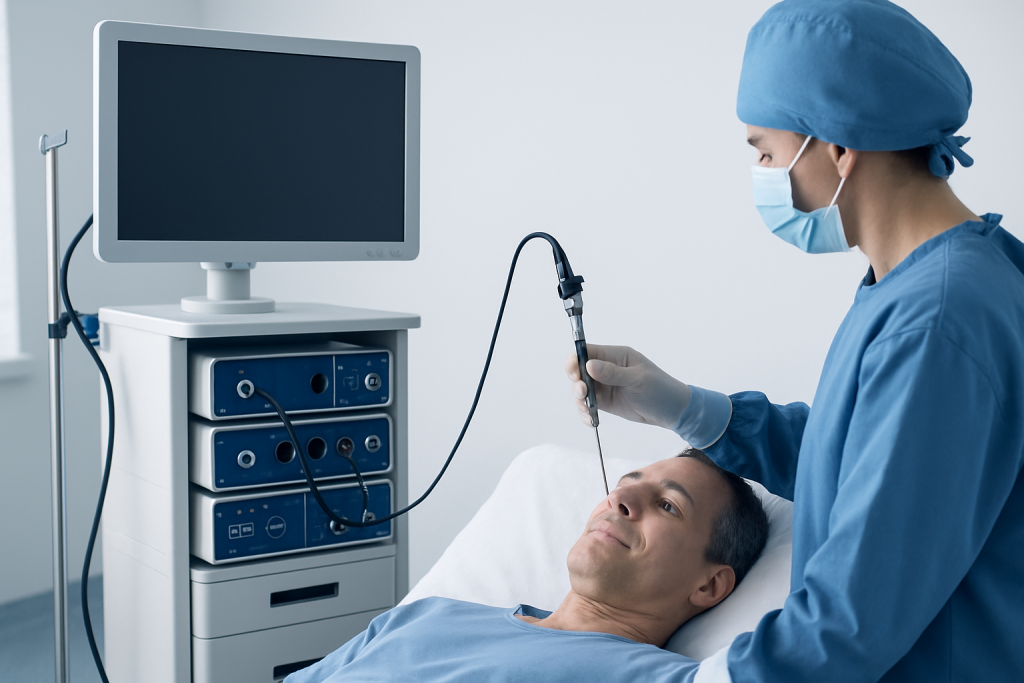
Arthroscopy is especially useful when the shoulder problem is inside the joint or just around it, and when a repair or cleanup can be done through a camera-guided approach. Common examples include rotator cuff tears, labral tears, shoulder impingement with inflamed tissue, loose bodies, and some causes of recurrent instability.
Rotator cuff tears are among the most familiar arthroscopic procedures. In selected cases, the surgeon can reattach torn tendon to bone through small portals. Labral tears, which involve the cartilage rim around the socket, are also often treated arthroscopically, especially when they contribute to pain, clicking, or dislocations.
Other injuries may improve without a large incision because the needed treatment is relatively focused. These may include:
- Removal of inflamed tissue or bone spurs that irritate the shoulder
- Removal of loose cartilage or other debris floating in the joint
- Repair of certain instability-related injuries after repeated dislocation
- Release of tight capsule tissue in selected cases of frozen shoulder
Whether a problem is a good candidate for arthroscopy depends on more than the diagnosis alone. Tear size, tissue quality, age, activity level, previous injuries, and the patient’s goals all matter. A small tear in a healthy tendon may be very different from a long-standing complex injury with muscle weakness and stiffness.
Symptoms That May Lead to Arthroscopy
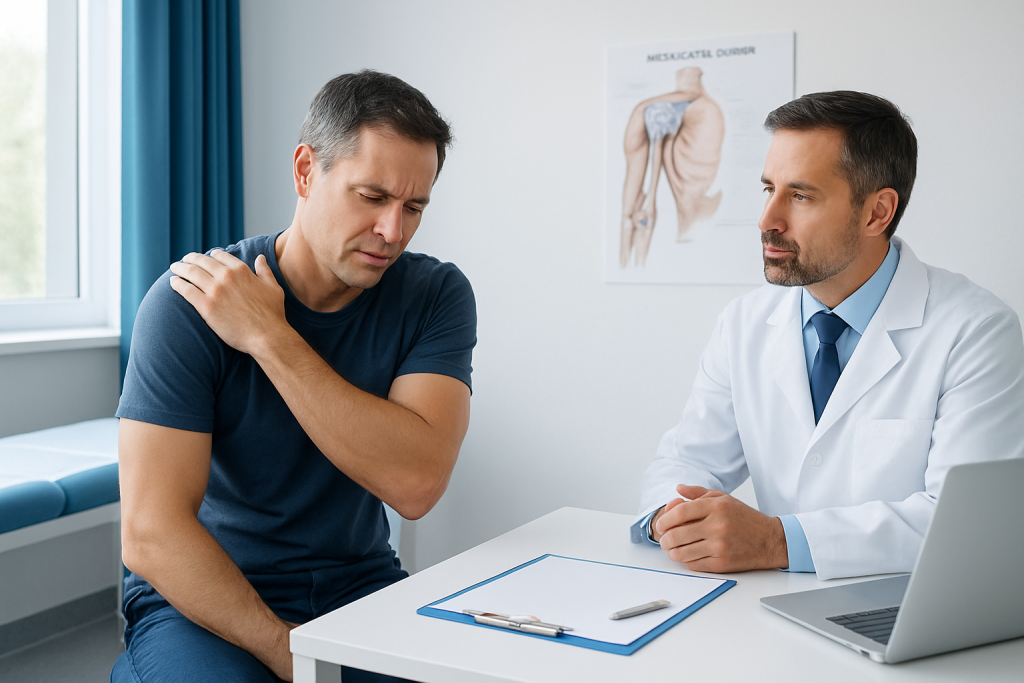
Most patients do not arrive asking specifically for arthroscopy; they arrive because the shoulder is interfering with daily life. Pain may appear when reaching overhead, getting dressed, lifting a bag, sleeping on the affected side, or throwing a ball. Some patients notice weakness, a catching sensation, or a feeling that the shoulder slips out of place.
Symptoms can vary by injury. A rotator cuff problem may cause weakness and pain with lifting the arm. A labral tear may lead to clicking, deep pain, or instability. Frozen shoulder usually creates stiffness first, then pain, with a gradual loss of motion that can make reaching behind the back difficult.
In an international-patient setting, symptom history matters as much as imaging. A doctor will often ask when the pain began, what movements worsen it, whether there was trauma, and what treatments have already been tried. That context helps decide whether an arthroscopic option is likely to be worthwhile.
Causes & Risk Factors
Shoulder injuries may develop after a fall, sports trauma, heavy lifting, repetitive overhead work, or gradual wear over time. Some people tear a rotator cuff tendon during a single incident, while others develop symptoms slowly after years of use and small strains. The shoulder is mobile by design, which also makes it vulnerable to overload and instability.
Certain factors make shoulder problems more likely or more persistent. These include older age, previous shoulder injury, repetitive overhead activity, contact sports, poor posture, smoking, and medical conditions that affect tendon health or healing. Instability injuries may be more common in younger active people, while degenerative tendon tears become more common with age.
Not every risk factor can be changed, but understanding them helps with planning. For example, a patient who must travel for care may need to think about timing, postoperative support at home, and the ability to attend follow-up visits or physical therapy after returning to another country.
Diagnosis
A careful diagnosis starts with a physical examination. The clinician checks range of motion, strength, tenderness, stability, and whether certain movements reproduce pain. Because several shoulder conditions can overlap, the exam helps narrow the likely source of the problem before any procedure is considered.
Imaging often supports the decision-making process. X-rays can show bone spurs, arthritis, or old injury changes. MRI is often used to look at soft tissues such as the rotator cuff, labrum, and capsule. In some situations, the surgeon may recommend arthroscopy when symptoms and examination suggest a structural problem even if imaging is not perfectly definitive.
Diagnosis also includes a treatment history. Doctors usually want to know whether rest, anti-inflammatory medicines, injections, or a supervised rehabilitation program have already been tried. Arthroscopy is generally considered when symptoms persist or when the structure of the injury suggests that repair may improve function more reliably than continued observation alone.
Treatment Options
Shoulder arthroscopy can be used for both diagnosis and treatment. Through the small camera, the surgeon can inspect the joint surfaces, tendon attachments, labrum, and surrounding tissues. Depending on the findings, treatment may include repairing torn tissue, trimming frayed tissue, removing inflamed tissue, or releasing tight areas that restrict movement.
Common arthroscopic procedures include rotator cuff repair, labral repair, subacromial decompression in selected cases, removal of loose bodies, and capsular release for frozen shoulder. Some injuries only need a “clean-up” to reduce irritation, while others need a repair that must heal over time. The exact recovery plan depends on which of these steps is performed.
Arthroscopy is not always the first treatment. For many shoulder injuries, non-surgical care is tried first, especially when the tear is small, the shoulder is stable, and there is no urgent structural problem. This may include activity modification, pain relief strategies, and physical therapy aimed at restoring motion and strength.
Choosing between surgery and continued conservative care is a shared decision. The right choice depends on pain severity, functional limits, the type of injury, and whether the patient can realistically complete rehabilitation after the procedure. For patients traveling internationally, it is sensible to discuss not only the operation itself, but also postoperative timing, therapy access, and follow-up coordination before leaving home.
Prevention & Self-care
Not every shoulder injury can be prevented, but many can be made less likely or less severe with practical habits. Warm-up before sports, improve technique for overhead movements, and avoid sudden spikes in training or workload. If a shoulder has already been injured, returning too quickly can turn a manageable problem into a longer one.
For day-to-day self-care, short-term rest from aggravating activities may help, but complete immobilization is usually not ideal unless a doctor advises it. Gentle motion, posture awareness, and guided exercises can reduce stiffness and support healing. Using ice or heat may help some people with discomfort, depending on the stage of the problem and the clinician’s advice.
After arthroscopy, rehabilitation is not optional; it is part of treatment. The exact program depends on what was repaired, but patients commonly need a period of protection followed by progressive motion and strengthening. Those recovering away from the treating hospital should make sure they understand the written plan, warning signs, and how to arrange local physiotherapy if needed.
Good preparation also matters before surgery. Patients often do better when they arrange help with daily tasks, prepare loose clothing, organize travel documents, and clarify when it is safe to fly, drive, or carry luggage. A clear plan can make recovery smoother and less stressful.
When to See a Doctor
Medical evaluation is appropriate if shoulder pain lasts more than a few weeks, returns repeatedly, or begins to limit work, sleep, or everyday activities. It is also important to seek care if the shoulder feels unstable, if weakness is worsening, or if movement is becoming progressively restricted.
A doctor should review the situation sooner after a fall, dislocation, sudden loss of strength, or severe pain with visible deformity. These signs do not always mean surgery is needed, but they do suggest the shoulder should be assessed without delay. Early evaluation can sometimes prevent a small injury from becoming a larger functional problem.
If arthroscopy is being considered, patients benefit from asking practical questions: What is the exact diagnosis? What are the non-surgical alternatives? What will recovery look like? How will follow-up work if they are returning to another country? At Acibadem Health Point, multidisciplinary specialists and JCI-accredited hospitals diagnose and treat shoulder conditions for international patients, with care plans designed to support both treatment and recovery.
Recovery and Outlook
Recovery after shoulder arthroscopy is highly individualized. Some procedures allow a relatively quick return to light activities, while repairs that must heal, such as tendon or labral repairs, usually need a more cautious timeline. The first phase often focuses on protecting the shoulder and controlling pain, followed by gradual restoration of motion and then strengthening.
Progress is influenced by the injury itself, the quality of the tissue, the patient’s overall health, and how closely the rehabilitation plan is followed. It is common for patients to feel impatient early in recovery, especially when they are trying to coordinate flights, hotel stays, and follow-up appointments. Still, most surgeons emphasize that careful pacing leads to a more dependable result than rushing the process.
The outlook after arthroscopy is often favorable when the procedure is well matched to the injury and the rehabilitation plan is realistic. Patients usually improve most when diagnosis, surgery, and rehabilitation are treated as one connected pathway rather than separate events.
Frequently asked questions
What injuries are commonly treated with shoulder arthroscopy?
Shoulder arthroscopy is often used for rotator cuff tears, labral tears, loose bodies, selected instability problems, and some cases of frozen shoulder. It may also be used to remove inflamed tissue or bone spurs that keep irritating the joint. The best candidates are usually those whose problem can be addressed through a targeted, minimally invasive approach.
Is shoulder arthroscopy always better than open surgery?
Not always. Arthroscopy is less invasive, but the best operation depends on the injury, tissue quality, and the repair that is needed. Some complex or extensive injuries may still be better treated with an open procedure.
How do doctors decide whether surgery is needed?
They look at symptoms, physical examination findings, imaging, and what has already been tried without surgery. If pain, weakness, instability, or stiffness continues despite appropriate care, arthroscopy may be considered. The decision is usually based on function and the likelihood that surgery will improve it.
What is recovery like after shoulder arthroscopy?
Recovery varies by procedure. Some patients return to light activities sooner, while tendon or labral repairs usually require a longer rehabilitation period with protected motion and guided therapy. Following the postoperative plan closely is one of the most important parts of healing.
Can shoulder arthroscopy help frozen shoulder?
In selected cases, yes. When stiffness remains severe despite conservative treatment, a surgeon may release tight capsule tissue arthroscopically. This is typically considered after other measures have not restored enough motion.
What should international patients plan for before traveling for this procedure?
They should ask about the expected hospital stay, the timing of follow-up visits, when flying is appropriate, and whether local physiotherapy will be needed after returning home. It is also helpful to arrange support for daily activities during early recovery. Clear planning makes the treatment journey safer and more comfortable.
References
- American Academy of Orthopaedic Surgeons
- Mayo Clinic
- National Institute of Arthritis and Musculoskeletal and Skin Diseases
- American Shoulder and Elbow Surgeons
- NHS
This article is for general information only and is not a substitute for professional medical advice. Please consult a qualified doctor about your individual situation.