Hypotonic: What It Means in Medicine

Key Takeaways
- Hypotonic means decreased muscle tone, not necessarily weak muscles alone.
- It can affect posture, movement, feeding, speech, and physical development.
- The cause matters, so evaluation often includes a detailed history, exam, and sometimes tests.
- Treatment usually focuses on the underlying cause and supportive therapies such as physiotherapy and occupational therapy.
- Early assessment can help families plan care, support development, and reduce complications.
Medically reviewed by the Acıbadem clinical team — August 19, 2026
Hypotonic, also called hypotonia, describes reduced muscle tone that can make the body feel unusually floppy or less resistant to movement. It is not a single disease, but a sign that can appear in children or adults for a range of reasons, from temporary conditions to underlying neurological or genetic disorders.
Overview
When a clinician uses the word hypotonic, they are describing low muscle tone. In everyday terms, the muscles may feel loose, soft, or less resistant than expected when a child or adult is moved or lifted. Hypotonia is a clinical sign, not a diagnosis on its own, which is why the next step is always to understand why it is happening.
In children, hypotonia is often noticed early because of feeding difficulty, delayed motor milestones, poor head control, or a posture that seems more “floppy” than expected. In adults, it may show up as reduced stamina, trouble with coordination, or a sense that movements take more effort than they should. The experience can be worrying for families, especially when they are arranging care from another country, but many causes can be identified clearly and managed in a structured way.
Muscle tone is different from muscle strength. A person can have low tone and still have usable strength, or they may have both low tone and weakness. That distinction matters because it helps doctors choose the right tests and therapies, and it helps families understand why a child may appear floppy even if the muscles themselves are not permanently damaged.
Symptoms
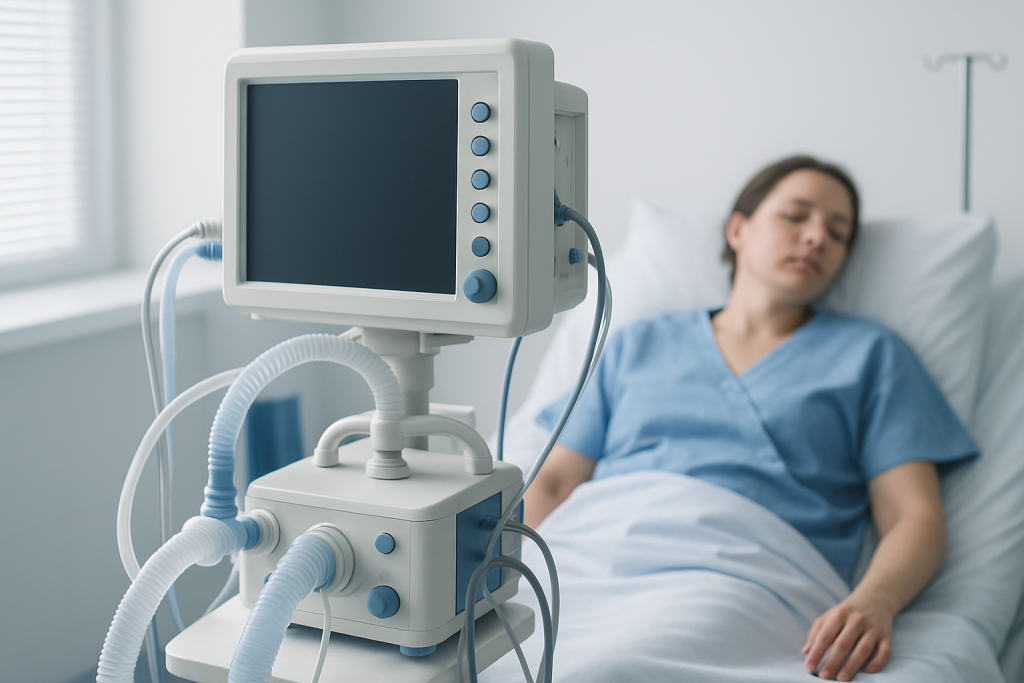
The features of hypotonia vary depending on age, cause, and severity. Some people mainly have mild low tone, while others have broader developmental or physical challenges. What stands out most is often a body that seems less firm than expected, especially when being held, sitting upright, or trying to maintain posture.
Common signs in infants and children may include:
- poor head control
- delayed rolling, sitting, crawling, or walking
- feeding difficulties or tiring during feeds
- difficulty maintaining posture
- joint looseness or hypermobility
- speech or coordination delays
In older children and adults, hypotonia may appear as clumsiness, fatigue during physical activity, slouching, or difficulty with tasks that require sustained muscle support. Some people also have changes in breathing, swallowing, or facial control, depending on the underlying condition. Because these signs can overlap with many other problems, a careful medical assessment is important rather than assuming a single explanation.
Causes & Risk Factors

Hypotonia can arise from problems in the brain, spinal cord, peripheral nerves, neuromuscular junction, or muscles themselves. It can also occur as part of a genetic syndrome, metabolic disorder, or illness affecting overall health. For that reason, doctors usually think about hypotonia as a pathway signpost: it points to the part of the nervous or musculoskeletal system that may need closer attention.
Possible causes include cerebral conditions such as cerebral palsy, chromosome differences, inherited muscle diseases, nerve disorders, and some metabolic or mitochondrial disorders. In some newborns, low tone is temporary and improves as an acute illness resolves, while in others it reflects a longer-term condition that benefits from rehabilitation and follow-up. Premature birth, birth complications, and family history of neuromuscular disease can increase suspicion, though they do not by themselves confirm the cause.
Risk factors are not always preventable, but they can guide the medical workup. A clinician may pay closer attention if there is a history of developmental delay, feeding problems, vision or hearing issues, repeated respiratory infections, or other family members with similar findings. In international patients, it is especially helpful to bring previous records, imaging, genetic results, and a list of therapies tried so far, because that can shorten the path to a clearer diagnosis.
Diagnosis
Diagnosis begins with observation. A doctor will look at how the person moves, sits, holds the head, feeds, breathes, and responds to handling. They will also ask when the signs first appeared, whether development has been progressing steadily, and whether there are symptoms outside the muscles, such as learning difficulties, seizures, vision changes, or swallowing problems.
The physical examination may be followed by tests chosen to match the suspected cause. These can include blood tests, thyroid studies, genetic testing, metabolic screening, MRI, nerve and muscle studies, or specialist assessments by neurology, genetics, rehabilitation, or pediatrics teams. Not every patient needs every test; the aim is to build a focused picture rather than to order investigations without direction.
For families traveling for care, diagnosis is often most efficient when records are reviewed before arrival and appointments are coordinated across specialties. That can reduce repeated testing and make it easier to translate medical findings into a practical plan for home. The goal is not only to name the condition, but also to understand how hypotonia is affecting daily life and what support will make the biggest difference.
Treatment Options
Treatment depends entirely on the cause, the age of the patient, and which daily functions are affected. If hypotonia is linked to a treatable condition, such as a hormone imbalance or a reversible medical issue, managing that condition may improve tone and function over time. When there is an underlying neurological or genetic disorder, treatment usually focuses on support, skill-building, and preventing complications.
Rehabilitation is central for many patients. Physiotherapy can help with posture, balance, strength, and movement patterns, while occupational therapy supports feeding, hand use, dressing, and other daily tasks. Speech and swallowing therapy may be recommended when oral-motor control is affected. Some children benefit from braces, seating support, adaptive equipment, or home exercises designed by therapists who understand the person’s specific needs.
Care is often coordinated best through a team. A pediatrician, neurologist, geneticist, rehabilitation physician, and therapists may all contribute, especially when the cause is unclear or when several body systems are involved. In some cases, medication or surgery may be needed for associated problems, but these are chosen for the underlying diagnosis rather than for hypotonia itself.
Prevention & Self-care
Hypotonia cannot always be prevented, particularly when it is caused by inherited or developmental conditions. Even so, families can often support comfort, safety, and development by making practical adjustments early. The most useful self-care measures are usually those that fit into normal daily routines rather than dramatic changes.
Helpful steps may include:
- following therapist-guided home exercises consistently
- using supportive positioning during feeding, play, and sitting
- watching for signs of fatigue during activity or meals
- keeping regular follow-up appointments so therapy can be adjusted
- protecting the skin and joints when mobility is limited
Parents and caregivers should also pay attention to nutrition, hydration, sleep, and safe handling. Children with low tone may need extra time for motor skills, and progress is often gradual. For adults managing a chronic cause of hypotonia, pacing activities and maintaining rehabilitation routines can help preserve function and reduce strain.
When to See a Doctor
Medical assessment is a good idea whenever low tone is new, persistent, or affecting development, feeding, breathing, or daily function. In infants, concerns such as poor head control, significant feeding difficulty, or slow motor progress deserve evaluation rather than watchful waiting alone. In older children and adults, increasing weakness, falls, swallowing trouble, or unusual fatigue also merit medical attention.
Immediate care may be needed if hypotonia is accompanied by breathing difficulty, bluish discoloration, marked sleepiness, sudden loss of skills, or difficulty swallowing saliva. These situations do not automatically mean something severe, but they do need prompt assessment. For international families, it can help to seek a center that can review prior workup, coordinate specialist input, and provide a clear follow-up plan before travel home.
Acibadem Health Point offers multidisciplinary specialists and JCI-accredited hospitals that diagnose and treat hypotonic conditions for international patients, with care planning designed around coordinated evaluation and recovery. A qualified clinician can explain which findings are urgent, which are expected, and what the next steps should be for the individual patient.
Living With Hypotonia
Living with hypotonia is often less about a single cure and more about building a support system that matches the person’s needs over time. Families usually do best when they understand the diagnosis, know which therapies matter most, and have a realistic sense of the pace of improvement. Small gains in head control, feeding, balance, or endurance can make a meaningful difference in daily life.
Emotional support matters too. Parents may feel uncertainty while waiting for test results, and children may become frustrated when movements are harder than those of peers. Clear explanations, practical therapy goals, and regular review help turn a vague symptom into a manageable care plan. With the right diagnosis and follow-up, many patients make steady progress in function and participation, even when hypotonia remains part of their long-term picture.
Recovery and Follow-Up
Follow-up is important because hypotonia can change as a child grows or as an adult’s underlying condition evolves. Therapy plans may need to be updated, supports may need to be resized or replaced, and new symptoms may appear over time. Regular review also helps clinicians notice whether progress is as expected or whether another cause should be considered.
For patients who travel for evaluation or treatment, recovery planning should include a handoff to clinicians at home whenever possible. That may involve a written summary, therapy recommendations, and guidance on which warning signs should trigger reassessment. Good follow-up does not end when the patient leaves the hospital; it continues through the next stage of growth, rehabilitation, and everyday function.
Frequently asked questions
What does hypotonic mean in medical terms?
Hypotonic means having reduced muscle tone. The muscles may feel loose or less resistant to movement, which can affect posture, feeding, and motor development. It is a sign that doctors use to look for an underlying cause.
Is hypotonia the same as muscle weakness?
Not exactly. Hypotonia refers to low muscle tone, while weakness means reduced force. A person can have one without the other, although both may occur together.
Can hypotonia improve over time?
Yes, improvement is possible depending on the cause. Some temporary forms get better as the underlying issue resolves, while chronic conditions may improve with therapy, support, and ongoing medical care.
How is hypotonia diagnosed?
Doctors usually begin with a detailed history and physical examination, then order tests based on what they suspect. These may include blood work, imaging, genetic testing, or nerve and muscle studies.
What therapies help with hypotonia?
Physiotherapy, occupational therapy, and sometimes speech or swallowing therapy are commonly used. Supportive equipment and home exercises may also help the person function more comfortably and safely.
When should a family seek urgent help for hypotonia?
Urgent care is important if low tone comes with breathing problems, choking, sudden loss of skills, marked drowsiness, or difficulty swallowing. These symptoms should be assessed promptly by a doctor.
References
- National Institute of Neurological Disorders and Stroke
- MedlinePlus
- GeneReviews
- American Academy of Pediatrics
- Mayo Clinic
This article is for general information only and is not a substitute for professional medical advice. Please consult a qualified doctor about your individual situation.
Joint and spine care in Turkey — expert assessment & treatment
JCI-accredited · board-certified surgeons · reply within 24h
Add us as a Preferred Source to see more of our trusted health content across Google Search, AI Overviews and Discover.