Kidney Beans: Nutrition, Benefits and Risks

Key Takeaways
- Kidney beans are a good source of plant protein, fiber, and several important nutrients.
- They should always be cooked properly, especially dried kidney beans, to avoid digestive upset and natural toxins.
- People with certain digestive conditions or kidney disease may need to pay attention to portion size and potassium or phosphorus content.
- Kidney beans can support heart-friendly, balanced eating when used as part of a varied diet.
- Soaking, rinsing, and thorough cooking improve both safety and digestibility.
Medically reviewed by the Acıbadem clinical team — August 19, 2026
Kidney beans are a versatile legume valued for their protein, fiber, and micronutrients, but they also need proper preparation to be safe and easy to digest. This guide explains their health benefits, how to use them well, and when extra caution is needed.
Overview
Kidney beans are a familiar staple in many kitchens, but their value goes beyond being an affordable pantry item. They are legumes, which means they belong to the same broad family as lentils, chickpeas, and other beans that provide a blend of protein, fiber, and steady energy.
Their deep red color and firm texture make them especially useful in soups, stews, salads, rice dishes, and meat-free meals. For people thinking about travel, long-term health, or adjusting a diet after medical treatment, kidney beans can be a practical food because they store well, are easy to pair with many dishes, and support balanced eating patterns.
Like any food with strong nutritional benefits, kidney beans also need sensible preparation. Dried kidney beans must be fully cooked before eating, and even canned beans are best rinsed before use. The goal is not to avoid them, but to use them in a way that supports comfort, safety, and nutrition.
Nutrition Profile and Health Benefits
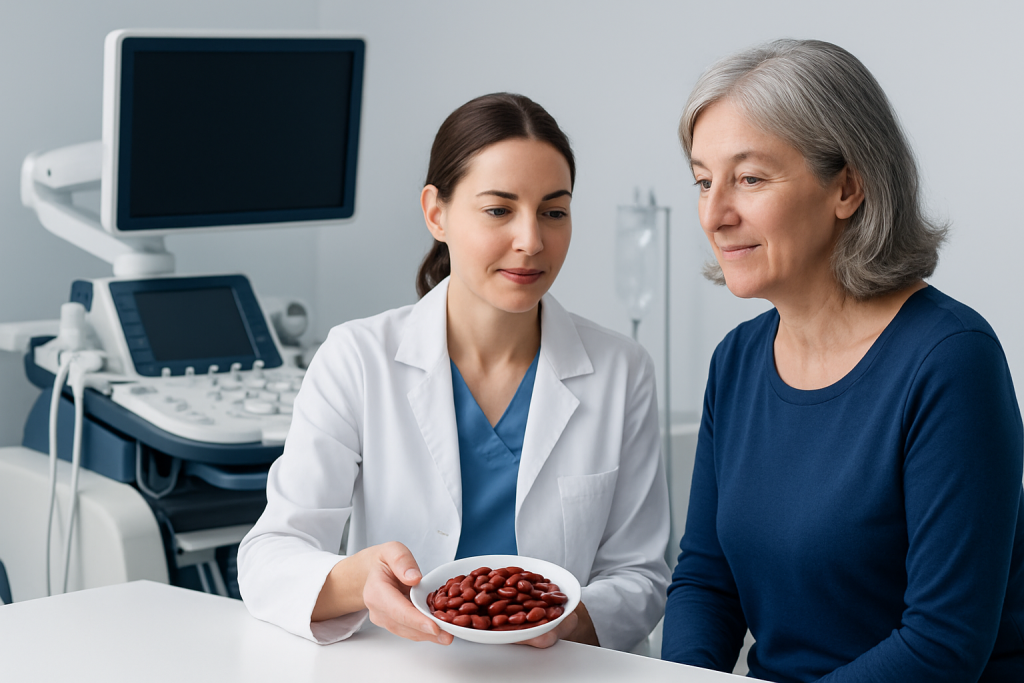
Kidney beans stand out for their combination of plant protein and dietary fiber. That pairing helps meals feel more satisfying and may support steadier blood sugar response compared with refined carbohydrates alone. For people trying to build more balanced meals, beans can be one of the simplest ways to add substance without relying heavily on animal products.
They also contain important micronutrients, including folate, iron, magnesium, potassium, and small amounts of other B vitamins. Folate is especially relevant for cell growth and red blood cell formation, while magnesium supports muscle and nerve function. The exact nutrient profile varies depending on the variety and whether the beans are dried, canned, or cooked from fresh.
In everyday eating, kidney beans may contribute to several general health goals:
- Supporting digestive regularity through fiber
- Helping meals feel more filling
- Offering a protein source for vegetarian or plant-forward diets
- Adding nutrients with relatively little saturated fat
- Working well in heart-conscious eating patterns when prepared with modest salt and added fats
They are not a medicine, but they can be a useful food within a varied diet. Their benefit is strongest when they replace more processed ingredients rather than being added to an otherwise unbalanced meal.
How Kidney Beans Fit Into a Healthy Diet

Kidney beans are flexible enough to fit many eating styles. They can be mixed into grain bowls, blended into dips, folded into vegetable soups, or served with rice and salad for a complete meal. In international diets, they are often used in dishes that travel well culturally and practically, which is one reason they are so useful for people who want dependable, nourishing food while living away from home.
Because they are filling, portion size matters. A moderate serving can add protein and fiber without making a meal overly heavy. For people who are trying to manage appetite, reduce snack cravings, or create more consistent meal patterns, beans can help provide structure.
They also pair well with foods that improve overall meal quality. For example, combining kidney beans with vegetables, whole grains, olive oil, and herbs creates a meal that is flavorful and nutritionally rounded. When beans are used in soups or stews, choosing lower-sodium broths and limiting processed meats can preserve the health benefits.
Possible Digestive Effects and Sensitivities
Even though kidney beans are healthy, they are not always easy to digest for everyone. Their fiber content can cause gas, bloating, or abdominal discomfort, especially when someone starts eating them after a low-fiber diet. This is common and usually improves as the body adjusts.
Beans also contain natural carbohydrates that some people digest less comfortably. Soaking dried beans, discarding the soaking water, rinsing canned beans, and cooking them thoroughly can reduce these effects. Introducing beans gradually may also help the digestive system adapt.
People with irritable bowel syndrome or other sensitive digestive conditions may need to test small amounts first and notice how their body responds. If beans repeatedly cause significant discomfort, a clinician or dietitian can help identify whether the issue is portion size, preparation, or a broader digestive concern.
Safety: Why Proper Cooking Matters
One of the most important facts about kidney beans is that they must be cooked properly. Raw or undercooked kidney beans contain natural substances called lectins, which can cause nausea, vomiting, and stomach upset if the beans are eaten before they are fully prepared.
This risk is mainly associated with dried kidney beans that are soaked and cooked at home. Slow cooking at low heat without a full boil is not reliable on its own. Beans should be boiled thoroughly and then simmered until they are soft. Canned kidney beans are already cooked and safe to eat after rinsing and reheating if desired.
Basic kitchen safety steps include:
- Sorting and rinsing dried beans before cooking
- Soaking beans as directed or using a quick-soak method
- Discarding soaking water
- Boiling dried kidney beans before simmering
- Never tasting or serving beans that are still firm in the center
These steps are simple, but they make a meaningful difference. For people cooking for family members, older adults, or children, careful preparation is especially important.
Causes & Risk Factors for Needing Extra Caution
Most people can enjoy kidney beans safely, but certain situations call for extra attention. Those with chronic kidney disease may need to manage potassium, phosphorus, and overall protein intake depending on their stage of disease and treatment plan. In those cases, kidney beans may still be possible, but only in the right amount and as part of a personalized plan.
People with gout, food sensitivities, or digestive disorders may also want to monitor how beans fit into their meals. The issue is usually not danger, but tolerance. A food that is healthy in one context can still be uncomfortable in another if the portion is too large or the body is currently sensitive.
When someone is recovering from illness, traveling, or adjusting to a new diet, bean intake may need to be introduced more carefully. This is especially true if the person is dehydrated, eating irregularly, or switching abruptly from low-fiber foods to a much higher-fiber pattern. In those cases, gradual change is usually easier on the body.
How to Choose, Store, and Prepare Kidney Beans
Both dried and canned kidney beans can be useful. Dried beans are economical and have a long shelf life, while canned beans are convenient and already cooked. The best choice often depends on schedule, kitchen access, and how much time is available for preparation.
When buying canned beans, looking for lower-sodium options can help keep the overall meal heart-friendly. Rinsing canned beans under water removes some surface sodium and may improve texture. For dried beans, storing them in a cool, dry place helps preserve quality, and cooking larger batches can make future meals easier.
Preparation tips that improve both taste and digestibility include:
- Soaking dried beans before cooking when possible
- Cooking until fully tender
- Using herbs, garlic, onion, cumin, or bay leaf for flavor instead of excess salt
- Combining beans with vegetables and whole grains
- Starting with small portions if beans are new to the diet
For people managing a busy life or recovering after Varicose Vein Treatment Abroad: When Stockings Are Enough and When Procedures Help More" class="ahp-ilk">treatment abroad, simple meal preparation can be a helpful part of staying well. A dependable food like kidney beans can make healthy eating more realistic, especially when routines are changing.
When to See a Doctor
Most people do not need medical care just for eating kidney beans, but it is sensible to speak with a doctor if bean consumption repeatedly causes significant bloating, pain, diarrhea, or vomiting. Persistent symptoms may point to an intolerance or another digestive issue that deserves assessment.
Medical advice is also important if a person has kidney disease, diabetes, inflammatory bowel disease, or another condition that affects food choices. In those situations, a clinician or dietitian can help decide whether kidney beans fit safely into the diet and how often they should be eaten.
If someone accidentally eats undercooked kidney beans and develops nausea or stomach upset, symptoms are often temporary, but severe or ongoing vomiting should be reviewed by a healthcare professional. International patients seeking coordinated evaluation and dietary guidance can also benefit from multidisciplinary specialists and JCI-accredited hospitals such as those available through Acibadem Health Point.
Frequently asked questions
Are kidney beans healthy for everyday eating?
Yes, kidney beans can be a healthy part of a regular diet. They provide protein, fiber, and several vitamins and minerals, especially when prepared with little added salt or saturated fat. As with any food, variety matters, so they work best as one part of a balanced eating pattern.
Why do kidney beans need to be cooked so carefully?
Dried kidney beans contain natural lectins that can cause stomach upset if the beans are undercooked. Thorough boiling followed by simmering makes them safe to eat. Canned kidney beans are already cooked, so they only need rinsing and reheating if desired.
Can kidney beans cause gas or bloating?
Yes, they can, especially if someone is not used to eating many high-fiber foods. Soaking, rinsing, cooking well, and starting with small portions often helps. The digestive system may also adjust over time as bean intake becomes more regular.
Are canned kidney beans as nutritious as dried ones?
Canned kidney beans still provide protein, fiber, and key nutrients, and they are often a practical option. They may contain more sodium, so rinsing them is helpful. Dried beans can be more economical, but both forms can fit into a healthy diet.
Should people with kidney disease avoid kidney beans?
Not necessarily, but they may need to limit portion size or avoid them depending on their individual kidney function and lab results. Kidney beans contain potassium and phosphorus, which can matter in kidney disease. A doctor or renal dietitian can provide personalized advice.
How can kidney beans be used in a travel-friendly meal plan?
Kidney beans store well, are easy to combine with grains and vegetables, and can be prepared in batches. They can be useful for travelers or people living abroad who want familiar, nourishing meals with simple ingredients. Choosing canned beans can also reduce cooking time when kitchen access is limited.
References
- World Health Organization
- U.S. Department of Agriculture FoodData Central
- National Institutes of Health Office of Dietary Supplements
- Food and Drug Administration
- NHS
This article is for general information only and is not a substitute for professional medical advice. Please consult a qualified doctor about your individual situation.
Explore treatments in Turkey — costs, top hospitals & a free quote
JCI-accredited · board-certified surgeons · reply within 24h
Add us as a Preferred Source to see more of our trusted health content across Google Search, AI Overviews and Discover.