

Pediatrics
Complete healthcare for infants, children and adolescents across all sub-specialties.

Medically reviewed by the Acıbadem clinical team — June 12, 2026
Pediatrics is the medical unit that cares for the health of babies, children and adolescents — diagnosing and treating childhood illnesses, supporting healthy growth and development, and providing specialized care for children with complex conditions. Caring for children is different from caring for adults, and at Acıbadem International pediatric care is delivered with that understanding, in child-friendly settings and with the backing of a large hospital group when specialist or surgical care is needed. For families travelling from abroad, that combination of dedicated pediatric expertise, gentle care and access to specialists is what makes entrusting a child’s health feel safe and reassuring.
This page explains what the pediatrics unit covers, the conditions it treats, how children are assessed, the approach to care, and how international families are supported through their child’s diagnosis and treatment.
What the pediatrics unit covers
Pediatrics covers the whole of childhood, from newborns to adolescents, and the unit is organized to provide both general and specialized care. Its main areas of work include:
- General pediatric care — diagnosis and treatment of childhood illnesses.
- Growth and development — monitoring and supporting healthy development.
- Pediatric subspecialties — specialized care for the heart, nervous system and other areas.
- Newborn and infant care.
- Management of chronic childhood conditions.
- Care for children needing surgery or specialist treatment.
Because children sometimes need specialist or surgical care, the unit works closely with pediatric subspecialists and, where needed, with areas such as pediatric cardiology, neurology and surgery, all within a hospital group equipped to care for children.
Conditions we care for
The unit cares for the full range of childhood health needs. Common reasons international families seek care include:
- Common childhood illnesses and infections.
- Growth and developmental concerns.
- Chronic conditions — such as asthma and other long-term illnesses.
- Heart, neurological and other conditions needing pediatric subspecialty care.
- Conditions present from birth.
- Conditions requiring children’s surgery.
Many families arrive seeking a clear diagnosis for a child’s symptoms, specialized care for a complex condition, or treatment that may not be available at home. The unit’s first task is to assess the child carefully and explain the realistic options to the family clearly and supportively.
How children are assessed
Assessing children requires particular skill and gentleness, because they cannot always describe their symptoms and need a reassuring approach. The unit assesses each child with a careful, child-appropriate examination and the investigations that genuinely inform the diagnosis. These may include:
- Careful clinical assessment — suited to the child’s age and the situation.
- Laboratory tests — chosen to keep them as minimal as possible.
- Imaging — using approaches appropriate for children.
- Specialist assessment — where a subspecialty is involved.
These are supported by the hospital group’s diagnostic services, used thoughtfully and gently for children, and findings are interpreted alongside the child’s symptoms and the family’s account. For international families, an initial review of existing reports can often begin remotely before travel.
The approach to children’s care
Pediatric care is delivered with an understanding that children are not small adults, and the approach reflects this throughout.
General and acute care
Childhood illnesses and infections are diagnosed and treated with care suited to the child, with the resources of a full hospital available for children who are more seriously unwell.
Growth and development
The unit monitors and supports healthy growth and development, addressing concerns and guiding families, since this is a central part of caring for children over time.
Specialist and chronic care
For children with conditions affecting the heart, nervous system or other areas, or with chronic conditions such as asthma, the unit provides specialized, ongoing care, drawing on pediatric subspecialists as needed. Specific treatments can be explored in the treatments library.
Children’s surgery and complex care
Where a child needs surgery or complex treatment, this is provided within a hospital group equipped and staffed to care for children, with the relevant pediatric specialists involved.
Caring for children, not small adults
One of the most important principles of pediatrics is that children differ from adults in fundamental ways — in their bodies, their development, how illnesses affect them, and how care should be delivered. Medicines, doses, procedures and communication all need to be suited to children, and care must take account of a child’s growth and development. Just as important is the emotional side: children need gentle, reassuring care, and families need to feel informed and supported. The unit delivers care with this understanding throughout, in child-friendly settings and with an approach designed to put both child and family at ease. This dedicated pediatric approach is what distinguishes specialist children’s care from general medicine applied to children.
Supporting the whole family
When a child is unwell, the whole family is affected, and the unit recognizes that caring for a child means supporting the family too. Parents need clear information, the chance to ask questions, and reassurance, and the unit takes time to communicate openly and supportively, explaining the child’s condition and the plan in a way the family can understand. For international families, far from home and often anxious about a child’s health, this support is especially important, and is combined with practical coordination and interpreting in their language. The unit understands that a family’s confidence and peace of mind are part of good pediatric care, not separate from it.
Technology and approach
Pediatric care combines clinical skill suited to children with appropriate, gently used technology. The unit uses child-appropriate examination, testing and imaging to reach an accurate diagnosis while keeping investigations as minimal and comfortable as possible, and modern treatments suited to children. But the defining feature of good pediatric care is the approach: gentle, reassuring, family-centred, and delivered by people who understand children. Where specialist or surgical care is needed, the unit draws on pediatric subspecialists within a hospital group equipped to care for children, so that even complex conditions are managed appropriately.
Your team
Your child’s care may involve a pediatrician and, where needed, pediatric subspecialists — such as in cardiology, neurology or surgery — supported by specialist pediatric nurses. The physicians who lead this unit are listed on the doctors page, and care is delivered across Acıbadem’s accredited hospitals, which maintain international quality and safety standards and are equipped to care for children.
The international patient journey
The unit is organized to make children’s care clear and well supported for international families.
1. Remote review
You begin by sharing your child’s history, symptoms and any test results. The team reviews them, advises on the likely options, and where helpful offers a second opinion — all before you decide to travel.
2. A clear plan
If care in Turkey makes sense, you receive a plan explaining what is recommended for your child, what it would involve, how long you would stay and what to expect, communicated clearly and supportively.
3. Coordinated care
A dedicated coordinator arranges appointments, any admission, interpreting and travel logistics, with attention to the needs of children and families. Your child is assessed in person, and specialist care is coordinated as needed.
4. Follow-up
You receive clear documentation and a follow-up plan to continue at home, and the team remains reachable for questions. To begin, request an online consultation.
Why families choose Acıbadem for children’s care
Acıbadem International offers experienced pediatricians and pediatric subspecialists, gentle child-friendly care, access to specialist and surgical care within a hospital group equipped for children, and well-coordinated support for international families. For families travelling from abroad, the combination of dedicated pediatric expertise, a caring approach for both child and family, and the resources of a leading medical system is what sets the experience apart. The unit cares for children with the understanding, gentleness and expertise that their health deserves.
What to expect and practical notes
Children’s health needs vary enormously, from common illnesses to complex conditions, so care and any length of stay differ greatly from case to case. The unit keeps investigations as minimal and gentle as possible, takes time to communicate with the family, and provides care in child-friendly settings. For ongoing conditions, a clear plan is provided to continue with care at home. Throughout, the focus is on the child’s wellbeing and the family’s understanding and peace of mind, with care delivered by people who understand children.
Coordinated care for complex conditions
Children sometimes need specialist or multidisciplinary care, and treatment within a large hospital group means the right experts are available. Heart conditions are managed with pediatric cardiology; neurological conditions with neurology; conditions of the ears, nose and throat with ENT; and bone and growth conditions with orthopedics. Where children’s surgery is needed, it is provided within a setting equipped for children. This means a child with a complex condition is cared for by the right pediatric specialists in a coordinated way, which matters most in exactly the complex situations where families most need expert, joined-up care.
Common childhood illnesses
Much of pediatric care involves the common illnesses and infections of childhood, which, while usually not serious, can be worrying for families and occasionally need careful attention. The unit assesses and treats childhood illnesses with care suited to the child, distinguishing the common and self-limiting from the few that need closer attention — a judgment that requires pediatric experience. For children who are more seriously unwell, the resources of a full hospital are available. Just as important as treatment is reassurance: the unit takes time to explain to families what is happening, what to expect, and when to be concerned, helping them care for their child with confidence. This combination of accurate assessment and supportive guidance reflects the everyday heart of pediatric care, where most children recover well with the right attention and a reassured family.
Supporting growth and development
Childhood is a time of remarkable growth and development, and monitoring and supporting this is a central part of pediatric care. The unit assesses growth and development, addresses concerns that families may have, and provides guidance to support healthy development over time. Where a child’s growth or development raises questions, careful assessment can identify whether there is an underlying issue that needs attention or whether reassurance is appropriate. This developmental perspective — caring for the child as a growing individual, not just treating illness — is a distinctive feature of pediatrics. For families, having a child’s growth and development followed by experienced pediatricians provides both early identification of any concerns and the reassurance that their child is developing well, which is a valuable part of caring for children over the longer term.
When a child needs a specialist
While most childhood health needs are met by general pediatric care, some children need specialist attention — for conditions affecting the heart, the nervous system, the ears, nose and throat, the bones, or other areas. A key strength of caring for children within a large hospital group is that pediatric subspecialists are available, so a child with a complex condition can be cared for by the right experts in a coordinated way. The unit brings these specialists together as a child’s situation requires, drawing on pediatric cardiology, neurology and other areas, all within a setting equipped for children. For families travelling from abroad for a child’s complex condition, this access to coordinated pediatric specialist care — under one roof and with a child-friendly approach — is exactly what they need.
Preparing for your child’s visit
Bringing a child for medical care abroad can be daunting for families, and the unit works to make it as smooth and reassuring as possible. Before the visit, the team reviews the child’s history and existing results, and for international families much of this can begin remotely, so that assessment is focused and the in-person visit is used efficiently. The unit keeps investigations as gentle and minimal as possible, communicates clearly with the family at every step, and provides care in child-friendly settings. A coordinator arranges appointments, interpreting and the practical logistics, with attention to the needs of children and families. This careful preparation and family-centred approach mean that both child and family arrive supported and leave with a clear understanding of the diagnosis and plan.
Frequently asked questions
Can my child’s case be reviewed before we travel?
Yes. You can share your child’s history, symptoms and any test results for a remote assessment and receive advice on the likely options, including a second opinion where helpful, before deciding to travel.
Do you provide both general and specialist children’s care?
Yes. The unit provides general pediatric care for childhood illnesses and development, as well as specialized care drawing on pediatric subspecialists for the heart, nervous system and other areas.
Is the care suited to children?
Yes. Children are not small adults, and care — including medicines, procedures and communication — is suited to children and delivered gently in child-friendly settings, with attention to growth and development.
Can you manage chronic childhood conditions?
Yes. Chronic conditions such as asthma and other long-term illnesses are managed with specialized, ongoing care, with a clear plan to continue at home.
Do you care for newborns and infants?
Yes. The unit provides newborn and infant care, with the resources of a hospital group equipped to care for children of all ages.
What if my child needs surgery?
Where a child needs surgery, it is provided within a hospital group equipped and staffed to care for children, with the relevant pediatric specialists involved.
Will the family be supported and informed?
Yes. The unit recognizes that caring for a child means supporting the family, taking time to explain the condition and plan clearly and supportively, with interpreting for international families.
Are investigations kept gentle for children?
Yes. The unit keeps tests and investigations as minimal and comfortable as possible, using child-appropriate approaches to reach an accurate diagnosis with the least distress.
How long will we need to stay in Turkey?
It depends on your child’s condition and treatment. Some care is provided relatively quickly, while complex conditions need longer. Your coordinator gives a realistic estimate in advance.
Can complex conditions be managed by the right specialists?
Yes. Within a large hospital group, pediatric subspecialists in cardiology, neurology, ENT, orthopedics and other areas can be involved, so a child with a complex condition is cared for in a coordinated way.
Can I get a second opinion on my child’s diagnosis or treatment?
Yes. The unit can review your child’s case and provide an honest second opinion on the diagnosis and the most appropriate care.
What follow-up will we receive after returning home?
You receive clear documentation and a follow-up plan to continue with your own doctor, and the team remains reachable for questions.
Can we receive care in our own language?
Yes. The international patient coordinator arranges interpreting and supports your family through the practical and clinical steps of your child’s care.
How soon can an unwell child be seen?
Acıbadem International hospitals operate around the clock, and a child who is more seriously unwell can be prioritized. Sharing your details allows the team to advise on how quickly your child should be seen.
Will care be focused on my child’s wellbeing?
Yes. The focus throughout is on the child’s wellbeing and the family’s understanding and peace of mind, with care delivered gently by people who understand children.
Can the wider hospital group support my child’s complex condition?
Yes. Within a large hospital group, pediatric subspecialists in cardiology, neurology, ENT, orthopedics and other areas are available, so a child with a complex condition is cared for by the right experts in a coordinated way.
Will my child’s care be gentle and reassuring?
Yes. Care is delivered gently in child-friendly settings by people who understand children, with investigations kept as minimal and comfortable as possible, so that both child and family feel at ease.
Will I be kept informed about my child’s care?
Yes. The unit takes time to explain your child’s condition and the plan clearly and supportively, recognizing that a family’s understanding and peace of mind are an essential part of good pediatric care.
Will I receive a clear plan to take home?
Yes. You receive clear documentation and a follow-up plan to continue with your own doctor, and the team remains reachable for questions about your child’s care.
Is the care tailored to my child’s age and needs?
Yes. Children are not small adults, so care — including medicines, procedures and communication — is suited to your child’s age and needs, with attention to their growth and development throughout.
Can I receive care for my child in our own language?
Yes. The international patient coordinator arranges interpreting and supports your family through every practical and clinical step of your child’s care, from the first remote review through assessment and treatment to follow-up, so you always understand your child’s condition and plan.
Will a parent be able to stay with the child?
Yes. The unit understands that children need their families close, and the international patient coordinator helps with practical arrangements so that a parent can be with the child throughout their care.
Will reaching an accurate diagnosis for my child be the priority?
Yes. The unit assesses children carefully and gently to reach an accurate diagnosis, since this is the foundation of the right treatment, while keeping investigations as minimal and comfortable as possible for the child.
Will my child’s investigations be kept to a minimum?
Yes. The unit keeps tests and investigations for children as minimal and comfortable as possible, using child-appropriate approaches to reach an accurate diagnosis with the least distress to your child, while ensuring nothing important is missed.
How soon can a more seriously unwell child be seen?
Acıbadem International hospitals operate around the clock, and a child who is more seriously unwell can be prioritized. Sharing your child’s details allows the team to advise on how quickly your child should be seen and on the safest next step.
This page provides general health information about the services of this unit and is not a substitute for personal medical advice. Any diagnosis and treatment plan for a child is determined after individual assessment by qualified specialists.
Specialists in this Unit

Prof. Dr. Agop Çıtak
Pediatrics
Prof. Dr. Ali Bülent Antmen
Pediatrics
Prof. Dr. Aslı Aslan
Pediatrics
Prof. Dr. Ayhan Çevik
Pediatric Cardiology
Prof. Dr. Ayşe Korkmaz Toygar
Neonatal Intensive Care Unit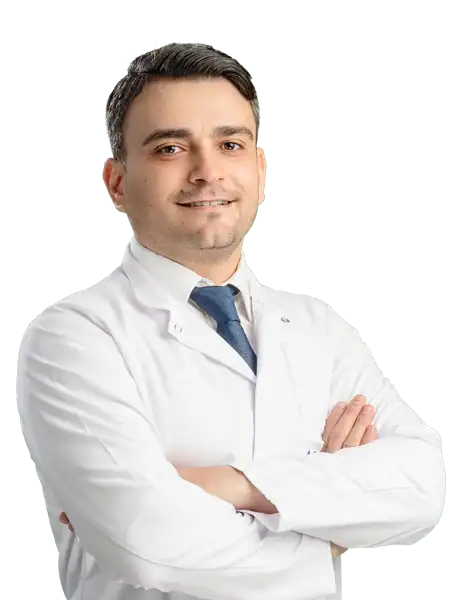
Dr. Abbasgulu Baghirov
Pediatrics
Dr. Abdulkadir Kırkgöz
Pediatrics
Dr. Ahmet Emre Şan
Pediatrics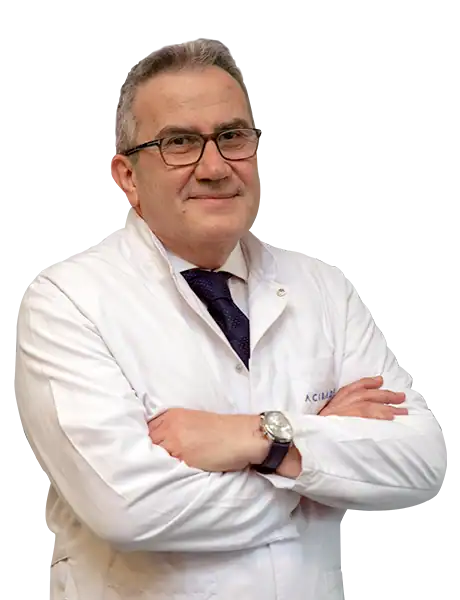
Dr. Ahmet Gülen
Pediatrics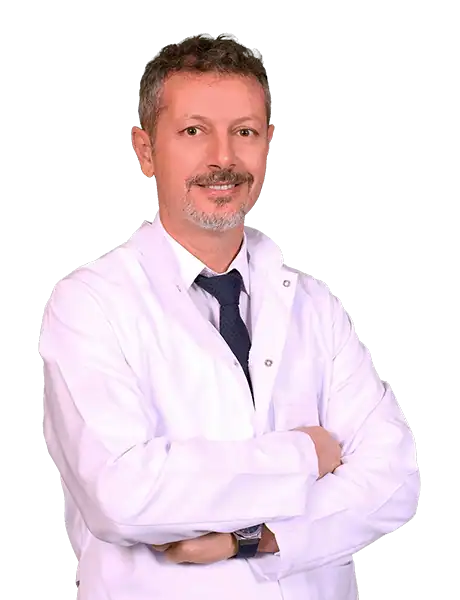
Dr. Ahmet Körceğez
Pediatrics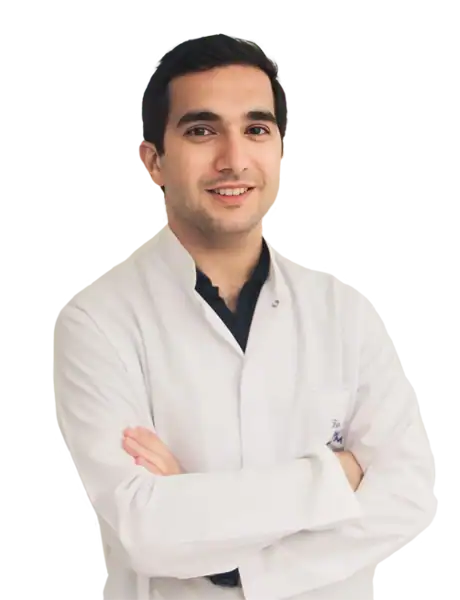
Dr. Ali Demir
Pediatric Rehabilitation
Dr. Ali Muslu
Pediatrics
Dr. Aliye Sevil Sarıkaya
Pediatric Endocrinology
Dr. Alper Tunga Özbek
Pediatrics
Dr. Anil Chousein
Pediatrics
Dr. Anıl Doğan
Pediatrics
Dr. Arda Bozgül
Pediatrics
Dr. Arzu Jalilova
Pediatric Endocrinology
Dr. Arzu Özgeneci Öngün
Pediatrics
Dr. Ayça Sözen
Pediatrics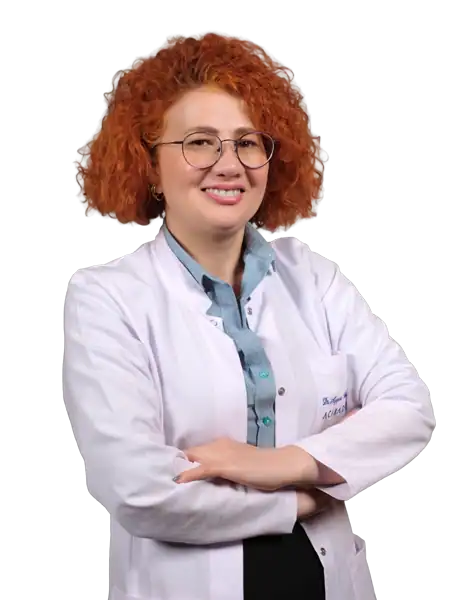
Dr. Aygun Babayeva
Pediatrics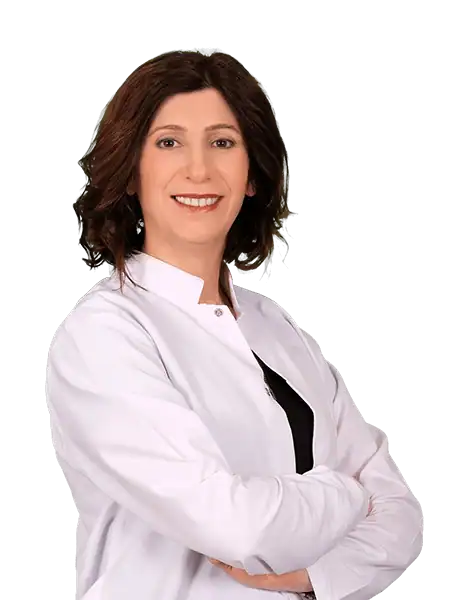
Dr. Ayla Haytan Önal
Pediatrics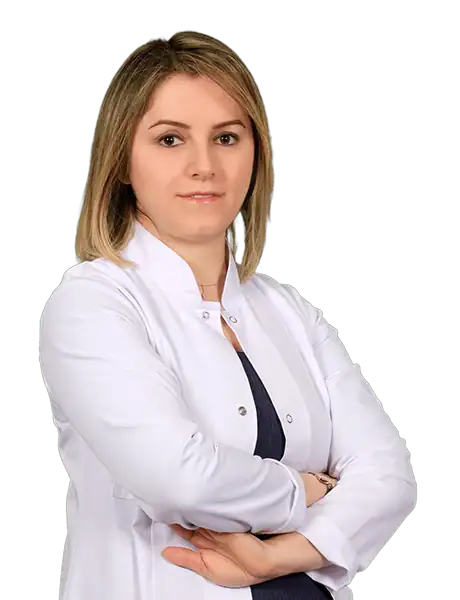
Dr. Ayla Oktay
Pediatric Cardiology
Aylin Kurt
Pediatric RehabilitationSpeak with our medical team
Share your case and our international patient team will guide you to the right specialist — free of charge.