Syndrome And

Key Takeaways
- A syndrome is a cluster of symptoms, signs, or findings that occur together and may have more than one possible cause.
- Diagnosis usually starts with a detailed history, physical examination, and targeted tests based on the person’s symptoms.
- Treatment is individualized and may include medicines, monitoring, therapy, procedures, or lifestyle changes depending on the underlying condition.
- People traveling for care benefit from clear records, shared test results, and a follow-up plan before returning home.
- Medical attention is important if symptoms are new, worsening, unexplained, or affecting daily function.
Syndrome And is a placeholder title that may refer to any condition described as a syndrome, meaning a pattern of signs and symptoms that tend to appear together. Because syndromes can involve many body systems, understanding the cause, evaluation, and follow-up plan is the first step toward safe care.
Overview
The phrase “syndrome and” is not a single medical diagnosis; it is more like a doorway into the larger world of syndromes. In medicine, a syndrome is a recognizable pattern of symptoms, physical findings, or test results that tend to occur together. The pattern may point toward one condition, or it may be the first clue that helps doctors narrow a wider list of possibilities.
That is why syndrome-based care often starts with careful listening. A clinician looks at what the person feels, what is visible on examination, what has changed over time, and whether other health conditions could be contributing. For international patients, this step is especially valuable because it helps connect records from different providers and build one coherent plan instead of several disconnected opinions.
Some syndromes are well defined and have a known cause. Others are broad labels used while the underlying reason is still being clarified. In either case, the goal is the same: understand the pattern well enough to treat the person safely and reduce the burden of symptoms.
Symptoms
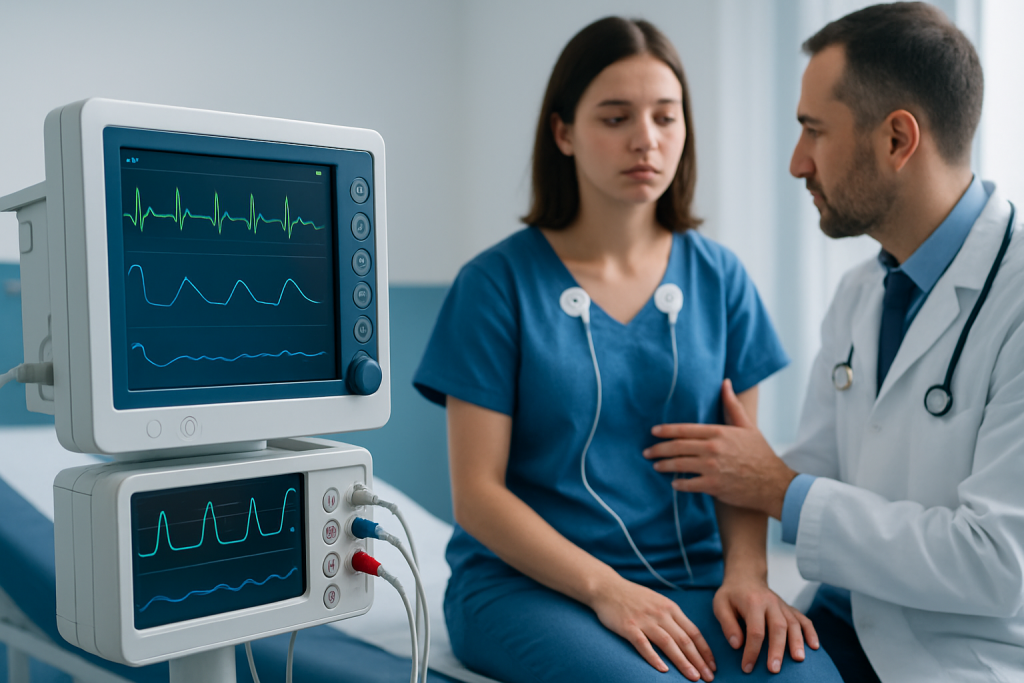
Symptoms depend entirely on the syndrome in question, but several themes are common. Many people notice a combination of fatigue, pain, changes in function, or symptoms that seem to come and go without a clear trigger. Some syndromes also include visible signs such as swelling, skin changes, rashes, movement problems, or changes in weight or appetite.
Because syndromes are patterns rather than single symptoms, the details matter. Doctors often ask when the symptoms began, whether they are constant or intermittent, what makes them better or worse, and whether other body systems are involved. Even small observations, such as a symptom that appears after meals, during exercise, or in the morning, can guide the evaluation.
It is also common for symptoms to overlap with other conditions. A person may assume they are dealing with one issue when the real picture involves more than one system. That is one reason careful assessment is preferred over guessing or self-diagnosing from an online list.
- Persistent or recurring pain
- Fatigue or low energy
- Changes in breathing, digestion, movement, or sensation
- Swelling, rash, or other visible body changes
- Symptoms that affect sleep, work, or daily routine
Causes & Risk Factors

The causes of syndromes are highly variable. Some are inherited and linked to genes, while others develop after infection, inflammation, injury, hormonal change, autoimmune activity, metabolic imbalance, or exposure to environmental factors. In some cases, no single cause is identified right away, especially when symptoms are early or incomplete.
Risk factors depend on the syndrome, but doctors often consider age, family history, past illnesses, medications, immune status, lifestyle factors, and previous surgeries or injuries. Travel history, workplace exposures, and regional differences in infectious diseases can also matter. For someone coming from another country, bringing a timeline of symptoms and prior test results can help clinicians recognize patterns that might otherwise be missed.
It is worth remembering that a risk factor does not mean a person will develop a syndrome. It simply means the chance may be higher in certain settings. Many syndromes are influenced by several small factors rather than one dramatic event.
Diagnosis
Diagnosis usually begins with a detailed medical history and a focused examination. Doctors may ask about symptom timing, triggers, family history, medications, recent illnesses, and how the condition affects everyday life. If the syndrome involves several organ systems, the evaluation may include more than one specialist.
Testing is chosen according to the suspected pattern. Depending on the case, this may include blood work, urine tests, imaging, heart or nerve studies, breathing tests, genetic testing, or other targeted assessments. The aim is not to order every possible test, but to select the ones that are most likely to clarify the diagnosis and guide treatment.
When patients seek care abroad, diagnosis often includes comparison of new findings with prior reports from home. This can be very helpful when different hospitals use different terminology. A good care team will explain what is known, what remains uncertain, and whether follow-up testing after returning home is appropriate.
Treatment Options
Treatment depends on the underlying syndrome and the problems it creates. Some people need medicines to reduce inflammation, regulate hormones, relieve pain, improve digestion, or support heart, lung, or nerve function. Others may benefit from physical therapy, speech therapy, nutritional guidance, counseling, or a procedure to correct a structural problem.
Because syndromes often affect more than one part of the body, treatment plans are usually individualized. A doctor may prioritize symptom control first, then address the root cause once more information is available. In complex cases, specialists from different fields work together so that one treatment does not interfere with another.
For international patients, the treatment plan should also include practical details: what happens before travel, what needs to be monitored after discharge, and which warning signs should prompt urgent review. Clear written instructions are especially useful when care continues in another country.
- Medicines tailored to the suspected cause or main symptoms
- Rehabilitation or therapy to support function and recovery
- Dietary or lifestyle adjustments when appropriate
- Procedures or surgery in selected cases
- Regular follow-up to reassess the response to care
Prevention & Self-care
Not every syndrome can be prevented, especially when it is inherited or related to factors beyond personal control. Even so, people can often lower risk of complications by managing known health conditions, taking prescribed medicines consistently, and attending scheduled follow-up visits. Early attention to new symptoms is usually more helpful than waiting for them to become severe.
Self-care is best kept simple and realistic. Rest, balanced nutrition, adequate fluid intake, sleep routines, and gentle activity when allowed by a doctor can support recovery. If symptoms are being tracked, a diary of timing, triggers, meals, medication use, and severity may help the care team recognize a pattern.
For those receiving Varicose Vein Treatment Abroad: When Stockings Are Enough and When Procedures Help More" class="ahp-ilk">treatment abroad, self-care includes planning for the return journey. Keeping copies of test results, imaging, medication lists, and discharge summaries can make handover smoother. If any ongoing therapy is needed, the patient should know who to contact at home and when the next review is due.
When to See a Doctor
Medical advice is appropriate when symptoms are persistent, unexplained, or becoming more disruptive. It is also wise to seek evaluation if a family member notices changes that the person may not have connected to a health issue, such as confusion, reduced endurance, or gradual loss of function.
Prompt review is especially important if the syndrome could involve the heart, lungs, nervous system, or another vital organ. A doctor should also be consulted when new symptoms appear after infection, surgery, pregnancy, medication changes, or travel, since these details can significantly change the diagnosis.
People already under care should return sooner if the treatment is not helping, side effects are troubling, or symptoms are spreading. In an international-patient setting, Acibadem Health Point’s multidisciplinary specialists and JCI-accredited hospitals can diagnose and treat many complex conditions for patients traveling from abroad, with attention to coordinated follow-up after discharge.
Frequently asked questions
What does the word syndrome mean in medicine?
In medicine, a syndrome is a set of symptoms, signs, or test findings that tend to appear together. It does not always point to one single cause, which is why evaluation usually focuses on identifying the underlying condition.
Is a syndrome the same as a disease?
Not always. A disease usually has a clearer definition and often a known cause, while a syndrome may describe a pattern that can happen for several different reasons. Some syndromes later become better understood and are then linked to a specific disease process.
How do doctors figure out which syndrome a person has?
They start with the symptom story, physical examination, and a targeted set of tests based on the likely causes. If needed, they may involve more than one specialist to connect findings across different body systems.
Can syndromes be cured?
Some can be treated effectively, and some may improve with time or with treatment of the underlying cause. Others are managed long term, with the goal of reducing symptoms and preventing complications.
What should an international patient bring to an appointment?
It helps to bring prior test results, imaging reports, medication lists, discharge summaries, and a clear timeline of symptoms. These records make it easier for the new care team to understand what has already been done and what still needs attention.
When is it reasonable to seek a second opinion?
A second opinion can be helpful when the diagnosis is unclear, treatment is not working, or the condition is complex and involves several specialists. It is also reasonable when a person wants confirmation before starting a major treatment plan.
References
- World Health Organization
- MedlinePlus
- National Institutes of Health
- Mayo Clinic
- Merck Manual Professional Edition
This article is for general information only and is not a substitute for professional medical advice. Please consult a qualified doctor about your individual situation.