Kidney Pain: Causes, Symptoms and Treatment

Key Takeaways
- Kidney pain is often felt as flank pain, usually on one side of the back or upper abdomen.
- Common causes include kidney stones, urinary tract infections, kidney infection, injury, and blockage of urine flow.
- Symptoms such as fever, burning urination, blood in the urine, nausea, or severe colicky pain can help point to the cause.
- Diagnosis may involve urine tests, blood tests, and imaging such as ultrasound or CT.
- Treatment depends on the cause and may include fluids, pain relief, antibiotics, or procedures for stones or obstruction.
Medically reviewed by the Acıbadem clinical team — August 19, 2026
Kidney pain is usually felt in the side or back, just below the ribs, and it can come from several different conditions rather than the kidneys alone. Understanding the pattern of pain, related symptoms, and when to seek medical care can help guide timely evaluation and treatment.
Overview
Kidney pain is a phrase many people use for discomfort felt in the side, back, or just below the ribs. In medical practice, that area is called the flank. The kidneys sit high in the back of the abdomen, so pain in this region can be related to the kidneys, but it can also come from muscles, the spine, ribs, or nearby organs.
Because the sensation is not specific, the first useful question is not only “Where does it hurt?” but also “What else is happening?” A burning feeling when passing urine, fever, nausea, or pain that comes in waves can steer the evaluation in very different directions. That is why a careful history and examination matter more than the label itself.
For international patients, kidney-related symptoms are often first noticed while traveling, adjusting to new routines, or after a long flight or extended journey. A prompt assessment helps separate minor, temporary discomfort from conditions that need treatment, especially when follow-up may need to happen away from home.
Symptoms
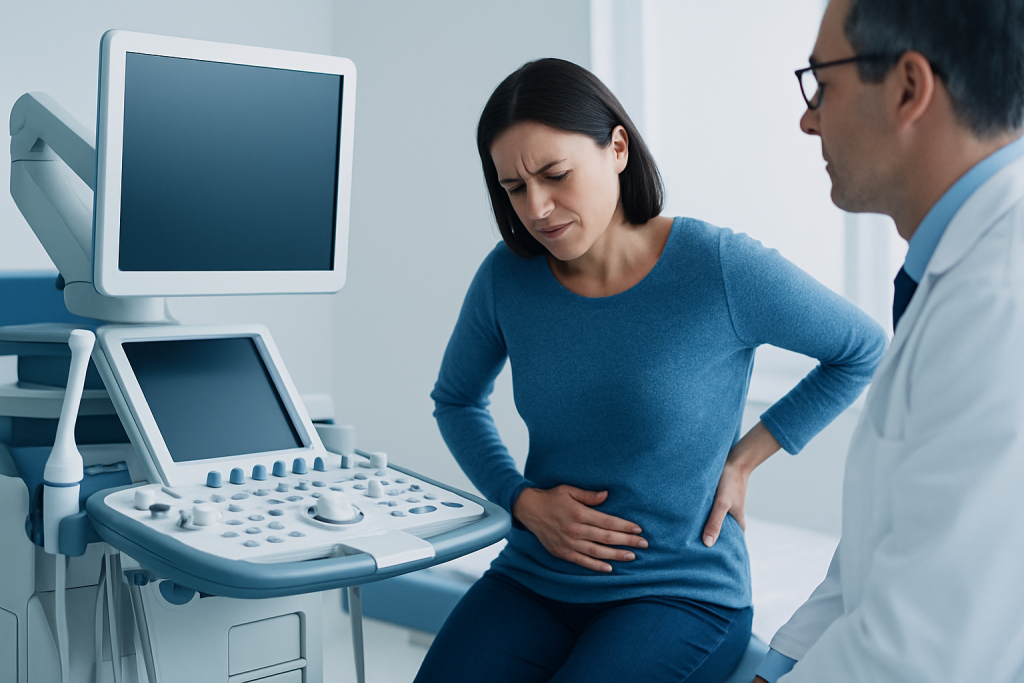
Kidney pain is commonly described as a deep ache or sharp pain in the flank, sometimes on one side and sometimes on both. It may spread toward the lower abdomen, groin, or inner thigh, particularly when a stone is moving through the urinary tract. Some people notice the pain is steady, while others feel brief waves of more intense discomfort.
Other symptoms often provide the real clues. A urinary tract infection may cause burning urination, urgency, frequent trips to the bathroom, or cloudy urine. A kidney infection can add fever, chills, nausea, vomiting, and a general sense of feeling unwell. Blood in the urine, reduced urine output, or swelling may suggest a more significant kidney problem or blockage.
Sometimes the discomfort is not truly from the kidneys at all. Muscle strain, rib injury, spine problems, or even digestive issues can create similar pain. When the pain changes with movement, pressing on the area, or posture, clinicians consider non-kidney causes as well.
- Flank pain or deep back pain
- Burning or painful urination
- Fever or chills
- Nausea or vomiting
- Blood or cloudiness in the urine
- Pain that moves toward the groin
Causes & Risk Factors
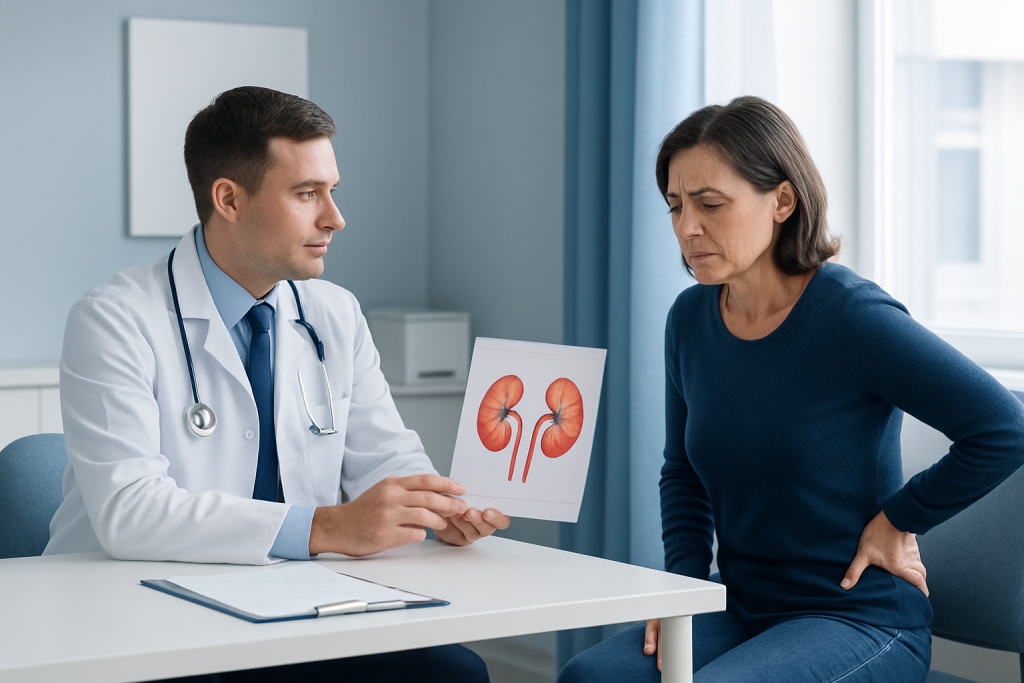
Several conditions can lead to pain in the kidney region. Kidney stones are a common cause and may create severe, cramping pain when they move through the urinary tract. Infection is another important cause, ranging from a bladder infection that irritates the urinary system to a kidney infection that affects the kidney tissue itself.
Blockage of urine flow can also cause pressure and discomfort. This may happen from a stone, enlarged prostate, scar tissue, narrowing in the urinary tract, or less commonly a structural problem. Injury to the back or side can cause pain that feels kidney-related even when the kidneys are not involved.
Certain factors increase the chance of kidney-related symptoms. Dehydration, a history of stones, recurrent urinary infections, pregnancy, some metabolic conditions, and urinary tract abnormalities all matter. People with diabetes, immune system suppression, or known kidney disease may need a lower threshold for evaluation because infections and obstruction can become more serious if not addressed promptly.
Diagnosis
A doctor usually begins with a detailed discussion of the pain pattern, urinary symptoms, fever, recent travel, medications, and any history of stones or kidney disease. A physical examination helps determine whether the pain is likely coming from the kidneys, muscles, or another source. This first step is especially important because the same symptom can mean different things in different people.
Urine testing is often one of the most useful early investigations. It can show signs of infection, blood, crystals, protein, or other findings that help narrow the cause. Blood tests may also be ordered to check kidney function, signs of infection, and dehydration.
Imaging is frequently needed when stones, blockage, injury, or a complicated infection is suspected. Ultrasound is often used to look for swelling or obstruction, while CT scan can give a more detailed view when a stone or another urgent issue is being considered. The choice of test depends on the symptoms, the patient’s stability, and the clinical question the doctor is trying to answer.
Treatment Options
Treatment depends entirely on the cause of the pain. If the problem is a kidney stone, care may focus on pain control, hydration guidance, and monitoring whether the stone can pass on its own. Some stones need a procedure if they are too large, are causing blockage, or are associated with infection.
For urinary tract infections and kidney infections, antibiotics are usually central to treatment. A kidney infection may require closer monitoring, and in some cases hospital care is needed if the person is dehydrated, vomiting, or unable to take oral medication. If the kidney pain is from obstruction, relieving the blockage becomes the priority.
Non-kidney causes are managed differently. Muscle strain may improve with rest and targeted pain relief, while spine or rib problems may need physical assessment and follow-up. Because the treatment path can vary so much, self-diagnosis is risky; the safest approach is to confirm the cause before assuming the pain will pass on its own.
When patients are traveling for care, doctors also consider how treatment will continue after discharge. That may include follow-up imaging, medication review, and clear instructions for signs that should prompt reassessment once the patient returns home.
Prevention & Self-care
Not every cause of kidney pain can be prevented, but some practical habits lower risk. Regular hydration is helpful for many people, especially those prone to kidney stones. A balanced diet, appropriate salt intake, and attention to any known medical conditions can also support urinary health.
People with a history of stones or urinary infections may benefit from a more tailored prevention plan from their doctor. Depending on the cause, that plan could involve fluid goals, dietary changes, follow-up testing, or treatment of an underlying issue such as obstruction or recurrent infection. Following a clinician’s advice matters because prevention is not one-size-fits-all.
For day-to-day comfort while waiting for evaluation, gentle rest and avoiding heavy lifting may help if the pain seems muscular. However, it is wise not to delay medical review if urinary symptoms, fever, vomiting, or significant pain are present. Pain medicines should be used only as advised, particularly if there is known kidney disease or concern for dehydration.
When to See a Doctor
Medical assessment should not be postponed if kidney pain is severe, sudden, or associated with fever, chills, nausea, vomiting, blood in the urine, or trouble passing urine. These features can signal infection, obstruction, or another issue that needs prompt treatment. If the pain is on both sides or accompanied by swelling, reduced urine output, or shortness of breath, evaluation is also important.
Even milder pain deserves attention if it keeps returning, lasts more than a short time, or occurs in someone with a history of stones, recurrent infections, pregnancy, a single kidney, or chronic kidney disease. In those settings, early testing can prevent complications and make treatment simpler.
For people seeking care across borders, it is especially helpful to bring any prior scan reports, urine results, medication lists, and a timeline of symptoms. Acibadem Health Point’s multidisciplinary specialists and JCI-accredited hospitals diagnose and treat kidney-related conditions for international patients, with coordinated follow-up designed to make the next steps clearer after discharge.
Frequently asked questions
Is kidney pain always a sign of kidney disease?
No. Pain in the kidney area can come from the kidneys, but it can also come from muscles, the spine, ribs, or nearby organs. The pattern of symptoms and test results helps identify the real cause.
What does kidney stone pain usually feel like?
Kidney stone pain is often severe, cramping, and comes in waves. It may start in the flank and move toward the lower abdomen or groin as the stone travels.
Can a kidney infection go away on its own?
A kidney infection should not be left untreated. It usually needs medical evaluation and antibiotics, and some people need hospital-based care if they are dehydrated, vomiting, or very unwell.
Does blood in the urine always mean something serious?
Blood in the urine should always be checked by a doctor, even if it is painless. It can be caused by stones, infection, injury, or other conditions that need proper evaluation.
How is kidney pain usually checked?
Doctors often start with a urine test and may add blood tests and imaging such as ultrasound or CT. The exact tests depend on the symptoms and what the clinician suspects.
What can a person do at home while waiting to be seen?
Rest, drink fluids if tolerated, and avoid strenuous activity until the cause is known. If fever, vomiting, worsening pain, or trouble urinating occurs, medical care should be sought promptly.
References
- National Kidney Foundation
- Mayo Clinic
- NHS
- Cleveland Clinic
- World Health Organization
This article is for general information only and is not a substitute for professional medical advice. Please consult a qualified doctor about your individual situation.
Persistent digestive symptoms? Get evaluated in Turkey
JCI-accredited · board-certified surgeons · reply within 24h
Add us as a Preferred Source to see more of our trusted health content across Google Search, AI Overviews and Discover.