Nephrolithiasis: Causes, Symptoms and Treatment

Key Takeaways
- Nephrolithiasis means stones form in the kidneys or urinary tract from concentrated urine and crystal buildup.
- Symptoms can include sudden flank pain, blood in the urine, nausea, urinary urgency, or pain that comes in waves.
- Diagnosis usually relies on symptoms, urine and blood tests, and imaging to locate the stone and check for obstruction.
- Treatment depends on stone size, location, and symptoms, ranging from hydration and pain control to procedures that remove or break stones.
- Prevention focuses on drinking enough fluids, adjusting diet based on stone type, and treating the medical causes that raise stone risk.
Medically reviewed by the Acıbadem clinical team — August 19, 2026
Nephrolithiasis, commonly called kidney stones, happens when mineral and salt deposits form inside the urinary tract. Many stones pass on their own, but others cause severe pain, blockage, or infection and need medical care.
Overview
Nephrolithiasis is the medical term for kidney stones. These stones are hard deposits that develop when minerals and salts in urine become concentrated enough to crystallize. A stone may stay in the kidney, move into the ureter, or travel farther through the urinary tract, and the symptoms often depend on where it is and whether it is blocking urine flow.
For many people, the first clue is sudden pain that is hard to ignore. For others, a stone is found during testing for a different issue. While the experience can be dramatic, nephrolithiasis is usually manageable, and treatment choices are guided by the stone’s size, type, and location as well as the person’s overall health.
International patients often seek care when symptoms interfere with work, travel, or daily life and they want a clear plan rather than repeated uncertainty. In that setting, the most useful evaluation is one that identifies not only the stone, but also why it formed and how to reduce the chance of another episode.
Symptoms
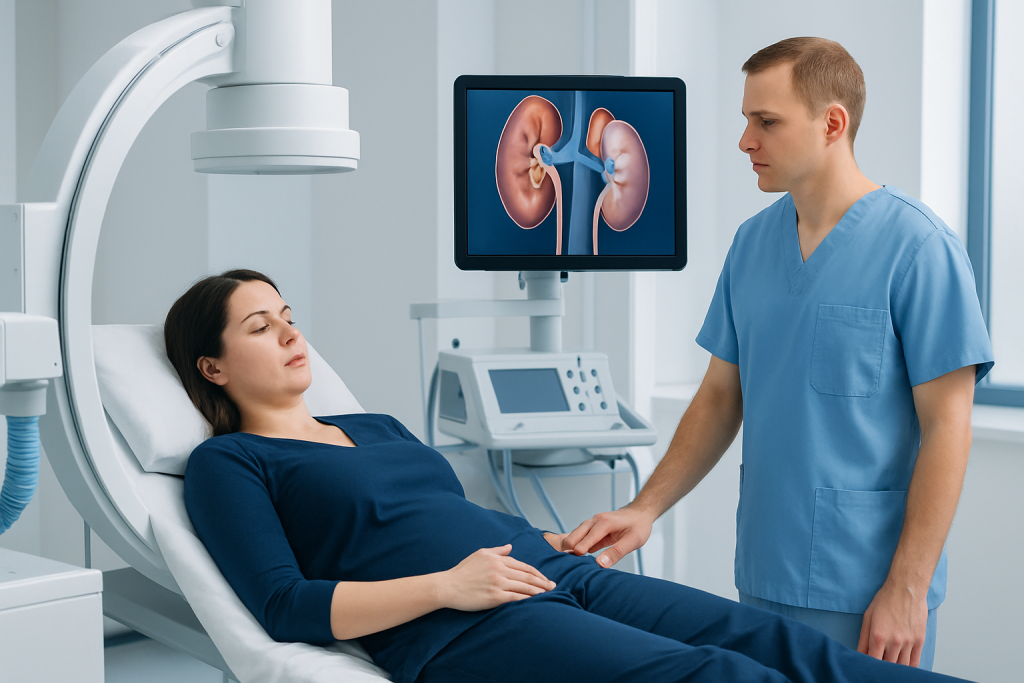
Kidney stone symptoms can appear suddenly and may change as the stone moves. The classic pattern is severe pain in the side or back, often below the ribs, that may spread toward the lower abdomen or groin. The pain may come in waves, easing and returning as the ureter tries to move the stone along.
Other common symptoms include blood in the urine, nausea, vomiting, frequent urination, burning during urination, or a feeling that the bladder is not emptying fully. Some people also notice cloudy or foul-smelling urine, especially if infection is present.
Smaller stones may cause only mild discomfort or no symptoms at all. Even when pain settles, a stone can still be present, so persistent urinary symptoms, fever, or recurring pain should not be dismissed.
- Flank pain that may move to the groin
- Blood in the urine
- Nausea or vomiting
- Urgency, frequency, or painful urination
- Fever or chills if infection develops
Causes & Risk Factors
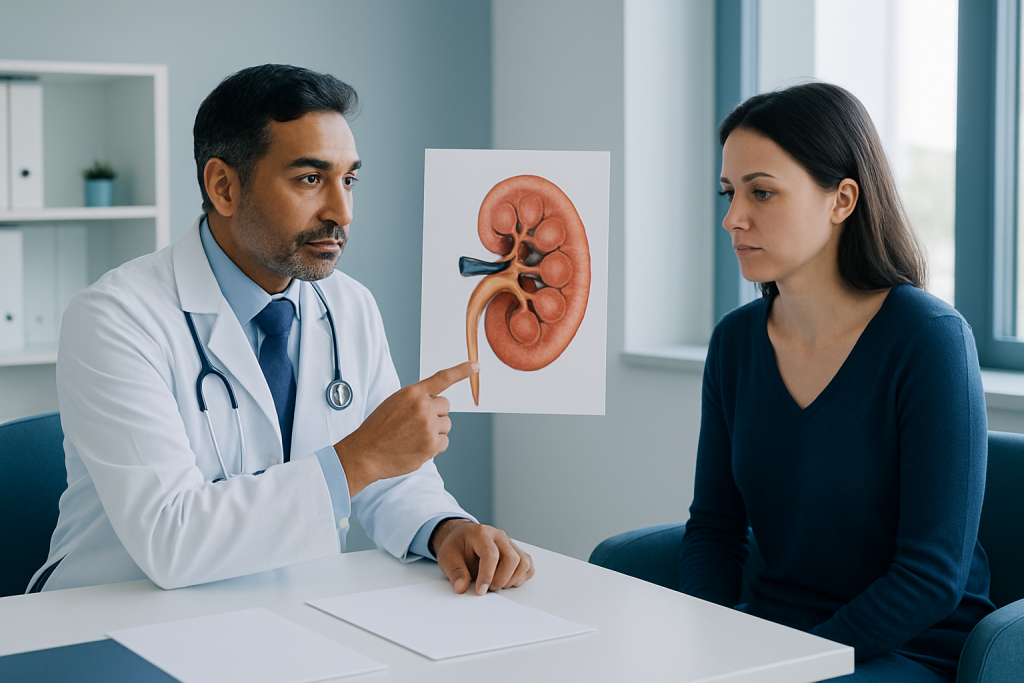
Nephrolithiasis usually develops when urine becomes too concentrated or contains too much of certain stone-forming substances. Calcium stones are the most common, but stones can also form from uric acid, struvite, or cystine, each with its own causes and prevention needs.
Dehydration is a major factor because less urine means minerals are more likely to crystallize. Diet can also matter, especially high sodium intake, high animal-protein intake, or very low fluid consumption. Some stones are linked to inherited conditions, bowel disease, repeated urinary infections, certain metabolic disorders, or medications that change urine chemistry.
Risk can be higher in people with a personal or family history of stones, those who live in hot climates, or those who lose a lot of fluid through work, exercise, or illness. A stone history does not mean stones will keep returning, but it does make prevention planning more important.
- Not drinking enough fluids
- Previous kidney stones
- Family history of stones
- High salt or high animal-protein intake
- Recurrent urinary tract infections
- Certain bowel, hormone, or metabolic conditions
Diagnosis
Diagnosis begins with a careful review of symptoms, medical history, and physical examination. Clinicians often ask where the pain started, whether it moves, whether there is blood in the urine, and whether fever or vomiting is present, because those details help distinguish a stone from other abdominal or urinary problems.
Urine tests can show blood, signs of infection, and clues about stone type. Blood tests may be used to check kidney function and look for metabolic issues such as elevated calcium or uric acid. Imaging is often the most helpful step for confirming the diagnosis and measuring the size and location of the stone.
Depending on the situation, a non-contrast CT scan, ultrasound, or plain X-ray may be used. People traveling for care often benefit from a coordinated approach, since the goal is not only to confirm a stone, but also to decide promptly whether observation is safe or a procedure is the better choice.
Treatment Options
Treatment depends on whether the stone is likely to pass on its own and whether it is causing blockage, infection, or ongoing pain. Small stones may pass naturally with hydration, pain control, and close follow-up. Larger stones, or stones that are stuck, may need a procedure to break them apart or remove them.
Medicines are often used to ease pain and support passage when appropriate. If infection is suspected, antibiotics and urgent evaluation are important because an infected blocked kidney needs prompt attention. Some stones require endoscopic treatment, shock wave treatment, or other minimally invasive procedures performed by a urologist.
After the immediate problem is treated, stone analysis and metabolic evaluation help shape long-term care. This step is especially valuable for patients who travel internationally for treatment, because follow-up recommendations can be tailored before they return home.
- Observation and hydration for selected small stones
- Pain relief and symptom control
- Medical therapy to help pass certain stones
- Shock wave lithotripsy or endoscopic procedures
- Stone analysis and prevention planning
Prevention & Self-care
Prevention starts with urine that is less concentrated. Drinking enough fluid throughout the day is one of the most effective general measures, though the right amount depends on climate, activity level, and medical advice. Many people do best when they spread fluid intake across the day rather than drinking most of it at once.
Dietary changes depend on the type of stone, but some broad habits help many patients. Lower sodium intake, moderate animal protein, and balanced calcium intake from food may reduce risk in some stone types. It is also useful to avoid over-restricting calcium without medical guidance, because that can sometimes increase stone risk.
People with recurrent stones may need a more specific plan based on urine testing or stone analysis. That plan can include changes in diet, medication, and monitoring. For those recovering after Varicose Vein Treatment Abroad: When Stockings Are Enough and When Procedures Help More" class="ahp-ilk">treatment abroad, keeping copies of the stone report, imaging results, and discharge instructions makes follow-up care much easier once they are back home.
- Drink fluids regularly unless a doctor restricts them
- Limit excess salt in meals and packaged foods
- Follow stone-specific dietary advice if the stone type is known
- Bring a stone report or imaging results to follow-up visits
- Review medications and supplements with a clinician
When to See a Doctor
Medical evaluation is important when pain is severe, symptoms last more than a short time, or a person has repeated stone episodes. Even if the pain improves, it is still wise to check whether the stone has fully passed, especially if there is blood in the urine or ongoing urinary discomfort.
Emergency care is needed for fever, chills, persistent vomiting, inability to urinate, or pain that is not controlled. These can signal infection, dehydration, or a blocked urinary tract. People with one kidney, pregnancy, known kidney disease, or a history of complicated stones should seek prompt assessment sooner rather than later.
Acibadem Health Point’s multidisciplinary specialists and JCI-accredited hospitals diagnose and treat nephrolithiasis for international patients, with coordinated testing, procedure planning, and follow-up support. That kind of organized care can be helpful when the goal is to resolve the current stone and lower the likelihood of another one.
Frequently asked questions
What is the difference between nephrolithiasis and kidney stones?
Nephrolithiasis is the medical term for kidney stones. In everyday language, both terms are usually used to describe the same condition. The term nephrolithiasis covers stones that form in the kidney and may move into the urinary tract.
Can a kidney stone pass without treatment?
Yes, some small stones pass on their own with hydration and pain control. Whether that is likely depends on the stone’s size, location, and whether it is causing blockage. A clinician can help determine if observation is safe.
Why does a kidney stone cause so much pain?
Pain often happens when a stone blocks the flow of urine and the ureter contracts to push it forward. That pressure and muscle spasm can cause intense, wave-like pain. The pain may shift as the stone moves.
Do all kidney stones cause blood in the urine?
No, not all kidney stones cause visible blood in the urine. Some people have microscopic blood that is only seen on testing, while others have no blood at all. The absence of blood does not rule out a stone.
How can a person lower the chance of another kidney stone?
General prevention focuses on staying well hydrated, limiting excess salt, and following diet advice based on the stone type. People who have had stones more than once may need urine and blood testing to identify a specific cause. A personalized plan is usually the most effective approach.
When is a kidney stone an emergency?
A stone becomes urgent when it is paired with fever, chills, vomiting, inability to pass urine, or severe uncontrolled pain. These symptoms can suggest infection or significant obstruction. Prompt medical care is important in those situations.
References
- National Institute of Diabetes and Digestive and Kidney Diseases
- American Urological Association
- European Association of Urology
- Mayo Clinic
- World Health Organization
This article is for general information only and is not a substitute for professional medical advice. Please consult a qualified doctor about your individual situation.
Explore treatments in Turkey — costs, top hospitals & a free quote
JCI-accredited · board-certified surgeons · reply within 24h
Add us as a Preferred Source to see more of our trusted health content across Google Search, AI Overviews and Discover.