How To Treat A Stye

Key Takeaways
- Most styes improve with warm compresses, eyelid hygiene, and avoiding pressure or squeezing.
- A stye is different from a chalazion, although both can cause a tender eyelid lump.
- Makeup, contact lenses, and eye rubbing can slow healing or spread irritation.
- Medical evaluation is important if swelling is severe, vision changes appear, or the lump does not improve.
- People who get repeated styes may need evaluation for blepharitis, skin conditions, or other underlying factors.
A stye is a common, usually short-lived eyelid infection that often improves with gentle home care. Knowing how to treat a stye safely can help reduce discomfort, support healing, and show when an eye doctor’s advice is needed.
Overview
A stye is a small, usually tender bump that forms on or near the edge of the eyelid. It happens when an oil gland or eyelash follicle becomes blocked and infected, most often by common skin bacteria. Although it can look dramatic and feel uncomfortable, a stye is typically a minor eye problem that responds well to simple care.
For many people, the biggest concern is not the bump itself but how quickly it appeared and how sore the eyelid feels. The good news is that treatment is usually straightforward: support the area, keep it clean, and give it time. From an international patient’s point of view, a stye often becomes a practical question rather than a medical emergency — how to soothe it before a flight, whether makeup should be paused, and when an eye specialist should be consulted if symptoms do not settle.
Understanding the difference between a stye and other eyelid lumps matters. A stye is often red, tender, and may come to a small point, while a chalazion is usually firmer and less painful. Because the two can be confused, persistent or recurrent swelling should be assessed by a qualified clinician.
Symptoms
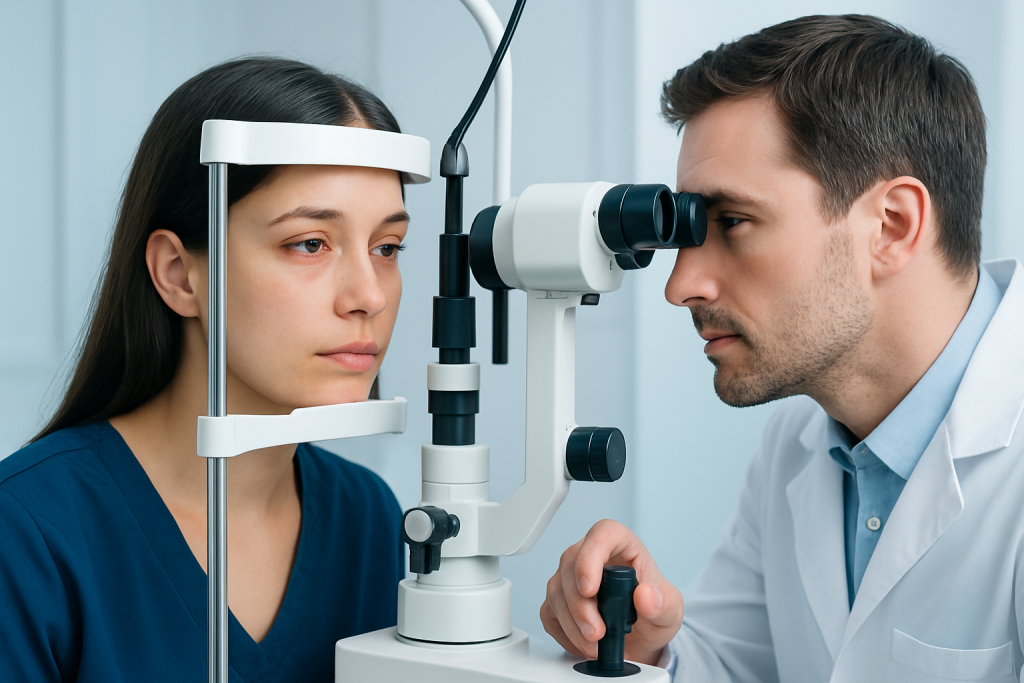
Styes often begin as a small area of tenderness at the eyelid margin and can progress to a red, swollen bump. Some people notice a scratchy or gritty feeling, tearing, or mild crusting around the lashes. The eye itself is usually not deeply affected, but the surrounding lid can feel puffy and uncomfortable.
Symptoms can vary depending on whether the stye is on the outer eyelid or deeper within the lid. An outer stye may look like a pimple at the lash line, while an internal stye may cause swelling without a clear surface spot. In both cases, the eyelid may be sensitive to touch.
- Localized eyelid pain or tenderness
- Redness and swelling at the eyelid edge
- Watery eyes or mild irritation
- Crusting on the lashes after sleep
- A small visible bump or drainage point
Severe pain, marked swelling of the whole eyelid, fever, or changes in vision are not typical of a simple stye and deserve medical attention.
Causes & Risk Factors

A stye usually develops when bacteria enter and irritate a blocked oil gland or an eyelash follicle. Everyday habits can make this more likely, especially touching the eyes with unwashed hands or leaving makeup on overnight. The eyelids are delicate, and even minor irritation can create the right conditions for infection.
Some people are more prone to styes because the eyelid margins are already inflamed or because the skin around the eyes produces more oil. Repeated styes may also be linked to blepharitis, rosacea, or changes in the normal balance of skin bacteria. Contact lens wear, shared makeup products, and old eye cosmetics can also raise the risk.
Common risk factors include:
- Poor eyelid hygiene
- Rubbing the eyes frequently
- Using eye makeup that is expired or shared
- Contact lens wear without proper cleaning
- Blepharitis or rosacea
- Prior history of styes
Knowing the trigger can be helpful, especially for people traveling or managing care away from home. A simple routine of clean hands, clean eyelids, and careful makeup habits often makes a meaningful difference.
Diagnosis
Most styes are diagnosed by a careful look at the eyelid and a brief discussion of symptoms. An eye doctor usually does not need special testing unless the presentation is unusual, severe, or repeatedly returning. The location, tenderness, and appearance of the lump often make the diagnosis clear.
During evaluation, the clinician may check whether the problem seems more like a stye, chalazion, blepharitis, or another eyelid condition. This distinction matters because the management approach can differ. If there is significant swelling, discharge, or concern for a deeper infection, the doctor may look more closely at the surrounding eye and facial tissues.
For patients planning care abroad, diagnosis is typically quick and straightforward, which can be reassuring. The key is not to delay evaluation if the eyelid is becoming more swollen rather than less, or if the eye itself starts to feel painful or blurred.
Treatment Options
Most styes improve with conservative treatment. Warm compresses are the central home remedy: they help loosen the blocked material and encourage natural drainage. A clean, warm cloth placed gently on the closed eyelid for several minutes at a time can be repeated several times a day. The goal is comfort and gentle support, not intense heat.
It is important not to squeeze, pop, or pierce a stye. Doing so can worsen inflammation or spread infection. Eye makeup and contact lenses are best paused until the area heals, since both can irritate the eyelid and contaminate the affected site. If the lid is crusted, gentle cleansing with a clean cloth or lid hygiene product recommended by a clinician may help.
When symptoms are more persistent or significant, a doctor may recommend additional treatment. Depending on the case, this can include prescription ointment or other medical management. If a stye becomes a larger abscess or does not settle with conservative care, a minor in-office procedure may be considered to help it drain safely.
Medical treatment is also more likely to be discussed when a stye is recurrent or when another eyelid condition seems to be contributing. In those situations, treating the underlying inflammation is often as important as treating the single bump.
Prevention & Self-care
Prevention starts with habits that protect the eyelid margin. Regular handwashing, removing makeup before sleep, and replacing old eye products can reduce the chance of another stye. For contact lens users, careful cleaning and proper wear schedules are especially important.
People who tend to get styes repeatedly may benefit from a more consistent eyelid routine. Gentle lid cleansing, warm compresses during early irritation, and avoiding heavy eye makeup can help keep the area calmer. If the eyelids are frequently inflamed, an eye care professional may suggest a more structured hygiene plan.
Helpful self-care steps include:
- Wash hands before touching the face or eyes
- Use warm compresses at the first sign of tenderness
- Avoid rubbing or pressing on the eyelid
- Discard old mascara and eyeliner regularly
- Remove contact lenses and makeup before bed
- Keep towels, pillowcases, and washcloths clean
For people coordinating care while traveling, these steps are easy to continue in a hotel room or after returning home. That practicality is part of why stye care is often manageable without complex treatment.
When To See a Doctor
Simple styes often improve on their own within days to a couple of weeks, but certain changes mean medical review is a better choice. If the swelling is spreading, the pain is increasing, or the lump is not improving with warm compresses, an eye doctor should assess it. Recurrent styes also deserve evaluation, because they may point to an underlying eyelid or skin condition.
Prompt care is especially important if there is vision change, light sensitivity, fever, pain with eye movement, or swelling that affects the whole face or eyelid. These features are not typical of an uncomplicated stye and should not be ignored. A doctor can determine whether the issue is still a stye or something else entirely.
Patients who are abroad or preparing for travel should seek care sooner if symptoms could interfere with flying, driving, or daily function. Acibadem Health Point’s multidisciplinary specialists and JCI-accredited hospitals diagnose and treat eye conditions for international patients, including styes that need more than home care.
Recovery and Outlook
Most styes heal without long-term problems. As the blockage opens and the inflammation settles, the eyelid gradually becomes less red, less tender, and less swollen. A small residual lump can sometimes remain for a short time even after the painful phase is over.
Recovery is usually smoother when the area is left alone. Trying to force drainage or using unclean products can prolong irritation. If a stye has been large, internal, or slow to drain, the healing period may be a little longer, but the outlook is still generally very good.
When styes keep returning, the focus shifts from the single bump to the bigger pattern. In those cases, eye care follow-up is useful to look for blepharitis, chronic eyelid inflammation, or skin conditions that can be managed over time. That approach often prevents future episodes more effectively than treating each one in isolation.
Frequently asked questions
Can a stye go away without treatment?
Yes. Many styes improve on their own with time, especially when the eyelid is kept clean and warm compresses are used. The main goal is to avoid irritating the area while the body resolves the blockage and infection.
Should a stye be popped?
No. Popping or squeezing a stye can worsen inflammation and may spread infection. Gentle warm compresses are the safer first step, and a doctor can drain it if that becomes necessary.
Can makeup be used with a stye?
It is better to avoid eye makeup until the stye has healed. Makeup can irritate the eyelid and may contaminate the area, especially if the product is old or shared.
Are styes contagious?
A stye itself is not usually considered highly contagious, but the bacteria involved can spread by touch or shared items. Good hand hygiene and not sharing towels, cosmetics, or eye products are sensible precautions.
What is the difference between a stye and a chalazion?
A stye is usually tender, red, and more like an infected bump at the eyelid edge. A chalazion is often firmer, less painful, and related to a blocked oil gland rather than an active infection.
Why do some people keep getting styes?
Repeated styes can happen when there is ongoing eyelid inflammation, poor lid hygiene, or another condition such as blepharitis or rosacea. A doctor can help identify the reason and suggest a prevention plan.
References
- American Academy of Ophthalmology
- National Eye Institute
- Mayo Clinic
- NHS
- Cleveland Clinic
This article is for general information only and is not a substitute for professional medical advice. Please consult a qualified doctor about your individual situation.
Hair transplant in Turkey — costs, graft counts & a free assessment
JCI-accredited · board-certified surgeons · reply within 24h
Add us as a Preferred Source to see more of our trusted health content across Google Search, AI Overviews and Discover.