Sign And Symptoms Of Cataracts

Key Takeaways
- Cataracts usually cause gradual vision changes rather than sudden pain or redness.
- Common symptoms include blurred vision, glare, faded colors, and trouble seeing at night.
- Ageing is the main risk factor, but diabetes, smoking, eye injury, and long-term steroid use can contribute.
- An eye examination can confirm cataracts and help rule out other causes of vision loss.
- Surgery is the only definitive treatment when cataracts begin to interfere with daily life.
Cataracts develop when the eye’s natural lens becomes cloudy, usually gradually, and the first changes can be easy to overlook. Recognizing the early signs and symptoms of cataracts helps a person seek timely eye care and discuss the most suitable treatment options.
Overview
Cataracts are a common eye condition in which the lens inside the eye becomes cloudy. Because the lens normally helps focus light onto the retina, even a small change in clarity can affect how a person sees the world. The shift is often slow, which is why many people first notice that something feels “off” before they can describe it clearly.
For someone comparing vision over time, cataracts may look like a gradual dimming of a camera lens: street signs seem less crisp, faces are harder to read from across a room, and night driving becomes less comfortable. In international patients, this can become especially frustrating when travel, maps, unfamiliar roads, or reading small print in a new language all depend on sharp vision.
Cataracts can affect one eye or both, and they may not progress at the same speed. An eye specialist can determine whether symptoms are caused by cataracts or by another eye problem, such as glaucoma, macular degeneration, or a change in prescription glasses.
Signs and Symptoms
The early signs and symptoms of cataracts are often subtle. A person may simply feel that vision is not as clear as it used to be, even after changing glasses or cleaning lenses. As the lens clouding increases, the effects become more noticeable in everyday activities.
Common symptoms include:
- Blurred, hazy, or cloudy vision
- Glare or halos around lights, especially at night
- Difficulty seeing in dim light
- Colors looking faded, yellowed, or less bright
- Frequent changes in eyeglass or contact lens prescription
- Double vision in one eye
- Struggling with reading, cooking, driving, or recognizing faces
Some people notice that one eye seems to be compensating for the other. Others become more sensitive to headlights or sunlight and may start avoiding night driving. Cataracts do not usually cause pain, redness, or sudden severe vision loss; those symptoms suggest a different eye concern and should be assessed promptly.
Causes and Risk Factors

Cataracts most often develop as part of the ageing process. Over time, the proteins in the lens can break down and clump together, which makes the lens less transparent. This is a natural change, but it does not happen at the same pace in every person.
Several factors can increase the likelihood of developing cataracts earlier or more noticeably. These include diabetes, smoking, heavy alcohol use, prolonged ultraviolet (UV) exposure, previous eye injury, eye surgery, and long-term use of certain medications such as corticosteroids. A family history of cataracts may also play a role.
Less common cataracts can appear at birth or during childhood, sometimes related to infection during pregnancy, inherited conditions, or metabolic disorders. In all age groups, the basic issue is the same: the lens loses its transparency and light no longer passes through it as cleanly.
Diagnosis
Diagnosis starts with a detailed eye examination. The doctor will ask about the person’s symptoms, how they affect daily tasks, and whether they change in different lighting conditions. This conversation is important because cataracts often progress gradually and the day-to-day impact can be easier to understand than the lens cloudiness itself.
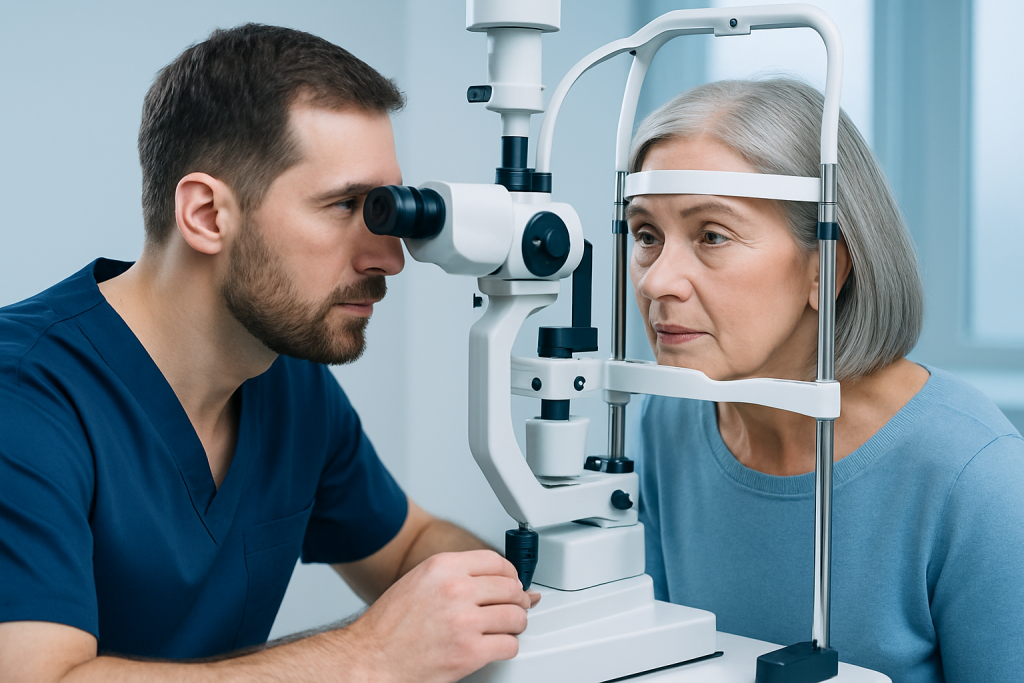
Testing usually includes a vision check, a refraction test to assess whether a new glasses prescription would help, and a slit-lamp examination to look closely at the lens. The eye may also be dilated so the specialist can examine the retina and rule out other reasons for reduced vision.
For international patients planning care away from home, these tests are often done in a single visit or across a short sequence of appointments. The results help the specialist decide whether the cataract is mild and only needs monitoring, or whether surgery is likely to improve quality of life.
Treatment Options
Cataracts do not disappear on their own, and there is no eye drop, supplement, or exercise that can reverse lens clouding. In the early stages, a stronger glasses prescription, better lighting, anti-glare lenses, or magnifying aids may make day-to-day activities more comfortable. These measures can help for a while, especially when symptoms are mild.
When cataracts begin to interfere with reading, driving, work, or overall independence, surgery is the standard treatment. During cataract surgery, the cloudy natural lens is removed and replaced with a clear artificial lens called an intraocular lens, or IOL. The procedure is usually performed as an outpatient surgery, and the exact lens choice depends on the person’s eye health, visual needs, and surgeon’s recommendation.
Recovery is generally straightforward, but it still requires careful follow-up. A person may need eye drops, temporary activity adjustments, and scheduled checkups to monitor healing. For patients traveling from abroad, planning the timing of surgery, recovery, and follow-up before departure helps make the experience safer and more manageable.
Prevention and Self-care
Not every cataract can be prevented, especially those related to ageing. Still, healthy habits can support overall eye health and may help reduce risk or slow progression in some people. Consistent protection matters more than any single measure taken once in a while.
Helpful steps include:
- Wearing sunglasses that block UV rays outdoors
- Stopping smoking, or seeking help to quit
- Managing diabetes and other chronic health conditions well
- Eating a balanced diet rich in fruits, vegetables, and other nutrient-dense foods
- Using protective eyewear during sports or hazardous work
- Keeping regular eye exams, especially after age 40 or if risk factors are present
For people already living with cataract symptoms, practical changes can reduce frustration: use brighter task lighting, increase contrast at home, keep prescriptions up to date, and avoid driving if glare or blur makes it unsafe. These adjustments do not treat the cataract itself, but they can make daily life easier while deciding on next steps.
When to See a Doctor
An eye doctor should be consulted when vision changes begin to interfere with routine activities, even if the symptoms seem mild. Waiting is not usually helpful if reading, driving, work tasks, or mobility are becoming more difficult. A specialist can confirm whether cataracts are the cause and discuss whether monitoring or surgery is appropriate.
Prompt assessment is especially important if vision changes are sudden, if one eye is affected much more than the other, or if there is eye pain, redness, flashes of light, or a curtain-like shadow over vision. Those features may point to a different eye condition that needs urgent attention.
For international patients, it can be reassuring to know that cataract care is commonly streamlined: diagnosis, surgical planning, and postoperative follow-up can often be coordinated around travel. At Acibadem Health Point, multidisciplinary specialists and JCI-accredited hospitals diagnose and treat cataracts for international patients, with attention to clear communication and continuity of care.
Living Well With Cataracts
Many people continue their normal routines while cataracts are still in the early stages. The key is to notice changes early and track how they affect real life, not just the eye chart. If a person is squinting more, missing steps on stairs, or turning on lights earlier than before, those are useful clues to bring to an eye appointment.
It also helps to think ahead about timing. Someone who travels often, drives at night, or relies on precise vision for work may want to discuss treatment earlier than someone whose symptoms are mild and stable. The best decision is usually based on function, safety, and personal goals rather than on the diagnosis alone.
With timely evaluation and modern cataract surgery when needed, most people can expect a clear, practical path forward. The condition is common, but it does not have to remain confusing; a qualified eye specialist can explain the findings, answer questions, and help choose the most appropriate next step.
Frequently asked questions
What are the first signs and symptoms of cataracts?
The earliest symptoms are often blurry or hazy vision, increased glare, and trouble seeing clearly at night. Some people also notice that colors seem less vivid or that they need frequent prescription changes.
Do cataracts cause pain or redness?
Typical cataracts do not cause pain, redness, or sudden severe vision loss. If those symptoms appear, another eye problem may be present and a doctor should evaluate it promptly.
Can cataracts improve with glasses?
Glasses can sometimes make early cataract symptoms easier to manage, but they do not remove the cataract. As the lens becomes cloudier, surgery is usually the only treatment that restores clearer vision.
Who is most at risk for cataracts?
Ageing is the biggest risk factor, but diabetes, smoking, UV exposure, eye injury, and long-term steroid use can also increase risk. Family history may matter as well.
How does a doctor diagnose cataracts?
An eye specialist uses a vision test and a detailed examination of the lens, often with pupil dilation. These tests also help rule out other causes of blurred vision.
When is cataract surgery recommended?
Surgery is usually considered when cataracts start to affect daily life, such as reading, driving, or working safely. The decision is based on symptoms and practical needs rather than on a single test result.
References
- American Academy of Ophthalmology
- National Eye Institute
- World Health Organization
- Mayo Clinic
This article is for general information only and is not a substitute for professional medical advice. Please consult a qualified doctor about your individual situation.