Prednisolone Eye Drops

Key Takeaways
- Prednisolone eye drops are used to calm inflammation, not to treat every eye problem.
- They may be prescribed after surgery, injury, allergy-related inflammation, or certain inflammatory eye conditions.
- Because they are steroid drops, they can raise eye pressure or mask infection if not monitored.
- They should be used exactly as prescribed, and the dose may need to be reduced gradually.
- People with persistent pain, vision changes, discharge, or worsening redness should seek medical advice promptly.
Prednisolone eye drops are corticosteroid medicine used to reduce inflammation in the eye. They are prescribed for specific eye conditions and should be used with medical guidance because correct diagnosis, follow-up, and safe tapering matter.
Overview
Prednisolone eye drops belong to a group of medicines called corticosteroids. In eye care, they are used to reduce inflammation inside or around the eye, which can help ease redness, swelling, irritation, and discomfort when the problem is driven by inflammation rather than infection alone.
These drops are often prescribed for short-term use after eye surgery, after injury, or for certain inflammatory conditions such as uveitis, keratitis, or severe allergic eye inflammation. They are not a general-purpose remedy for every red eye, and a clinician usually decides whether the benefits outweigh the risks for each situation.
For patients traveling for care, the main advantage is that the condition can be assessed, treated, and then followed closely. Steroid eye drops work best when the diagnosis is clear and the plan includes review appointments, especially if treatment continues beyond a brief course.
Symptoms They Are Used To Relieve
Prednisolone eye drops do not treat the underlying cause of every symptom, but they can reduce the body’s inflammatory response that makes the eye feel sore or look irritated. Doctors may prescribe them when the eye is red, light-sensitive, swollen, itchy, or uncomfortable because inflammation is present.
In some conditions, inflammation can blur vision or make blinking painful. The drops may help settle these symptoms while the eye heals or while another treatment addresses the root cause, such as a separate medicine for infection or a surgical recovery plan.
It is important to remember that not all redness is inflammation that should be treated with a steroid. A bacterial, viral, or fungal infection, a scratched cornea, or increased eye pressure may need a different approach, which is why assessment by an eye specialist matters.
Causes & Risk Factors

Prednisolone eye drops are typically used when inflammation is caused by surgery, trauma, autoimmune eye disease, allergic reactions, or irritation of the inner eye tissues. They may also be part of treatment after certain corneal or retinal procedures, depending on the surgeon’s plan.
Some people are more likely to need careful monitoring while using steroid eye drops. This includes individuals with glaucoma or a family history of high eye pressure, people with diabetes, those who have had herpes eye disease, and patients using the drops for longer periods.
Risk also increases when the medicine is self-started without a clear diagnosis. Because steroids can reduce visible redness while an infection is still active, they should not be used casually for a red eye unless a clinician has advised them.
Diagnosis
Before prescribing prednisolone eye drops, an eye doctor usually examines the eye and asks about symptoms, recent surgery, injuries, contact lens use, and past eye disease. The goal is to confirm that inflammation is the main issue and to rule out conditions that could worsen with steroid treatment.
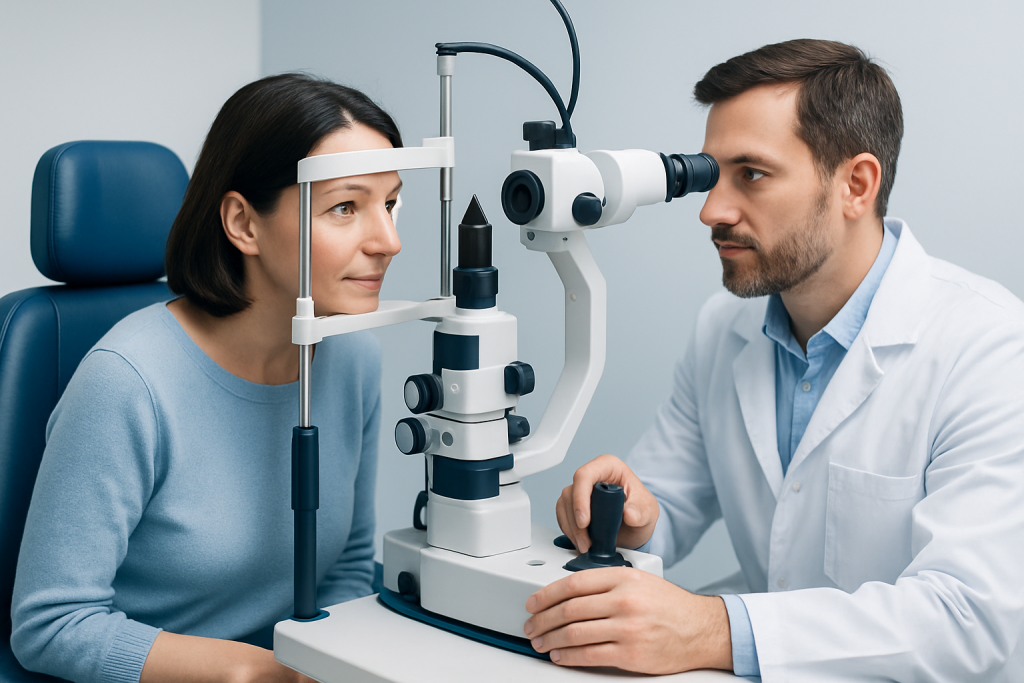
The exam may include checking vision, looking at the cornea and eyelids, measuring eye pressure, and examining the front and back of the eye with special lights and lenses. If needed, additional tests may be used to understand whether infection, glaucoma risk, or deeper eye inflammation is present.
For international patients, this stage is especially important because it sets the treatment path before travel plans are finalized. A clear diagnosis helps avoid unnecessary medication use and makes it easier to arrange follow-up after returning home.
Treatment Options
Prednisolone eye drops are used as part of a tailored treatment plan, not as a stand-alone answer for every eye problem. The doctor decides how often they should be used, how long treatment should continue, and whether they should be combined with other medicines such as antibiotics, antiviral treatment, lubricating drops, or pressure-lowering eye drops.
Patients are usually advised to use the drops exactly as prescribed and not to stop suddenly unless told to do so. In some cases, the dose needs to be reduced gradually to prevent rebound inflammation or worsening of symptoms after the eye has started to settle.
Common practical tips include washing hands before use, avoiding contact between the bottle tip and the eye, waiting a few minutes between different eye medicines, and removing contact lenses unless the doctor has given specific instructions. If the eye does not improve as expected, the treatment plan may need to be reviewed rather than extended on one’s own.
- Use only the dose and schedule given by the doctor.
- Do not share eye drops with anyone else.
- Report new pain, worsening redness, or blurred vision promptly.
- Attend follow-up visits so eye pressure and healing can be checked.
Possible Side Effects and Safety Considerations
Most people tolerate prednisolone eye drops well when they are used correctly and for a limited time. Even so, steroid eye drops can sometimes cause side effects such as temporary stinging, blurred vision right after application, or eye irritation.
With longer use, more important risks may appear. These include raised eye pressure, cataract formation over time, delayed healing, or a higher chance that an infection could worsen or be harder to notice because inflammation is being suppressed.
That is why ongoing monitoring is part of safe treatment. If a patient has a history of glaucoma, is using multiple eye medicines, or needs the drops for more than a short course, the doctor may check pressure and the eye surface more often.
Prevention & Self-care
Not every inflammatory eye problem can be prevented, but careful self-care can support healing and reduce the chance of complications. Patients are usually advised to follow the dosing plan exactly, keep the bottle clean, and avoid rubbing the eye even if it feels itchy or gritty.
For people recovering from surgery or an eye injury, protecting the eye from dust, smoke, and unnecessary strain can help. Sunglasses may reduce light sensitivity outdoors, and lubricating drops may sometimes be recommended if dryness adds to discomfort.
Contact lens wearers should ask when it is safe to restart lenses, since wearing them too early can irritate the eye or complicate recovery. Anyone flying home after eye treatment should carry medicines in hand luggage, keep follow-up instructions accessible, and know which symptoms should prompt a new review.
When To See a Doctor
Medical review is important if redness is getting worse instead of better, vision becomes blurred or dim, pain increases, or there is discharge from the eye. These signs may mean the diagnosis needs to be reconsidered or that an infection or pressure problem is developing.
Patients should also contact a doctor if they miss several doses, are unsure how to taper the medicine, or have been told to use the drops longer than expected without a follow-up appointment. Steroid eye drops are safest when the treatment plan is supervised.
If care was started abroad, it is sensible to arrange a handover plan before travel ends. Acibadem Health Point’s multidisciplinary specialists and JCI-accredited hospitals diagnose and treat eye conditions for international patients, helping ensure that treatment and follow-up remain coordinated across borders.
FAQs
Q: Are prednisolone eye drops antibiotics?
A: No. They are steroid medicines that reduce inflammation. They do not kill bacteria or treat viral infections on their own.
Q: How quickly do prednisolone eye drops work?
A: Some people notice reduced redness or discomfort fairly soon, but the response depends on the condition being treated. The doctor may adjust the plan if improvement is slower than expected.
Q: Can they be used for ordinary eye redness?
A: Not without medical advice. A red eye can come from infection, injury, dryness, or pressure-related problems, and steroids are not suitable for all of these.
Q: Do they need to be stopped suddenly?
A: Not always. In many cases, the dose is reduced gradually, especially if the drops have been used for more than a short period.
Q: Can contact lens wear continue during treatment?
A: Often lenses should be removed while the eye is inflamed or healing, but the timing depends on the reason for treatment. The prescribing doctor should give specific advice.
Q: What should happen if vision becomes blurry after using the drops?
A: Brief blurring can happen right after application, but persistent or worsening blur should be reported. It may signal that the eye needs reassessment.
References
- American Academy of Ophthalmology
- National Eye Institute
- NHS
- Mayo Clinic
- MedlinePlus
This article is for general information only and is not a substitute for professional medical advice. Please consult a qualified doctor about your individual situation.