How To Get Rid Of A Stye Overnight

Key Takeaways
- A stye usually cannot disappear overnight, but warm compresses and gentle eyelid care can ease symptoms and support healing.
- Do not squeeze, pop, or try to drain a stye at home, as this can worsen inflammation or spread infection.
- Good eyelid hygiene, avoiding eye makeup, and not sharing towels or cosmetics can help prevent new styes.
- Most styes improve on their own, but persistent, very painful, or vision-affecting symptoms should be checked by a doctor.
- A lump that keeps coming back may be a chalazion or another eyelid condition and may need medical evaluation.
A stye is a small, usually tender lump on the eyelid caused by an inflamed oil gland or eyelash follicle. It often improves with simple home care, but it cannot truly be “cured overnight,” and knowing what helps most can prevent irritation and speed recovery.
Overview
A stye is a common eyelid problem that usually starts as a small, red, tender bump near the edge of the eyelid. It forms when an oil gland or eyelash follicle becomes blocked and irritated, sometimes with a bacterial contribution. Although many people search for a way to get rid of a stye overnight, the more realistic goal is to calm the inflammation and support natural healing.
Most styes are uncomfortable rather than dangerous. They often improve within several days to a couple of weeks, especially when the eyelid is kept clean and warm compresses are used regularly. For travelers or people managing symptoms away from home, the good news is that the first-line care is simple, does not require special equipment, and can usually be continued anywhere.
A stye is different from a chalazion, which is usually a firmer, less tender eyelid lump caused by a blocked gland that becomes inflamed without active infection. The two can look similar at first, so persistent swelling should be assessed by an eye care professional if it does not follow the expected course.
Symptoms
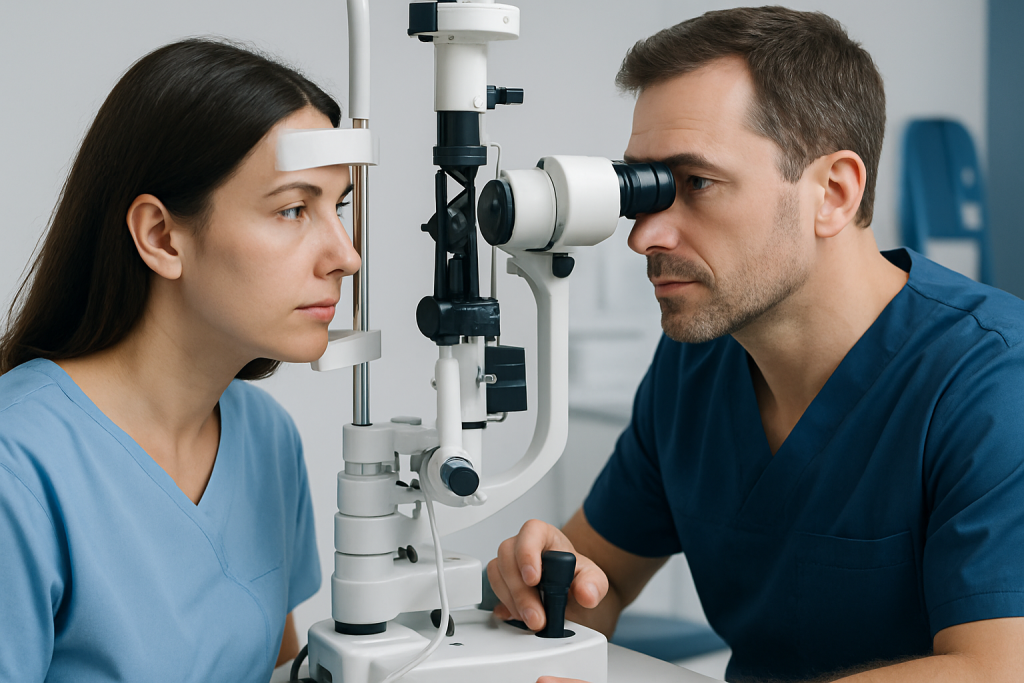
Styes often begin with localized tenderness along the eyelid margin before a visible bump appears. The area may look red, swollen, and feel sore to the touch. Some people notice a tiny pimple-like spot in the center, while others simply see a swollen patch near an eyelash.
Depending on the size and location, a stye may cause the eye to water or feel mildly irritated, as if something is caught in it. Eyelid movement can be uncomfortable, and makeup or contact lenses may feel irritating while the stye is active.
Symptoms that suggest a more significant problem include spreading redness, swelling that involves the whole eyelid or face, fever, significant pain, light sensitivity, or blurred vision. Those features deserve prompt medical attention, because they may indicate a different eye condition or a more widespread infection.
Causes & Risk Factors

Most styes develop when an eyelid gland becomes blocked and the trapped material becomes inflamed. Bacteria that normally live on the skin can contribute, especially when the eyelid is touched repeatedly or hygiene is poor. The result is a small, localized infection or inflammation at the lash line.
Some factors make styes more likely to recur. These include rubbing the eyes, leaving eye makeup on overnight, using old or contaminated cosmetics, wearing contact lenses with less-than-ideal cleaning habits, and having a history of blepharitis, oily skin, rosacea, or similar eyelid inflammation. Stress and inadequate sleep do not directly cause a stye, but they may make eye care routines less consistent.
People who frequently get styes may also have gland blockage that needs more attention than a simple home remedy can provide. In those cases, a doctor may look for underlying eyelid margin disease or skin conditions that keep triggering new bumps.
Diagnosis
A stye is usually diagnosed by looking at the eyelid and asking about the symptoms. In many cases, no special tests are needed because the appearance and tenderness are typical. An eye care professional will distinguish a stye from a chalazion, an eyelid cyst, conjunctivitis, or other causes of eyelid swelling.
If the lump is unusually firm, keeps returning in the same place, or has features that do not fit a routine stye, further evaluation may be recommended. This may include a closer examination of the eyelid margins and lashes, and in rare situations, additional testing if another condition is suspected.
For international patients, this evaluation is often straightforward and can usually be arranged without delay. Clear communication about how long the lump has been present, whether it is painful, and whether vision has changed helps the clinician choose the right next step.
Treatment Options
The most effective home measure for a stye is a warm compress applied gently to the closed eyelid. Heat helps soften blocked material so the gland can drain naturally. It is usually better to use warmth consistently than to try aggressive measures once and hope for immediate results.
After the compress, the eyelid can be kept clean with gentle washing around the lash line. A doctor may recommend eyelid hygiene products or, in some cases, an antibiotic ointment if there is evidence of bacterial involvement. Oral antibiotics are not needed for most styes, but they may be considered if infection spreads beyond the eyelid or if there is associated eyelid-margin disease.
What should not be done is just as important. A stye should not be squeezed, poked, or pierced at home. Contact lenses and eye makeup are best avoided until the eye feels normal again, because both can irritate the lid and slow recovery. If a stye does not improve, a clinician may consider a minor in-office procedure to drain it or may reassess whether it is actually a chalazion.
Prevention & Self-care
Prevention starts with reducing the small habits that repeatedly irritate the eyelids. Washing hands before touching the eyes, removing makeup before sleep, replacing old mascara and eyeliner, and cleaning contact lenses exactly as directed can all lower the chance of another stye. A clean towel and pillowcase are also sensible precautions, especially if the eyelid is already irritated.
For people with frequent styes, daily eyelid hygiene may help more than occasional treatment. This usually means gently cleaning the eyelid margins and using warm compresses when early tenderness appears. Managing underlying blepharitis, rosacea, or dry eye can also reduce repeat episodes.
Travel can make routines harder, so it helps to pack a small eye-care kit with clean compress materials, makeup remover, and any doctor-recommended lid cleanser. Those who develop a stye while abroad should avoid self-drainage and seek local medical advice if symptoms are worsening, because uncomplicated care is often available in most settings.
When To See a Doctor
Medical review is a good idea if the stye is not improving after several days of warm compresses, if it becomes very painful, or if swelling spreads beyond the eyelid. A doctor should also assess the eye if there is blurry vision, trouble opening the eye, fever, or redness that extends to the face. These signs do not always mean something serious, but they do mean the problem should not be watched indefinitely.
It is also sensible to seek care when a lump recurs in the same area, lasts for weeks, or feels unusually firm. A stye that never seems to settle may actually be a chalazion or another eyelid lesion that needs different treatment. People who are immunocompromised or who have diabetes may want an earlier review if the eye looks increasingly inflamed.
Acibadem Health Point’s multidisciplinary specialists and JCI-accredited hospitals can diagnose and treat eyelid conditions for international patients, with follow-up planning that can be coordinated across borders when needed.
Frequently asked questions
Can a stye really go away overnight?
Usually, no. A stye may start feeling better quickly with warm compresses and gentle care, but the lump itself often takes days to settle. The goal is to reduce swelling and help it drain naturally rather than forcing a fast fix.
What is the fastest safe home treatment for a stye?
A warm compress is the most useful first step. It should be applied gently to the closed eyelid several times a day, followed by careful eyelid hygiene. The stye should not be squeezed or popped.
Should eye makeup be used with a stye?
It is better to avoid eye makeup until the stye has healed. Makeup can irritate the eyelid and may carry bacteria that make recovery slower. Old products should be discarded if they may have been contaminated.
Are antibiotics always needed for a stye?
No, most styes improve without antibiotics. A clinician may prescribe medication if the infection is spreading, symptoms are not settling, or there is another eyelid condition involved. The right treatment depends on the exam findings.
How is a stye different from a chalazion?
A stye is usually more tender and appears closer to the lash line, while a chalazion is often a firmer, less painful eyelid lump. They can look similar early on, so a persistent lump should be checked if it is not improving as expected.
When should contact lenses be stopped?
Contact lenses should usually be paused while the eye is irritated or the eyelid is inflamed. Wearing lenses can make the area feel worse and may increase the risk of further irritation. A doctor or eye care professional can advise when it is safe to resume them.
References
- American Academy of Ophthalmology
- National Eye Institute
- Mayo Clinic
- NHS
- Merck Manual Professional Edition
This article is for general information only and is not a substitute for professional medical advice. Please consult a qualified doctor about your individual situation.