Parts Of The Eye

Key Takeaways
- The eye uses multiple structures, including the cornea, lens, retina, and optic nerve, to focus and send images to the brain.
- Different eye parts have different jobs, so symptoms can point to surface, lens, or nerve-related problems.
- Some eye changes develop slowly and are easy to miss, especially if one eye compensates for the other.
- Routine eye examinations help detect conditions before vision is noticeably affected.
- New pain, sudden vision changes, flashes, or injury should be assessed promptly by a qualified eye doctor.
The eye is a finely coordinated organ made up of transparent, curved, and light-sensitive structures that work together to create vision. Understanding the main parts of the eye can make symptoms easier to interpret and help patients know when a checkup is worthwhile.
Overview
The eye is often described as a camera, but that comparison only tells part of the story. In reality, it is a living system of clear membranes, focusing structures, nerves, and protective tissues that must all work in sequence for vision to happen.
For someone deciding where to seek care—whether at home or while traveling for treatment—it helps to know that different eye complaints may originate in different parts of the eye. A red, irritated eye is not the same as blurred central vision, and neither is the same as a problem with side vision or depth perception.
The main parts of the eye include the cornea, sclera, conjunctiva, iris, pupil, lens, retina, macula, optic nerve, and supporting fluid-filled chambers. Each one contributes to a specific step in vision, from letting light in to sending a visual signal to the brain.
Symptoms and What They May Suggest
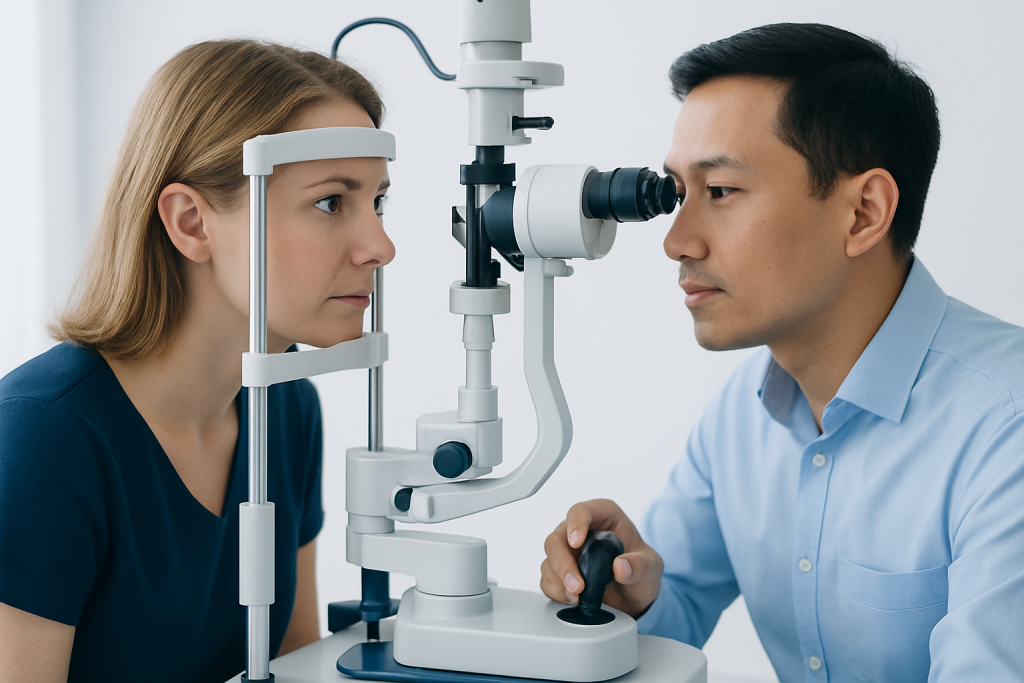
Dry Eye Symptoms" class="ahp-ilk">Eye symptoms can be subtle at first. Some people notice trouble reading, glare at night, or a sense that one eye is doing more work than the other, while others experience sudden symptoms such as flashes of light or a curtain-like shadow. The pattern matters because it can hint at which eye structure is involved.
Surface symptoms often include redness, tearing, dryness, itchiness, or the feeling that something is in the eye. These are commonly linked to the conjunctiva, eyelids, tear film, or cornea. Blurry vision, trouble focusing, or increasing dependence on glasses may suggest problems with the cornea or lens.
Symptoms that involve the retina or optic nerve may be less obvious to the person experiencing them. These can include missing areas of vision, straight lines appearing wavy, reduced color brightness, or slow loss of side vision. Because some eye conditions progress quietly, regular examinations are useful even when no symptom feels urgent.
- Redness and irritation may point to surface inflammation or dryness.
- Blurred or distorted vision may involve the cornea, lens, or retina.
- Flashes, floaters, or shadows can involve the vitreous or retina.
- Pain with light sensitivity may suggest inflammation or injury.
Causes & Risk Factors

Eye problems can arise from common issues such as dryness, allergies, strain, or aging, but they can also reflect injury, infection, autoimmune disease, diabetes, or inherited conditions. The eye’s small structures are sensitive, so even mild inflammation can affect comfort and clarity.
Age is an important factor because the lens can stiffen over time, the retina can change, and pressure-related eye disease becomes more common. People with diabetes, high blood pressure, autoimmune conditions, a history of eye trauma, or a family history of glaucoma or retinal disease may have a higher likelihood of certain eye disorders.
Environmental and lifestyle factors also matter. Long hours on screens, inadequate sleep, contact lens misuse, smoking, and ultraviolet light exposure can worsen symptoms or raise long-term risk. Travelers who already have an eye condition should also think ahead about medication access, emergency contacts, and follow-up care after returning home.
How the Main Parts of the Eye Work
The outermost layer of the eye is the cornea, a clear dome that bends incoming light. Behind it, the iris controls the size of the pupil, which acts like an adjustable opening that regulates how much light enters the eye. The lens then fine-tunes focus so nearby and distant objects can be seen clearly.
Inside the eye, light travels through a clear gel called the vitreous and reaches the retina, a light-sensitive layer lining the back of the eye. Within the retina, the macula is responsible for sharp central vision, such as reading and recognizing faces, while the broader retinal tissue supports peripheral vision and motion detection.
The retina converts light into electrical signals that travel through the optic nerve to the brain, where images are interpreted. The sclera gives the eye shape and protection, and the conjunctiva helps cover and lubricate the front of the eye and inner eyelids. Together, these parts form a coordinated pathway that is both delicate and remarkably efficient.
Diagnosis
Eye doctors usually begin with a conversation about symptoms, medical history, medications, contact lens use, and any past injury or surgery. This history is especially important when patients are seeking care away from home, because it helps the doctor understand what has changed and what needs to be checked during a limited visit.
A standard eye examination may include reading charts, measuring eye pressure, checking how the pupils respond to light, and inspecting the front and back of the eye with specialized lenses or imaging. Depending on the concern, the doctor may look more closely at the cornea, lens, retina, or optic nerve.
Additional tests can help clarify the diagnosis. These may include retinal photography, optical coherence tomography, visual field testing, fluorescein staining for the cornea, or dilated eye examination. Not every patient needs every test; the workup is tailored to the symptom pattern and the structure that seems most likely involved.
Treatment Options
Treatment depends entirely on which part of the eye is affected and what caused the problem. Dry eye may be managed with lubricating drops and environmental changes, while infections may need targeted medication. Cataracts, retinal tears, glaucoma, and some corneal disorders require more specialized care.
Some eye conditions can be treated conservatively, especially when they are mild or related to irritation, strain, or dryness. Others may require procedures such as laser treatment, injections, or surgery. If vision is threatened, the timing of treatment becomes important, so patients should not wait for symptoms to “settle down” on their own.
For international patients, treatment planning often includes practical details such as how long they may need to stay, what follow-up can be done remotely, and which warning signs should prompt urgent reassessment after travel. Acibadem Health Point’s multidisciplinary specialists and JCI-accredited hospitals diagnose and treat eye conditions for international patients with coordinated care across specialties when needed.
Prevention & Self-care
Not every eye problem can be prevented, but many can be managed more comfortably when the eyes are treated gently. Good habits include wearing UV-protective sunglasses, using prescribed or recommended eye drops as directed, and avoiding rubbing irritated eyes, especially if contact lenses are involved.
People who work at screens may benefit from regular visual breaks, better lighting, and conscious blinking to reduce dryness. Those with diabetes or high blood pressure should keep their general health conditions under control, because the eyes often reflect the body’s wider vascular health.
Self-care also means knowing the limits of home treatment. Over-the-counter drops may soothe mild irritation, but they are not a substitute for assessment if symptoms persist or worsen. Anyone who is traveling for care should keep a written list of medications, recent tests, and the eye specialist’s instructions for follow-up after returning home.
- Use eye protection during sports, repairs, or other high-risk activities.
- Remove contact lenses promptly if pain, redness, or discharge develops.
- Schedule routine eye exams, even when vision seems acceptable.
- Seek urgent help for sudden visual loss or eye trauma.
When to See a Doctor
An eye examination is appropriate whenever a symptom is new, persistent, one-sided, or affecting daily life. That includes blurry vision that does not clear, frequent headaches with visual strain, eye pain, double vision, and trouble seeing at night or in dim light.
Some symptoms deserve prompt medical attention because they may signal a problem with the retina, cornea, pressure inside the eye, or optic nerve. These include sudden flashes, a large increase in floaters, a shadow or curtain over vision, severe pain, significant light sensitivity, chemical exposure, or eye injury.
It is also sensible to have regular screening if there is diabetes, a strong family history of glaucoma, high myopia, previous eye surgery, or a known eye condition that needs monitoring. When in doubt, a qualified eye doctor can determine whether the issue is minor, needs close follow-up, or requires immediate treatment.
Frequently asked questions
What are the main parts of the eye?
The main parts include the cornea, iris, pupil, lens, retina, macula, optic nerve, sclera, and conjunctiva. Each one has a specific role in focusing light, protecting the eye, or sending visual information to the brain.
Which part of the eye is responsible for clear central vision?
The macula, which is part of the retina, is responsible for sharp central vision. It helps with tasks such as reading, driving, and recognizing faces.
Why do some eye problems cause redness while others cause blurry vision?
Redness often involves the eye’s surface tissues, such as the conjunctiva or cornea, while blurry vision may involve the cornea, lens, retina, or optic nerve. The symptom pattern can help a doctor narrow down the source of the problem.
Can eye disease develop without obvious symptoms?
Yes. Some conditions, including glaucoma and certain retinal problems, may progress quietly before vision changes become noticeable. That is one reason routine eye exams are important.
Is it normal for one eye to see differently from the other?
Small differences between the eyes are common, but a noticeable new difference should be checked. The brain can compensate for gradual changes, so people may not realize one eye is becoming weaker.
When should flashes or floaters be checked urgently?
New flashes, a sudden burst of floaters, or a dark curtain in the field of vision should be assessed promptly. These can sometimes be linked to a retinal tear or detachment and should not be ignored.
References
- American Academy of Ophthalmology
- National Eye Institute
- World Health Organization
- Mayo Clinic
This article is for general information only and is not a substitute for professional medical advice. Please consult a qualified doctor about your individual situation.