Heels And Pain

Key Takeaways
- Heel pain is often linked to overuse, tight calf muscles, footwear choices, or plantar fasciitis.
- Pain can feel worse with the first steps in the morning, after long standing, or after exercise.
- A doctor may use the history, physical examination, and sometimes imaging to identify the cause.
- Early self-care can include rest, supportive shoes, stretching, and reducing aggravating activities.
- Persistent, severe, or unexplained heel pain deserves medical assessment, especially after injury.
Heels and pain is a common complaint that can make walking, standing, and daily routines harder than they should be. The cause is often related to overuse, footwear, or irritation of tissues in the foot, and most cases improve with the right diagnosis and conservative care.
Overview
When people say heels and pain, they are usually describing discomfort in the heel area that appears while walking, standing, exercising, or even after rest. The heel carries a large share of body weight with every step, so small problems in the tendons, ligaments, bones, or soft tissues can become very noticeable.
Heel pain is not a diagnosis by itself. It is a symptom with several possible explanations, ranging from plantar fasciitis and Achilles tendon strain to stress fractures, bursitis, arthritis, and nerve irritation. The good news is that many causes can be managed without surgery once the underlying source is identified.
For international patients, the practical challenge is often deciding when a sore heel is just temporary strain and when it needs a specialist’s attention. A careful evaluation can prevent weeks of guesswork, especially if walking plans, work travel, or sports routines are being disrupted.
Symptoms
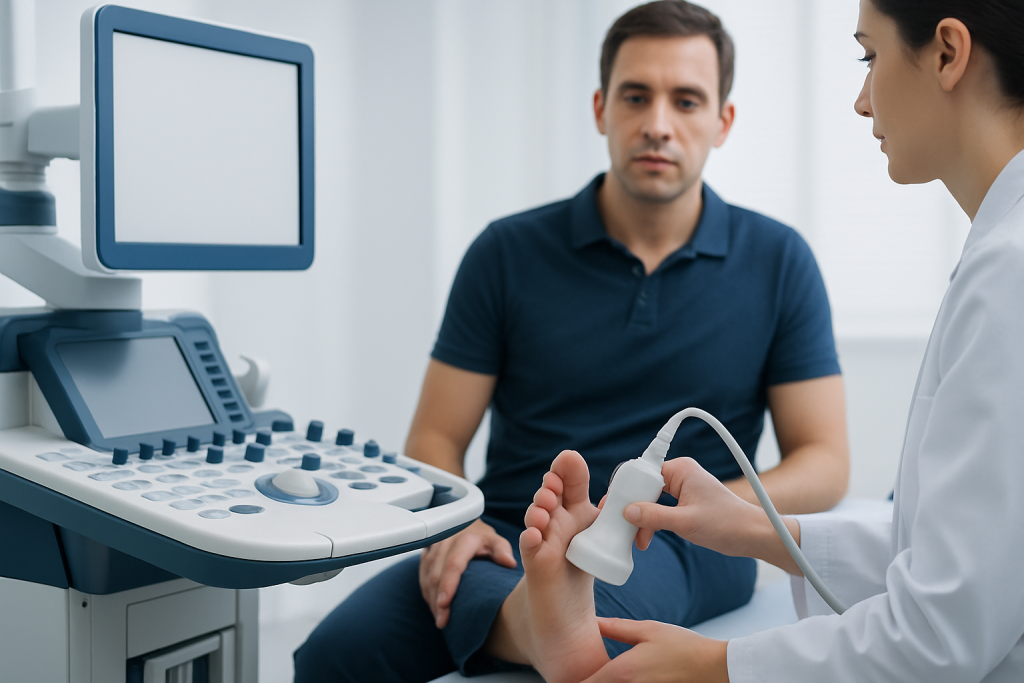
Heel pain can present in different ways depending on the cause. Some people notice a sharp, stabbing pain under the heel with the first steps in the morning. Others feel a deep ache after standing for long periods, or a burning sensation that spreads into the arch or the back of the ankle.
Common patterns include pain that improves with a few steps and then returns later, tenderness when pressing on one spot, swelling around the heel, or stiffness after sitting for a while. In some cases, the pain is worse during exercise and then lingers afterward; in others, it becomes more prominent with rest, which can point to different conditions.
- Pain under the heel
- Pain at the back of the heel near the Achilles tendon
- Morning stiffness or pain after rest
- Swelling, warmth, or localized tenderness
- Pain that worsens with walking, running, or standing
Symptoms on both sides can suggest footwear issues, training overload, or a biomechanical problem, while pain on one side only may point to a local injury or irritation. Associated numbness, tingling, or sudden inability to bear weight should be evaluated promptly.
Causes & Risk Factors
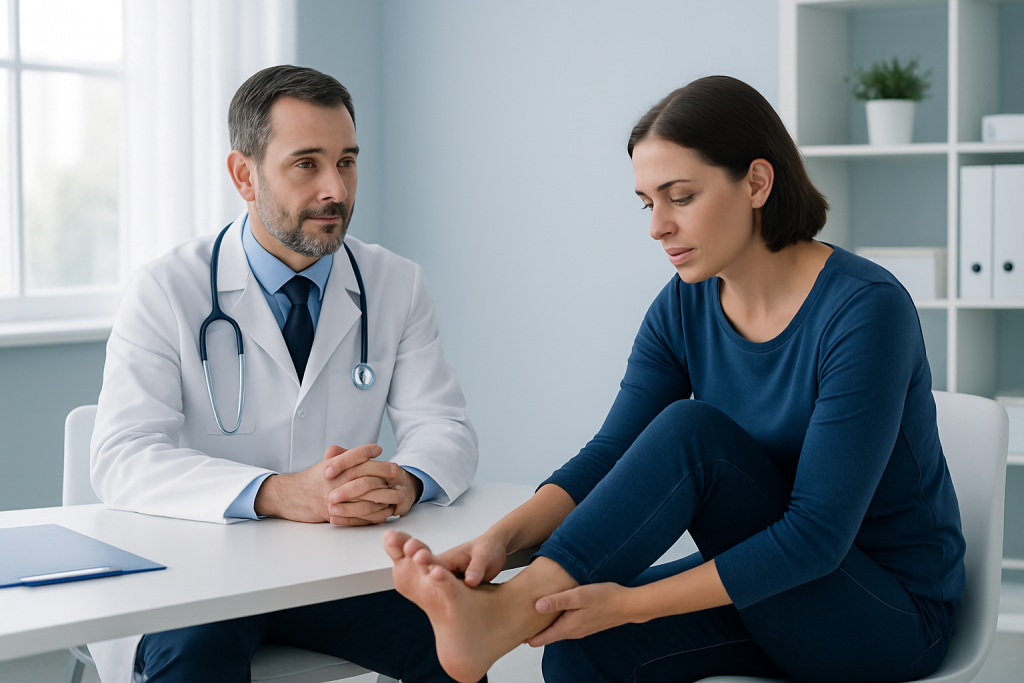
One of the most frequent causes of heel pain is plantar fasciitis, which involves irritation of the thick band of tissue that supports the arch and attaches to the heel bone. It often develops when that tissue is repeatedly strained, especially in people who stand for long hours, increase activity too quickly, or have tight calf muscles.
Other causes include Achilles tendinopathy, heel bursitis, heel spurs, stress fractures, fat pad thinning, arthritis, and nerve entrapment. In children and adolescents, heel pain can sometimes be related to growth plate irritation, while in adults, sudden increases in exercise, hard surfaces, or worn-out shoes are common triggers.
Risk is higher when the foot is repeatedly overloaded or poorly supported. A detailed history often reveals practical clues such as a recent travel schedule with more walking than usual, a new exercise program, long shifts on hard floors, or shoes that no longer provide enough cushioning.
- Long periods of standing or walking
- Running, jumping, or other high-impact sports
- Tight calves or limited ankle flexibility
- Flat feet or high arches
- Improper, unsupportive, or worn footwear
- Higher body weight or sudden changes in activity
Diagnosis
Diagnosing heel pain starts with a focused conversation about when the pain began, where it is located, what makes it better or worse, and whether there was a change in activity, footwear, or workload. These details often help a clinician narrow the possibilities before any tests are ordered.
A physical examination usually includes checking the heel, arch, Achilles tendon, ankle movement, gait, and areas of tenderness. The doctor may ask the patient to stand, walk, rise onto the toes, or flex the foot in certain ways to see which movements reproduce the pain.
Imaging is not always necessary, but it can be helpful when the diagnosis is uncertain, symptoms are severe, or recovery is not progressing as expected. X-rays may look for fractures or bone changes, while ultrasound or MRI can help evaluate soft tissues such as tendons and fascia. In international care settings, this step is especially useful when patients want a clear diagnosis before returning home or resuming travel.
Treatment Options
Treatment depends on the cause, but many heel pain problems improve with conservative care first. Reducing the activity that provokes pain, improving footwear, and calming inflammation or tissue strain can make a meaningful difference over time.
Supportive shoes with adequate cushioning and arch support are often a good starting point. Some patients benefit from heel cups, orthotic inserts, stretching exercises, or a temporary change in exercise routine. If plantar fasciitis or Achilles-related pain is involved, a guided rehabilitation plan may focus on calf flexibility, foot mechanics, and gradual load management.
Other treatments may be recommended depending on the condition and the patient’s overall health. These may include physical therapy, night splints, taping, anti-inflammatory measures when appropriate, or, in selected cases, injections or procedural care. Surgery is usually reserved for persistent cases that do not respond to non-surgical treatment.
- Activity modification and relative rest
- Supportive footwear or custom orthotics
- Stretching and strengthening exercises
- Physical therapy and gait correction
- Cold therapy and symptom relief measures
- Targeted procedures when indicated
For patients traveling for care, a clear treatment plan should also include what can be done safely during the trip home, how to protect the foot during long flights or car rides, and when follow-up should occur locally or with the treating team.
Prevention & Self-care
Not every heel problem can be prevented, but everyday habits can reduce strain on the foot. The most helpful changes are often simple: choosing shoes that fit well, avoiding sudden training increases, and taking breaks from prolonged standing when possible.
Stretching the calf muscles and plantar fascia may help people who are prone to tightness, especially in the morning or after long periods of rest. Many patients also feel better when they pace walking mileage, swap some high-impact exercise for lower-impact options, and replace worn shoes before support is lost.
Helpful self-care steps often include:
- Wear cushioned, supportive footwear indoors and outdoors
- Stretch calves and feet regularly, especially before activity
- Use gradual increases when returning to exercise
- Avoid barefoot walking on hard floors if it worsens pain
- Apply ice after heavy use if the heel feels irritated
- Maintain healthy load on the foot through overall conditioning
Self-care should be gentle and consistent rather than aggressive. If a stretch or exercise increases pain sharply, it should be stopped and reviewed with a clinician or physiotherapist.
When to See a Doctor
Heel pain that lasts more than a short period, keeps returning, or interferes with walking deserves a medical evaluation. A clinician can identify whether the problem is likely to respond to conservative care or whether a different approach is needed.
Medical review is especially important if the pain began after an injury, if there is significant swelling or bruising, if the patient cannot bear weight, or if there is numbness, redness, fever, or pain that is worsening rather than improving. These features do not always indicate a serious problem, but they do justify prompt assessment.
People with diabetes, inflammatory arthritis, circulation problems, or a history of stress fractures should be more cautious about ongoing foot pain. Early diagnosis can help protect mobility and reduce the chance of a prolonged recovery.
Acibadem Health Point works with multidisciplinary specialists and JCI-accredited hospitals to diagnose and treat heel pain and related orthopedic problems for international patients, with care plans that can be coordinated around travel and follow-up needs.
Living With Heel Pain During Recovery
Recovery is often smoother when patients think in terms of load management rather than total inactivity. The heel usually needs time to settle, but it also benefits from careful reintroduction of movement so that strength and flexibility are not lost during treatment.
For people who are managing heel pain while abroad or preparing to return home, a written plan can be very helpful. It may include what activities to limit, how to recognize overuse, which shoes to rely on, and when a follow-up review should happen if symptoms do not improve on schedule.
Progress is usually measured in practical terms: walking more comfortably, standing longer, sleeping without pain from pressure, and returning to normal routines in stages. If symptoms change character or new pain appears elsewhere in the foot or ankle, the plan should be reassessed.
Outlook
Most heel pain improves when the underlying cause is addressed early and consistently. Even when recovery takes time, the outlook is often favorable with the right mix of diagnosis, footwear changes, stretching, rehabilitation, and activity modification.
The most important step is not to ignore a heel that keeps complaining. A clear explanation from a qualified doctor can turn a frustrating symptom into a manageable plan, especially when the goal is to return to walking comfortably and confidently.
Frequently asked questions
Is heel pain usually caused by plantar fasciitis?
Plantar fasciitis is one of the most common causes, but it is not the only one. Achilles tendon problems, stress fractures, bursitis, nerve irritation, and footwear-related strain can also cause heel pain. A proper exam helps distinguish among them.
Why does heel pain often feel worse in the morning?
Morning pain is common when the tissue under the heel has tightened overnight. The first steps stretch that tissue suddenly, which can trigger discomfort. This pattern is often seen with plantar fasciitis and some tendon problems.
Can better shoes really help heel pain?
Yes, supportive shoes can reduce pressure and improve foot mechanics. They are often one of the simplest and most useful parts of treatment. The best choice depends on the cause of the pain and the shape of the foot.
Should heel pain be treated with rest only?
Rest can help calm irritation, but complete inactivity is not always the best answer. Many people improve more steadily with a mix of relative rest, stretching, strengthening, and support. A clinician or physiotherapist can suggest the right balance.
When is heel pain more urgent?
Heel pain needs prompt assessment if it follows an injury, prevents weight-bearing, or comes with swelling, redness, fever, numbness, or worsening symptoms. These signs can point to a condition that needs faster treatment. It is safest to have a doctor evaluate any severe or unusual change.
Can heel pain come back after it improves?
Yes, recurrence can happen if the original strain returns or the underlying mechanics are not addressed. Footwear, activity changes, and calf tightness are common reasons it reappears. Preventive habits and follow-up care can lower that risk.
References
- American Academy of Orthopaedic Surgeons
- Mayo Clinic
- NHS
- Cleveland Clinic
- National Institute of Arthritis and Musculoskeletal and Skin Diseases
This article is for general information only and is not a substitute for professional medical advice. Please consult a qualified doctor about your individual situation.
More from the Health Library



Related Specialists

Dr. Özge Kaymaz Yılmaz
Gynecology & Obstetrics
Dr. Necat Almali
General Surgery
Dr. Emre Sübay
Ophthalmology
Necla Aleyna Yiğit
Physical Medicine & Rehabilitation