

Hairline Fracture

Key Takeaways
- Hairline fractures are small bone cracks that may worsen if ignored or kept under strain.
- Pain that increases with activity and improves with rest is a common clue.
- Imaging tests, especially X-rays and sometimes MRI or bone scans, help confirm the diagnosis.
- Treatment usually focuses on protecting the bone, reducing stress, and supporting healing.
- A gradual, guided return to activity helps lower the risk of repeat injury.
A hairline fracture is a small crack in a bone that can still cause meaningful pain and limit daily movement. With the right diagnosis, rest, and gradual return to activity, most people recover well.
Overview
A hairline fracture is a very small crack in a bone. It is often called a stress fracture when it develops from repeated strain, but a similar fine crack can also appear after a direct injury. Even though the break is narrow, the symptoms can be quite real, especially when walking, gripping, running, or bearing weight.
People sometimes assume that a hairline fracture is “minor” because the bone is not fully broken apart. In practice, the main issue is that the bone needs time and support to heal properly. If activity continues without care, the crack can enlarge and recovery may take longer.
From an international-patient perspective, one practical challenge is that symptoms may begin during travel, training, or a busy work period away from home. In that situation, it helps to think less about “pushing through” and more about protecting the bone until a qualified clinician can confirm the problem and guide next steps.
Symptoms
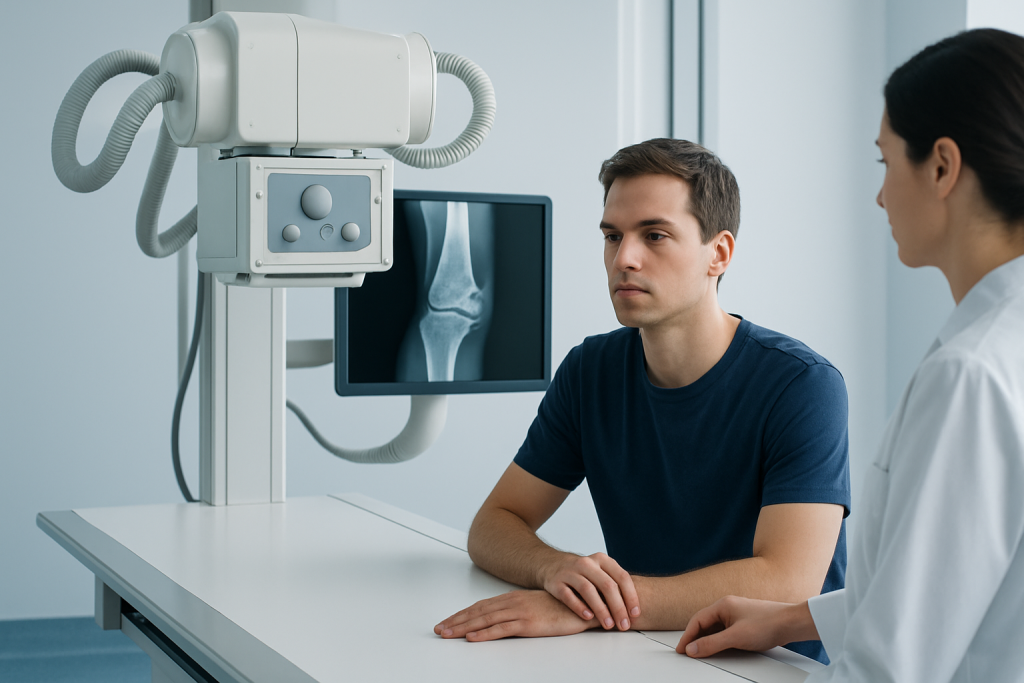
The most common pattern is localized pain that worsens with movement or pressure and eases with rest. Depending on where the fracture is, a person may notice limping, tenderness to touch, swelling, or difficulty using the affected limb in a normal way.
Symptoms can build gradually, especially with stress fractures. A runner may feel a dull ache in the foot or shin that appears only during exercise at first, then lingers after activity. Someone with a hand or rib fracture may notice pain when lifting, twisting, coughing, or pressing on the area.
- Persistent pain in one spot
- Swelling or mild bruising
- Tenderness over the bone
- Pain with weight-bearing or repetitive use
- Reduced range of motion or limping
Not every hairline fracture causes dramatic swelling or obvious deformity. That is one reason these injuries can be overlooked early, particularly when the person is still able to walk or continue daily tasks.
Causes & Risk Factors
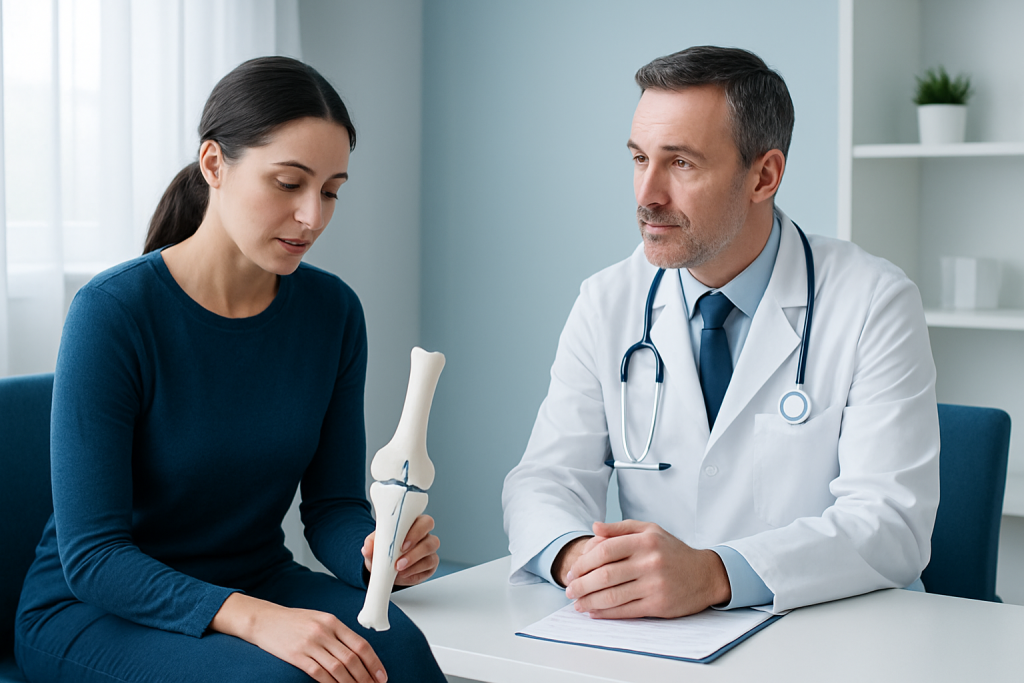
Hairline fractures usually happen when the bone is exposed to more force than it can comfortably absorb. Repetitive loading is a common cause, especially in sports or jobs that involve running, jumping, marching, dancing, or prolonged standing. A single accident, such as a fall or awkward landing, can also create a fine crack.
Some bones are more vulnerable when they are under repeated stress and not given enough time to recover. Changes in training routine, worn-out shoes, hard surfaces, or poor movement mechanics can all contribute. Bone health matters too; lower bone density, nutritional deficiencies, and certain medical conditions can make small fractures more likely.
Risk can be higher in people who suddenly increase activity, return to sport too quickly, or ignore pain for several days. Athletes are not the only group affected. Travelers, workers, and active adults who walk long distances or carry heavy loads may also develop this injury.
Diagnosis
Diagnosis begins with a careful history and physical examination. A clinician will usually ask where the pain is, what makes it better or worse, whether there was a clear injury, and how much activity has been taking place recently. The exact location of tenderness often gives useful clues.
X-rays are commonly used first, but early hairline fractures do not always show up right away. If symptoms and examination suggest a fracture but the X-ray is normal, the clinician may recommend repeat imaging or a more sensitive test such as MRI or a bone scan. These tests can help identify the crack and show whether surrounding tissues are irritated.
For a patient who is far from home, the diagnosis process may also include reviewing prior imaging, activity history, and travel plans so treatment can be matched to practical realities. A clear diagnosis is important because the right management depends on the exact bone involved and how much stress it bears.
Treatment Options
Treatment focuses on allowing the bone to heal while preventing the crack from spreading. Rest from the provoking activity is often the first step, but rest does not always mean complete immobility. Many people benefit from protected movement, such as using a boot, brace, splint, or crutches when recommended by a clinician.
Knee Pain Relief: Causes and Treatment" class="ahp-ilk">Pain relief may be suggested, along with ice and elevation when swelling is present. The main goal is to reduce stress on the injured bone long enough for healing to progress. In some cases, physical therapy is used later to restore strength, balance, and movement mechanics before returning to sports or demanding work.
Surgery is not common for most hairline fractures, but it may be considered when the fracture involves a high-risk bone, does not heal as expected, or keeps recurring. The treatment plan is individualized, because a crack in the foot, hip, wrist, or rib may require different levels of protection and follow-up.
Healing is usually gradual, and the return to normal activity should be staged rather than rushed. A clinician may advise a step-by-step increase in walking, training, or load-bearing so the bone can adapt safely.
Prevention & Self-care
Prevention starts with sensible loading of the body. When activity is increased too quickly, bone and surrounding tissue may not have time to adapt. A gradual return after injury, illness, or a long break from exercise is usually safer than resuming at full intensity.
Supportive footwear, proper technique, and regular recovery days can reduce repetitive strain. Nutrition also matters, especially adequate intake of calcium, vitamin D, and overall calories for active individuals. If a person has menstrual changes, low body weight, or a history of bone fragility, it is wise to ask a clinician whether additional evaluation is needed.
Simple self-care measures can make recovery more comfortable:
- Follow activity limits given by the clinician
- Avoid “testing” the injury with repeated impact
- Use prescribed support devices consistently
- Keep follow-up appointments, even if pain improves
- Return to sport or heavy work only when cleared
For someone recovering while traveling, planning ahead helps. Bringing the recommended brace, knowing how to reduce walking demands, and arranging follow-up imaging if needed can keep treatment on track across borders.
When to See a Doctor
Medical evaluation is important when pain is localized to one bone, worsens with activity, or does not improve after a short period of rest. A clinician should also assess any injury that causes limping, difficulty bearing weight, swelling over a specific bone, or pain after a fall, twist, or impact.
Prompt care is especially sensible if the pain is in the hip, shin, foot, or another weight-bearing area, since some fractures in these locations need careful monitoring. Pain that is severe, persistent, or associated with numbness, marked swelling, visible deformity, or inability to use the limb should be assessed without delay.
People traveling for care or already abroad may benefit from an orthopedic review before long flights, long walks, or intensive rehabilitation plans. Acibadem Health Point’s multidisciplinary specialists and JCI-accredited hospitals diagnose and treat this condition for international patients, with attention to safe follow-up and recovery planning.
Living With Recovery
Recovery from a hairline fracture is often less about waiting and more about pacing. Healing bones usually respond well to consistency: protecting the injury, respecting pain signals, and reintroducing load in a measured way.
It can be frustrating when an active routine is interrupted, but the long-term outcome is often better when the crack is given proper time to mend. A follow-up visit may confirm healing and help decide when to resume exercise, work duties, or travel with confidence.
If symptoms change, if pain returns with activity, or if the injury was never formally evaluated, it is reasonable to seek reassessment. A careful plan can prevent a small crack from becoming a more serious problem.
Frequently asked questions
What is a hairline fracture?
A hairline fracture is a small crack in a bone. It may happen after repeated stress or after a single injury, and it can still cause pain and functional limits even if the bone is not visibly displaced.
Can a hairline fracture heal without treatment?
Some may improve if the person naturally stops the activity that caused it, but it is not wise to rely on that alone. Proper assessment helps confirm the injury and reduce the chance that the crack worsens.
Do hairline fractures always show up on an X-ray?
Not always, especially early on. If the clinical picture suggests a fracture, a doctor may repeat imaging or use MRI or another more sensitive test.
How long does recovery take?
Recovery time varies by the bone involved, the person’s overall health, and how much stress the area carries. A clinician can give a more specific estimate after examining the injury and reviewing imaging.
Should a person keep walking or exercising with a suspected hairline fracture?
It is usually better to reduce impact and avoid the activity that triggers pain until the injury is checked. Continuing to train through pain can slow healing or make the fracture worse.
When is surgery needed?
Most hairline fractures do not need surgery. It may be considered when the fracture is in a high-risk area, fails to heal, or keeps recurring despite proper protection and follow-up.
References
- Mayo Clinic
- Cleveland Clinic
- American Academy of Orthopaedic Surgeons
- NHS
- American Orthopaedic Foot & Ankle Society
This article is for general information only and is not a substitute for professional medical advice. Please consult a qualified doctor about your individual situation.
More from the Health Library

Related Specialists

Prof. Dr. Ahmet Alanay
Orthopedic Surgery & Traumatology
Dr. Sinan Aksu
Orthopedic Surgery & Traumatology
Dr. Sirri Baştürk
Orthopedic Surgery & Traumatology
Prof. Dr. Korhan Özkan
Orthopedic Surgery & Traumatology