Gum Graft

Key Takeaways
- Gum grafting helps cover exposed roots and strengthen areas affected by gum recession.
- It may reduce sensitivity, protect teeth from further wear, and improve the appearance of the gum line.
- The procedure can use tissue from the patient, a donor source, or nearby gum tissue, depending on the case.
- Healing usually requires soft foods, careful brushing, and avoiding pressure on the surgical site.
- Good oral hygiene and regular dental checks can help lower the chance of future gum recession.
A gum graft is a dental procedure used to rebuild or protect receding gum tissue, often to reduce sensitivity, support oral health, and improve the gum line’s appearance. It is usually planned after a careful examination of the teeth, gums, and bite, with recovery guided by gentle home care and follow-up visits.
Overview
A gum graft is a small but meaningful procedure in periodontal care. It is used when the gum tissue has pulled back from the teeth, leaving root surfaces exposed and the mouth less protected than before. For some people, the first sign is tooth sensitivity; for others, it is a change in how the smile looks or a concern raised during a routine dental exam.
The procedure is designed to add healthy tissue where the gums have thinned or receded. That extra coverage can help shield the teeth, support comfort when eating or brushing, and improve the balance of the gum line. In international dental care, a gum graft is often planned as part of a broader treatment journey that may include imaging, periodontal evaluation, and follow-up after the patient returns home.
Although the idea of oral surgery can sound intimidating, gum grafting is commonly performed and is usually approached in a very controlled, step-by-step way. The exact technique depends on why the recession happened, how much tissue is missing, and whether one tooth or several areas need support.
Symptoms
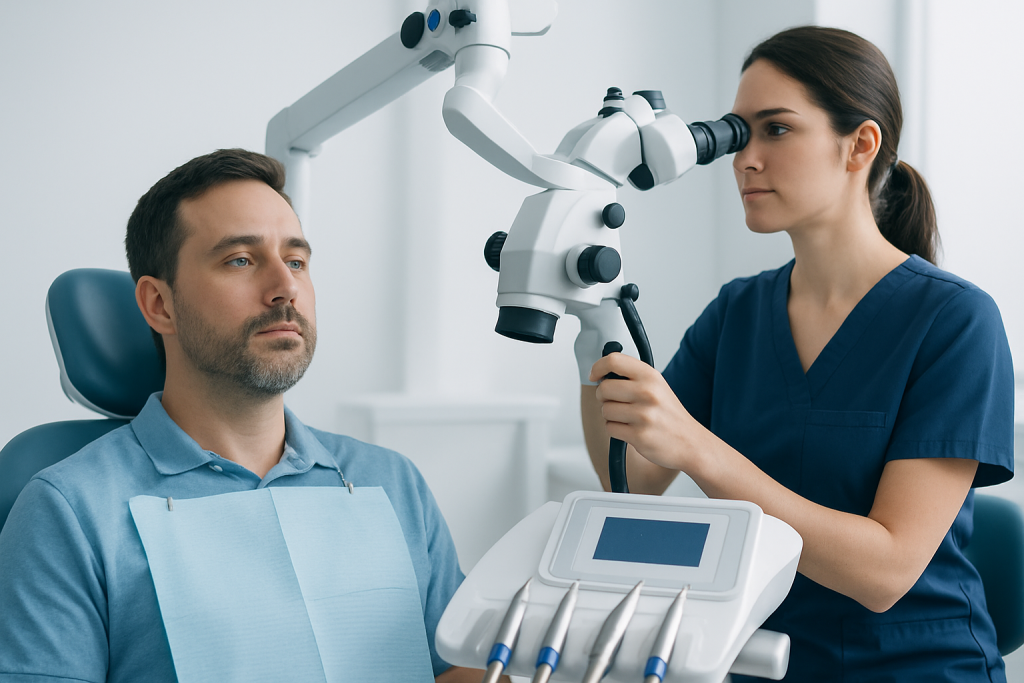
Gum recession does not always cause pain, which is one reason it can go unnoticed until a dentist points it out. Still, the mouth often gives small clues. Teeth may feel more sensitive to hot, cold, sweet, or acidic foods, especially near the gum line where roots are no longer fully covered.
Some people notice that teeth appear longer than before or that spaces near the gum line seem more obvious. The gums may also look uneven, with thin areas or a narrower band of tissue around certain teeth. In more advanced cases, exposed root surfaces can become more vulnerable to decay and wear.
- Tooth sensitivity near the gum line
- Visible root exposure or longer-looking teeth
- Uneven or thinning gum tissue
- Discomfort during brushing or flossing
- Cosmetic concern about the smile line
These changes do not always mean a graft is needed right away, but they do deserve a dental assessment. A clinician will look for whether recession is stable or progressing and whether the tissue around the teeth still provides enough protection.
Causes & Risk Factors

Gum recession can develop for more than one reason, and it is often the result of a combination of factors rather than a single event. Chronic gum inflammation is one common cause, especially when plaque accumulates along the gum line and the supporting tissues become irritated over time.
Mechanical factors can matter as well. Brushing too hard, using a firm-bristled toothbrush, or clenching and grinding may slowly contribute to tissue wear. In some people, the gums are naturally thin, making them more prone to recession even with good hygiene. Teeth that are crowded, rotated, or positioned outside the natural arch may also leave the surrounding gum tissue under more strain.
Risk is higher when a person has a history of periodontal disease, tobacco use, poorly controlled diabetes, or previous dental trauma. Orthodontic movement, anatomical differences, and certain restorations can also play a role. For patients traveling for care, it is helpful to bring prior dental records or X-rays, since the pattern of recession often tells a story about what has been happening over time.
Diagnosis
Diagnosis begins with a careful examination of the gums, teeth, and bite. A dentist or periodontist measures the amount of recession, checks the depth of the gum pockets, and looks for inflammation, plaque retention, or mobility of the teeth. They also evaluate whether the exposed root surfaces are still healthy enough to support treatment.
X-rays may be used to assess bone levels and to look for signs of underlying periodontal disease. In some cases, photographs or charting are taken to document the current condition and help plan the procedure. This is especially useful when the patient is coming from another country, because the treatment team may need a clear baseline to coordinate pre-operative and follow-up care efficiently.
Not every case of recession leads directly to a graft. The clinician may first recommend changes in brushing technique, treatment for gum infection, or management of bite-related stress. A graft is considered when added tissue is likely to improve protection, comfort, or long-term stability.
Treatment Options
There are several common approaches to gum grafting, and the right one depends on the location and extent of recession. In a connective tissue graft, tissue is usually taken from under the roof of the mouth and placed over the exposed area. This is one of the most widely used techniques because it can provide both coverage and durable support.
A free gingival graft uses a thin layer of tissue, also often from the palate, to increase the amount of firm gum tissue. In some cases, a pedicle graft is possible, where nearby gum tissue is moved to cover the recession without taking tissue from another area. Some patients may be candidates for donor tissue or other biologic materials, which can reduce the need for a second surgical site.
The procedure is usually performed under local anesthesia, sometimes with additional sedation depending on the patient’s comfort needs and the treatment plan. After the area is prepared, the tissue is placed carefully and secured with sutures. Healing then depends on protecting the graft from pressure, maintaining gentle hygiene, and attending follow-up visits so the surgeon can confirm that the new tissue is settling in well.
For many patients, the treatment plan also includes addressing the cause of the recession. That may mean periodontal therapy, bite adjustments, improved brushing technique, or guidance on managing grinding. Without that broader support, recession can return in other areas over time.
Prevention & Self-care
Protecting the gums starts with steady, gentle daily habits. A soft-bristled toothbrush and careful brushing technique are often more helpful than force. The goal is to clean thoroughly without scrubbing the tissue line. Flossing or another interdental cleaning method is also important, but it should be done in a way that does not injure the gums.
Regular professional cleanings and periodontal checkups can help catch early signs of inflammation before recession becomes more advanced. People with a history of gum disease, clenching, or thin gum tissue may need a more personalized plan. If grinding is an issue, a night guard may be recommended to reduce ongoing pressure on the teeth and supporting tissues.
After a gum graft, self-care becomes especially important. Patients are usually advised to follow a soft-food diet for a period of time, avoid pulling on the lip or cheek near the surgical area, and brush only where the clinician has said it is safe. When traveling for treatment, it helps to plan enough time for the initial healing phase and to know how follow-up will be handled once the patient is back home.
- Use a soft toothbrush and light pressure
- Avoid aggressive whitening or abrasive products if gums are sensitive
- Keep routine dental visits even when symptoms are mild
- Follow post-operative instructions closely after surgery
- Address grinding, smoking, or uncontrolled gum inflammation promptly
Recovery and What to Expect
Recovery after a gum graft is usually gradual rather than dramatic. The surgical site may feel tender, swollen, or tight during the first days, and eating may need to be adjusted temporarily. Many people are surprised that the more delicate part of healing is not intense pain but patience: the graft needs time to establish a blood supply and blend with the surrounding tissue.
Patients are commonly advised to eat softer foods, keep the area clean as directed, and avoid disturbing the graft with brushing, flossing, or sharp foods. The palate, if tissue was taken from there, can also be sensitive for a short period. Follow-up visits allow the dental team to check healing, remove sutures if needed, and make sure the tissue is maturing as expected.
For international patients, recovery planning should include practical details such as the timing of flight travel, the availability of local dental follow-up, and clear instructions for managing discomfort if it occurs after returning home. A well-organized plan usually makes the experience more manageable and helps protect the result.
When to See a Doctor
It is sensible to seek a dental evaluation if the gums are pulling back, teeth are becoming noticeably sensitive, or the gum line looks uneven. Even if the change is not painful, early assessment can help determine whether the recession is active and whether conservative care or grafting would be the better next step.
After a gum graft, contact the dental team if swelling worsens instead of improving, bleeding is heavy or persistent, pain becomes difficult to control, or the graft area appears to be separating. Signs of infection, such as increasing redness, bad taste, or fever, also deserve prompt attention. These issues are not common, but they should be assessed rather than watched at home.
Patients who are considering treatment abroad may benefit from a consultation that includes photographs, periodontal measurements, and a clear discussion of recovery expectations before travel. Acibadem Health Point’s multidisciplinary specialists and JCI-accredited hospitals can diagnose and treat gum recession and related periodontal needs for international patients as part of coordinated care.
Frequently asked questions
What is a gum graft used for?
A gum graft is used to add or reposition tissue in areas where the gums have receded. It can help cover exposed roots, reduce sensitivity, and support the long-term health of the teeth and surrounding tissue.
Is gum graft surgery painful?
The procedure is usually done with local anesthesia, so discomfort during surgery is typically limited. Some soreness and sensitivity are expected during recovery, but they are usually managed with the aftercare plan provided by the dental team.
How long does it take to heal from a gum graft?
Healing happens in stages, and the first several days are usually the most delicate. The tissue continues to mature over the following weeks, so follow-up care and gentle oral hygiene are important throughout the recovery period.
Will the graft look natural?
In many cases, the goal is for the graft to blend naturally with the surrounding gums as it heals. The final appearance depends on the original recession, the grafting technique, and how the tissue responds during recovery.
Can gum recession come back after treatment?
A graft can repair the affected area, but it does not remove the factors that caused recession in the first place. Good brushing habits, periodontal care, and management of issues such as grinding or gum disease help lower the chance of future recession.
Who decides whether a gum graft is necessary?
A dentist or periodontist decides after examining the gums, teeth, and supporting bone. They consider the amount of recession, the health of the surrounding tissue, the patient’s symptoms, and whether other treatments should come first.
References
- American Academy of Periodontology
- American Dental Association
- Mayo Clinic
- National Institute of Dental and Craniofacial Research
This article is for general information only and is not a substitute for professional medical advice. Please consult a qualified doctor about your individual situation.