Over The Counter Pain Relievers For Tooth Pain

Key Takeaways
- OTC pain relievers may ease tooth pain temporarily, but they do not fix the dental problem causing it.
- Ibuprofen and acetaminophen are commonly used options, each with different safety considerations.
- A toothache with swelling, fever, or trouble swallowing needs prompt dental or medical evaluation.
- Home measures such as gentle rinsing, cold compresses, and careful oral hygiene may support comfort.
- People with pregnancy, stomach ulcers, kidney disease, liver disease, or blood-thinner use should ask a clinician before taking pain relievers.
Over-the-counter pain relievers can reduce the discomfort of a toothache, but they do not treat the underlying cause. Understanding how these medicines work, when they are safe, and when dental care is needed helps patients make calmer, better-informed choices.
Overview
A toothache can turn a normal day into a constant negotiation with every sip, bite, and breath. Over-the-counter pain relievers are often the first thing people reach for, especially when pain begins outside office hours or while traveling. They can help lower discomfort long enough to rest, eat more comfortably, and arrange dental care.
Even so, these medicines are temporary helpers rather than a solution. Tooth pain commonly reflects decay, inflammation of the pulp, gum disease, a cracked tooth, an infection, or irritation after dental treatment. The goal is not simply to silence the pain, but to understand why it is happening and choose the safest way to bridge the time until a dentist can examine the mouth.
For international patients, that first decision may happen before a flight, during a trip, or while waiting for a scheduled consultation abroad. A practical plan includes knowing which OTC options are generally used, what side effects matter, and which warning signs mean the situation should not be managed at home for long.
Symptoms
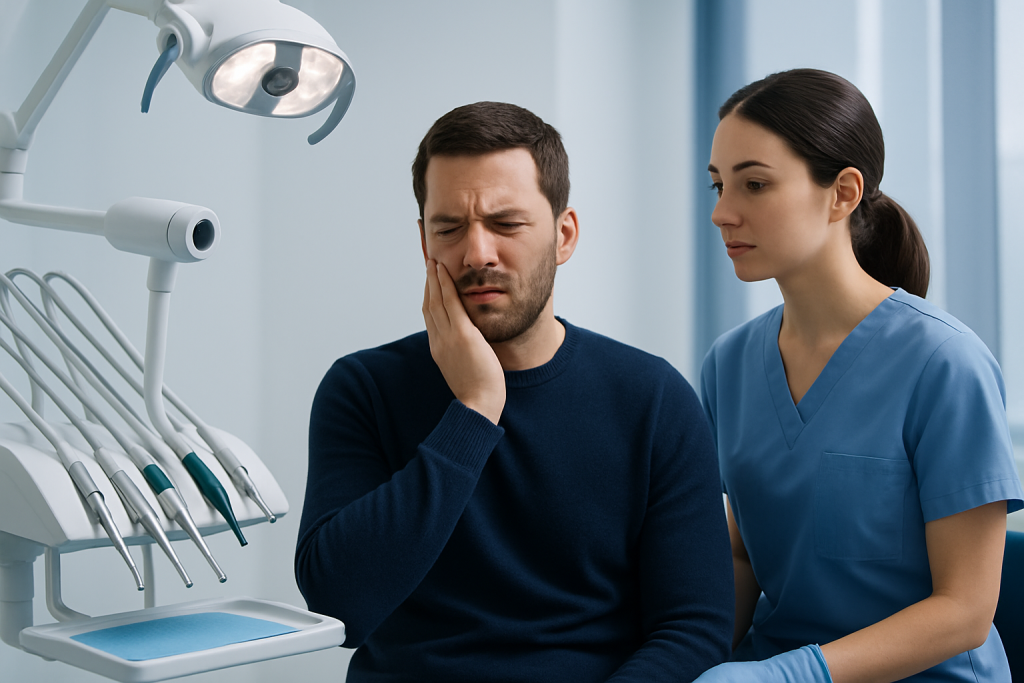
Tooth pain does not always feel the same. It may be a sharp sting when biting, a dull ache that lingers through the day, or sensitivity to hot, cold, or sweet foods. Some people notice pain that comes and goes, while others feel a steady throbbing that makes sleep difficult.
When the cause is more than simple irritation, the pain may be joined by other symptoms. These can include swelling of the gum or face, tenderness when chewing, bad taste in the mouth, visible decay, bleeding gums, or a tooth that feels loose. Pain after a procedure may also occur, but it should gradually improve rather than worsen.
The pattern of symptoms can help a dentist narrow the cause, but it should not be used to self-diagnose. A severe toothache may reflect a problem that needs treatment even if the mouth looks normal from the outside. Persistent pain is a sign that the tooth should be assessed rather than repeatedly medicated.
Causes & Risk Factors

Common dental causes of tooth pain include cavities, enamel wear, cracked teeth, exposed roots, inflamed gums, and infection inside the tooth or surrounding tissue. Pain may also come from impacted teeth, sinus pressure affecting upper teeth, or clenching and grinding that strain the jaw and teeth.
Several factors can make tooth pain more likely or more intense. A history of untreated decay, dry mouth, frequent sugary snacks or drinks, smoking, poor oral hygiene, and missed dental visits can all increase risk. People with orthodontic issues, aging dental work, or repeated grinding may also experience recurring discomfort.
For some patients, medication choice matters as much as the cause of pain. Stomach ulcers, Kidney Disease Treatment" class="ahp-ilk">kidney disease, liver disease, pregnancy, heart disease, asthma, blood-thinner use, and allergy history can change which OTC pain reliever is appropriate. This is one reason it is useful to read labels carefully and, when in doubt, ask a clinician before taking a medicine for tooth pain.
Diagnosis
A dentist usually begins by asking when the pain started, what makes it better or worse, and whether there has been swelling, fever, or trauma to the mouth. They may also ask about the person’s recent travel plans, current medications, and any medical conditions that could affect pain-relief choices. This conversation helps identify whether the problem is likely tooth-related, gum-related, or referred pain from another source.
The exam may include looking for cavities, checking the gums, tapping or cooling the tooth, and taking dental X-rays if needed. These steps can reveal infection, deep decay, fractures, impacted teeth, or bone changes that are not visible during a quick look in the mirror.
When patients are seeking care from another country, bringing a list of medications, allergies, and recent dental work can speed the evaluation. Clear communication matters, because even a short visit should help the dentist decide whether the pain needs a filling, root canal, extraction, gum treatment, or simply closer monitoring.
Treatment Options
OTC pain relievers commonly used for tooth pain include ibuprofen and acetaminophen. Ibuprofen belongs to a group called nonsteroidal anti-inflammatory drugs, or NSAIDs, and may be helpful when inflammation is part of the problem. Acetaminophen can reduce pain and is often an option for people who cannot take NSAIDs, although it does not reduce inflammation in the same way.
Choosing between them is not just about which one feels stronger. The best choice depends on personal health history, other medicines, and whether there are reasons to avoid one class. For example, NSAIDs can be a concern for people with certain stomach, kidney, or bleeding issues, while acetaminophen requires careful attention in people with liver disease or heavy alcohol use.
Some patients ask whether combining OTC medicines is a good idea. In some situations, clinicians may advise using more than one type of pain reliever, but this should be done carefully and only after reading labels and checking for duplicate ingredients in cold, flu, or combination products. It is easy to accidentally take more than intended when multiple products contain the same active ingredient.
Non-medicine measures can make the discomfort easier to manage while waiting for dental treatment:
- Rinse gently with warm salt water if the mouth is not too sore.
- Use a cold compress on the outside of the cheek for brief intervals.
- Chew on the opposite side and avoid very hot, cold, or sugary foods.
- Brush and floss gently to keep food from collecting around the painful area.
- Avoid placing aspirin directly on the gum or tooth, which can irritate tissue.
Definitive treatment depends on the cause. A cavity may need a filling, a damaged tooth may need restoration or extraction, a painful nerve may need root canal treatment, and gum infection may require cleaning and targeted dental care. The medicine can ease the trip to treatment, but it cannot replace it.
Prevention & Self-care
Good daily habits lower the chance that tooth pain will return. Regular brushing with fluoride toothpaste, flossing, and routine dental checkups help catch problems before they become painful. For people who travel frequently, scheduling preventive care before a long trip can be especially useful.
Self-care during a toothache should stay simple and safe. Resting, staying hydrated, and choosing soft foods can reduce stress on the tooth. If pain is recurrent or linked to grinding, a dentist may recommend a mouthguard or other protective strategy.
It is also wise to keep a personal medication list, especially for international travelers. Knowing the names of current medicines, allergies, and chronic conditions makes it easier to choose an OTC pain reliever safely if tooth pain appears far from home.
When to See a Doctor
A dentist should be contacted promptly if tooth pain lasts more than a day or two, keeps returning, or interferes with eating or sleeping. The same is true if the pain is severe, there is obvious decay or a broken tooth, or OTC medicines are no longer providing meaningful relief.
Urgent evaluation is important when tooth pain is accompanied by facial swelling, fever, pus, spreading redness, difficulty opening the mouth, trouble swallowing, or breathing changes. These features can signal an infection that needs timely care.
People with immune suppression, pregnancy, bleeding disorders, or significant medical conditions should be especially cautious about self-treating prolonged dental pain. If traveling, it is reasonable to seek a local dental assessment rather than waiting until returning home, since worsening dental problems can become harder to manage the longer they are left untreated. Acibadem Health Point’s multidisciplinary specialists and JCI-accredited hospitals can diagnose and treat dental conditions for international patients who need coordinated care.
FAQs
Q: Which OTC pain reliever is usually used first for tooth pain?
A: Ibuprofen and acetaminophen are the two most common OTC options. The safer choice depends on a person’s medical history, other medicines, and the cause of the pain. A pharmacist or dentist can help decide which is more appropriate.
Q: Can OTC pain relievers cure a toothache?
A: No. They may reduce pain temporarily, but they do not remove decay, treat infection, or repair a cracked tooth. Dental treatment is usually needed to solve the underlying problem.
Q: Is it safe to take more than one pain reliever for tooth pain?
A: Sometimes clinicians advise using more than one type, but this should be done carefully. People should read labels, avoid duplicate ingredients, and check with a healthcare professional if they are unsure. This is especially important for those with liver, kidney, stomach, or bleeding concerns.
Q: What should a person avoid putting on a painful tooth?
A: Aspirin should not be placed directly on the tooth or gum because it can irritate and burn the tissue. Very hot or very cold foods may also worsen sensitivity. Gentle care is usually safer while waiting for treatment.
Q: When does a toothache become urgent?
A: Swelling of the face, fever, trouble swallowing, trouble breathing, or rapidly worsening pain should be assessed promptly. These symptoms may indicate infection or another problem that should not wait. Prompt evaluation can prevent the issue from becoming more difficult to treat.
Q: Can a toothache go away on its own?
A: Sometimes pain may lessen, but that does not necessarily mean the problem has healed. A nerve can become less reactive while decay or infection continues underneath. If pain returns or persists, a dental exam is still important.
References
- American Dental Association
- National Institute of Dental and Craniofacial Research
- NHS
- Mayo Clinic
- Cleveland Clinic
This article is for general information only and is not a substitute for professional medical advice. Please consult a qualified doctor about your individual situation.